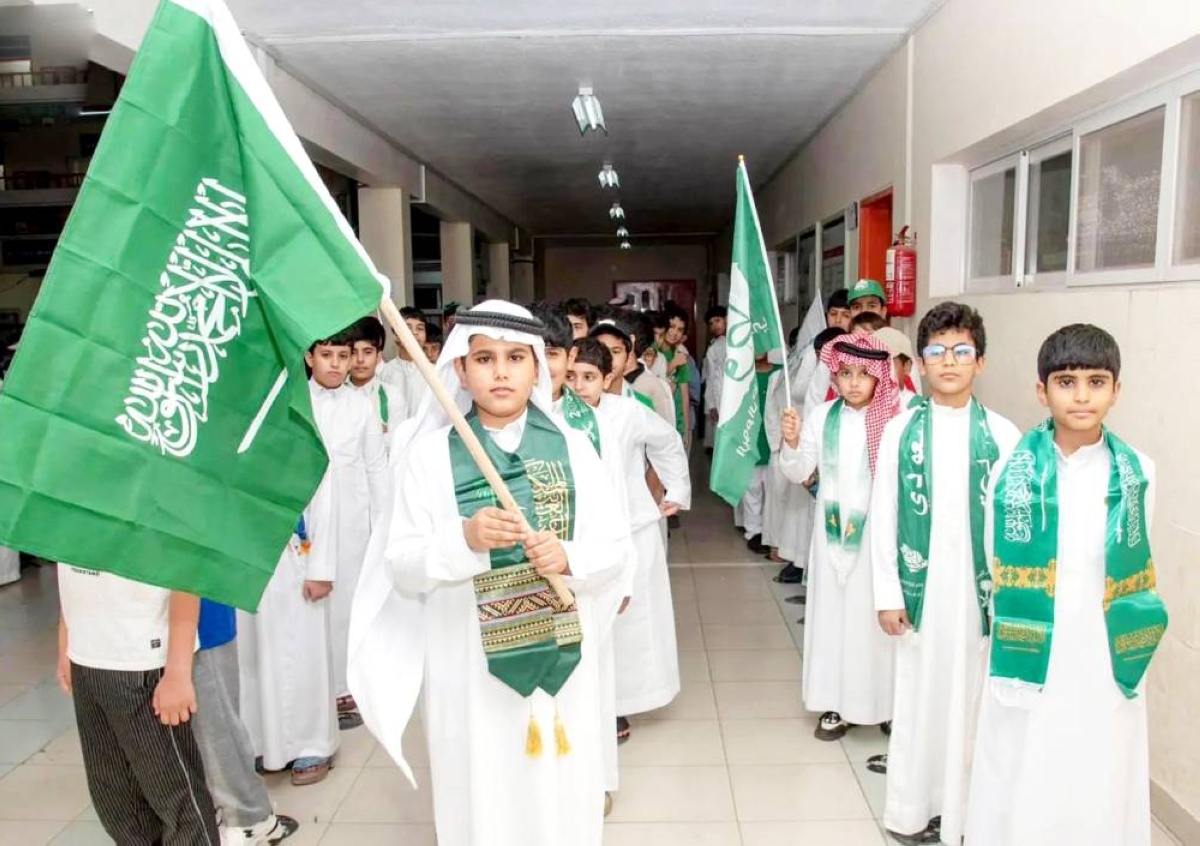
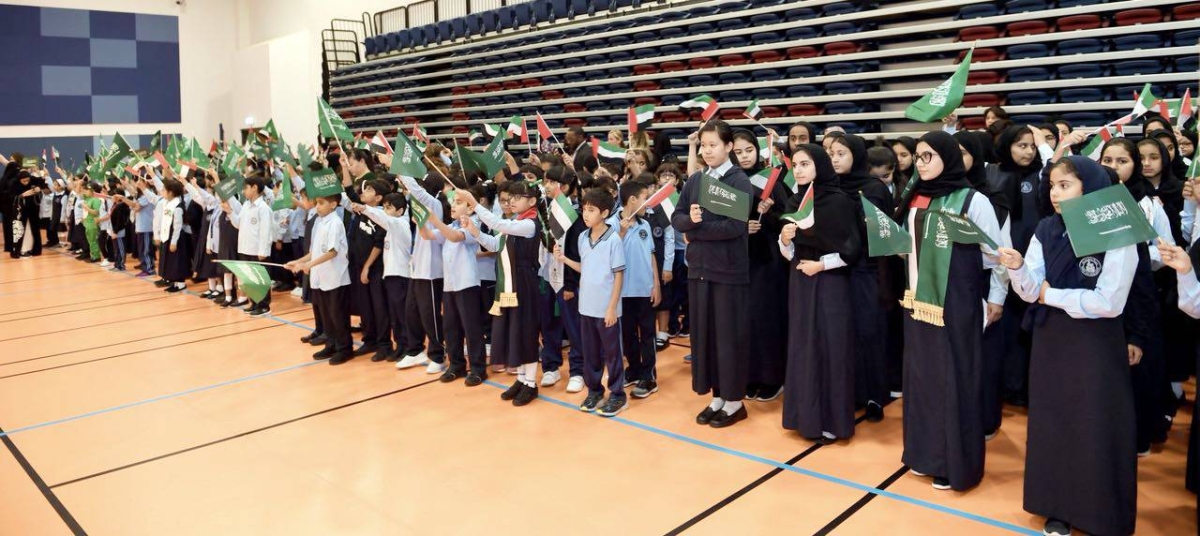
حددت وزارة التعليم 10 مناسبات رئيسية وطنية وعالمية لتنفيذ الأنشطة الطلابية في المدارس خلال العام الدراسي. وتتضمن المناسبات: اليوم الوطني، يوم التأسيس، يوم العلم، يوم السعودية الخضراء، اليوم العالمي للصحة، اليوم العالمي للتعليم، اليوم العالمي للغة العربية، اليوم العالمي للتسامح، اليوم العالمي للطفل، واليوم العالمي لذوي الإعاقة. ويجري تنفيذ المناسبات خلال حصة النشاط الطلابي بما يتوافق مع عدد الحصص المخصصة لها في الخطة الدراسية، وتخصص المدرسة يوماً طلابياً كاملاً لليوم الوطني، ويوم التأسيس، إضافة إلى الحصص المعتمدة ضمن خطة النشاط، ويجري تنفيذ بقية المناسبات بما لا يقل عن ساعة واحدة ضمن الزمن المحدد لليوم الدراسي ووفق التواريخ المحددة.
وحددت وزارة التعليم خطة النشاط الطلابي الذي ينفذ عبر مسارين رئيسيين: هما النشاطان الصفي واللاصفي، ويتمثل الصفي في حصة النشاط الأسبوعية التي تفعل فيها البرامج المعتمدة في المجالات الخمسة: المواطنة والحياة، والثقافة والفنون، والرياضة والصحة، والعلوم والتقنية، ومجال النشاط الكشفي.
وبينت خطة التعليم أن تنفيذ هذه البرامج يتم وفق محتوى معتمد من المركز الوطني للمناهج، ويتوافق مع الخطة الزمنية ونموذج الحصص الأسبوعية المعتمد للفصلين الدراسيين.
فيما ينفذ النشاط اللاصفي لمدة ساعة يومياً وفق خطة زمنية معتمدة، وتحتسب المدة ضمن النصاب الأسبوعي للمعلمين، مع التأكيد على أن تكون جميع البرامج المنفذة معتمدة رسمياً ويجري تنفيذها خلال فترات مرنة مثل الاصطفاف الصباحي أو الفسح المدرسية أو أوقات الصلاة، دون الإخلال بانتظام الحصص الدراسية الأساسية. وتنفذ أنشطة الفترات اللاصفية ضمن برامج معتمدة؛ وتشمل القيم والذكاء الاجتماعي والعاطفي والذوق العام والأمن السيبراني، ويجري تنفيذها ضمن أوقات مرنة وتدرج في خطة المدرسة الزمنية بما يضمن تكاملها مع باقي البرامج وعدم تعارضها مع الحصص الأساسية، مع إسناد هذه البرامج للمعلمين وفق احتياج كل برنامج.
عدم تجاوز نسبة النشاط 5 % لكل مادة
وزارة التعليم أكدت عدم تجاوز نسبة النشاط 5% من الحد الأدنى لكل مادة دراسية مع ربط برامج النشاط بالخطة التشغيلية السنوية للمدرسة، والالتزام الكامل بتفعيل الأيام والمناسبات العشرة المعتمدة رسمياً ضمن برامج النشاط الطلابي، وتنفيذها وفق التواريخ المحددة.
كما شددت على أهمية مراعاة عدة ملاحظات عند بناء خطة النشاط الطلابي؛ منها أن تكون جميع المدارس باختلاف تصنيفاتها ومراحلها قادرة على تنفيذ حصة النشاط الطلابي دون تجاوز نسبة 5% من الحد الأدنى لكل مادة دراسية، وأن يشارك جميع الطلاب في جميع المراحل التعليمية دون استثناء، وعدم وضع حصة النشاط في الجدول كأول حصة أو بعد الحصة الخامسة، ومراعاة التوازن بين المجالات المختلفة للنشاط بما يتناسب مع احتياجات المدارس وتصنيفاتها.
10 مناسبات وطنية وعالمية لتنفيذ الأنشطة الطلابية بالمدارس
11 سبتمبر 2025 - 02:50
|
آخر تحديث 11 سبتمبر 2025 - 02:50


تابع قناة عكاظ على الواتساب
إبراهيم العلوي (جدة) i_waleeed22@
The Ministry of Education has identified 10 key national and global occasions for implementing student activities in schools during the academic year. These occasions include: National Day, Founding Day, Flag Day, Saudi Green Day, World Health Day, World Education Day, World Arabic Language Day, World Tolerance Day, World Children's Day, and World Disability Day. The occasions will be implemented during the student activity period in accordance with the number of classes allocated for them in the curriculum plan. The school allocates a full student day for National Day and Founding Day, in addition to the classes approved in the activity plan, while the remaining occasions will be implemented for no less than one hour within the designated time for the school day and according to the specified dates.
The Ministry of Education has outlined the student activity plan, which is implemented through two main tracks: the in-class and extracurricular activities. The in-class activities take place during the weekly activity period, where approved programs in five areas are activated: citizenship and life, culture and arts, sports and health, science and technology, and scouting activities.
The education plan indicates that the implementation of these programs is based on content approved by the National Center for Curricula, and aligns with the timeline and the approved weekly class model for the two academic semesters.
Extracurricular activities are implemented for one hour daily according to an approved timeline, and the duration is counted within the weekly workload for teachers, with an emphasis on ensuring that all implemented programs are officially approved and carried out during flexible periods such as morning assembly, school breaks, or prayer times, without disrupting the regular schedule of core classes. The activities of the extracurricular periods are part of approved programs, which include values, social and emotional intelligence, public etiquette, and cybersecurity, and are implemented during flexible times and integrated into the school's timeline plan to ensure their coherence with other programs and avoid conflicts with core classes, with these programs assigned to teachers based on the needs of each program.
Do not exceed the activity percentage of 5% for each subject.
The Ministry of Education confirmed that the activity percentage should not exceed 5% of the minimum for each subject, linking activity programs to the school's annual operational plan, and fully committing to activating the ten officially approved days and occasions within student activity programs, implementing them according to the specified dates.
It also emphasized the importance of considering several notes when building the student activity plan; among them is that all schools, regardless of their classifications and stages, should be able to implement the student activity period without exceeding the 5% threshold of the minimum for each subject, that all students in all educational stages participate without exception, that the activity period is not scheduled as the first class or after the fifth class, and that there is a balance between the different areas of activity in accordance with the needs and classifications of the schools.
The Ministry of Education has outlined the student activity plan, which is implemented through two main tracks: the in-class and extracurricular activities. The in-class activities take place during the weekly activity period, where approved programs in five areas are activated: citizenship and life, culture and arts, sports and health, science and technology, and scouting activities.
The education plan indicates that the implementation of these programs is based on content approved by the National Center for Curricula, and aligns with the timeline and the approved weekly class model for the two academic semesters.
Extracurricular activities are implemented for one hour daily according to an approved timeline, and the duration is counted within the weekly workload for teachers, with an emphasis on ensuring that all implemented programs are officially approved and carried out during flexible periods such as morning assembly, school breaks, or prayer times, without disrupting the regular schedule of core classes. The activities of the extracurricular periods are part of approved programs, which include values, social and emotional intelligence, public etiquette, and cybersecurity, and are implemented during flexible times and integrated into the school's timeline plan to ensure their coherence with other programs and avoid conflicts with core classes, with these programs assigned to teachers based on the needs of each program.
Do not exceed the activity percentage of 5% for each subject.
The Ministry of Education confirmed that the activity percentage should not exceed 5% of the minimum for each subject, linking activity programs to the school's annual operational plan, and fully committing to activating the ten officially approved days and occasions within student activity programs, implementing them according to the specified dates.
It also emphasized the importance of considering several notes when building the student activity plan; among them is that all schools, regardless of their classifications and stages, should be able to implement the student activity period without exceeding the 5% threshold of the minimum for each subject, that all students in all educational stages participate without exception, that the activity period is not scheduled as the first class or after the fifth class, and that there is a balance between the different areas of activity in accordance with the needs and classifications of the schools.