أكملت وزارة العدل؛ ممثلةً في مركز التدريب العدلي، استعدادها لإقامة المؤتمر الدولي الثاني للتدريب القضائي الذي يبدأ الأحد القادم (من 14 إلى 15 سبتمبر الجاري) في الرياض، تحت شعار: «التدريب القضائي.. الابتكار في الأدوات والمنهجيات». ورحب المنظمون بمن يرغب حضور المؤتمر دون الحاجة إلى تسجيل مسبق أو دعوة.
ويهدف المؤتمر إلى تبادل الخبرات، واستعراض أحدث التجارب الدولية في التدريب القضائي، ويبحث المشاركون توظيف الذكاء الاصطناعي في العملية التدريبية، فضلاً عن تطوير برامج متخصصة للقضاة والمحامين، والاتجاهات الحديثة لقياس أثر البرامج التدريبية على المنظومة العدلية.
ويجمع المؤتمر نخبة من 32 متحدثاً وخبيراً دوليّاً من 16 دولة، ويتضمن برنامج المؤتمر تسع ورش عمل، وثلاث جلسات حوارية؛ لمناقشة قضايا متخصصة؛ منها أساليب التميز في التدريب القضائي، دور البحوث العلمية والابتكار في تطوير الاستراتيجيات التدريبية، واستعراض نماذج وتجارب دولية في تطوير التدريب القضائي.
يأتي المؤتمر امتداداً للنسخة الأولى، التي عُقدت العام الماضي، بمشاركة أكثر من 600 متخصص و45 خبيراً دولياً، في إطار جهود وزارة العدل لتعزيز الجودة القضائية، ورفع كفاءة التدريب والتأهيل القانوني وفق أفضل الممارسات العالمية.
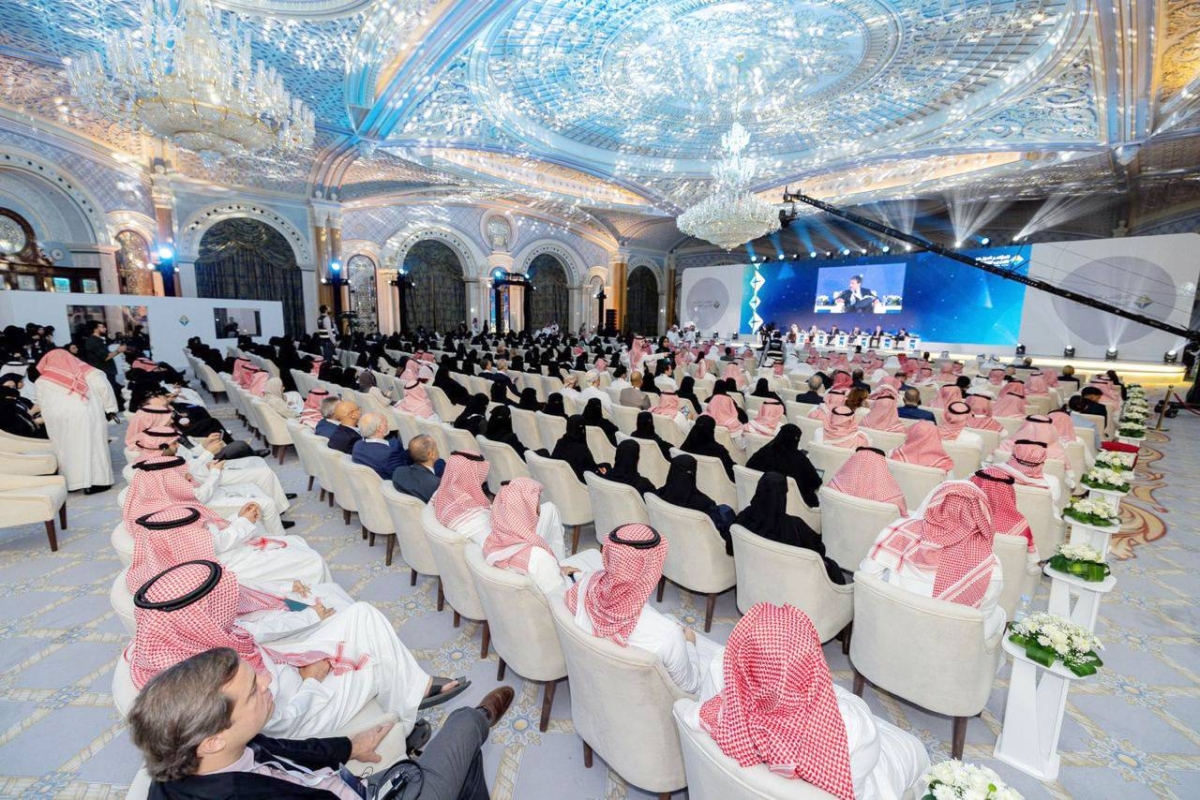
المؤتمر الدولي الأول للتدريب القضائي الذي عقد العام الماضي. (وزارة العدل)
قانونيون يثمنّون إسهامات العدل في تطوير المنظومة
اعتبر محامون ومختصون في الشأن العدلي، المؤتمر خطوةً مهمةً لوزارة العدل؛ التي تشهد من خلالها المنظومة العدلية قفزات كبيرة ومتتالية من خلال مجموعة من الخدمات والمشاريع والقرارات؛ التي كان لها الأثر النوعي الكبير على مستوى الأداء؛ الذي انعكس، بدوره، على رفع مستوى رضا المستفيدين، وأسهم في توفير الوقت والجهد عليهم، وتشمل الخدمات العدلية، جميع القطاعات سواء القضاء، التوثيق. وأجمع كل من المحامي نبيل ملحان والمحامية نسرين علي الغامدي والمحامية منال الحارثي والمحامي سعيد المالكي والمحامية عبير دغريري والمحامي إيهاب أبو ظريفة والمحامي بدر الروقي والمحامي حكم الحكمي والمحامي سعد المالكي، على التطور الكبير الذي شهده المرفق العدلي في السنوات الأخيرة من خلال إطلاق العديد من التشريعات المتخصصة والأنظمة الجديدة؛ منها نظام الأحوال الشخصية، الذي يمثل نقلة نوعية تتعلق بصون حقوق الإنسان واستقرار الأسرة وتمكين المرأة، ونظام الإثبات الذي عزّز حجية الكتابة وجعلها أساساً في إثبات الحقوق، وزيادة نسبة التنبؤ بالأحكام القضائية قبل صدورها، إضافة إلى نظام التكاليف القضائية، الذي يحدّ من الدعاوى الكيدية والصورية، ويعزز العدالة الوقائية وتوثيق العقود، ونظام المعاملات المدنية، الذي يعد سمة بارزة في الأنظمة العدلية.
ولفتوا إلى أن المحاكم الافتراضية أسهمت في تحسين وتطوير بيئة العمل في المحاكم، إضافة إلى تسهيل الخدمات على المستفيدين، وتحقيق العدالة الناجزة وسرعة إيصال الحق لأصحابه بالتوازن مع مراعاة الحقوق الأساسية لكافة الأطراف ذات العلاقة.
وأكدوا أن مركز التدريب العدلي يعد منصة رائدة في مجال التأهيل والتدريب القانوني، يساهم في بناء المنظومة العدلية وتطويرها، عبر برامج تأهيلية وتدريبية عالية الجودة، ومعايير مهنية معتمدة، تعزز من موثوقيته، وترسخ مكانته محليّاً ودوليّاً.
The Ministry of Justice, represented by the Judicial Training Center, has completed its preparations for the second international conference on judicial training, which will take place next Sunday (from September 14 to 15) in Riyadh, under the slogan: “Judicial Training... Innovation in Tools and Methodologies.” The organizers welcome anyone interested in attending the conference without the need for prior registration or an invitation.
The conference aims to exchange experiences and showcase the latest international practices in judicial training. Participants will discuss the use of artificial intelligence in the training process, as well as the development of specialized programs for judges and lawyers, and modern trends in measuring the impact of training programs on the judicial system.
The conference will bring together a select group of 32 speakers and international experts from 16 countries, and the conference program includes nine workshops and three panel discussions to address specialized issues, including methods of excellence in judicial training, the role of scientific research and innovation in developing training strategies, and showcasing international models and experiences in judicial training development.
This conference is a continuation of the first edition held last year, which saw the participation of more than 600 specialists and 45 international experts, as part of the Ministry of Justice's efforts to enhance judicial quality and improve the efficiency of legal training and qualification according to the best global practices.
المؤتمر الدولي الأول للتدريب القضائي الذي عقد العام الماضي. (وزارة العدل)
Legal Experts Appreciate the Contributions of Justice in Developing the System
Lawyers and specialists in judicial affairs consider the conference an important step for the Ministry of Justice, which is witnessing significant and successive leaps in the judicial system through a range of services, projects, and decisions that have had a substantial qualitative impact on performance, which in turn has reflected an increase in beneficiary satisfaction and contributed to saving time and effort for them. The judicial services encompass all sectors, including judiciary and documentation. Lawyers Nabiel Malhan, Nasreen Ali Al-Ghamdi, Manal Al-Harithi, Said Al-Maliki, Abeer Daghriri, Ihab Abu Zareefa, Badr Al-Ruqai, Hakem Al-Hakami, and Saad Al-Maliki all agreed on the significant development that the judicial facility has witnessed in recent years through the launch of many specialized legislations and new systems, including the Personal Status Law, which represents a qualitative leap concerning the protection of human rights, family stability, and women's empowerment, and the Evidence Law, which has strengthened the validity of writing and made it fundamental in proving rights, increasing the predictability of judicial rulings before they are issued, in addition to the Judicial Costs System, which limits frivolous and sham lawsuits, enhances preventive justice, and documents contracts, and the Civil Transactions System, which is a prominent feature of judicial systems.
They pointed out that virtual courts have contributed to improving and developing the work environment in courts, in addition to facilitating services for beneficiaries, achieving swift justice, and quickly delivering rights to their owners while balancing the fundamental rights of all parties involved.
They affirmed that the Judicial Training Center is a leading platform in the field of legal qualification and training, contributing to building and developing the judicial system through high-quality qualification and training programs and accredited professional standards, enhancing its credibility and solidifying its position both locally and internationally.