حدّثت «البلديات» الاشتراطات الفنية لمنشآت الفحص الفني الدوري للمركبات، وتم تصنيف المنشآت إلى أربع فئات طبقاً للطاقة الاستيعابية، وعدد مسارات الفحص، ونوع المركبات، وتشمل المنشآت المخصصة للشاحنات والقاطرات والمقطورات والمركبات التي تحمل مواد خطرة، إضافةً إلى عربات الفحص الفني المتنقلة.
وتضمنت الاشتراطات معايير دقيقة تتعلق بتصميم المواقع والمساحات والارتدادات ومواقف السيارات، إلى جانب متطلبات معمارية وفنية تشمل التهوية والتكييف والإضاءة، وأنظمة الوقاية من الحريق، والالتزام بكود البناء السعودي، مع مراعاة توفير المرافق والخدمات المساندة لذوي الإعاقة. ومن التحديثات أيضاً كاميرات المراقبة، ووسائل الدفع الإلكتروني، واللوحات التعريفية والالتزام بأعمال الصيانة الدورية والنظافة العامة والتحكم في النفايات، وتجهيز العاملين بمعدات الوقاية الشخصية، والالتزام بالأنظمة والتعليمات الصادرة من الجهات ذات العلاقة.
وأكدت البلديات على أهمية التزام المستثمرين بعدم ممارسة أي نشاط إضافي أو استخدام الأرصفة والمرافق العامة دون الحصول على ترخيص إشغال، مع وضع آليات واضحة للنظر في الشكاوى والتظلّمات.
تحديث اشتراطات منشآت الفحص الدوري
4 سبتمبر 2025 - 00:46
|
آخر تحديث 4 سبتمبر 2025 - 00:46
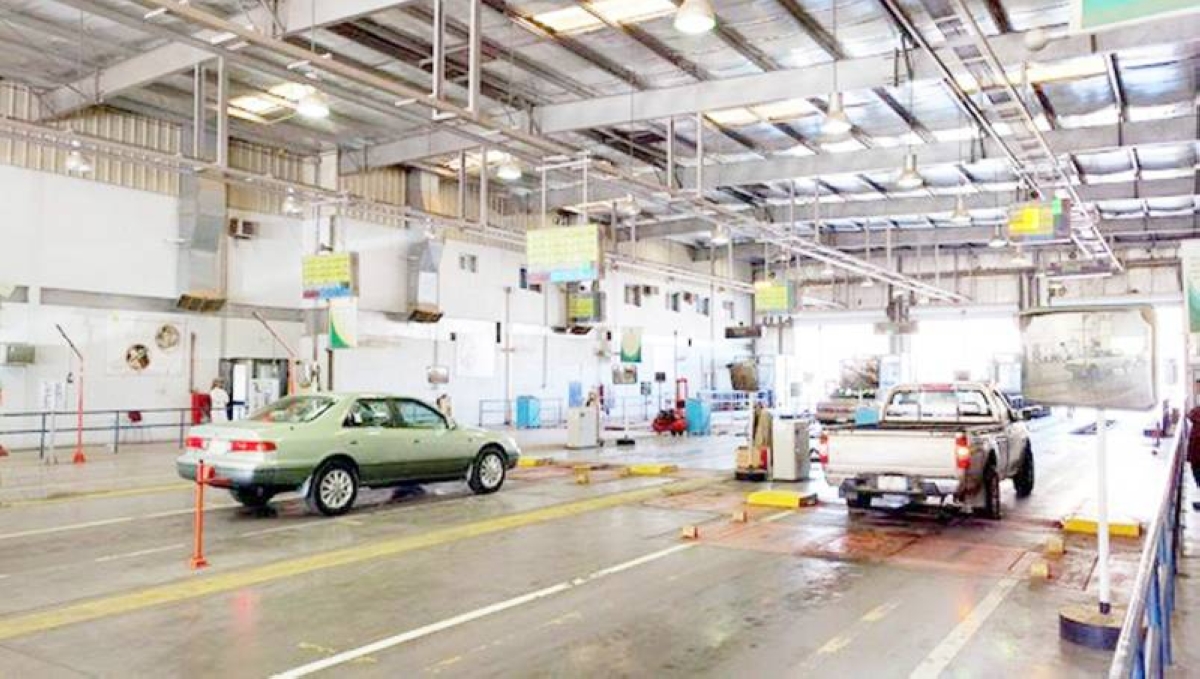
اشتراطات حديثة لمنشآت الفحص الدوري للمركبات.


تابع قناة عكاظ على الواتساب
«عكاظ» (الرياض) okaz_online@
The "Municipalities" updated the technical requirements for periodic vehicle inspection facilities, classifying the facilities into four categories based on capacity, number of inspection lanes, and type of vehicles. This includes facilities designated for trucks, tractors, trailers, and vehicles carrying hazardous materials, in addition to mobile technical inspection units.
The requirements included precise criteria related to site design, areas, setbacks, and parking spaces, along with architectural and technical requirements that encompass ventilation, air conditioning, lighting, fire prevention systems, and compliance with the Saudi Building Code, while considering the provision of facilities and services for people with disabilities. Among the updates are surveillance cameras, electronic payment methods, informational signage, adherence to regular maintenance and general cleanliness, waste management, equipping workers with personal protective equipment, and compliance with regulations and instructions issued by relevant authorities.
The municipalities emphasized the importance of investors' commitment not to engage in any additional activities or use sidewalks and public facilities without obtaining an occupancy permit, while establishing clear mechanisms for addressing complaints and grievances.
The requirements included precise criteria related to site design, areas, setbacks, and parking spaces, along with architectural and technical requirements that encompass ventilation, air conditioning, lighting, fire prevention systems, and compliance with the Saudi Building Code, while considering the provision of facilities and services for people with disabilities. Among the updates are surveillance cameras, electronic payment methods, informational signage, adherence to regular maintenance and general cleanliness, waste management, equipping workers with personal protective equipment, and compliance with regulations and instructions issued by relevant authorities.
The municipalities emphasized the importance of investors' commitment not to engage in any additional activities or use sidewalks and public facilities without obtaining an occupancy permit, while establishing clear mechanisms for addressing complaints and grievances.