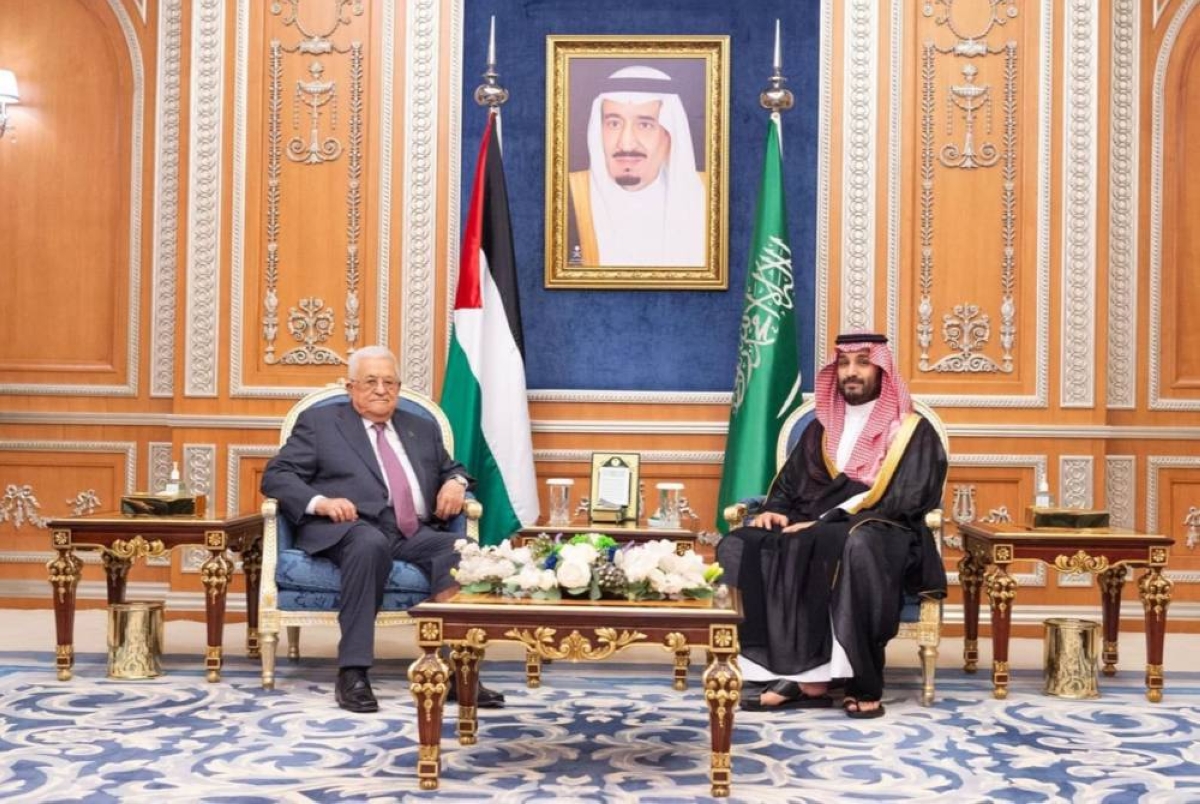
كشف الرئيس الفلسطيني محمود عباس أن السعودية أكدت للقيادة الفلسطينية قبل أربعة أعوام، خلال حوارها مع الولايات المتحدة، أنها لن تُقدِم على أي مصلحة إستراتيجية تخصها قبل أن تقوم الدولة الفلسطينية. هذا الموقف يلخص نهجا سعوديا راسخا في التعاطي مع القضية الفلسطينية، ويعكس ثباتا سياسيا يتجاوز تبدلات المشهد الإقليمي والدولي.
ثوابت راسخة
السعودية منذ تأسيسها وضعت القضية الفلسطينية في صدارة أولوياتها. من مبادرة الملك فهد في الثمانينات، إلى مبادرة الملك عبدالله للسلام في بيروت عام 2002، وصولا إلى مواقف الملك سلمان وولي العهد الأمير محمد بن سلمان، ظل الخط واحدا: لا تسوية عادلة دون دولة فلسطينية مستقلة وعاصمتها القدس الشرقية.
البعد الدولي
الموقف الذي أورده محمود عباس يعكس أيضا إدراك السعودية لوزنها الدولي، فهي دولة مؤثرة في مجموعة العشرين، وقوة اقتصادية وسياسية تجعل من صوتها عنصرا أساسيا في أي تسويات إقليمية. ويُعد ربط السعودية للمصالح الإستراتيجية بشرط إقامة الدولة الفلسطينية رسالة واضحة للولايات المتحدة والعالم، بأن المصالح تمر عبر احترام الحقوق المشروعة للشعب الفلسطيني.
الموقف السعودي يوفّر غطاء سياسيا للدول العربية والإسلامية في التمسك بالثوابت، وعلى المستوى الوطني يعزز الثقة الشعبية بأن المملكة تُدير سياستها الخارجية وفق مبادئ وليست رهينة للمصالح اللحظية، ودوليا يرسخ مكانة السعودية كطرف تفاوضي يربط قوته الاقتصادية والسياسية بالتزاماته القومية.
Palestinian President Mahmoud Abbas revealed that Saudi Arabia confirmed to the Palestinian leadership four years ago, during its dialogue with the United States, that it would not undertake any strategic interests concerning it before the establishment of the Palestinian state. This position summarizes a steadfast Saudi approach to dealing with the Palestinian issue and reflects a political stability that transcends the changes in the regional and international landscape.
Firm Constants
Since its establishment, Saudi Arabia has placed the Palestinian cause at the forefront of its priorities. From King Fahd's initiative in the 1980s, to King Abdullah's peace initiative in Beirut in 2002, to the positions of King Salman and Crown Prince Mohammed bin Salman, the line has remained consistent: there can be no just settlement without an independent Palestinian state with East Jerusalem as its capital.
The International Dimension
The position mentioned by Mahmoud Abbas also reflects Saudi Arabia's awareness of its international weight, as it is an influential country in the G20, and an economic and political power that makes its voice a key element in any regional settlements. Linking Saudi Arabia's strategic interests to the condition of establishing the Palestinian state sends a clear message to the United States and the world that interests pass through respecting the legitimate rights of the Palestinian people.
The Saudi position provides political cover for Arab and Islamic countries in adhering to the constants, and at the national level, it enhances popular confidence that the Kingdom manages its foreign policy based on principles rather than being held hostage to momentary interests. Internationally, it solidifies Saudi Arabia's status as a negotiating party that links its economic and political strength to its national commitments.