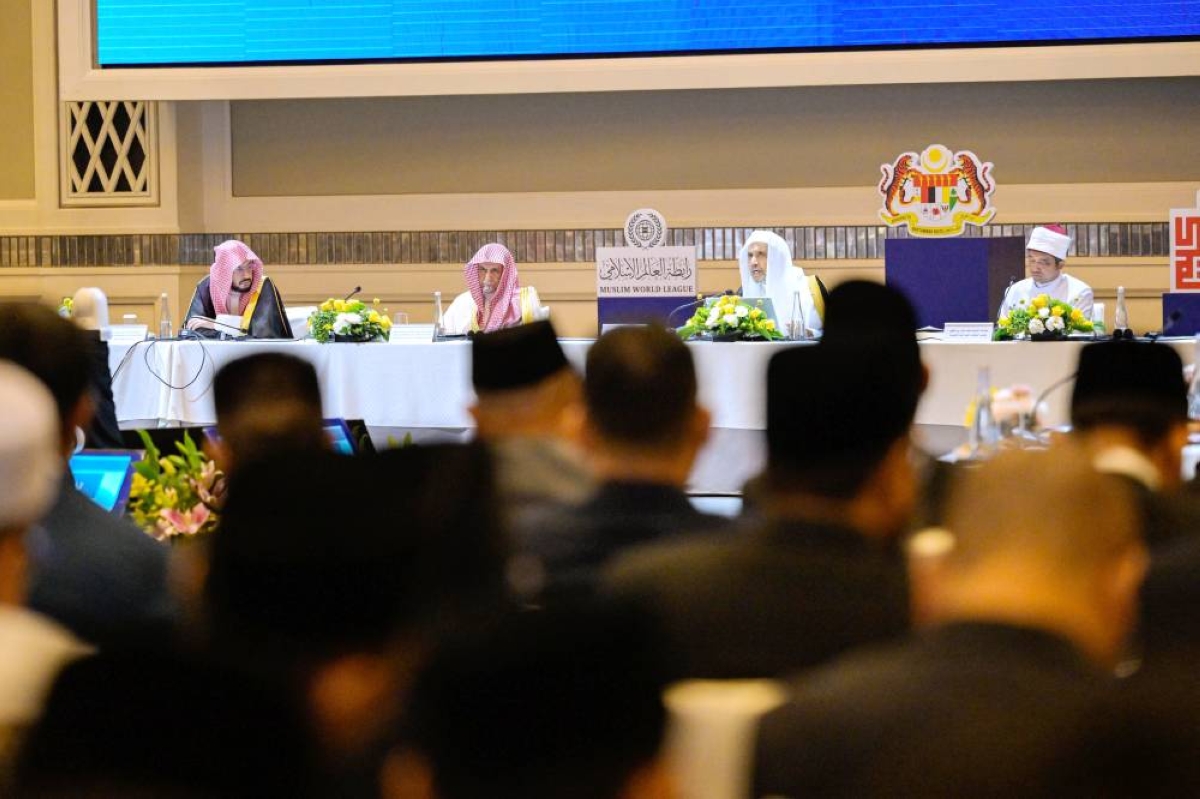
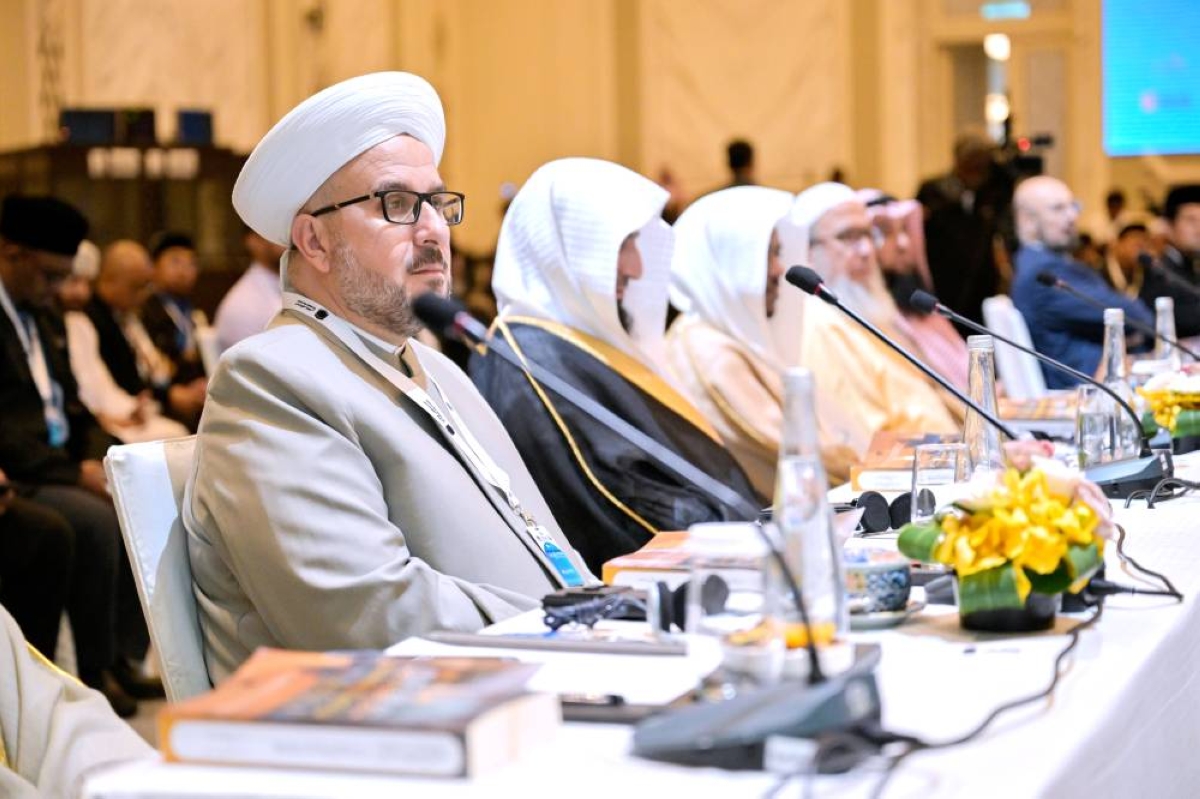
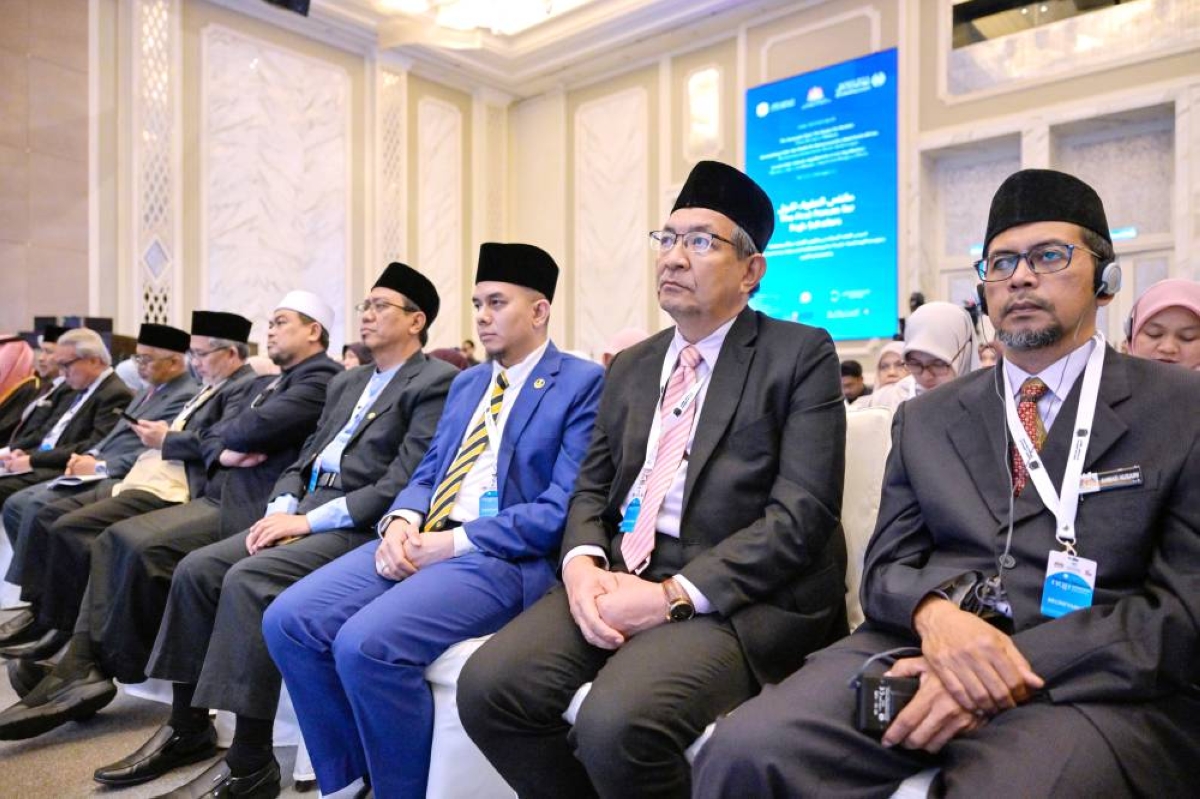
دشَّن الأمين العام لرابطة العالم الإسلامي، رئيس هيئة علماء المسلمين، الشيخ الدكتور محمد بن عبدالكريم العيسى، في كوالالمبور، أعمالَ ملتقى الفقهاء الأول بعنوان: «تدريس الفقه الإسلامي وتكوين الفقيه: معالم وضوابط»، الذي ينظّمه المجمع الفقهي الإسلامي برابطة العالم الإسلامي، برعاية رئيس الوزراء الماليزي، أنور إبراهيم، وبحضور الشيخ الدكتور صالح بن حميد، إمام وخطيب المسجد الحرام، رئيس مجمع الفقه الإسلامي الدولي بمنظمة التعاون الإسلامي، ومفتي الولايات الفيدرالية الماليزية، الشيخ أحمد فواز بن فاضل، والأمين العام لهيئة كبار العلماء بالمملكة العربية السعودية؛ مُلقياً كلمة مفتي عام المملكة العربية السعودية، رئيس هيئة كبار العلماء، رئيس المجمع الفقهي الإسلامي بالرابطة، الشيخ عبدالعزيز بن عبدالله آل الشيخ، ومشاركاً في جلسات الملتقى، وعددٍ من كبار مفتي وفقهاء العالم الإسلامي ودُوَل الأقليّات.
وأوضح الأمين العام لهيئة كبار العلماء، عضو المجمع الفقهي الإسلامي، رئيس اللجنة العلمية بالمجمع، الشيخ الدكتور فهد بن سعد الماجد، في كلمته، التي ألقاها نيابةً عن المفتي العام للمملكة العربية السعودية، أنَّ الفقه علمٌ دقيقٌ يتعلَّق بتخصص محدَّد، مشيراً إلى أنَّ المكتبة الإسلامية تزخر اليوم بإنتاجٍ فقهيٍّ يعزّ نظيره.
وأعرب المفتي العام عن أمله في أن يخرج الملتقى بدراسات وتوصيات تتعلَّق بتقريب هذا المحتوى الفقهي الكبير لطلبة الفقه الإسلامي، إضافة إلى دراسة مناهج تدريس الفقه في جامعات العالم الإسلامي، وما مدى قوتها وأثرها في تخريج فقيهٍ يستطيع البحث والنظر، ودراسة المسائل والنوازل.
وأعرب عن شكره للمجمع الفقهي الإسلامي، الذي يأتي في منظومة مؤسسات رابطة العالم الإسلامي، هذه الرابطة التي قدَّمتها المملكة العربية السعودية للعالم الإسلامي كي تساعد على جمع الكلمة، وتبني أواصر المحبة بين المسلمين، وتواجه نوازلهم الفقهية المعاصرة بنظرٍ علميٍّ متينٍ عبر هذا المجمع العريق.
العيسى: التعدّدُ المذهبيُّ في الفقه مصدرُ إثراءٍ علميٍّ
ورحَّب العيسى، بحضور هذا الملتقى المبارك، مؤكّدًا أنَّ الفقهَ الإسلاميَّ في امتداده التاريخي الحافل كان ولا يزال المرجعَ الشرعيَّ في العِلم بالأحكام الفرعية العملية المستمدّة من الأدلة التفصيلية، مُبصِّراً المسلمين بدينهم على هَدي شريعتهم.
وأوضح، أنَّه كان لفقهاء الأمّة الكبار إسهامٌ ميمونٌ في تعزيز وحدة الأمّة الإسلامية من خلال تمتين صلات العلم وأدبه بين المدارس الفقهية، وذلك انطلاقاً من نيّاتهم الصادقة، ورحابة صدورهم، وصفاء قلوبهم، وراسخ علومهم، فكانت ساحةُ العلم رحبةً بهم، يُجلِّلهم أدبُ الإسلام الرفيع، وهو ما جعل هذا التعدُّد المذهبي مصدرَ إثراءٍ علميٍّ، مبرزاً معالم السَّعة والمرونة في شرعنا الحنيف، وانسجامه التام على اختلاف الزمان والمكان والأحوال.
وشدَّد العيسى على أنه لمْ يضِق بهذا التنوّع ورحابته العلمية إلا مَن ضاق علماً وأفقاً وباعاً، محذِّراً من خطورة أولئك الذين حفِظوا متون النصوص ولمْ يستوعبوا معانيها وأدبها العالي، ولمْ يعلموا أنَّ فضلَ الله واسعٌ، وشريعته حنيفية سمحة، وأنَّ تأليفَهم لقلوب إخوانهم قد يكون وفق الموازنة بين المصالح والمفاسد، خيراً لهم في دينهم ودنياهم من اجتهاد أصابوا فيه.
وشدَّد في هذا الصدد على ضرورة استيعاب الاجتهادات الفقهية، وبناء الجسور بين المذاهب الإسلامية، تداولاً وتفاهماً واحتراماً متبادلاً، مؤكداً أنَّ علماء الأمّة، وقد تنوّعوا في اجتهاداتهم، إنّما هم لبِنات في بناء واحد؛ يزداد جمالاً في كثير من تنوّعه وتكامُله.
وختم بالقول: «في هذا اللقاء المبارك كانت هناك لجنة تحضيريةٌ اضطلَعت بكامل المسؤولية فيما نحسَب، وانتهت إلى إصدار هذا المجلّد الزاخر ببحوثه المتعمقة والمدققة في شأن تدريس الفقه الإسلامي، وتكوين الفقيه، في سياق معالم وضوابط مهمّة، فأجزل الله مثوبتهم».
صالح بن حميد: الفقه الإسلامي ليس أحكاماً جامدة
من جانبه، أكّد إمام وخطيب المسجد الحرام، رئيس مجمع الفقه الإسلامي الدولي، عضو المجمع الفقهي الإسلامي برابطة العالم الإسلامي، الشيخ الدكتور صالح بن عبدالله بن حميد، أنَّ الفقه الإسلامي ليس أحكاماً جامدة بل هو علمٌ حيٌّ يتطوَّر مع الزمن، مستمدٌّ من الكتاب والسُّنّة، مراعٍ للواقع المتغيِّر، مع الحفاظ على ثوابته الأصلية.
وأوضح، أنَّ تطوير الدرس الفقهي يعني تقريب سلَّم الاجتهاد في أدواته ومعاييره، والاستفادة من مصادر الفقه ومخرجات اجتهادات الفقهاء المتقدمين والمعاصرين، واستيعاب لغة الفقه ومصطلحاته، ليتسنَّى إدراك أصول الفقه وفروعه، ومعالجة المستجدات دون الافتئات على الشريعة وأصولها ومصادرها.
وأشار إلى أنَّ تكوين الفقيه يتطلَّب بناء شخصية علمية متوازنة، تجمع بين العُمق الشَّرعي والوعي العصري، مبيّناً فضيلته أنَّ هذا التطوير يقوم على أسسٍ راسخة أبرزها: الرجوع إلى الأدلة الشّرعية الأساسية من القرآن الكريم والسُّنة والإجماع والقياس والأدلة الأخرى، إضافة إلى مراعاة مقاصد الشريعة ومقاصد المكلّفين.
مفتي ماليزيا: الحياة المعاصرة أفرزَت مسائل شرعية جديدة
بدوره، أكّد مفتي الولايات الفيدرالية في ماليزيا، الشيخ فواز فاضل أهمية الاجتهاد الجماعي في ظلِّ المستجدات المُتسارعة والتطورات المعقّدة في مختلف جوانب الحياة، مبيّناً أن الحياة المعاصرة، بما فيها من تقدُّم تكنولوجي واجتماعي، أفرزت مسائل شرعية جديدة لم تكن موجودة في العصور السابقة، مما يستدعي آليات دقيقة ومنهجية لضمان استنباط الأحكام بما يتوافق مع مقاصد الشريعة ويحفظ مصالح الأمة.
وناقش الملتقى مسائل مهمّة مستجدَّة في تدريس مادة الفقه الإسلامي، مستعرضاً معالم وضوابط محوريّة في تكوين الفقيه المعاصر.
وأصدر الملتقى في نهاية أعماله بياناً ختامياً؛ أشاد فيه المشاركون بما تُقدّمه المجامع الفقهية من نموذجٍ عصريٍّ رائدٍ في تنظيم الإجماع الفقهي، من خلال ضبْط مسار الاجتهاد الجماعي، وإسناده إلى نخبة من العلماء الذين جمعوا بين سَعة الفقه والخبرة العملية، والتمكُّن الحاذق من أدوات النظر والاستنباط وأصوله، وشهد البيان جملةً من التوصيات الكفيلة بضبط وتطوير مسار الدرس الفقهي الإسلامي وتكوين الفقيه، ومواجهة التحديات الفقهية المعاصرة.
وشكر المشاركون في الملتقى رئاسة الوزراء في ماليزيا على رعايتها له، وأثنوا بالشكر على رابطة العالم الإسلامي، لجهودِها في إنجاح فكرة لقاء الفقهاء، ودعوا إلى تحويله إلى مناسبة دورية تنعقد في مختلف الدول الإسلامية؛ لتعميق أواصر العلاقة بين فقهاء المسلمين، وتسهيل تباحُثهم في الشؤون الشرعية والعلمية.
العيسى يحذر من حافظي متون النصوص دون فهم ويشدد على ضرورة استيعاب الاجتهادات..
كبارُ فقهاء الأمّة يجتمعون في ماليزيا تحت مظلّة المجمع الفقهي
27 أغسطس 2025 - 21:36
|
آخر تحديث 27 أغسطس 2025 - 21:36


تابع قناة عكاظ على الواتساب
«عكاظ» (كوالالمبور) OKAZ_online@
The Secretary-General of the Muslim World League, President of the Association of Muslim Scholars, Sheikh Dr. Mohammed bin Abdulkarim Al-Issa, inaugurated in Kuala Lumpur the activities of the first jurists' forum titled: "Teaching Islamic Jurisprudence and Shaping the Jurist: Features and Standards," organized by the Islamic Fiqh Academy of the Muslim World League, under the patronage of Malaysian Prime Minister Anwar Ibrahim, and in the presence of Sheikh Dr. Saleh bin Hamid, Imam and preacher of the Grand Mosque, President of the International Islamic Fiqh Academy of the Organization of Islamic Cooperation, and the Mufti of the Malaysian Federal Territories, Sheikh Ahmad Fawaz bin Fadhil, along with the Secretary-General of the Council of Senior Scholars in the Kingdom of Saudi Arabia; delivering a speech on behalf of the Grand Mufti of the Kingdom of Saudi Arabia, President of the Council of Senior Scholars, President of the Islamic Fiqh Academy of the League, Sheikh Abdulaziz bin Abdullah Al Sheikh, and participating in the sessions of the forum, along with a number of senior muftis and jurists from the Islamic world and minority countries.
The Secretary-General of the Council of Senior Scholars, member of the Islamic Fiqh Academy, and head of the scientific committee at the academy, Sheikh Dr. Fahd bin Saad Al-Majed, clarified in his speech, which he delivered on behalf of the Grand Mufti of the Kingdom of Saudi Arabia, that jurisprudence is a precise science related to a specific specialization, pointing out that the Islamic library today is rich with a jurisprudential production that is unparalleled.
The Grand Mufti expressed his hope that the forum would produce studies and recommendations related to bringing this vast jurisprudential content closer to students of Islamic jurisprudence, in addition to studying the curricula for teaching jurisprudence in universities of the Islamic world, and assessing their strength and impact in graduating a jurist capable of research and analysis, as well as studying issues and contemporary events.
He expressed his gratitude to the Islamic Fiqh Academy, which is part of the institutions of the Muslim World League, an organization that the Kingdom of Saudi Arabia has presented to the Islamic world to help unify voices, build bonds of love among Muslims, and address their contemporary jurisprudential issues with a solid scientific perspective through this esteemed academy.
Al-Issa: The Diversity of Jurisprudential Schools is a Source of Scientific Enrichment
Al-Issa welcomed the presence of this blessed forum, affirming that Islamic jurisprudence, in its rich historical extension, has been and remains the legitimate reference in understanding the practical subsidiary rulings derived from detailed evidence, guiding Muslims in their religion according to the guidance of their Sharia.
He explained that the great jurists of the nation have made significant contributions to enhancing the unity of the Islamic nation by strengthening the ties of knowledge and etiquette among the jurisprudential schools, stemming from their sincere intentions, open hearts, pure souls, and deep knowledge, which made the arena of knowledge spacious for them, enveloped by the noble etiquette of Islam, which has made this diversity of schools a source of scientific enrichment, highlighting the features of breadth and flexibility in our noble Sharia, and its complete harmony despite differences in time, place, and conditions.
Al-Issa emphasized that only those who are narrow-minded in knowledge and perspective feel constricted by this diversity and its scientific expansiveness, warning against the danger of those who memorize the texts without comprehending their meanings and high etiquette, and do not realize that the grace of God is vast, and His Sharia is lenient and accommodating, and that their efforts to unite the hearts of their brothers may be better for them in their religion and worldly affairs than a correct ijtihad they may have achieved.
In this regard, he stressed the necessity of embracing jurisprudential ijtihads and building bridges between Islamic schools through mutual exchange, understanding, and respect, affirming that the scholars of the nation, despite their diverse ijtihads, are but building blocks in one structure; it becomes more beautiful in its diversity and completeness.
He concluded by saying: "In this blessed meeting, there was a preparatory committee that took full responsibility for what we consider, and it concluded with the issuance of this voluminous book filled with in-depth and meticulous research on teaching Islamic jurisprudence and shaping the jurist, within the context of important features and standards, may God reward them abundantly."
Saleh bin Hamid: Islamic Jurisprudence is Not Rigid Rulings
For his part, the Imam and preacher of the Grand Mosque, President of the International Islamic Fiqh Academy, and member of the Islamic Fiqh Academy of the Muslim World League, Sheikh Dr. Saleh bin Abdullah bin Hamid, affirmed that Islamic jurisprudence is not rigid rulings but rather a living science that evolves with time, derived from the Book and the Sunnah, taking into account the changing reality while preserving its original constants.
He explained that developing the jurisprudential study means bringing the ladder of ijtihad closer in its tools and standards, benefiting from the sources of jurisprudence and the outputs of the ijtihads of past and contemporary jurists, and understanding the language of jurisprudence and its terminology, so that one can grasp the principles and branches of jurisprudence and address new issues without infringing upon the Sharia and its foundations and sources.
He pointed out that shaping the jurist requires building a balanced scientific personality that combines deep religious knowledge and contemporary awareness, indicating that this development is based on solid foundations, the most prominent of which are: returning to the fundamental legal evidence from the Holy Quran, the Sunnah, consensus, analogy, and other evidence, in addition to considering the objectives of Sharia and the goals of the obligated individuals.
Mufti of Malaysia: Contemporary Life Has Given Rise to New Legal Issues
For his part, the Mufti of the Federal Territories in Malaysia, Sheikh Fawaz Fadhil, emphasized the importance of collective ijtihad in light of the rapid developments and complex changes in various aspects of life, pointing out that contemporary life, with its technological and social advancements, has produced new legal issues that did not exist in previous eras, necessitating precise and methodological mechanisms to ensure the derivation of rulings in accordance with the objectives of Sharia and preserving the interests of the nation.
The forum discussed important contemporary issues in teaching Islamic jurisprudence, reviewing pivotal features and standards in shaping the contemporary jurist.
At the end of its proceedings, the forum issued a closing statement; in which the participants praised what the jurisprudential academies offer as a leading modern model in organizing jurisprudential consensus, through regulating the path of collective ijtihad, and attributing it to a select group of scholars who combine vast jurisprudence with practical experience, and proficient mastery of the tools of reasoning, derivation, and its foundations. The statement included a series of recommendations capable of regulating and developing the path of Islamic jurisprudential study and shaping the jurist, and addressing contemporary jurisprudential challenges.
The participants in the forum thanked the Prime Minister's office in Malaysia for its sponsorship of the event, and expressed their gratitude to the Muslim World League for its efforts in successfully realizing the idea of the jurists' meeting, calling for it to be transformed into a periodic event held in various Islamic countries to deepen the bonds between Muslim jurists and facilitate their discussions on legal and scientific matters.
The Secretary-General of the Council of Senior Scholars, member of the Islamic Fiqh Academy, and head of the scientific committee at the academy, Sheikh Dr. Fahd bin Saad Al-Majed, clarified in his speech, which he delivered on behalf of the Grand Mufti of the Kingdom of Saudi Arabia, that jurisprudence is a precise science related to a specific specialization, pointing out that the Islamic library today is rich with a jurisprudential production that is unparalleled.
The Grand Mufti expressed his hope that the forum would produce studies and recommendations related to bringing this vast jurisprudential content closer to students of Islamic jurisprudence, in addition to studying the curricula for teaching jurisprudence in universities of the Islamic world, and assessing their strength and impact in graduating a jurist capable of research and analysis, as well as studying issues and contemporary events.
He expressed his gratitude to the Islamic Fiqh Academy, which is part of the institutions of the Muslim World League, an organization that the Kingdom of Saudi Arabia has presented to the Islamic world to help unify voices, build bonds of love among Muslims, and address their contemporary jurisprudential issues with a solid scientific perspective through this esteemed academy.
Al-Issa: The Diversity of Jurisprudential Schools is a Source of Scientific Enrichment
Al-Issa welcomed the presence of this blessed forum, affirming that Islamic jurisprudence, in its rich historical extension, has been and remains the legitimate reference in understanding the practical subsidiary rulings derived from detailed evidence, guiding Muslims in their religion according to the guidance of their Sharia.
He explained that the great jurists of the nation have made significant contributions to enhancing the unity of the Islamic nation by strengthening the ties of knowledge and etiquette among the jurisprudential schools, stemming from their sincere intentions, open hearts, pure souls, and deep knowledge, which made the arena of knowledge spacious for them, enveloped by the noble etiquette of Islam, which has made this diversity of schools a source of scientific enrichment, highlighting the features of breadth and flexibility in our noble Sharia, and its complete harmony despite differences in time, place, and conditions.
Al-Issa emphasized that only those who are narrow-minded in knowledge and perspective feel constricted by this diversity and its scientific expansiveness, warning against the danger of those who memorize the texts without comprehending their meanings and high etiquette, and do not realize that the grace of God is vast, and His Sharia is lenient and accommodating, and that their efforts to unite the hearts of their brothers may be better for them in their religion and worldly affairs than a correct ijtihad they may have achieved.
In this regard, he stressed the necessity of embracing jurisprudential ijtihads and building bridges between Islamic schools through mutual exchange, understanding, and respect, affirming that the scholars of the nation, despite their diverse ijtihads, are but building blocks in one structure; it becomes more beautiful in its diversity and completeness.
He concluded by saying: "In this blessed meeting, there was a preparatory committee that took full responsibility for what we consider, and it concluded with the issuance of this voluminous book filled with in-depth and meticulous research on teaching Islamic jurisprudence and shaping the jurist, within the context of important features and standards, may God reward them abundantly."
Saleh bin Hamid: Islamic Jurisprudence is Not Rigid Rulings
For his part, the Imam and preacher of the Grand Mosque, President of the International Islamic Fiqh Academy, and member of the Islamic Fiqh Academy of the Muslim World League, Sheikh Dr. Saleh bin Abdullah bin Hamid, affirmed that Islamic jurisprudence is not rigid rulings but rather a living science that evolves with time, derived from the Book and the Sunnah, taking into account the changing reality while preserving its original constants.
He explained that developing the jurisprudential study means bringing the ladder of ijtihad closer in its tools and standards, benefiting from the sources of jurisprudence and the outputs of the ijtihads of past and contemporary jurists, and understanding the language of jurisprudence and its terminology, so that one can grasp the principles and branches of jurisprudence and address new issues without infringing upon the Sharia and its foundations and sources.
He pointed out that shaping the jurist requires building a balanced scientific personality that combines deep religious knowledge and contemporary awareness, indicating that this development is based on solid foundations, the most prominent of which are: returning to the fundamental legal evidence from the Holy Quran, the Sunnah, consensus, analogy, and other evidence, in addition to considering the objectives of Sharia and the goals of the obligated individuals.
Mufti of Malaysia: Contemporary Life Has Given Rise to New Legal Issues
For his part, the Mufti of the Federal Territories in Malaysia, Sheikh Fawaz Fadhil, emphasized the importance of collective ijtihad in light of the rapid developments and complex changes in various aspects of life, pointing out that contemporary life, with its technological and social advancements, has produced new legal issues that did not exist in previous eras, necessitating precise and methodological mechanisms to ensure the derivation of rulings in accordance with the objectives of Sharia and preserving the interests of the nation.
The forum discussed important contemporary issues in teaching Islamic jurisprudence, reviewing pivotal features and standards in shaping the contemporary jurist.
At the end of its proceedings, the forum issued a closing statement; in which the participants praised what the jurisprudential academies offer as a leading modern model in organizing jurisprudential consensus, through regulating the path of collective ijtihad, and attributing it to a select group of scholars who combine vast jurisprudence with practical experience, and proficient mastery of the tools of reasoning, derivation, and its foundations. The statement included a series of recommendations capable of regulating and developing the path of Islamic jurisprudential study and shaping the jurist, and addressing contemporary jurisprudential challenges.
The participants in the forum thanked the Prime Minister's office in Malaysia for its sponsorship of the event, and expressed their gratitude to the Muslim World League for its efforts in successfully realizing the idea of the jurists' meeting, calling for it to be transformed into a periodic event held in various Islamic countries to deepen the bonds between Muslim jurists and facilitate their discussions on legal and scientific matters.