


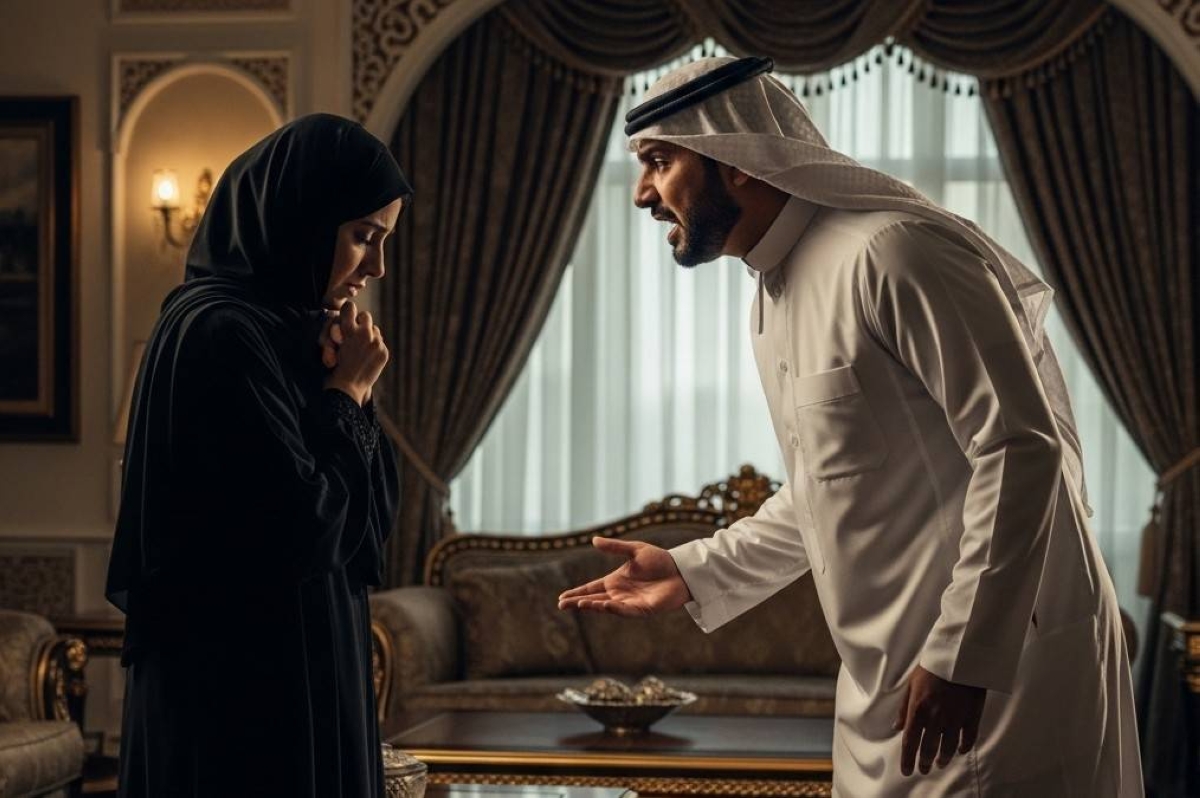
كشفت وزارة الموارد البشرية والتنمية الاجتماعية، أن التهديد بالطلاق أو الحرمان من الأبناء أو العزل القسري أو التحكم المفرط في حرية أحد الزوجين أو تقييد تحركاته إضافة إلى الإهانات اللفظية المتكررة والسب والشتم جميعها تندرج ضمن صور الإيذاء النفسي والمعنوي.
وأكدت الوزارة، في ردها على استفسارات «عكاظ»، أن هذه الحالات يتعامل معها مركز بلاغات العنف الأسري، ابتداءً بالتقييم الأولي، وتصنيف درجة الخطورة، ثم الإحالة إلى مراكز الحماية الأسرية والتدخل الفوري في الحالات الحرجة بالتنسيق مع الجهات الأمنية. وأضافت أن المركز يعمل على توفير الإيواء عند الحاجة، وتقديم الدعم النفسي والاجتماعي، وخطط السلامة، إلى جانب برامج تأهيلية ووقائية مثل «تعافي الأطفال» و«الحفاظ على الأسرة» و«التواصل السليم».
وأوضح أستاذ علم اجتماع الجريمة المشارك بجامعة الملك سعود الدكتور حميد خليل الشايجي، أن هناك جهلاً لدى البعض بماهية العنف الأسري، إذ يركز معظم الناس على العنف الجسدي باعتباره الأكثر وضوحاً لوجود علامات ملموسة له، بينما يتم تجاهل أشكال أخرى لا تقل خطورة مثل العنف النفسي واللفظي. وأكد أن العنف اللفظي يقود في كثير من الأحيان إلى سوء الحالة النفسية للطرف الآخر، مشيراً إلى صور عديدة منه مثل الحرمان العاطفي، والتحكم المفرط، والتهديد بالطلاق أو الحرمان من الأبناء، وغلق الأبواب، والمنع من الخروج، والصراخ، والسباب، والإهانات المتكررة، وكلها تعد من صور العنف النفسي التي لا يتم التعامل معها بالجدية الكافية. ودعا إلى ضرورة تثقيف الأزواج بكافة أشكال العنف الأسري وآثاره السلبية على استقرار الأسرة وانعكاساته على المجتمع.
من جانبها، أوضحت الأستاذة المشاركة بجامعة الملك سعود الدكتورة هند خالد الدعجاني، أن نظام الحماية من الإيذاء في المملكة أكد أن العنف لا يقتصر على الضرب أو الإيذاء الجسدي، بل يشمل كذلك الإيذاء النفسي والمالي، إضافة إلى الإهمال أو التهديد والاستغلال. وقالت إن صوراً مثل التحكم المفرط في حرية أحد الزوجين أو تقييد حركته، والتهديد بالطلاق أو بحرمانه من الأبناء، والإهانات المتكررة، جميعها تدخل ضمن دائرة العنف الأسري.
وبيّنت، أن خطورة هذا النوع من العنف تكمن في آثاره العميقة على الاستقرار الأسري، إذ يزرع الخوف والقلق ويقوض الثقة بين الزوجين، ما يؤدي إلى هشاشة العلاقة وزيادة احتمالية التفكك. كما أن الأبناء في مثل هذه البيئات قد يتأثرون نفسياً وسلوكياً، ويطورون أنماطاً سلبية من التكيف مثل العدوانية أو الانسحاب الاجتماعي. وأضافت أن الاعتراف بهذه الممارسات كعنف أسري يسهم في رفع مستوى الوعي المجتمعي بخطورتها، ويعزز ثقافة الاحترام والحوار داخل الأسرة، بما يحافظ على تماسكها ويحميها من التفكك.
خبراء واختصاصيون يكشفون مزيداً من صور الإيذاء..
«الموارد» لـ«عكاظ»: التهديد بالطلاق والتحكم المفرط.. «عنف أسري»
26 أغسطس 2025 - 00:02
|
آخر تحديث 26 أغسطس 2025 - 03:12


تابع قناة عكاظ على الواتساب
عبدالرحمن الأسمري (الرياض) alasmari_m1@
The Ministry of Human Resources and Social Development revealed that threats of divorce, deprivation of children, forced isolation, excessive control over one spouse's freedom, restrictions on movement, in addition to repeated verbal insults and curses, all fall under forms of psychological and moral abuse.
The ministry confirmed, in response to inquiries from "Okaz," that these cases are handled by the Domestic Violence Reporting Center, starting with an initial assessment, classifying the level of danger, and then referring to family protection centers and immediate intervention in critical cases in coordination with security authorities. It added that the center works to provide shelter when needed, offer psychological and social support, and safety plans, alongside rehabilitative and preventive programs such as "Children's Recovery," "Family Preservation," and "Effective Communication."
Dr. Hamid Khalil Al-Shayji, an associate professor of criminology at King Saud University, explained that there is ignorance among some about the nature of domestic violence, as most people focus on physical violence due to its clear signs, while other equally serious forms, such as psychological and verbal violence, are overlooked. He emphasized that verbal violence often leads to a deterioration in the psychological state of the other party, pointing to various forms of it, such as emotional deprivation, excessive control, threats of divorce or deprivation of children, closing doors, preventing outings, shouting, cursing, and repeated insults, all of which are considered forms of psychological violence that are not taken seriously enough. He called for the need to educate spouses about all forms of domestic violence and their negative effects on family stability and their repercussions on society.
For her part, Dr. Hind Khalid Al-Dajani, an associate professor at King Saud University, clarified that the protection system against abuse in the Kingdom has confirmed that violence is not limited to physical harm or abuse but also includes psychological and financial abuse, in addition to neglect, threats, and exploitation. She stated that forms such as excessive control over one spouse's freedom or restricting their movement, threats of divorce or deprivation of children, and repeated insults all fall within the realm of domestic violence.
She indicated that the danger of this type of violence lies in its profound effects on family stability, as it instills fear and anxiety and undermines trust between spouses, leading to relationship fragility and an increased likelihood of disintegration. Additionally, children in such environments may be psychologically and behaviorally affected, developing negative coping patterns such as aggression or social withdrawal. She added that recognizing these practices as domestic violence contributes to raising societal awareness of their dangers and enhances a culture of respect and dialogue within the family, which helps maintain its cohesion and protects it from disintegration.
The ministry confirmed, in response to inquiries from "Okaz," that these cases are handled by the Domestic Violence Reporting Center, starting with an initial assessment, classifying the level of danger, and then referring to family protection centers and immediate intervention in critical cases in coordination with security authorities. It added that the center works to provide shelter when needed, offer psychological and social support, and safety plans, alongside rehabilitative and preventive programs such as "Children's Recovery," "Family Preservation," and "Effective Communication."
Dr. Hamid Khalil Al-Shayji, an associate professor of criminology at King Saud University, explained that there is ignorance among some about the nature of domestic violence, as most people focus on physical violence due to its clear signs, while other equally serious forms, such as psychological and verbal violence, are overlooked. He emphasized that verbal violence often leads to a deterioration in the psychological state of the other party, pointing to various forms of it, such as emotional deprivation, excessive control, threats of divorce or deprivation of children, closing doors, preventing outings, shouting, cursing, and repeated insults, all of which are considered forms of psychological violence that are not taken seriously enough. He called for the need to educate spouses about all forms of domestic violence and their negative effects on family stability and their repercussions on society.
For her part, Dr. Hind Khalid Al-Dajani, an associate professor at King Saud University, clarified that the protection system against abuse in the Kingdom has confirmed that violence is not limited to physical harm or abuse but also includes psychological and financial abuse, in addition to neglect, threats, and exploitation. She stated that forms such as excessive control over one spouse's freedom or restricting their movement, threats of divorce or deprivation of children, and repeated insults all fall within the realm of domestic violence.
She indicated that the danger of this type of violence lies in its profound effects on family stability, as it instills fear and anxiety and undermines trust between spouses, leading to relationship fragility and an increased likelihood of disintegration. Additionally, children in such environments may be psychologically and behaviorally affected, developing negative coping patterns such as aggression or social withdrawal. She added that recognizing these practices as domestic violence contributes to raising societal awareness of their dangers and enhances a culture of respect and dialogue within the family, which helps maintain its cohesion and protects it from disintegration.


