


أكد إعلاميّون ومهتمون لـ«عكاظ»، عن تخصصات جامعية ترفضها سوق العمل، لكنها ما زالت قائمة ومستمرة وتخرج طلاباً وطالباتٍ، وقالوا: إن مجالس الجامعات تحتاج إلى «تحديثٍ» تقني وتكنولوجي، فالحاجة المستقبلية في العديد من التخصصات الضرورية أصبحت واضحة ومعروفة..
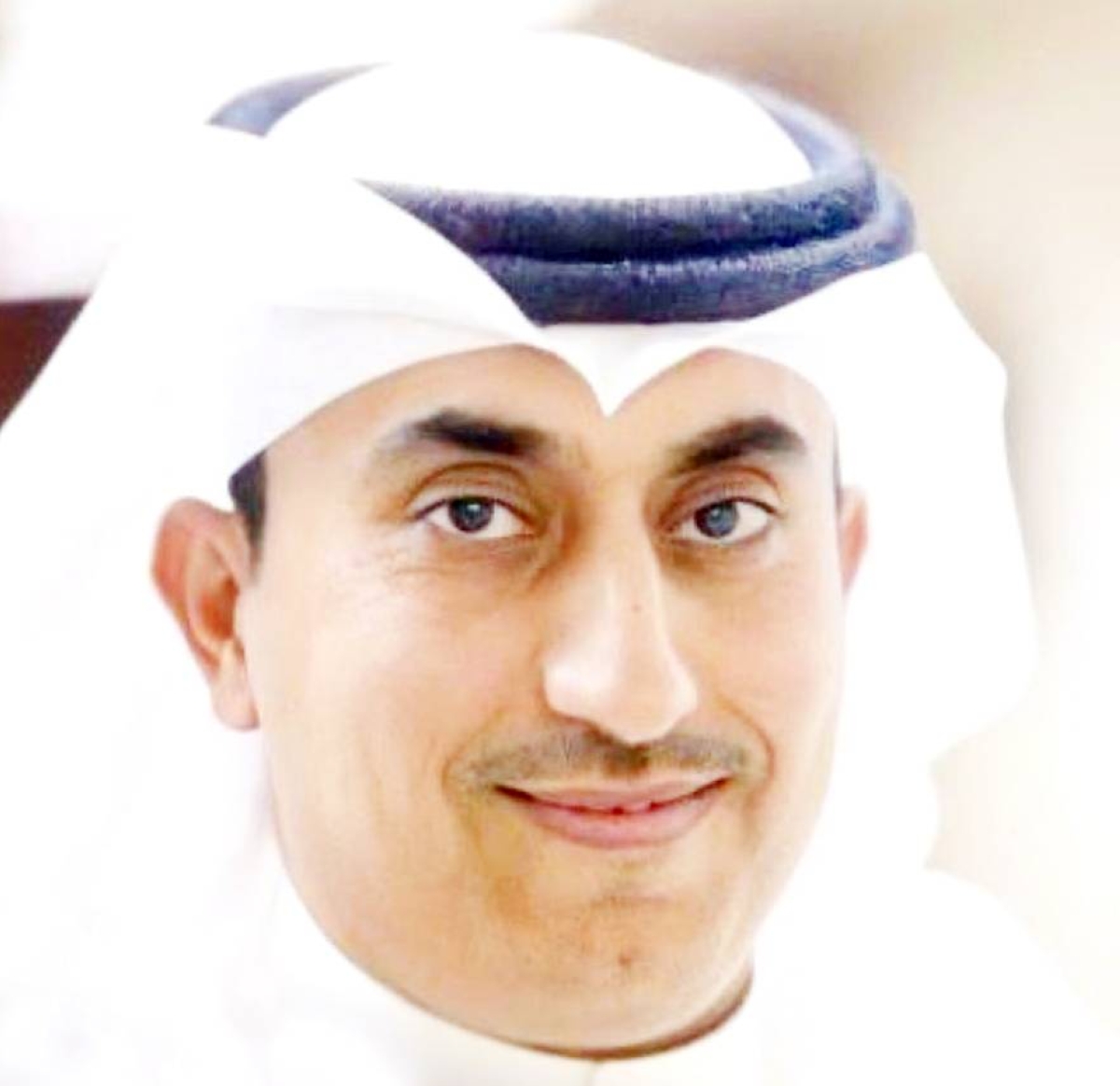
المستشار الإعلامي محمد آل دوسري، قال: عند النظر لواقع التخصصات التي ترفضها سوق العمل حالياً، ما زالت قائمة في بعض الجامعات التي تخرّج أعداداً كبيرة من الطلاب في كل عام مع تراجع الفرص في سوق العمل، ولا بد من إغلاق تلك الأقسام وإيجاد حلول لمثل هذه الإشكالات، أقلها تقليص القبول في تلك التخصصات إلى الحد الأدنى، وتقليص فرص الدراسات العليا بها بقدر كبير، وفي المقابل استحداث تخصصات وكليات كاملة تدرس التكنولوجيا الحديثة والتخصصات الدقيقة في الذكاء الاصطناعي، والأمن السيبراني، وتكنولوجيا المعلومات والبرمجة إلى جانب تخصصات الطاقة المتجددة والهندسة البيئية، والتحول الرقمي، وتكنولوجيا التصنيع، إذ إن هذه التخصصات تطلبها سوق العمل، ويُبنى عليها مستقبل الوطن.
تحديات سوق العمل السعودية
وشدد آل دوسري، على تحرّك الجامعات نحو إيجاد حلول عاجلة تواجه تحديات سوق العمل ومقابلة المنافسة الشديدة، وتزايد أعداد الخريجين التي تجعل المنافسة على الوظائف أكثر حدة، إلى جانب الحاجة لتطوير المهارات التي أصبحت ضرورة لمواكبة التغيرات، وتعلّم التقنيات الحديثة التي جعلت من التكنولوجيا الحديثة مطلباً مهماً بقطاع الأعمال على اختلاف مستوياته وتخصصاته. وتابع: هناك مجالس جامعات ينظر لها من زاوية تهمها بالدرجة الأولى بعيداً عن المخرجات التي تنتهي علاقة الجامعة بها عند تخرج الطالب أو الطالبة.
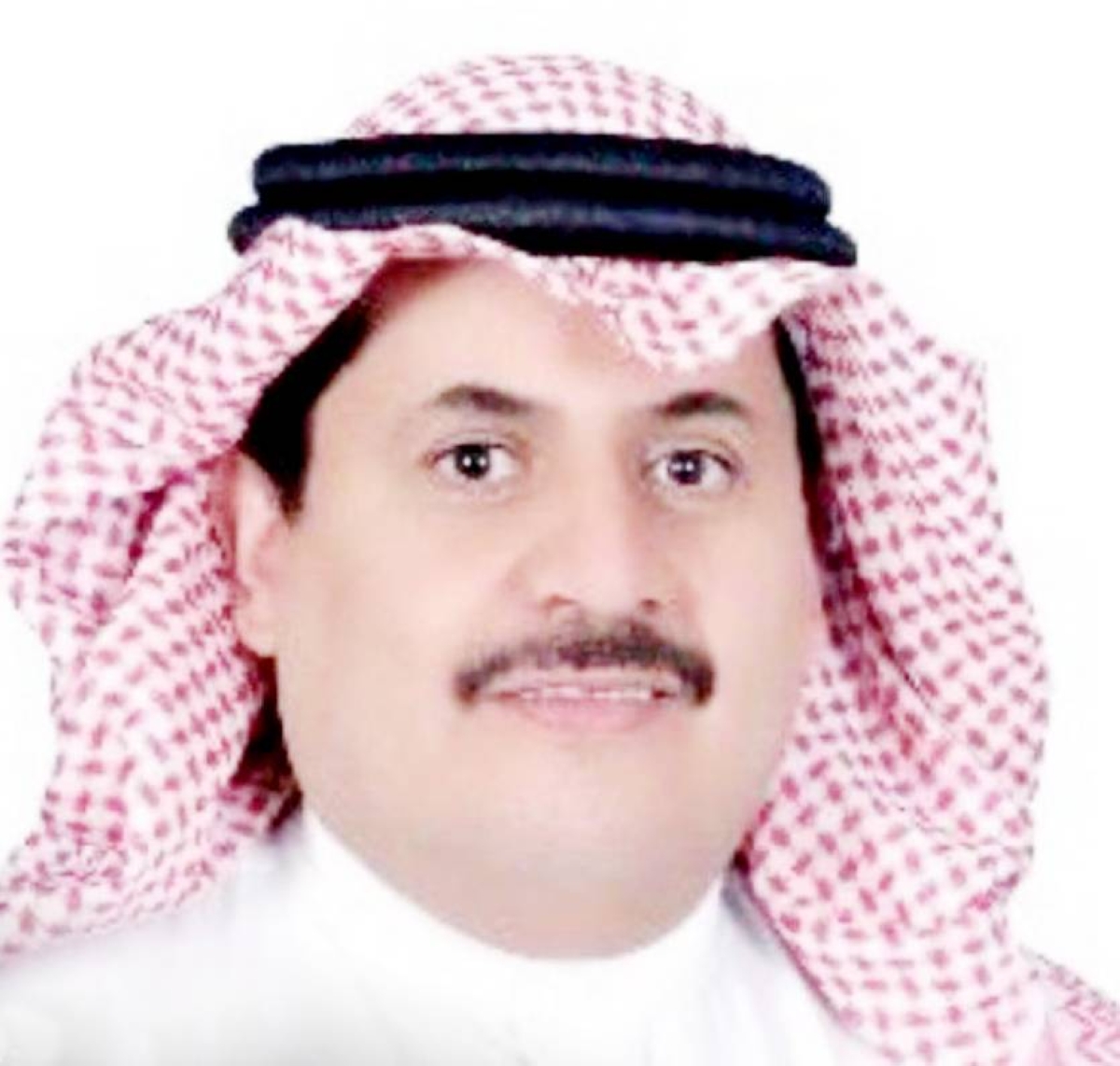
من جانبه، يرى مدير عام هيئة الزكاة والضريبة والجمارك بمنطقة عسير سابقاً، محمد العامر، أن حاجة سوق العمل عالمياً أصبحت واضحة ومعروفة في ظل التطور التقني والتكنولوجي، ومحلياً في ظل ما تحمله رؤية 2030 التي تهدف إلى تحويل المملكة إلى مجتمع حيوي، واقتصاد مزدهر، ووطن طموح، وتحويل سوق العمل السعودية إلى سوق أكثر حيوية وتنوعاً، من خلال التركيز على مجالات التقنية، والسياحة، والطاقة المتجددة، والرعاية الصحية، والصناعة المتقدمة.
وأضاف العامر: الملاحظ أن معظم الجامعات السعودية ما زالت تخطو حثيثاً في القبول بالتخصصات الجديدة مع بقاء تخصصات لم تعد مطلوبة في سوق العمل بجميع مستوياتها، رغم أنه من المفروض أن تصبح الجامعات رائدة في التحول والتحديث وتوجيه السواعد نحو الحاجة الفعلية، والأمل معقود في رؤساء الجامعات السعودية ومجالس الجامعات أن يكون التحول في البرامج والمناهج والتخصصات أولى أولوياتها، والتركيز على متطلبات سوق العمل والتحول القادم ومستجدات التحول بعد 7- 10 سنوات من الآن، وعدم التأخر.
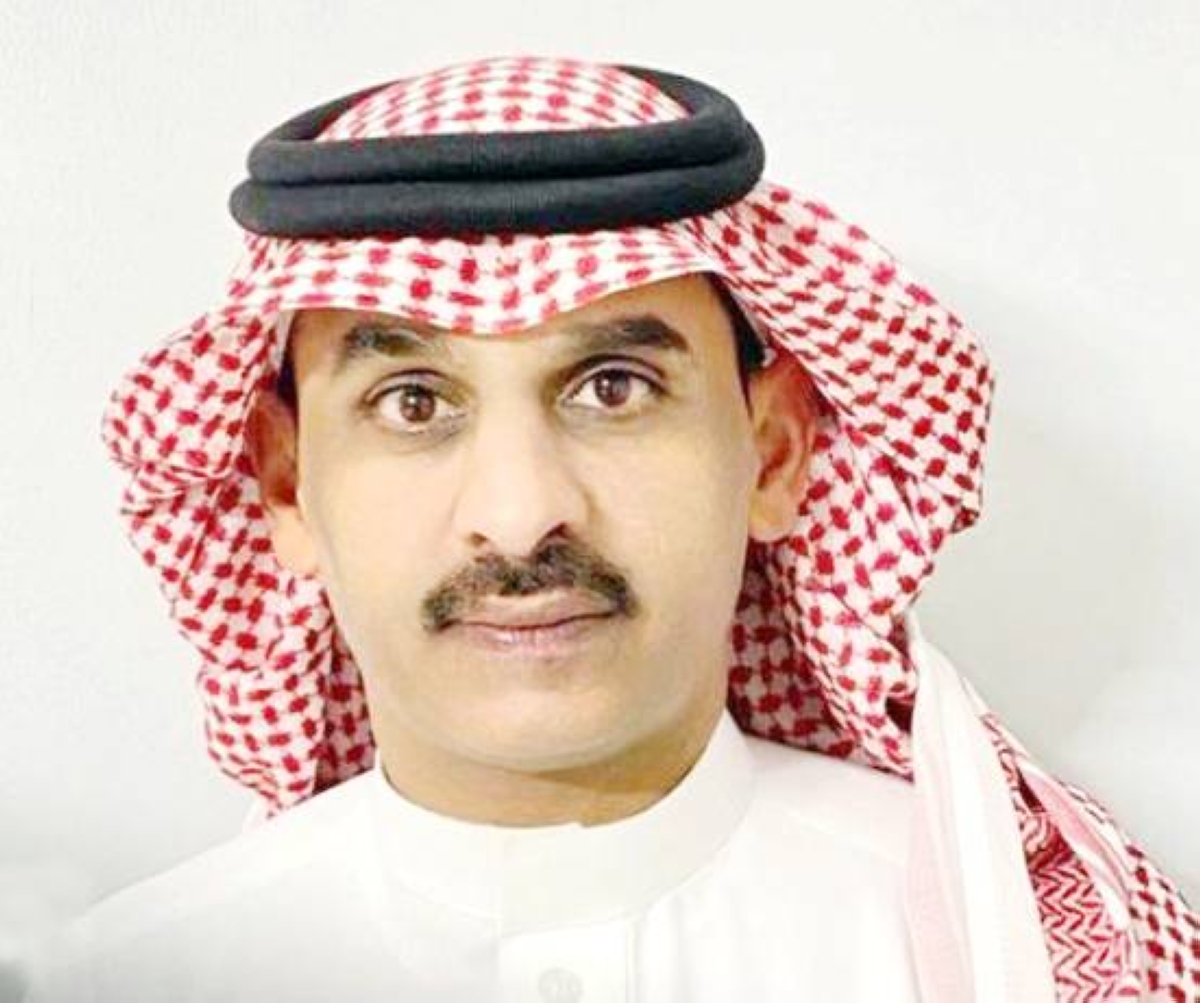
أما الإعلامي حسن عسيري فيرى أنه في ظل التحولات الاقتصادية المتسارعة التي تشهدها سوق العمل السعودية، لا تزال بعض الجامعات تُصر على تدريس تخصصات لم تعد تحظى بطلب وظيفي، ما ساهم في تراكم أعداد الخريجين، وتشمل هذه التخصصات أقسام الجغرافيا، والتاريخ، وعلم الاجتماع، وبعض فروع الأدب، واللغات وغيرها من التخصصات التي لا تواكب متطلبات السوق الحديثة.
وأضاف: رغم ما تبذله الدولة من جهود لربط التعليم بسوق العمل ضمن رؤية 2030، إلاّ أن الاستمرار في تخريج آلاف الطلاب من أقسام غير مطلوبة يؤدي إلى هدر الموارد، ويخلق فجوة واسعة بين مخرجات التعليم وحاجات السوق، إذ إن الخريجين غالباً ما يجدون أنفسهم أمام طريق مسدود. والمشكلة -في رأي عسيري- ليست في التخصصات بحد ذاتها، بل في غياب خطط تطويرها وربطها بسوق العمل، فمن الضروري إعادة هيكلة هذه البرامج، وتوجيه الطلاب منذ المرحلة الثانوية نحو تخصصات واعدة كالتقنية، والذكاء الاصطناعي، والطاقة المتجددة، والرعاية الصحية؛ لضمان مستقبل مهني مستقر ومواكب للتنمية الوطنية.
مجالس جامعات تحتاج إلى «تحديث» تقني وإعادة هيكلة
تخصصات جامعية ترفضها سوق العمل.. ما زالت قائمة !
26 أغسطس 2025 - 00:01
|
آخر تحديث 26 أغسطس 2025 - 00:01


تابع قناة عكاظ على الواتساب
خالد آل مريّح (أبها) Abowajan@
Media professionals and interested parties confirmed to "Okaz" that there are university specializations rejected by the job market, yet they still exist and continue to graduate students. They stated that university councils need a "technical" and technological "update," as the future need in many essential specializations has become clear and well-known.
Media advisor Mohammed Al-Dosari said: When looking at the reality of the specializations currently rejected by the job market, they still exist in some universities that graduate large numbers of students each year, despite the decline in job opportunities. It is necessary to close those departments and find solutions to such issues, at the very least reducing admissions in those specializations to the minimum and significantly limiting opportunities for postgraduate studies in them. In contrast, there should be the establishment of new specializations and complete colleges that teach modern technology and precise specializations in artificial intelligence, cybersecurity, information technology, and programming, alongside specializations in renewable energy, environmental engineering, digital transformation, and manufacturing technology, as these specializations are in demand by the job market and are foundational for the future of the nation.
Challenges of the Saudi Job Market
Al-Dosari emphasized the need for universities to move towards finding urgent solutions to face the challenges of the job market and meet the fierce competition, as well as the increasing number of graduates that make competition for jobs more intense. There is also a need to develop skills that have become essential to keep pace with changes and learn modern technologies that have made modern technology a significant requirement in the business sector at all its levels and specializations. He continued: There are university councils that are viewed primarily from a perspective that is concerned with them, far from the outcomes that end the university's relationship with the student upon graduation.
For his part, Mohammed Al-Amir, the former Director General of the Zakat, Tax, and Customs Authority in the Asir region, believes that the needs of the job market globally have become clear and well-known in light of technological advancements, and locally in light of what Vision 2030 aims to achieve in transforming the Kingdom into a vibrant society, a prosperous economy, and an ambitious nation, as well as transforming the Saudi job market into a more dynamic and diverse market by focusing on fields such as technology, tourism, renewable energy, healthcare, and advanced manufacturing.
Al-Amir added: It is noticeable that most Saudi universities are still making steady progress in accepting new specializations while retaining specializations that are no longer in demand in the job market at all levels. Although universities are supposed to be leaders in transformation and modernization, directing efforts towards actual needs, there is hope that the presidents of Saudi universities and university councils will prioritize the transformation of programs, curricula, and specializations, focusing on the requirements of the job market and the upcoming transformation and developments in the next 7-10 years, without delay.
Meanwhile, media professional Hassan Asiri believes that amid the rapid economic transformations witnessed by the Saudi job market, some universities still insist on teaching specializations that are no longer in demand, contributing to the accumulation of graduates. These specializations include departments of geography, history, sociology, and some branches of literature, languages, and other specializations that do not keep pace with modern market requirements.
He added: Despite the efforts made by the state to link education with the job market as part of Vision 2030, the continued graduation of thousands of students from non-demand departments leads to a waste of resources and creates a wide gap between educational outcomes and market needs, as graduates often find themselves facing a dead end. The problem, in Asiri's opinion, is not in the specializations themselves, but in the absence of development plans to link them with the job market. It is essential to restructure these programs and guide students from the secondary stage towards promising specializations such as technology, artificial intelligence, renewable energy, and healthcare to ensure a stable professional future that aligns with national development.
Media advisor Mohammed Al-Dosari said: When looking at the reality of the specializations currently rejected by the job market, they still exist in some universities that graduate large numbers of students each year, despite the decline in job opportunities. It is necessary to close those departments and find solutions to such issues, at the very least reducing admissions in those specializations to the minimum and significantly limiting opportunities for postgraduate studies in them. In contrast, there should be the establishment of new specializations and complete colleges that teach modern technology and precise specializations in artificial intelligence, cybersecurity, information technology, and programming, alongside specializations in renewable energy, environmental engineering, digital transformation, and manufacturing technology, as these specializations are in demand by the job market and are foundational for the future of the nation.
Challenges of the Saudi Job Market
Al-Dosari emphasized the need for universities to move towards finding urgent solutions to face the challenges of the job market and meet the fierce competition, as well as the increasing number of graduates that make competition for jobs more intense. There is also a need to develop skills that have become essential to keep pace with changes and learn modern technologies that have made modern technology a significant requirement in the business sector at all its levels and specializations. He continued: There are university councils that are viewed primarily from a perspective that is concerned with them, far from the outcomes that end the university's relationship with the student upon graduation.
For his part, Mohammed Al-Amir, the former Director General of the Zakat, Tax, and Customs Authority in the Asir region, believes that the needs of the job market globally have become clear and well-known in light of technological advancements, and locally in light of what Vision 2030 aims to achieve in transforming the Kingdom into a vibrant society, a prosperous economy, and an ambitious nation, as well as transforming the Saudi job market into a more dynamic and diverse market by focusing on fields such as technology, tourism, renewable energy, healthcare, and advanced manufacturing.
Al-Amir added: It is noticeable that most Saudi universities are still making steady progress in accepting new specializations while retaining specializations that are no longer in demand in the job market at all levels. Although universities are supposed to be leaders in transformation and modernization, directing efforts towards actual needs, there is hope that the presidents of Saudi universities and university councils will prioritize the transformation of programs, curricula, and specializations, focusing on the requirements of the job market and the upcoming transformation and developments in the next 7-10 years, without delay.
Meanwhile, media professional Hassan Asiri believes that amid the rapid economic transformations witnessed by the Saudi job market, some universities still insist on teaching specializations that are no longer in demand, contributing to the accumulation of graduates. These specializations include departments of geography, history, sociology, and some branches of literature, languages, and other specializations that do not keep pace with modern market requirements.
He added: Despite the efforts made by the state to link education with the job market as part of Vision 2030, the continued graduation of thousands of students from non-demand departments leads to a waste of resources and creates a wide gap between educational outcomes and market needs, as graduates often find themselves facing a dead end. The problem, in Asiri's opinion, is not in the specializations themselves, but in the absence of development plans to link them with the job market. It is essential to restructure these programs and guide students from the secondary stage towards promising specializations such as technology, artificial intelligence, renewable energy, and healthcare to ensure a stable professional future that aligns with national development.


