


45 دقيقة كانت كافية ليلفظ الطبيبان عبدالعزيز إدريس وزوجته الطبيبة أسماء أحمد، أنفاسهما داخل مركبتهما خلال انتظارهما طلب وجبة طعام أمام أحد مطاعم الرياض. حادثة الطبيب وزوجته، لم تكن الأولى ضمن حوادث الاختناق بأول أكسيد الكربون، إذ سجلت حوادث عدة سابقة في دول مختلفة لم يشعر خلالها المتوفون بتسلل القاتل الصامت إلى أجسادهم، وتسبّبه في انخفاض مستويات الأكسجين وارتفاع ثاني أكسيد الكربون تدريجيّاً ليلفظوا أنفاسهم اختناقاً. وكان الزوجان استغلا وقت فراغهما بين المناوبات لقضاء يوم في العاصمة الرياض، قادمين من شقراء، وأثناء توقفهما بانتظار تجهيز الطلب داخل السيارة، وقعت الحادثة المأساوية التي أودت بحياتهما، وذلك نتيجة تسرّب غاز من مكيف الهواء داخل السيارة، ما أدى إلى تراكم الغازات السامة واختناقهما دون ظهور أعراض إنذار مسبق، الأمر الذي أودى بحياتهما على الفور. ويحذّر خبراء السيارات من تفعيل خاصية تدوير الهواء الداخلي في المركبة لفترة طويلة فهو السبب المباشر للاختناق.
فقدان وعي دون سابق إنذار
خبير السيارات ماجد العدواني أشار لـ«عكاظ»، إلى أن خاصية تدوير الهواء الداخلي للمركبات تمنع دخول الهواء النقي من الخارج، وتعيد تدوير الهواء داخل المقصورة، ما يؤدي إلى انخفاض مستويات الأكسجين وارتفاع ثاني أكسيد الكربون تدريجيّاً.
وهذه الخاصية تعمل لأكثر من 20 دقيقة، خصوصاً في حالة وجود أكثر من راكب داخل السيارة، إذ ترتفع مستويات ثاني أكسيد الكربون بسرعة وتؤدي إلى فقدان الوعي دون سابق إنذار.
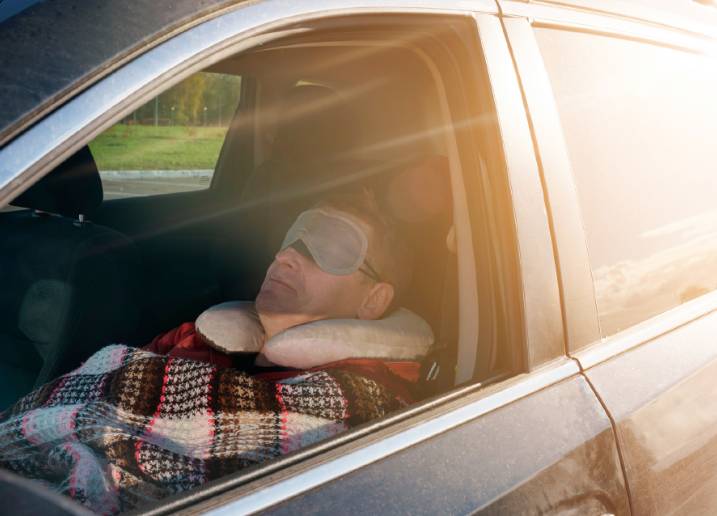
ونبّه العدواني من خطورة التعرض لغاز أول أكسيد الكربون، فهو غاز عديم اللون والرائحة يمكن أن يتسرب من نظام العادم إلى داخل السيارة، خصوصاً عند تشغيل المحرك في أماكن مغلقة أو أثناء النوم داخل المركبة، ومن الممكن أن يؤدي إلى الوفاة خلال أقل من ساعة إذا تم استنشاقه بكميات كبيرة. مشدداً على ضرورة فحص نظام العادم بانتظام وتجنب النوم داخل السيارة مع تشغيل المحرك والمكيف والنوافذ مغلقة وفي أماكن مغلقة، وإذا لم تكن الوظائف الميكانيكية للسيارة على المستوى المطلوب، فإن احتمالية تسرُّب عادم السيارة إلى داخل السيارة أثناء النوم يمكن أن تزيد من خطر الاختناق لأنه سيقلل من مستوى الأكسجين في السيارة.
لا لون.. لا رائحة.. لا طعم
استشاري وأستاذ أمراض القلب وقسطرة الشرايين الدكتور خالد النمر، يرى أن السبب الأول للوفاة داخل المركبة لشخصين معاً هو التسمم بغاز أول أكسيد الكربون؛ الذي يدخل من الشقوق بسبب صدأ أو تآكل في نظام تصريف عادم السيارة مع فتحات التكييف خصوصاً السيارات القديمة، والمشكلة الكبرى أن هذا الغاز لا لون له ولا طعم ولا رائحه ولا يمكن الانتباه له.
وبين الدكتور النمر أن غازات التبريد المستخدمة في تكييف السيارات مثل R134a أو R1234yf لا تُعتبر، عادةً، سامة بدرجة كافية لتسبب الوفاة في الظروف العادية، وهي مصممة لتكون آمنة نسبياً عند استخدامها في أنظمة التكييف المغلقة حتى لو كان مع إعادة تدوير الهواء إلا إذا كان مصحوباً باحتراق وذلك الاحتمال مستبعد في هذه الحالة.
وقدّم النمر تعليمات سلامة وأمان بعدم تشغيل المحرك في مكان مغلق (حتى لو دقيقة)، وإذا توقف السائق لفترة طويلة والمكيف يعمل عليه فتح النوافذ قليلاً، وعليه فحص نظام العادم سنوياً، خصوصاً في السيارات القديمة، وعدم النوم داخل السيارة والمحرك يعمل، ومن النصائح تركيب كاشف غاز أول أكسيد الكربون صغير يعمل بالبطارية داخل السيارة، مشدداً أنه في حال الشعور بالدوار أو الغثيان أو الصداع أثناء الجلوس في السيارة يجب الخروج فوراً الى الهواء الطلق.
وأضاف النمر: تسمم غاز أول أكسيد الكربون من الممكن أن يسبب الوفاة في شخص أو أشخاص (مستيقظين) داخل سيارة أو غرفة لأسباب عدة؛ أولاً كونه ليس له لون ولا طعم ولا رائحة، وكونه يرتبط مع الدم بسرعه أسرع من الأكسجين بـ200 إلى 400 مرة فلا وجه للمقارنة بينهما، وقال: أخطر شيء فيه أنه (مخادع)؛ لأن أعراضه قد تكون خفيفة تعب قليل أو «إرهاق عادي» يمكن يحدث من حرارة الصيف، والضربة القاضية فيه أنه يتوجه للدماغ مباشرةً فيؤثر على قدرة الضحية في اتخاذ القرار السليم؛ إذ لا يعلم أنه مسمم ولا يستطيع اتخاذ القرار بالهروب من الموقع ولا تنفيذ ذلك القرار ويستسلم للموت.
45 دقيقة تكفي للوفاة اختناقاً
طبيب الطوارئ الدكتور عبدالله عمسيب قال: إن غلق السيارة في مساحات مغلقة ولفترات طويلة، قد يؤدي إلى تعرض من بداخلها لنسب غازات بجرعات عالية، موضحاً أن أول أكسيد الكربون من الغازات عديمة الرائحة واللون ويصعب اكتشافها.
وخلال 45- 60 دقيقة يشعر الشخص داخل السيارة بأعراض الاختناق، موضحاً أن الأعراض تبدأ بصداع وإعياء. وحذّر من الجلوس داخل السيارات المغلقة مع تشغيل التكييف لفترات طويلة تتخطى 45- 60 دقيقة.
وأوضح أن علامات وأعراض التسمم بأول أكسيد الكربون تشمل الصداع، والغثيان، والدوار، والتقيؤ، وألم الصدر، وصعوبة التنفس، والارتباك، والنوبات، والغيبوبة، مضيفاً أنه كلما تم استنشاق الغاز لفترة أطول، كانت الأعراض أكثر شدة، وقد يحدث فقدان للوعي لفترة وجيزة إذا كان هناك الكثير من أول أكسيد الكربون في الهواء.
ليست في السيارات وحدها
كشف خبير الأدلة الجنائية العميد متقاعد صالح بن زويد الغامدي، أن الاختناق بالغازات السامة، وفي مقدمتها أول أوكسيد الكربون، من حالات الاختناق الشائعة، التي تحدث بسبب جهل الأفراد بخطورة تلك الغازات عديمة الرائحة واللون، وهو ما يستدعي معرفة السلوكيات السليمة، وتجنب بعض العادات الخطيرة، التي ينجم عنها حوادث مؤسفة تصل لحد الوفاة، مضيفاً أن حالات الاختناق الشائعة لا تقتصر فقط على المركبات، بل تتعداها إلى البيوت من استخدام الفحم والحطب للتدفئة.
بعد رحيل الطبيبين عبدالعزيز وأسماء اختناقاً في سيارتهما
قاتل بلا لون أو رائحة!
15 أغسطس 2025 - 02:31
|
آخر تحديث 15 أغسطس 2025 - 02:31


تابع قناة عكاظ على الواتساب
إبراهيم العلوي (جدة) @i_waleeed22
45 minutes was enough for the two doctors, Abdulaziz Idris and his wife, Dr. Asma Ahmed, to breathe their last inside their vehicle while waiting for a food order in front of a restaurant in Riyadh. The incident involving the doctor and his wife was not the first among carbon monoxide poisoning cases, as several previous incidents have been recorded in different countries where the victims did not feel the silent killer infiltrating their bodies, leading to a gradual decrease in oxygen levels and an increase in carbon dioxide, causing them to suffocate. The couple had taken advantage of their free time between shifts to spend a day in the capital, Riyadh, coming from Shuqra. While they were stopped waiting for their order to be prepared inside the car, the tragic incident occurred that claimed their lives due to gas leakage from the air conditioning system inside the vehicle, which led to the accumulation of toxic gases and their suffocation without any warning symptoms, resulting in their immediate death. Automotive experts warn against activating the internal air recirculation feature in the vehicle for extended periods, as it is the direct cause of suffocation.
Loss of consciousness without warning
Automotive expert Majid Al-Adwani pointed out to "Okaz" that the internal air recirculation feature in vehicles prevents fresh air from entering from outside and recirculates the air inside the cabin, leading to a gradual decrease in oxygen levels and an increase in carbon dioxide.
This feature operates for more than 20 minutes, especially when there are multiple passengers inside the vehicle, as carbon dioxide levels rise quickly, leading to loss of consciousness without prior warning.
Al-Adwani warned of the dangers of exposure to carbon monoxide gas, which is colorless and odorless and can leak from the exhaust system into the vehicle, especially when the engine is running in enclosed spaces or while sleeping inside the vehicle. It can lead to death in less than an hour if inhaled in large quantities. He emphasized the necessity of regularly checking the exhaust system and avoiding sleeping inside the car with the engine and air conditioning running, with the windows closed and in enclosed spaces. If the mechanical functions of the car are not at the required level, the likelihood of exhaust leaking into the vehicle while sleeping can increase the risk of suffocation as it will reduce the oxygen level inside the car.
No color.. No odor.. No taste
Consultant and Professor of Cardiology and Catheterization Dr. Khalid Al-Nimr believes that the primary cause of death inside a vehicle for two people together is carbon monoxide poisoning, which enters through cracks due to rust or corrosion in the car's exhaust system, especially in older vehicles. The major problem is that this gas is colorless, tasteless, and odorless, making it undetectable.
Dr. Al-Nimr explained that the refrigerants used in car air conditioning, such as R134a or R1234yf, are generally not considered toxic enough to cause death under normal conditions. They are designed to be relatively safe when used in closed air conditioning systems, even with air recirculation, unless accompanied by combustion, which is unlikely in this case.
He provided safety instructions, advising not to run the engine in an enclosed space (even for a minute), and if the driver stops for a long time with the air conditioning running, to slightly open the windows. He also recommended checking the exhaust system annually, especially in older cars, and not sleeping inside the vehicle with the engine running. Among his tips is to install a small battery-operated carbon monoxide detector inside the car, emphasizing that if one feels dizzy, nauseous, or has a headache while sitting in the car, they should immediately go outside for fresh air.
Dr. Al-Nimr added: Carbon monoxide poisoning can cause death in one or more (conscious) individuals inside a car or room for several reasons; first, because it has no color, taste, or odor, and because it binds with blood 200 to 400 times faster than oxygen, making comparison impossible. He said: The most dangerous aspect is that it is "deceptive"; because its symptoms may be mild, such as slight fatigue or "normal exhaustion" that can occur from summer heat, and the fatal blow is that it goes directly to the brain, affecting the victim's ability to make sound decisions; they do not realize they are poisoned and cannot decide to escape the situation or execute that decision, succumbing to death.
45 minutes is enough to die from suffocation
Emergency physician Dr. Abdullah Amseib said that closing the car in enclosed spaces for long periods can expose those inside to high doses of gases, explaining that carbon monoxide is a colorless and odorless gas that is difficult to detect.
Within 45 to 60 minutes, a person inside the car will feel symptoms of suffocation, starting with headaches and fatigue. He warned against sitting inside closed cars with the air conditioning running for periods exceeding 45 to 60 minutes.
He explained that the signs and symptoms of carbon monoxide poisoning include headaches, nausea, dizziness, vomiting, chest pain, difficulty breathing, confusion, seizures, and coma, adding that the longer the gas is inhaled, the more severe the symptoms become, and loss of consciousness may occur briefly if there is a lot of carbon monoxide in the air.
Not just in cars
Retired forensic expert Colonel Saleh bin Zwaid Al-Ghamdi revealed that suffocation from toxic gases, primarily carbon monoxide, is a common suffocation case that occurs due to individuals' ignorance of the dangers of these colorless and odorless gases. This necessitates awareness of safe behaviors and avoiding certain dangerous habits that can lead to unfortunate accidents resulting in death. He added that common suffocation cases are not limited to vehicles but extend to homes due to the use of coal and firewood for heating.
Loss of consciousness without warning
Automotive expert Majid Al-Adwani pointed out to "Okaz" that the internal air recirculation feature in vehicles prevents fresh air from entering from outside and recirculates the air inside the cabin, leading to a gradual decrease in oxygen levels and an increase in carbon dioxide.
This feature operates for more than 20 minutes, especially when there are multiple passengers inside the vehicle, as carbon dioxide levels rise quickly, leading to loss of consciousness without prior warning.
Al-Adwani warned of the dangers of exposure to carbon monoxide gas, which is colorless and odorless and can leak from the exhaust system into the vehicle, especially when the engine is running in enclosed spaces or while sleeping inside the vehicle. It can lead to death in less than an hour if inhaled in large quantities. He emphasized the necessity of regularly checking the exhaust system and avoiding sleeping inside the car with the engine and air conditioning running, with the windows closed and in enclosed spaces. If the mechanical functions of the car are not at the required level, the likelihood of exhaust leaking into the vehicle while sleeping can increase the risk of suffocation as it will reduce the oxygen level inside the car.
No color.. No odor.. No taste
Consultant and Professor of Cardiology and Catheterization Dr. Khalid Al-Nimr believes that the primary cause of death inside a vehicle for two people together is carbon monoxide poisoning, which enters through cracks due to rust or corrosion in the car's exhaust system, especially in older vehicles. The major problem is that this gas is colorless, tasteless, and odorless, making it undetectable.
Dr. Al-Nimr explained that the refrigerants used in car air conditioning, such as R134a or R1234yf, are generally not considered toxic enough to cause death under normal conditions. They are designed to be relatively safe when used in closed air conditioning systems, even with air recirculation, unless accompanied by combustion, which is unlikely in this case.
He provided safety instructions, advising not to run the engine in an enclosed space (even for a minute), and if the driver stops for a long time with the air conditioning running, to slightly open the windows. He also recommended checking the exhaust system annually, especially in older cars, and not sleeping inside the vehicle with the engine running. Among his tips is to install a small battery-operated carbon monoxide detector inside the car, emphasizing that if one feels dizzy, nauseous, or has a headache while sitting in the car, they should immediately go outside for fresh air.
Dr. Al-Nimr added: Carbon monoxide poisoning can cause death in one or more (conscious) individuals inside a car or room for several reasons; first, because it has no color, taste, or odor, and because it binds with blood 200 to 400 times faster than oxygen, making comparison impossible. He said: The most dangerous aspect is that it is "deceptive"; because its symptoms may be mild, such as slight fatigue or "normal exhaustion" that can occur from summer heat, and the fatal blow is that it goes directly to the brain, affecting the victim's ability to make sound decisions; they do not realize they are poisoned and cannot decide to escape the situation or execute that decision, succumbing to death.
45 minutes is enough to die from suffocation
Emergency physician Dr. Abdullah Amseib said that closing the car in enclosed spaces for long periods can expose those inside to high doses of gases, explaining that carbon monoxide is a colorless and odorless gas that is difficult to detect.
Within 45 to 60 minutes, a person inside the car will feel symptoms of suffocation, starting with headaches and fatigue. He warned against sitting inside closed cars with the air conditioning running for periods exceeding 45 to 60 minutes.
He explained that the signs and symptoms of carbon monoxide poisoning include headaches, nausea, dizziness, vomiting, chest pain, difficulty breathing, confusion, seizures, and coma, adding that the longer the gas is inhaled, the more severe the symptoms become, and loss of consciousness may occur briefly if there is a lot of carbon monoxide in the air.
Not just in cars
Retired forensic expert Colonel Saleh bin Zwaid Al-Ghamdi revealed that suffocation from toxic gases, primarily carbon monoxide, is a common suffocation case that occurs due to individuals' ignorance of the dangers of these colorless and odorless gases. This necessitates awareness of safe behaviors and avoiding certain dangerous habits that can lead to unfortunate accidents resulting in death. He added that common suffocation cases are not limited to vehicles but extend to homes due to the use of coal and firewood for heating.


