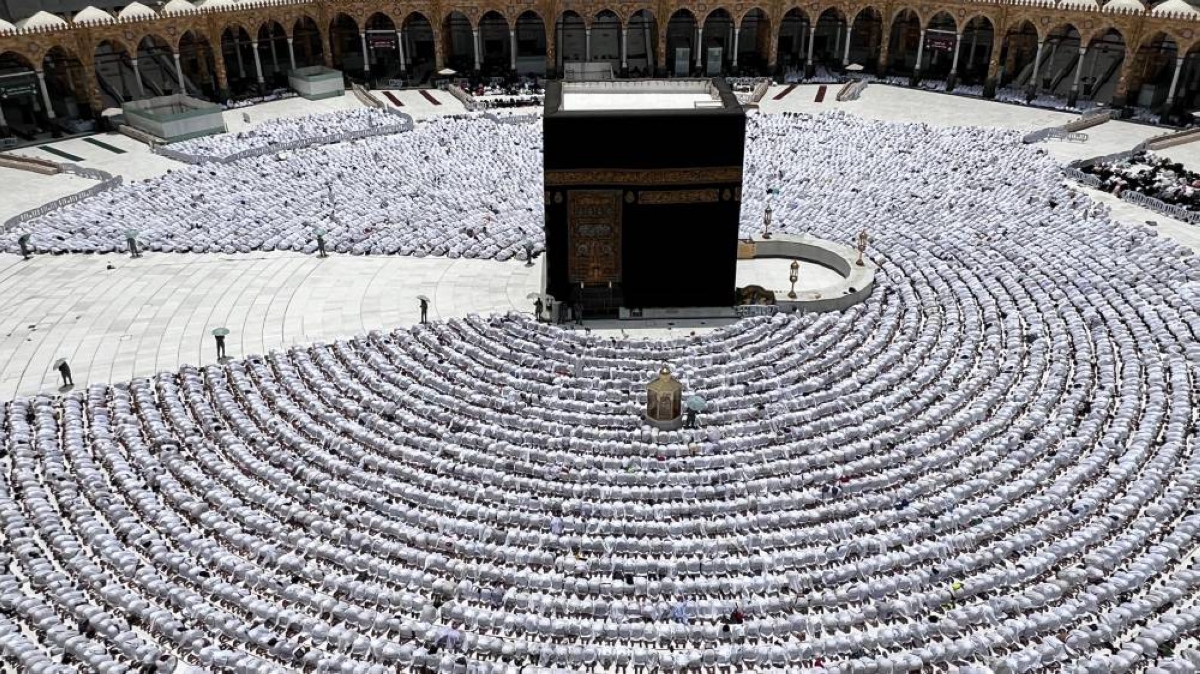
أوصى إمام وخطيب المسجد الحرام الشيخ الدكتور أسامة بن عبدالله خياط، المسلمين بتقوى الله فإن التقوى سبيل الإيقاظ، ونهج أولي النهى، وطريق أولي الأبصار، فيها الأمن من العثار، والفوز بالجنة والنجاة من النار.
وقال في خطبة الجمعة التي ألقاها اليوم في المسجد الحرام: «آية من كتاب الله تعالى اشتملت على جميع مصالح العباد في معاشهم ومعادهم، وفيما بينهم وبين ربهم، فهي جديرة بإدامة النظر في معانيها، وفهم مراميها، وكمال الحرص على العمل بما جاء فيها، إنها قوله -عز اسمه-: (وَتَعَاوَنُواْ عَلَى الْبَرِّ وَالتَّقْوَى وَلَا تَعَاوَنُواْ عَلَى الْإِثْمِ وَالْعُدْوَانِ وَاتَّقُوا اللهَ إِنَّ اللَّهَ شَدِيدُ الْعِقَابِ)».
وأضاف الشيخ أسامة أن من الواجب الذي بين العبد وبين الخلق من المعاشرة والمعاونة والصحبة، أن يكون اجتماعه بهم، وصحبته لهم، تعاونًا على مرضاة الله وطاعته، التي هي غاية سعادة العبد وفلاحه، ولا سعادة له إلا بها، وهي البر والتقوى اللذان هما جماع الدين كله.
وأوضح أن حقيقة البر هو الكمال المطلوب من الشيء، والمنافع التي فيه والخير، فالبر كلمة جامعة لجميع أنواع الخير والكمال المطلوب من العبد، وفي مقابله الإثم: وهي كلمة جامعة للشرور والعيب الذي يذم العبد عليها.
وأكّد الشيخ خياط أن الله سبحانه أخبر أن البر هو: الإيمان بالله وبملائكته وكتبه ورسوله واليوم الآخر، وهذه هي أصول الإيمان الخمسة التي لا قيام للإيمان إلا بها، وأنه الشرائع الظاهرة من إقامة الصلاة وإيتاء الزكاة والنفقات الواجبة، وأنه الأعمال القلبية التي هي حقائقه من الصبر والوفاء بالعهد، فتناولت هذه الخصال جميع أقسام الدين، ثم أخبر سبحانه أنها هي خصال التقوى بعينها.
وبين الشيخ أسامة خياط أن حقيقة التقوى العمل بطاعة الله إيمانًا واحتسابًا، أمرًا ونهيًا، يحمل العبد على أن يفعل ما أمر الله به، إيمانًا بالأمر، وتصديقًا بوعده، ويترك ما نهى الله عنه، إيمانًا بالنهي، وخوفًا من وعيده.
وشدد على أن من أظهر المعينات للتعاون على البر والتقوى تربية النفس وتعويدها على هذا الخلق، لاسيما في مراحل النشأة الأولى داخل الأسرة، بأن ينشأ أفرادها على أساس متين من التعاون على الخير فيما بينهم، ويبين لهم ضرورته ولزومه، وجميل آثاره، وحسن العاقبة فيه، ثم تتسع الدائرة لتعم ذوي القربى والجيران، ببذل الحقوق، وأداء الواجبات المفروضة، من صلة وإحسان، وتآزر وتراحم، تمتد حلقاته فتشمل المجتمع المسلم كله.
من جانبه، تحدث إمام وخطيب المسجد النبوي الشيخ الدكتور عبدالباري بن عواض الثبيتي، عن سورة قريش وما تحمله من معانٍ عظيمة، وأنها من السور القصيرة في مبناها، العميقة في معناها، والتي تشرق على القلوب بندائها الخالد ووقعها العميق في النفس والروح.
وأوضح في خطبة الجمعة التي ألقاها اليوم في المسجد النبوي، أن آيات هذه السورة تلهم القلب، وتفتح بصيرته على معنيين عظيمين، رزق الطعام بعد الجوع، ومنح الأمان بعد الخوف، وهما بلا شك دعامتان أساسيتان للحياة الكريمة، فمن ظفر بهما فقد حاز من الدنيا كنزين لا يُقدّران بثمن.
وقال: «إن نعمة الطعام في زمن الجوع ليست مجرد غذاء، بل هو حياة توهب، ورغيف يقيم صلبًا، وقطرة ماء تنعش روحًا، ودفء يكسو برد الحاجة، وكرامة ترمم كسور الفقر، أما حين يحرم الإنسان من ذلك فلا تجوع معدته، بل تجوع كرامته، وتذبل إنسانيته».
وأضاف الشيخ الثبيتي: «إن نعمة الأمن من الخوف هي السكينة التي تغمر الحياة، وطمأنينة الليل التي تهنأ معها النفس، وراحة الأطفال في أحضان الأمهات، والشعور بأن الغد قادم لا يحمل الرعب يبيت المرء فلا خوف يزعجه، ويصحو فلاهم يزعجه، قال تعالى: (وَآمَنَهُم مِّنْ خَوْفٍ)».
وأكّد إمام وخطيب المسجد النبوي أن نعمة الأمان من أعظم النعم التي لا يشعر الإنسان بقيمتها ما دامت حاضرة في حياته، ولا يدرك قدرها إلا إذا افتقدها، أو رأى غيره يعيش في فقدانها، فعندما يعمّ الخوف أرضًا، يُسلب الناس راحة النوم، وتفقد الطمأنينة، ويصبح النهار جحيمًا، والليل كابوسًا مستمرًا، مشيرًا إلى أن سر السعادة الحقيقي، ومصدر الهناء الدائم، وراحة البال، وأجل ما يرزق به الإنسان من النعم لفتة النبي -صلى الله عليه وسلم- في قوله البليغ: (من أصبح منكم آمنا في سربه، مُعافى في جسده عنده قوت يومه، فَكَأَنَّما حيزت له الدنيا) رواه الترمذي وابن ماجه.
وأفاد أن المراد بقوله تعالى: (فَلْيَعْبُدُوا رَبَّ هَٰذَا الْبَيْتِ الَّذِي أَطْعَمَهُم مِّن جُوعٍ وَآمَنَهُم مِّنْ خَوْفٍ)، هي دعوة رقيقة وحازمة، للتوجه بالعبادة والخضوع لله وحده، الذي لا تأتي النعم إلا من خزائنه، ولا يرفع الخوف إلا برحمته، مبينًا أن الله تعالى، هو وحده من أطعم قريشًا بعد جوع، وساق إليهم الرزق من كل صوب، وهو الذي آمنهم بعد خوف، وهيأ لهم أسباب الأمان والاستقرار، وحصنهم بحرمة البيت الحرام.
وأشار الدكتور الثبيتي إلى أن الجزيرة العربية قبل الإسلام كانت تعيش في الفقر الشديد، ويعمّها الخوف الدائم، حيث تقلبت حياتهم بين الحاجة والحرمان، وتحاصرهم الغارات وترهبهم الصراعات، وحين جاء الإسلام، تبدلت أحوالهم من شتات إلى وحدة، ومن جوع إلى وفرة، ومن خوف إلى أمن، ومن جزيرة منسية إلى أمة أقامت حضارةً امتد نورها شرقًا وغربًا، وأن هذا التحول العظيم لم يكن إلا بفضل الله تعالى، وهدايته، ونعمته التي نزلت عليهم من حيث لا يحتسبون، ومن هنا، جاء نداء السورة واضحًا، اعبدوا رب هذا البيت، فهو وحده الذي أطعم، وآمن، وأكرم، وهدى.
وأكّد، أن من تمام شكر النعمة أن تُطاع لا أن تُنسى، وأن يُصان الفضل لا أن يغفل، فالشكر الحقيقي لا يختزل في كلمات تقال، بل يبدأ من إقرار في القلب، ويتجلى في نطق صادق باللسان، ويُترجم إلى عمل صالح بالجوارح، فهو صاحب الفضل سبحانه.
وتابع إمام وخطيب المسجد النبوي قائلًا: «لايسعنا إلا أن نستحضر بقلوب دامعة حال أهلنا في فلسطين، وحال أمة تختنق بالوجع، شحّ الغذاء، وغاب الأمان، والمشهد ازداد ضيقًا حتى خنق الأنفاس، فالجوع بلغ أقصى مداه، وسلّ سيفه على رقاب وهنت من الألم، وذبلت أجسادها، وجفت حلوقها من الظمأ والحرمان، وفي مقابل هذا الألم، تتحرك القلوب الحية، والنفوس التي لا تزال تعرف معنى العطاء، عبر القنوات الرسمية الموثوقة، فتُمدّ الأيادي الصادقة بالطعام، والدواء، والماء، نصرةً لمن أنهكهم الجوع، ورفقًا بمن سلبوا أدنى مقومات الحياة، فهي لحظة يمتحن فيها الصدق، وتختبر فيها النوايا، فليكن لنا فيها سهم».
وأكّد الثبيتي أنه لايخفى على أحد ما تقوم به قيادة هذه البلاد المباركة من دور فاعل ومواقف مشرفة، في نصرة القضية الفلسطينية من خلال دعمها وحضورها المؤثر في المحافل الدولية، ومبادرتها المتواصلة، في المؤتمرات الإقليمية والعالمية، دفاعًا عن الحقوق المشروعة للشعب الفلسطيني، ودعمًا لصموده، وعدالة قضيته.
The Imam and preacher of the Grand Mosque, Sheikh Dr. Osama bin Abdullah Al-Khayyat, advised Muslims to fear Allah, for piety is the path to awakening, the way of the wise, and the road of the insightful. In it lies safety from stumbling, success in Paradise, and salvation from the Fire.
In his Friday sermon delivered today at the Grand Mosque, he said: "A verse from the Book of Allah Almighty encompasses all the interests of the servants in their worldly and spiritual affairs, and in their relationship with their Lord. It is worthy of continuous reflection on its meanings, understanding its objectives, and a complete commitment to acting upon what it contains. It is His saying - exalted is His name -: (And cooperate in righteousness and piety, but do not cooperate in sin and aggression. And fear Allah; indeed, Allah is severe in punishment).”
Sheikh Osama added that it is the duty of the servant towards others in companionship, assistance, and friendship that their gatherings and companionship should be a cooperation for the pleasure of Allah and obedience to Him, which is the ultimate happiness and success of the servant. There is no happiness for him except through it, and it is the righteousness and piety that encompass the entirety of the religion.
He explained that the essence of righteousness is the perfection required from a thing, and the benefits and goodness it contains. Righteousness is a comprehensive term for all types of goodness and the perfection required from the servant, while its opposite is sin, which is a comprehensive term for evils and the faults for which the servant is criticized.
Sheikh Al-Khayyat emphasized that Allah, the Exalted, informed that righteousness is: belief in Allah, His angels, His Books, His messengers, and the Last Day. These are the five pillars of faith upon which faith cannot stand without them. It includes the apparent laws of establishing prayer, giving zakat, and fulfilling obligatory expenditures. It also encompasses the heartfelt actions that are its realities, such as patience and fulfilling promises. These qualities encompass all aspects of religion, and then Allah informed that they are indeed the very qualities of piety.
Sheikh Osama Al-Khayyat clarified that the essence of piety is acting in obedience to Allah with faith and seeking reward, both in commands and prohibitions, which leads the servant to do what Allah has commanded, believing in the command and affirming His promise, and to refrain from what Allah has prohibited, believing in the prohibition and fearing His warning.
He stressed that one of the most evident aids for cooperation in righteousness and piety is the upbringing of the soul and training it on this character, especially in the early stages of growth within the family, so that its members are raised on a solid foundation of cooperation for good among themselves, clarifying its necessity and importance, its beautiful effects, and the good outcome it brings. Then the circle expands to include relatives and neighbors, by fulfilling rights and performing obligatory duties, through connection, kindness, support, and compassion, extending its links to encompass the entire Muslim community.
For his part, the Imam and preacher of the Prophet's Mosque, Sheikh Dr. Abdul Bari bin Awad Al-Thubaiti, spoke about Surah Al-Quraysh and the great meanings it carries, noting that it is one of the short surahs in structure but profound in meaning, which shines upon hearts with its eternal call and deep impact on the soul and spirit.
In his Friday sermon delivered today at the Prophet's Mosque, he explained that the verses of this surah inspire the heart and open its insight to two great meanings: the provision of food after hunger and the granting of safety after fear, which are undoubtedly two fundamental pillars for a dignified life. Whoever attains them has indeed acquired two treasures in this world that cannot be valued.
He said: "The blessing of food in times of hunger is not merely sustenance; it is a life granted, a loaf that sustains the body, a drop of water that revives a spirit, warmth that covers the cold of need, and dignity that mends the fractures of poverty. When a person is deprived of that, it is not just their stomach that goes hungry, but their dignity, and their humanity withers away."
Sheikh Al-Thubaiti added: "The blessing of safety from fear is the tranquility that envelops life, the peace of the night that comforts the soul, the comfort of children in their mothers' arms, and the feeling that tomorrow comes without fear. A person sleeps without worry disturbing them and wakes up without concern troubling them, as Allah, the Exalted, said: (And He made them safe from fear).”
The Imam and preacher of the Prophet's Mosque affirmed that the blessing of safety is one of the greatest blessings, which a person does not realize the value of as long as it is present in their life, and its significance is only understood when it is lost or when one sees others living without it. When fear prevails over a land, people are deprived of the comfort of sleep, tranquility is lost, and the day becomes hell while the night is a continuous nightmare. He pointed out that the secret to true happiness, the source of lasting joy, and peace of mind, and the greatest blessing a person can receive is the Prophet's - peace be upon him - eloquent statement: (Whoever among you wakes up safe in their home, healthy in their body, and has the provision for their day, it is as if the world has been gathered for them) narrated by Al-Tirmidhi and Ibn Majah.
He indicated that the meaning of Allah's saying: (Let them worship the Lord of this House, who has fed them from hunger and made them safe from fear), is a gentle yet firm call to direct worship and submission to Allah alone, from whom blessings come, and whose mercy lifts fear. He clarified that Allah, the Exalted, is the only one who fed Quraysh after hunger and provided them with sustenance from every direction, and He is the one who granted them safety after fear, preparing for them the means of security and stability, and protecting them with the sanctity of the Sacred House.
Dr. Al-Thubaiti pointed out that the Arabian Peninsula before Islam lived in severe poverty and was engulfed in constant fear, as their lives fluctuated between need and deprivation, besieged by raids and terrified by conflicts. When Islam came, their conditions changed from disarray to unity, from hunger to abundance, from fear to safety, and from a forgotten peninsula to a nation that established a civilization whose light extended east and west. This great transformation was only by the grace of Allah, His guidance, and the blessings that descended upon them from where they least expected. Hence, the surah's call is clear: worship the Lord of this House, for He alone fed, granted safety, honored, and guided.
He affirmed that part of thanking the blessing is to obey it, not to forget it, and to preserve the virtue, not to neglect it. True gratitude is not confined to words spoken but begins with acknowledgment in the heart, manifests in sincere speech, and is translated into righteous actions by the limbs, for He is the One deserving of all grace, exalted is He.
The Imam and preacher of the Prophet's Mosque continued: "We can only remember with tearful hearts the condition of our people in Palestine, and the state of a nation suffocating with pain, suffering from food shortages, and the scene has become increasingly narrow to the point of choking breaths. Hunger has reached its peak, drawing its sword against necks weakened by pain, their bodies withered, and their throats parched from thirst and deprivation. In the face of this pain, the living hearts move, and the souls that still know the meaning of giving, through trusted official channels, extend sincere hands with food, medicine, and water, in support of those who have been exhausted by hunger, and compassion for those stripped of the most basic necessities of life. This is a moment that tests sincerity and examines intentions; let us have a share in it."
Al-Thubaiti affirmed that it is well known what the leadership of this blessed country is doing in its active role and honorable positions in supporting the Palestinian cause through its support and impactful presence in international forums, and its continuous initiatives in regional and global conferences, defending the legitimate rights of the Palestinian people, and supporting their steadfastness and the justice of their cause.