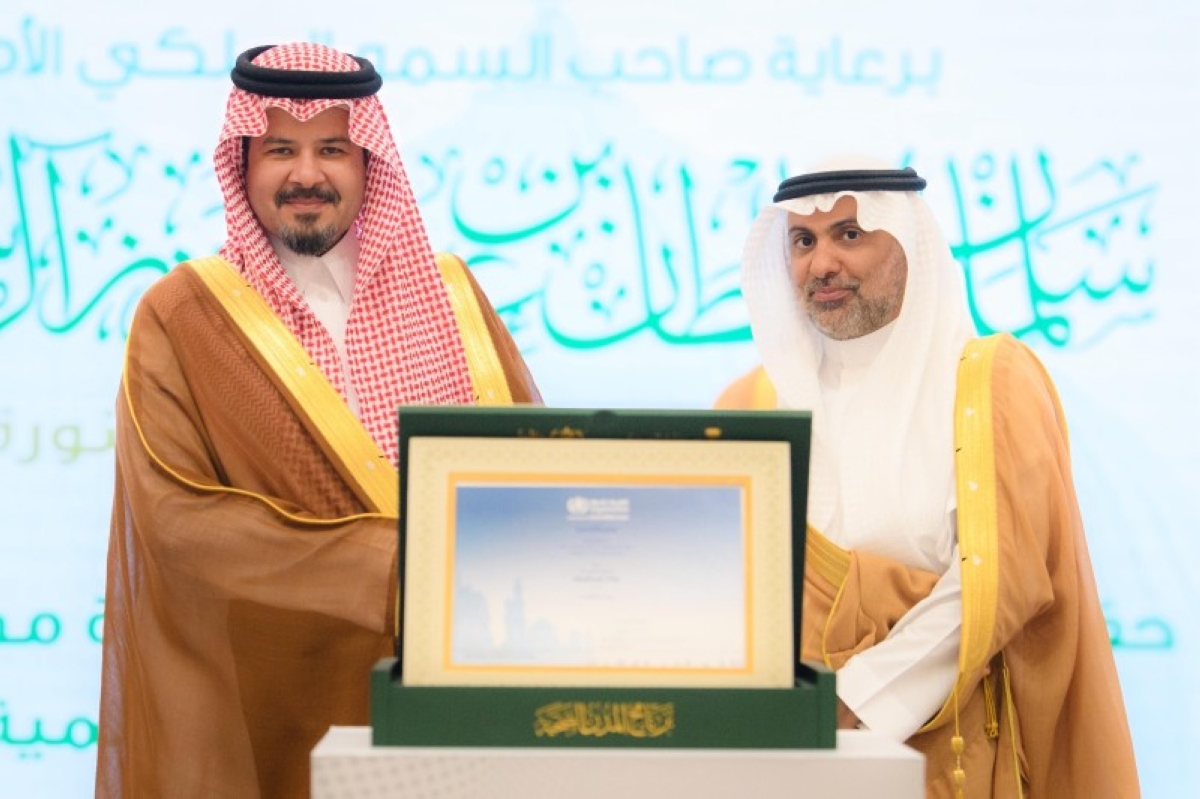
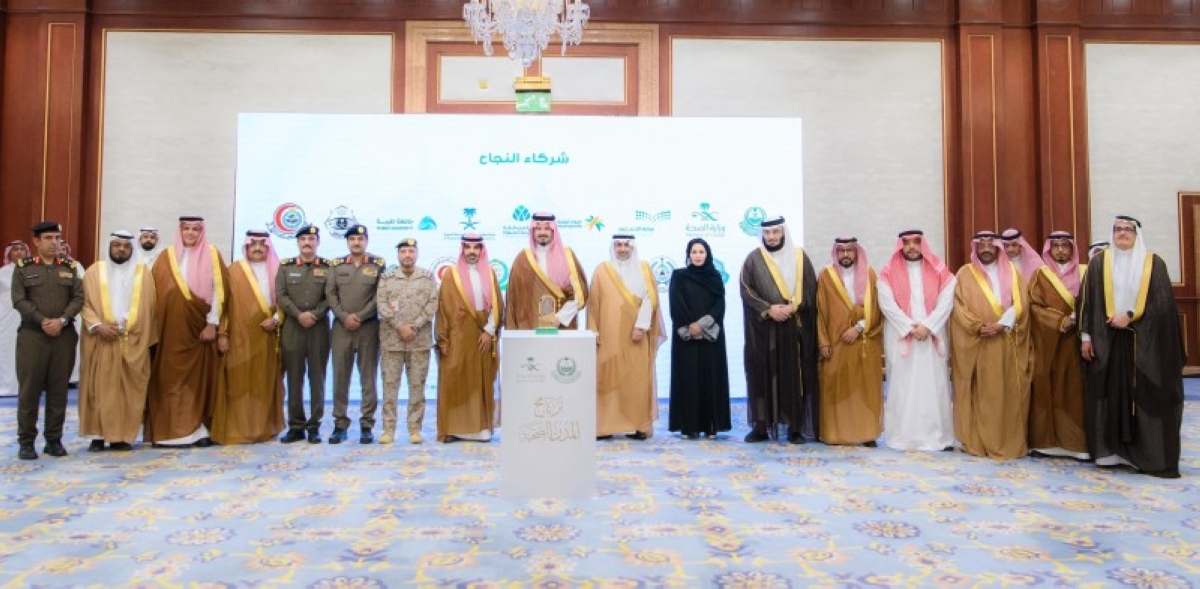
أكد وزير الصحة فهد الجلاجل أن اعتماد المدينة المنورة مدينةً صحية مليونية يُجسّد تكامل الجهود الوطنية لتعزيز جودة الحياة وتحقيق بيئات صحية مستدامة، ويُعد تأكيدًا على الالتزام برؤية السعودية 2030 نحو مجتمع حيوي ووطن مزدهر، لتكون المدينة المنورة ثاني أكبر مدينة مليونية صحية في الشرق الأوسط بعد مدينة جدة.
وأعرب الجلاجل عن شكره وتقديره لأمير منطقة المدينة المنورة على دعمه المتواصل وجهوده في تعزيز الجوانب الصحية، مشيدًا بتعاون مختلف الجهات الحكومية والخاصة وغير الربحية التي أسهمت في تحقيق هذا المنجز الوطني، الذي يضع صحة الإنسان في مقدمة الأولويات.
وجاء اعتماد المدينة المنورة مدينةً صحية من قِبل منظمة الصحة العالمية للمرة الثانية، كثاني أكبر مدينة مليونية صحية في الشرق الأوسط، بعد استيفائها 80 معيارًا من معايير المنظمة.
وتشمل الضوابط والمعايير لكي تحصل على هذا الاعتماد العالمي من منظمة الصحة العالمية التي حدّدت 80 معيارًا دوليًا موزعة على 9 محاور رئيسية لاعتماد المدن الصحية: المشاركة المجتمعية، والتنمية المحلية، والشراكة بين القطاعات، وتوفّر المعلومات المجتمعية، وجودة المياه والصرف الصحي، وسلامة الغذاء، وتعزيز الرعاية الصحية، والوقاية والاستعداد والاستجابة للطوارئ، والتعليم، ومحو الأمية وتنمية المهارات، إلى جانب القروض الصغيرة والتنمية الاقتصادية.
ولا تفصل منظمة الصحة العالمية جميع المعايير الـ80 علنًا بشكل فردي، إذ تركز على مجموعة شاملة من المجالات لتقييم المدن الصحية. وتتضمن هذه الجوانب:
القيادة والحوكمة الصحية التي تتطلب وجود هياكل إدارية وسياسات واضحة لدعم الصحة في جميع القطاعات ومشاركة المجتمع والقطاعات المختلفة في التخطيط والتنفيذ للبرامج الصحية والبيئة الحضرية والصحة التي تتطلب جودة الهواء والماء وإدارة النفايات والصرف الصحي وتوفر المساحات الخضراء والمناطق الترفيهية والسلامة المرورية والبنية التحتية الصديقة للمشاة والدراجات ومكافحة ناقلات الأمراض.
وكذلك تطور الخدمات الصحية والاجتماعية بحيث تكون هناك سهولة للوصول إلى خدمات الرعاية الصحية الأولية والثانوية، وتوفر خدمات الطوارئ وبرامج تعزيز الصحة والوقاية من الأمراض ودعم الفئات الضعيفة وكبار السن والأشخاص ذوي الإعاقة والصحة النفسية والدعم الاجتماعي والاقتصاد والتنمية المستدامة وتأثير التنمية الاقتصادية على صحة السكان، وتوفير فرص العمل اللائق والأمن الغذائي والمائي والاستعداد للطوارئ الصحية في وجود خطط للاستجابة للأوبئة والكوارث الطبيعية والقدرة على التعامل مع الأزمات الصحية والتعليم والتوعية الصحية من خلال نشر الوعي الصحي بين السكان ودعم المدارس الصديقة للصحة.
Health Minister Fahd Al-Jalajel confirmed that the designation of Medina as a million health city embodies the integration of national efforts to enhance quality of life and achieve sustainable health environments. It also reaffirms the commitment to Saudi Vision 2030 towards a vibrant community and a prosperous nation, making Medina the second largest million health city in the Middle East after Jeddah.
Al-Jalajel expressed his gratitude and appreciation to the Emir of the Medina region for his continuous support and efforts in promoting health aspects, praising the cooperation of various governmental, private, and non-profit entities that contributed to achieving this national achievement, which places human health as a top priority.
The designation of Medina as a health city by the World Health Organization for the second time comes as the second largest million health city in the Middle East, after meeting 80 criteria set by the organization.
The regulations and standards to obtain this global accreditation from the World Health Organization, which specified 80 international criteria distributed across 9 main axes for health city accreditation, include: community participation, local development, intersectoral partnership, availability of community information, water and sanitation quality, food safety, enhancing healthcare, emergency preparedness and response, education, literacy and skill development, alongside small loans and economic development.
The World Health Organization does not publicly disclose all 80 criteria individually; instead, it focuses on a comprehensive set of areas to evaluate health cities. These aspects include:
Health leadership and governance, which require the existence of administrative structures and clear policies to support health across all sectors, and community and various sector participation in planning and implementing health programs and urban health that require air and water quality, waste management, sanitation, availability of green spaces and recreational areas, traffic safety, pedestrian and cycling-friendly infrastructure, and combating disease vectors.
Additionally, the development of health and social services should ensure easy access to primary and secondary healthcare services, availability of emergency services, health promotion programs, disease prevention, support for vulnerable groups, the elderly, and people with disabilities, mental health, social support, economy, sustainable development, and the impact of economic development on population health, providing decent work opportunities, food and water security, and preparedness for health emergencies with plans to respond to epidemics and natural disasters, as well as the ability to handle health crises, education, and health awareness through raising health awareness among the population and supporting health-friendly schools.