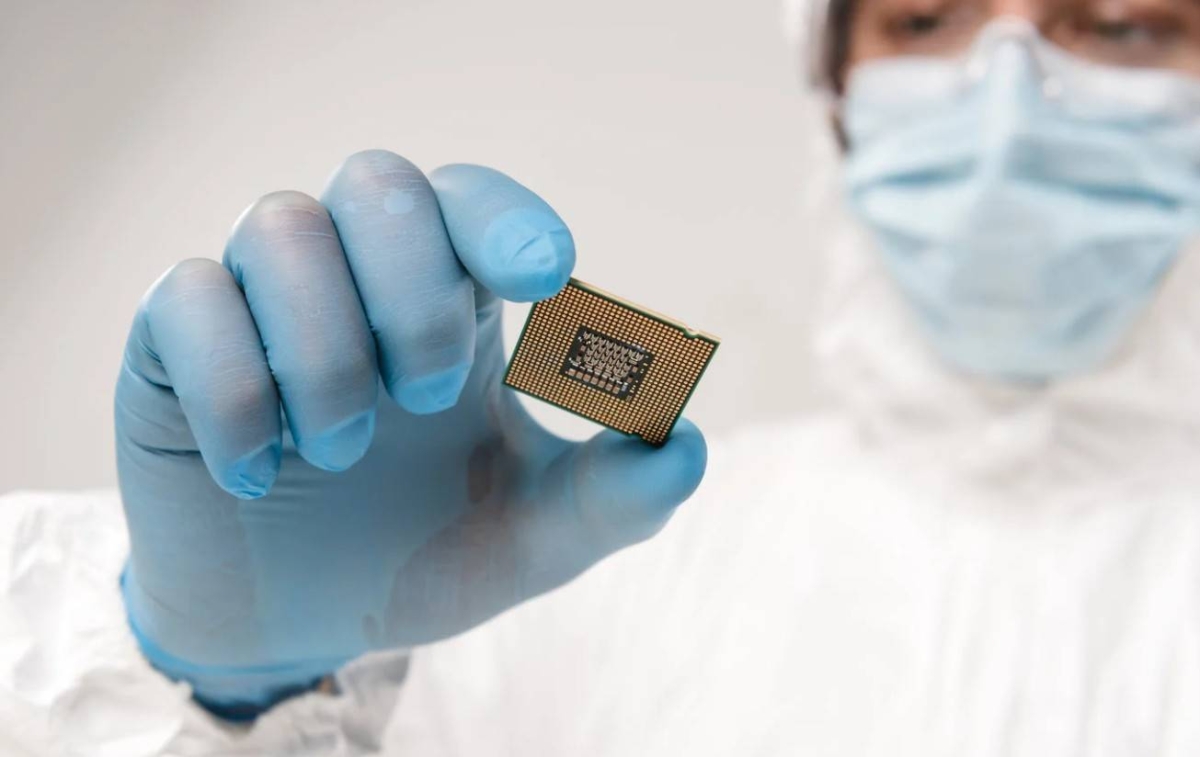
صنعت مدينة الملك عبدالعزيز للعلوم والتقنية (كاكست) 25 رقاقة إلكترونية متقدمة طُوِّرَت في مختبرات الغرف النقية بأيدٍ سعودية لأغراض التدريب والبحث والتطوير.
وأوضحت «كاكست» أن الرقائق تتميز بإمكانية استخدامها في تطبيقات متنوعة مثل الإلكترونيات، والاتصالات اللاسلكية والترددات العالية، والدوائر المتكاملة، والإضاءة الموفرة للطاقة، وأنظمة الاستشعار المصغرة، إضافة إلى التطبيقات الصناعية والبحثية في مجالات القياس والاختبار.
وشارك في تصميم الرقائق الإلكترونية باحثون وباحثات من المختبر الوطني، إلى جانب عدد من الطلاب والطالبات من 4 جامعات سعودية، ضمن مبادرات البرنامج السعودي لأشباه الموصلات (SSP)، التي تهدف إلى تأهيل الكفاءات الوطنية في هذا المجال الحيوي.
صناعة 25 رقاقة إلكترونية متقدمة بأيدٍ سعودية
26 يوليو 2025 - 02:49
|
آخر تحديث 26 يوليو 2025 - 02:49


تابع قناة عكاظ على الواتساب
«عكاظ» (الرياض) OKAZ_online@
The King Abdulaziz City for Science and Technology (KACST) has produced 25 advanced electronic chips developed in clean room laboratories by Saudi hands for training, research, and development purposes.
KACST explained that the chips are characterized by their ability to be used in various applications such as electronics, wireless communications and high frequencies, integrated circuits, energy-saving lighting, and micro-sensing systems, in addition to industrial and research applications in measurement and testing fields.
Researchers from the national laboratory, along with a number of male and female students from 4 Saudi universities, participated in the design of the electronic chips as part of the Saudi Semiconductor Program (SSP) initiatives, which aim to qualify national competencies in this vital field.
KACST explained that the chips are characterized by their ability to be used in various applications such as electronics, wireless communications and high frequencies, integrated circuits, energy-saving lighting, and micro-sensing systems, in addition to industrial and research applications in measurement and testing fields.
Researchers from the national laboratory, along with a number of male and female students from 4 Saudi universities, participated in the design of the electronic chips as part of the Saudi Semiconductor Program (SSP) initiatives, which aim to qualify national competencies in this vital field.