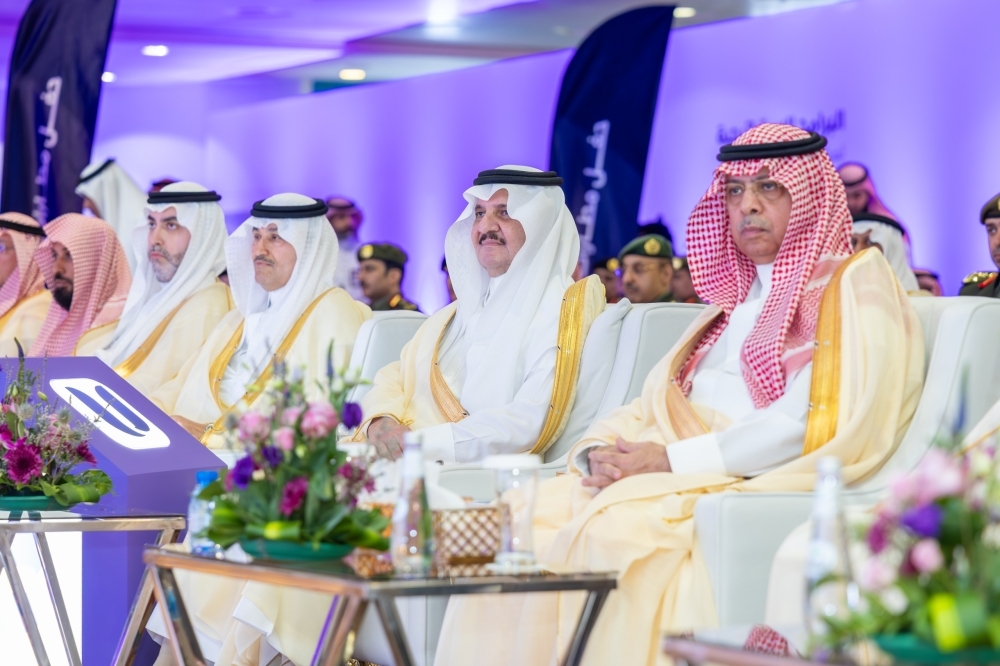
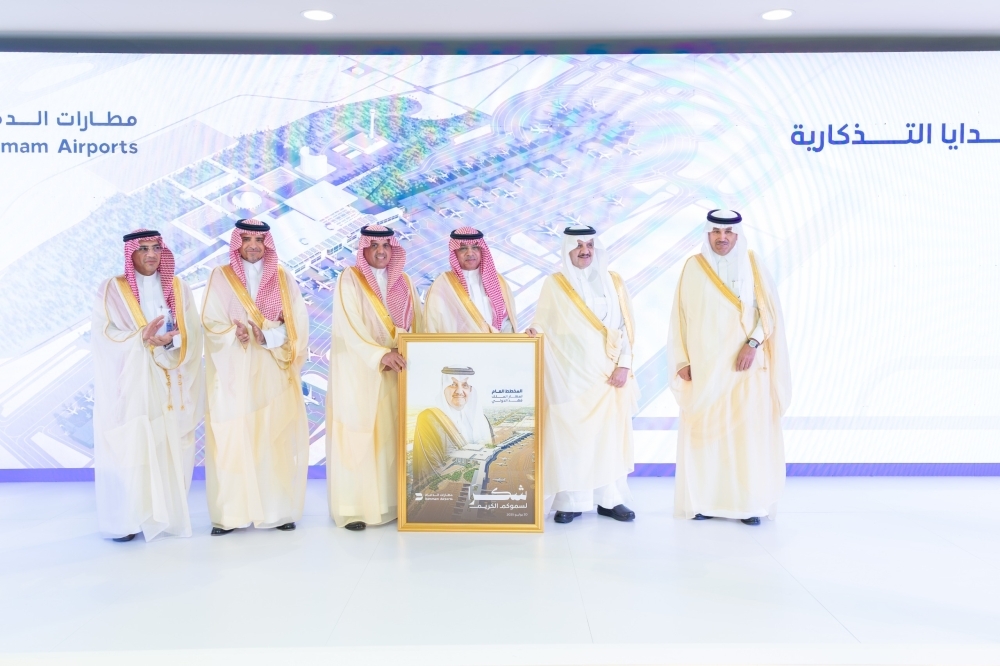
رعى أمير المنطقة الشرقية الأمير سعود بن نايف بن عبدالعزيز، أمس (الأحد)، حفل تدشين الهوية الجديدة والمخطط العام لمطار الملك فهد الدولي، إلى جانب المخطط العام لمطار الأحساء الدولي ومطار القيصومة الدولي، كما دشّن إستراتيجية مطارات الدمام، وافتتح حزمة من المشاريع التطويرية المتكاملة التي تجاوزت قيمتها الإجمالية 1.6 مليار ريال، وشملت تنفيذ 77 مشروعاً تنموياً لتطوير البنية التحتية وتحسين تجربة المسافر، كما أُعلن، خلال الحفل، ناقل وطني اقتصادي جديد، ينطلق من مطار الملك فهد الدولي بالدمام، ويقدّم رحلات إلى 24 وجهة داخلية و57 وجهة دولية، كما دشن البوابات الإلكترونية لإنهاء إجراءات المسافرين، بحضور وزير النقل والخدمات اللوجستية رئيس مجلس إدارة الهيئة العامة للطيران المدني المهندس صالح الجاسر، ورئيس الهيئة العامة للطيران المدني عبدالعزيز الدعيلج، ومدير عام الجوازات اللواء الدكتور صالح المربع.
وأكد أمير المنطقة الشرقية، أن ما يشهده قطاع الطيران من تطور ونمو متسارع يأتي امتداداً للدعم السخي والاهتمام الكبير الذي توليه القيادة لهذا القطاع الحيوي؛ إيماناً منها بأهمية تعزيز البنية التحتية وتوسيع شبكة الربط الجوي بما يخدم أهداف التنمية الشاملة، ويعزّز مكانة المملكة مركزاً لوجستيّاً عالميّاً وفق مستهدفات رؤية السعودية 2030، مشيراً إلى أن هذه المشاريع التطويرية تمثل نقلة نوعية نحو تحقيق التكامل في منظومة النقل، وتوفير أفضل الخدمات للمسافرين، وتحفيز الاستثمارات في هذا القطاع الإستراتيجي.
وتهدف الخطة الإستراتيجية إلى خدمة أكثر من 19.3 مليون مسافر سنوياً في مطار الملك فهد الدولي بحلول عام 2030، بنسبة نمو تتجاوز 100% مقارنة بعام 2022، إضافة إلى رفع القدرة الاستيعابية للشحن الجوي إلى أكثر من 600 ألف طن سنوياً، بنمو يفوق 1,000%، ما يعكس حجم الطموح والرؤية المستقبلية لمطارات الدمام.
وتشمل أبرز ملامح المشاريع المستقبلية توسعة هي الأولى من نوعها في تاريخ مطار الملك فهد الدولي؛ بهدف رفع القدرة التشغيلية لحركة الطائرات إلى 77 طائرة في الساعة، ورفع الطاقة الاستيعابية للمسافرين إلى 32 مليون مسافر سنوياً، كما تشمل المشاريع تطويراً شاملاً لمرافق الطيران العام، وتطوير وتوسعة البنية التحتية للمطار لتواكب أعلى المعايير التشغيلية العالمية، بما يعكس التزام مطارات الدمام بالتحول إلى مركز لوجستي إقليمي يخدم أهداف رؤية السعودية، إذ بلغت نسبة النمو الفعلي لأعداد المسافرين 35% نهاية 2024 مقارنةً بعام 2022.
من جانبه، أكّد وزير النقل والخدمات اللوجستية رئيس مجلس إدارة الهيئة العامة للطيران المدني المهندس صالح الجاسر، أن التطور المتسارع الذي يشهده قطاع الطيران المدني في المملكة يأتي بفضل الدعم غير المحدود من القيادة، ويعكس التزام منظومة النقل بتحقيق مستهدفات الإستراتيجية الوطنية للنقل والخدمات اللوجستية، من خلال تحسين جودة الخدمات، وزيادة الطاقة الاستيعابية، وتمكين القطاع الخاص في مشاريع البنية التحتية.
وأضاف: «نشيد بالدعم الكبير والتوجيهات التي يقدّمها أمير المنطقة الشرقية، لتطوير قطاع الطيران وتعزيز البنية التحتية في المنطقة، كما نثمّن التعاون البنّاء من هيئة تطوير المنطقة الشرقية، الذي كان له أثر مهم في تحقيق التكامل وتسريع وتيرة تنفيذ المشاريع التطويرية».
وأشار المهندس الجاسر إلى أن هذا المخطط العام والمشاريع التنموية تمثل امتداداً لإستراتيجية وطنية تسعى إلى تحقيق التكامل بين مختلف أنماط النقل، وتعزيز مكانة المملكة مركزاً لوجستياً عالمياً ومحوراً رئيساً يربط بين ثلاث قارات.
كما عبّر رئيس الهيئة العامة للطيران المدني عبدالعزيز الدعيلج عن شكره للقيادة على الدعم المستمر، مؤكداً أن برنامج الطيران المنبثق من الإستراتيجية الوطنية للنقل والخدمات اللوجستية يُعد ركيزة أساسية لتعزيز الربط الجوي، وتحقيق مستهدفات المملكة في أن تكون مركزاً عالمياً في النقل الجوي والخدمات اللوجستية.
وأضاف الدعيلج: «نثمّن عالياً الرعاية الكريمة والدعم المتواصل من أمير المنطقة الشرقية لتطوير منظومة الطيران في المنطقة الشرقية، والدور المهم الذي تقوم به هيئة تطوير المنطقة الشرقية في تعزيز التكامل التنموي بما يواكب مستهدفات رؤية السعودية 2030».
تطبيق أفضل الممارسات
وأوضح، أن المخطط العام يُعد أحد المخرجات التنفيذية لبرنامج الطيران، الذي يُعزّز مستهدفات الإستراتيجية الوطنية للنقل والخدمات اللوجستية، ويُسهم في تحقيق الربط الجوي الشامل وزيادة كفاءة البنية التحتية للمطارات، مبيناً أن الهيئة تعمل على تمكين المشغلين ورفع كفاءة التشغيل والخدمات، بما يعزز تجربة المسافر ويرفع جودة البنية التحتية، والتكامل بين جميع الجهات ذات العلاقة للارتقاء بمطارات المنطقة، تأكيداً على دور المنطقة الشرقية المحوري في دعم الاقتصاد الوطني والمساهمة في تحقيق مستهدفات رؤية السعودية 2030.
من جانبها، أكدت مطارات الدمام التزامها الراسخ بتطبيق أفضل الممارسات التشغيلية وتعزيز التميز المؤسسي، وتوفير تجربة سفر متكاملة ومتميزة للمسافرين، عبر بنية تحتية حديثة، وخدمات رقمية متقدمة، ومرافق تواكب التطلعات؛ مما يدعم الأهداف الوطنية لقطاع الطيران، ويُعزز مكانة المملكة مركزاً عالمياً في حركة النقل الجوي والخدمات اللوجستية.
شهد الحفل إعلان ناقل وطني جديد
أمير الشرقية يدشن المخطط العام لمطار الملك فهد الدولي ويفتتح حزمة مشاريع تطويرية
21 يوليو 2025 - 03:29
|
آخر تحديث 21 يوليو 2025 - 03:29


تابع قناة عكاظ على الواتساب
«عكاظ» (الدمام) OKAZ_online@
The Prince of the Eastern Province, Prince Saud bin Naif bin Abdulaziz, yesterday (Sunday) sponsored the launch ceremony of the new identity and master plan for King Fahd International Airport, along with the master plan for Al-Ahsa International Airport and Al-Qaisumah International Airport. He also inaugurated the Dammam Airports Strategy and opened a package of integrated development projects valued at over 1.6 billion riyals, which included the implementation of 77 developmental projects aimed at enhancing infrastructure and improving the travel experience. During the ceremony, a new national economic carrier was announced, which will operate from King Fahd International Airport in Dammam, offering flights to 24 domestic destinations and 57 international destinations. The electronic gates for completing passenger procedures were also launched, in the presence of the Minister of Transport and Logistics Services and Chairman of the Board of Directors of the General Authority of Civil Aviation, Engineer Saleh Al-Jasser, the President of the General Authority of Civil Aviation Abdulaziz Al-Duailej, and the Director General of Passports, Major General Dr. Saleh Al-Murabba.
The Prince of the Eastern Province emphasized that the rapid development and growth witnessed in the aviation sector is a continuation of the generous support and great interest that the leadership gives to this vital sector, believing in the importance of enhancing infrastructure and expanding the air connectivity network to serve the goals of comprehensive development and strengthen the Kingdom's position as a global logistics hub in line with the objectives of Saudi Vision 2030. He pointed out that these developmental projects represent a qualitative leap towards achieving integration in the transport system, providing the best services for travelers, and stimulating investments in this strategic sector.
The strategic plan aims to serve more than 19.3 million passengers annually at King Fahd International Airport by 2030, with a growth rate exceeding 100% compared to 2022, in addition to increasing the air cargo capacity to more than 600,000 tons annually, with growth exceeding 1,000%, reflecting the ambition and future vision for Dammam Airports.
Among the most notable features of future projects is the first-of-its-kind expansion in the history of King Fahd International Airport, aimed at raising the operational capacity for aircraft movements to 77 aircraft per hour and increasing the passenger capacity to 32 million passengers annually. The projects also include comprehensive development of general aviation facilities and the development and expansion of airport infrastructure to meet the highest global operational standards, reflecting Dammam Airports' commitment to transforming into a regional logistics hub that serves the objectives of Saudi Vision, with an actual growth rate of 35% in passenger numbers by the end of 2024 compared to 2022.
For his part, the Minister of Transport and Logistics Services and Chairman of the Board of Directors of the General Authority of Civil Aviation, Engineer Saleh Al-Jasser, confirmed that the rapid development witnessed in the civil aviation sector in the Kingdom is thanks to the unlimited support from the leadership and reflects the commitment of the transport system to achieve the objectives of the national strategy for transport and logistics services by improving service quality, increasing capacity, and enabling the private sector in infrastructure projects.
He added: "We commend the significant support and directives provided by the Prince of the Eastern Province to develop the aviation sector and enhance infrastructure in the region, and we appreciate the constructive cooperation from the Eastern Province Development Authority, which has had a significant impact on achieving integration and accelerating the pace of implementing development projects."
Engineer Al-Jasser pointed out that this master plan and the developmental projects represent an extension of a national strategy that seeks to achieve integration between various modes of transport and enhance the Kingdom's position as a global logistics hub and a major axis connecting three continents.
Abdulaziz Al-Duailej, President of the General Authority of Civil Aviation, also expressed his gratitude to the leadership for the continuous support, affirming that the aviation program stemming from the national strategy for transport and logistics services is a fundamental pillar for enhancing air connectivity and achieving the Kingdom's objectives to be a global center for air transport and logistics services.
Al-Duailej added: "We highly appreciate the generous patronage and continuous support from the Prince of the Eastern Province for developing the aviation system in the Eastern Province, and the important role played by the Eastern Province Development Authority in enhancing developmental integration in line with the objectives of Saudi Vision 2030."
Implementing Best Practices
He explained that the master plan is one of the executive outputs of the aviation program, which enhances the objectives of the national strategy for transport and logistics services and contributes to achieving comprehensive air connectivity and increasing the efficiency of airport infrastructure. He indicated that the authority is working on empowering operators and raising the efficiency of operations and services, enhancing the travel experience, improving infrastructure quality, and integrating all relevant entities to elevate the airports in the region, confirming the Eastern Province's pivotal role in supporting the national economy and contributing to achieving the objectives of Saudi Vision 2030.
For its part, Dammam Airports affirmed its firm commitment to implementing best operational practices, enhancing institutional excellence, and providing a comprehensive and distinguished travel experience for passengers through modern infrastructure, advanced digital services, and facilities that meet aspirations; thus supporting the national goals of the aviation sector and enhancing the Kingdom's position as a global center in air transport and logistics services.
The Prince of the Eastern Province emphasized that the rapid development and growth witnessed in the aviation sector is a continuation of the generous support and great interest that the leadership gives to this vital sector, believing in the importance of enhancing infrastructure and expanding the air connectivity network to serve the goals of comprehensive development and strengthen the Kingdom's position as a global logistics hub in line with the objectives of Saudi Vision 2030. He pointed out that these developmental projects represent a qualitative leap towards achieving integration in the transport system, providing the best services for travelers, and stimulating investments in this strategic sector.
The strategic plan aims to serve more than 19.3 million passengers annually at King Fahd International Airport by 2030, with a growth rate exceeding 100% compared to 2022, in addition to increasing the air cargo capacity to more than 600,000 tons annually, with growth exceeding 1,000%, reflecting the ambition and future vision for Dammam Airports.
Among the most notable features of future projects is the first-of-its-kind expansion in the history of King Fahd International Airport, aimed at raising the operational capacity for aircraft movements to 77 aircraft per hour and increasing the passenger capacity to 32 million passengers annually. The projects also include comprehensive development of general aviation facilities and the development and expansion of airport infrastructure to meet the highest global operational standards, reflecting Dammam Airports' commitment to transforming into a regional logistics hub that serves the objectives of Saudi Vision, with an actual growth rate of 35% in passenger numbers by the end of 2024 compared to 2022.
For his part, the Minister of Transport and Logistics Services and Chairman of the Board of Directors of the General Authority of Civil Aviation, Engineer Saleh Al-Jasser, confirmed that the rapid development witnessed in the civil aviation sector in the Kingdom is thanks to the unlimited support from the leadership and reflects the commitment of the transport system to achieve the objectives of the national strategy for transport and logistics services by improving service quality, increasing capacity, and enabling the private sector in infrastructure projects.
He added: "We commend the significant support and directives provided by the Prince of the Eastern Province to develop the aviation sector and enhance infrastructure in the region, and we appreciate the constructive cooperation from the Eastern Province Development Authority, which has had a significant impact on achieving integration and accelerating the pace of implementing development projects."
Engineer Al-Jasser pointed out that this master plan and the developmental projects represent an extension of a national strategy that seeks to achieve integration between various modes of transport and enhance the Kingdom's position as a global logistics hub and a major axis connecting three continents.
Abdulaziz Al-Duailej, President of the General Authority of Civil Aviation, also expressed his gratitude to the leadership for the continuous support, affirming that the aviation program stemming from the national strategy for transport and logistics services is a fundamental pillar for enhancing air connectivity and achieving the Kingdom's objectives to be a global center for air transport and logistics services.
Al-Duailej added: "We highly appreciate the generous patronage and continuous support from the Prince of the Eastern Province for developing the aviation system in the Eastern Province, and the important role played by the Eastern Province Development Authority in enhancing developmental integration in line with the objectives of Saudi Vision 2030."
Implementing Best Practices
He explained that the master plan is one of the executive outputs of the aviation program, which enhances the objectives of the national strategy for transport and logistics services and contributes to achieving comprehensive air connectivity and increasing the efficiency of airport infrastructure. He indicated that the authority is working on empowering operators and raising the efficiency of operations and services, enhancing the travel experience, improving infrastructure quality, and integrating all relevant entities to elevate the airports in the region, confirming the Eastern Province's pivotal role in supporting the national economy and contributing to achieving the objectives of Saudi Vision 2030.
For its part, Dammam Airports affirmed its firm commitment to implementing best operational practices, enhancing institutional excellence, and providing a comprehensive and distinguished travel experience for passengers through modern infrastructure, advanced digital services, and facilities that meet aspirations; thus supporting the national goals of the aviation sector and enhancing the Kingdom's position as a global center in air transport and logistics services.