حقّقت المملكة إنجازاً عالمياً غير مسبوق في قطاع السياحة الدولية، بعد أن تصدرت قائمة الدول الأعلى نمواً في إيرادات السياح الدوليين لعام 2025، وفق أحدث تقارير منظمة السياحة العالمية «UNWTO»، بنسبة زيادة بلغت 2% مقارنة بعام 2019. فما هي العوامل التي دفعت المملكة إلى الصدارة العالمية، وما السر وراء القفزة النوعية في حجم الإيرادات السياحية؟
أظهرت البيانات الرسمية الصادرة عن البنك المركزي السعودي أن إجمالي إنفاق الزوّار الدوليين في عام 2023 (كمؤشر سابق) بلغ 49.4 مليار ريال سعودي، في حين حقق ميزان المدفوعات للسياحة الدولية فائضاً قدره 26.8 مليار ريال. هذا التحوّل في الميزان التجاري السياحي يعكس نجاح المملكة في التحوّل من دولة مُصدّرة للسياحة إلى دولة جاذبة ومُستقطبة للإنفاق السياحي.
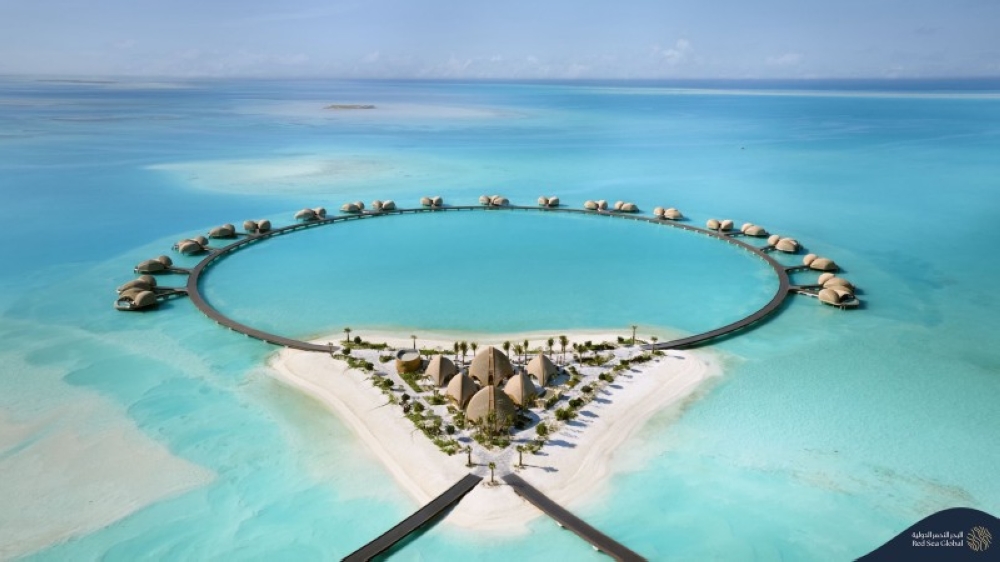
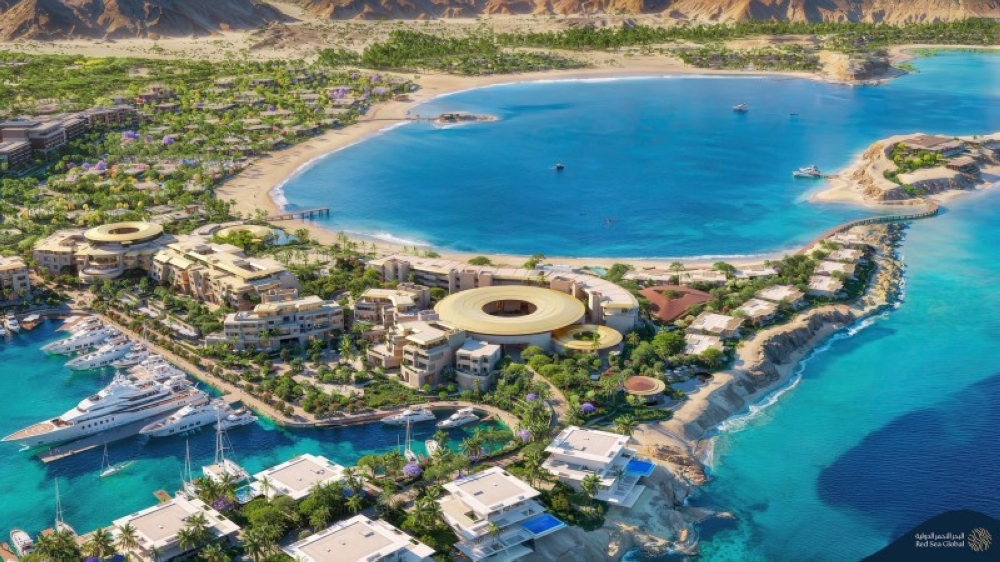
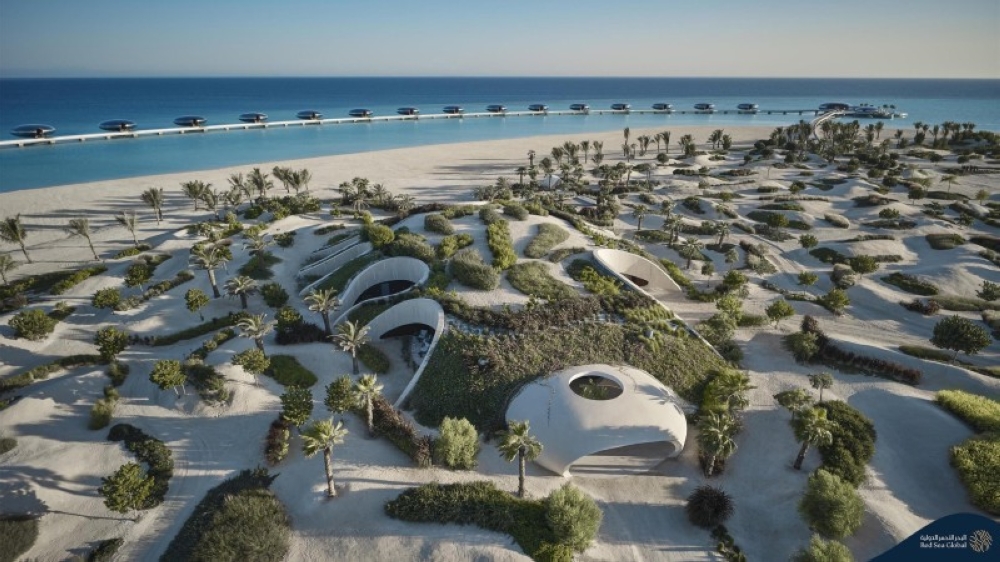
ورصد التقرير عدداً من المحاور الرئيسية التي ساهمت في نمو الإيرادات السياحية الدولية، وهي سهولة الوصول وتأشيرات الـeVisa، إذ أطلقت السعودية نظام التأشيرة السياحية الإلكترونية، والذي أتاح الدخول لأكثر من 65 دولة حول العالم، خلال دقائق قليلة وهذا التحوّل التنظيمي سهّل تدفق السياح الدوليين بشكل غير مسبوق، وساهمت مشاريع عملاقة مثل نيوم، البحر الأحمر، القدية، العلا في تقديم تجارب غير تقليدية تجمع بين الثقافة، الطبيعة، الفخامة، والتقنيات الذكية، ما جعل السعودية وجهة جديدة بالكامل للمسافرين الباحثين عن محتوى سياحي مختلف. ومن الأسباب، الفعاليات الرياضية والثقافية العالمية، إذ استضافت المملكة خلال الأعوام الماضية عشرات الفعاليات الكبرى، من بينها سباقات الفورمولا 1، السوبر الإسباني، بطولات التنس العالمية، وموسم الرياض، والتي جذبت ملايين الزوار من مختلف أنحاء العالم، ووسّعت قاعدة السياحة الترفيهية والرياضية.
كما شهدت السعودية طفرة في قطاع النقل الجوي والبري والفندقي، مع افتتاح مطارات جديدة وتطوير مراكز حضرية في مدن مثل الرياض وجدة والدمام، ما رفع جودة التنقّل وأتاح خيارات سياحية متنوعة.
-----------
فرص للتوظيف والاستثمار
------------
المستشار الاقتصادي عيد العيد أشار إلى أن المملكة نجحت في تحويل قطاع السياحة إلى مورد اقتصادي حقيقي يعزّز من إجمالي الناتج المحلي، وأن البيئة الاقتصادية باتت جاذبة للإنفاق الخارجي بفعل تضافر العوامل التنظيمية، والتسويقية، والاستثمارية. وقال: «الإنجاز السياحي الذي تحققه السعودية اليوم هو نتيجة عمل مؤسسي قائم على فهم عميق للاقتصاد العالمي، وحاجات السائح العصري».
من جانبه، اعتبر أستاذ المالية والاقتصاد الدكتور وليد الغصاب أن تحقيق المملكة أعلى معدل نمو عالمي في إيرادات السياحة يثبت نجاح السياسات المالية والتنظيمية، خصوصاً في ما يتعلق بتخصيص الإنفاق الرأسمالي في مشاريع البنية التحتية السياحية، وربطها بالمجالات الثقافية والدينية والترفيهية. وأكد أن السياحة أصبحت في السعودية قطاعاً إنتاجياً، لا مجرد خدمة، موضحاً أن تنوّع التجربة السياحية يعزز من فرص التوظيف والاستثمار والتوسع في الأنشطة غير النفطية.
ويؤكد مراقبون أن السعودية لم تكتفِ بتطوير المنتج السياحي، بل أبدعت في تصديره للعالم ضمن سردية جديدة تعكس تنوع الهويات الثقافية، وقوة الاستقرار، وموثوقية البنية التحتية. كما أسهمت سياسات وزارة السياحة في تحسين بيئة الاستثمار، وتوسيع طاقة الإيواء الفندقي، وتحفيز ريادة الأعمال في قطاع السفر والضيافة.
------------
أبرز المؤشرات:
- إجمالي إنفاق الزوار الدوليين في السعودية: 49.4 مليار ريال
- تأشيرة السياحية الإلكترونية متاحة لـ65 دولة
- مشاريع سياحية كبرى عززت الجاذبية
- إطلاق فعاليات رياضية وثقافية وفنية دولية
- بنية تحتية متطورة ومطارات بمعايير عالمية
- نمو الاستثمار في قطاع الضيافة والترفيه
- توسيع نطاق شركات الطيران
- تعزيز الاستدامة السياحية والابتكار في الخدمات
The Kingdom has achieved an unprecedented global milestone in the international tourism sector, having topped the list of countries with the highest growth in international tourist revenues for 2025, according to the latest reports from the World Tourism Organization (UNWTO), with an increase of 2% compared to 2019. What are the factors that propelled the Kingdom to global prominence, and what is the secret behind the qualitative leap in tourism revenue?
Official data from the Saudi Central Bank showed that the total spending of international visitors in 2023 (as a preliminary indicator) reached 49.4 billion Saudi Riyals, while the balance of payments for international tourism recorded a surplus of 26.8 billion Riyals. This shift in the tourism trade balance reflects the Kingdom's success in transforming from a tourism-exporting country to a destination that attracts and captures tourism spending.
The report identified several key factors that contributed to the growth of international tourism revenues, including ease of access and eVisa visas. Saudi Arabia launched an electronic tourist visa system, which allowed entry for citizens from over 65 countries around the world within just a few minutes. This regulatory transformation facilitated the unprecedented flow of international tourists, and giant projects such as NEOM, the Red Sea, Qiddiya, and AlUla provided unconventional experiences that combine culture, nature, luxury, and smart technologies, making Saudi Arabia a completely new destination for travelers seeking diverse tourism content. Additionally, global sports and cultural events played a role, as the Kingdom hosted dozens of major events in recent years, including Formula 1 races, the Spanish Super Cup, global tennis championships, and the Riyadh Season, which attracted millions of visitors from around the world and expanded the recreational and sports tourism base.
Saudi Arabia also witnessed a boom in the air, land, and hotel transportation sectors, with the opening of new airports and the development of urban centers in cities like Riyadh, Jeddah, and Dammam, which improved the quality of mobility and provided diverse tourism options.
-----------
Opportunities for Employment and Investment
------------
Economic advisor Eid Al-Eid pointed out that the Kingdom has succeeded in transforming the tourism sector into a real economic resource that enhances the Gross Domestic Product, and that the economic environment has become attractive for external spending due to the convergence of regulatory, marketing, and investment factors. He stated: "The tourism achievement that Saudi Arabia is realizing today is the result of institutional work based on a deep understanding of the global economy and the needs of the modern tourist."
For his part, finance and economics professor Dr. Walid Al-Ghasab considered that the Kingdom achieving the highest global growth rate in tourism revenues proves the success of financial and regulatory policies, especially regarding the allocation of capital spending in tourism infrastructure projects and linking them to cultural, religious, and entertainment fields. He emphasized that tourism has become a productive sector in Saudi Arabia, not just a service, explaining that the diversity of the tourism experience enhances opportunities for employment, investment, and expansion in non-oil activities.
Observers confirm that Saudi Arabia has not only developed the tourism product but has also excelled in exporting it to the world within a new narrative that reflects the diversity of cultural identities, the strength of stability, and the reliability of infrastructure. The policies of the Ministry of Tourism have also contributed to improving the investment environment, expanding hotel accommodation capacity, and stimulating entrepreneurship in the travel and hospitality sector.
------------
Key Indicators:
- Total spending of international visitors in Saudi Arabia: 49.4 billion Riyals
- Electronic tourist visa available for 65 countries
- Major tourism projects enhanced attractiveness
- Launch of international sports, cultural, and artistic events
- Advanced infrastructure and world-class airports
- Growth in investment in the hospitality and entertainment sector
- Expansion of airline companies
- Promotion of sustainable tourism and innovation in services