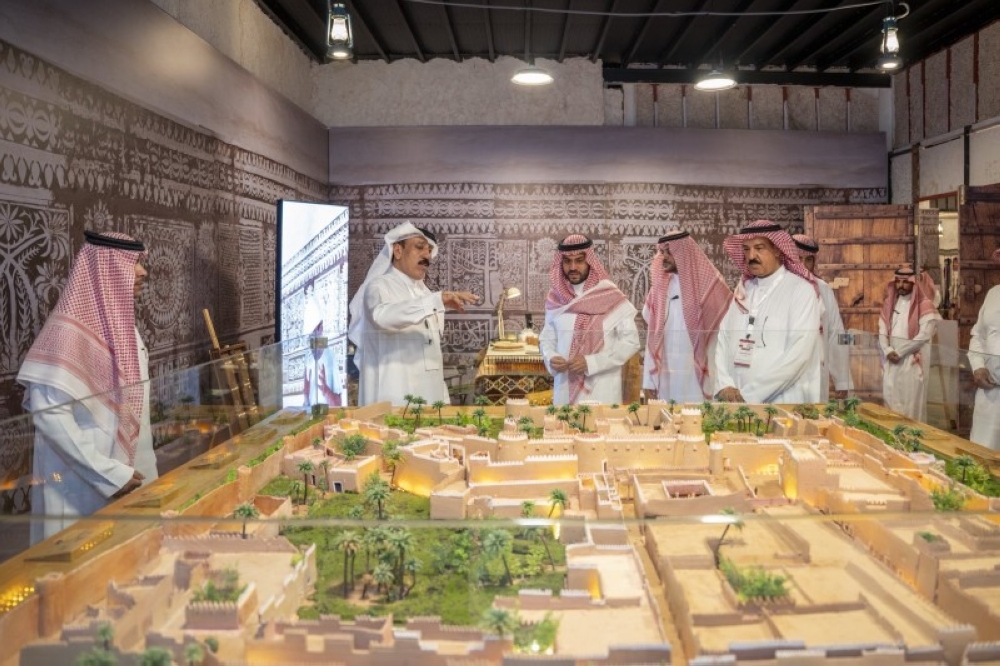
في لحظة استحضار لزمنٍ لم تغب فيه العمارة عن الذاكرة، وقف نائب أمير منطقة حائل الأمير فيصل بن فهد بن مقرن بن عبدالعزيز، أمام مجسم يحاكي ذاكرة المدينة القديمة، متأملاً تفاصيلها التي نُحتت بعينٍ وفية، وعقلٍ شغوف، ويدٍ حرفية خَبِرت الطين والعروق والنخيل.
المجسم الذي احتضنته أروقة بيت حائل التراثي، جسّد مدينة حائل كما كانت، من باب الصفاقات إلى باب غطاط، عابراً بين مسجد برزان، وقصر برزان، وساحة برزان التجارية، وسوق المسحب، وشارع مدرهم، وباب مفرح، وغيرها من المعالم التي حملت نبضاً اجتماعياً وثقافياً لا يزال حياً في الذاكرة الجمعية للمدينة.
الخزام.. توثيقٌ بعيون النخيل
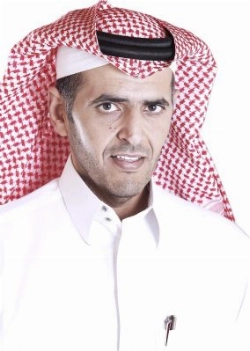
وراء هذا النموذج التراثي يقف الحرفي عبدالله الخزام، الذي لم يكتفِ بمجرد استحضار صورة معمارية، بل أطلق مشروعاً توثيقياً شاملاً جمع فيه بين مواد البناء التقليدية كالطين، اللبن، جذوع النخل، وسعفها، وبين الزخارف والنقوش المحلية التي زينت جدران المدينة يوماً ما.
لم يعتمد الخزام على الذاكرة وحدها، بل عاد إلى المخطوطات التاريخية، وكتب المستشرقين، وشهادات كبار السن، ليحاكي من خلالها صورة واقعية وعلمية للمدينة، توظيفه لنمط البناء المعروف محلياً بـ«العروق» منح المجسم بُعداً جمالياً وواقعياً نادراً، كأن المدينة نُفخت فيها الحياة من جديد، لكن من خلال مصغّر يحتضنه صندوق زجاجي.
الهوية العمرانية في قلب المجسم
المجسم كان مرآة تعكس الهوية العمرانية لمنطقة حائل، تلك التي تتميز بتفاصيلها الطينية، ونقوشها ذات الرمزية الدينية والاجتماعية، وانفتاحها المتزن على الوافد من أساليب الزخرفة الإسلامية، دون فقدان لخصوصية المكان.
كما أتاح المجسم فرصة تعليمية وتاريخية نادرة للأجيال الجديدة لفهم تركيبة المدينة القديمة، كيف كانت تتنفس الحياة من خلال الأسواق، وتضيء بالإيمان في المساجد، وتدير شؤونها من ساحات القصور، وتضبط إيقاعها اليومي عبر أبوابها الشهيرة التي مثلت معابر الذاكرة والعبور.
وقوف الأمير فيصل بن فهد لم يكن عابراً، بل يحمل دلالات لقيادة واعية تدرك أن التنمية تبدأ من الجذور، وأن فهم هوية المكان هو المدخل الأصدق لبلورة مستقبل لا ينفصل عن ماضيه.
لقد منح المجسم دلالة أبعد من حجمه.. إذ تحوّل إلى وثيقة مرئية تنبض بتاريخ مدينة، وهوية سكان، وأصالة مكان.
In a moment of recalling a time when architecture was not absent from memory, the Deputy Emir of the Hail Region, Prince Faisal bin Fahd bin Mqrin bin Abdulaziz, stood before a model that reflects the memory of the old city, contemplating its details that were carved with a loyal eye, a passionate mind, and a skilled hand that has experienced clay, palm trunks, and fronds.
The model, embraced by the corridors of the Hail Heritage House, embodied the city of Hail as it once was, from the Al-Safqat Gate to the Al-Ghata Gate, passing between the Burzan Mosque, Burzan Palace, the Burzan commercial square, the Al-Mashhab market, Madrahim Street, Al-Mufrih Gate, and other landmarks that carried a social and cultural pulse that is still alive in the collective memory of the city.
Al-Khuzam.. Documentation through the Eyes of Palm Trees
Behind this heritage model stands the craftsman Abdullah Al-Khuzam, who did not settle for merely recalling an architectural image but launched a comprehensive documentation project that combined traditional building materials such as clay, adobe, palm trunks, and fronds, with local decorations and engravings that once adorned the walls of the city.
Al-Khuzam did not rely solely on memory; he returned to historical manuscripts, the writings of Orientalists, and testimonies from the elderly to create a realistic and scientific image of the city. His use of the locally known building style "Al-Aroq" gave the model a rare aesthetic and realistic dimension, as if life had been breathed into the city anew, but through a miniature that is housed in a glass box.
The Architectural Identity at the Heart of the Model
The model was a mirror reflecting the architectural identity of the Hail Region, characterized by its clay details, its engravings with religious and social symbolism, and its balanced openness to incoming Islamic decorative styles, without losing the uniqueness of the place.
It also provided a rare educational and historical opportunity for new generations to understand the structure of the old city, how it breathed life through markets, illuminated with faith in mosques, managed its affairs from palace squares, and regulated its daily rhythm through its famous gates that represented the crossings of memory and transition.
Prince Faisal bin Fahd's presence was not incidental; it carries connotations of a conscious leadership that understands that development begins from the roots, and that understanding the identity of a place is the truest entry point to crystallizing a future that is inseparable from its past.
The model has given significance beyond its size; it has transformed into a visual document pulsating with the history of a city, the identity of its inhabitants, and the authenticity of a place.