




«زر البطن» أو بما يعرف باسم «السُّرة».. نتوء يظهر في البطن موجود في كل الثدييات، يظهر بوضوح أكثر عند الإنسان، ويعد جزءاً صغيراً من جسمه، وهو أنبوب يربط الجنين بالأم، يغذيه بالأكسجين والعناصر الغذائية داخل الرحم، قبل أن ينقطع ليصير جذعاً صغيراً يسقط عقب أسبوع إلى أسبوعين من الولادة، ويؤدي دوراً مهماً في السماح لأمعاء الجنين بالخروج من التجويف البطني. زر البطن «السرة» يخفي العديد من الأسرار ويعتبر مخزناً للحالة الصحية والأعضاء الداخلية للجسم، فعلى الرغم من أن سرة البطن تُعد جزءاً صغيراً من الجسم إلا أن أي تغيّر في شكلها أو بروزها قد يثير القلق ويطرح تساؤلات حول أسبابه. إن بروز السرة ليس مجرد مسألة جمالية، بل قد يكون مؤشراً على مشكلات صحية تتطلب اهتماماً طبياً، وتشير التقديرات إلى أن نسبة انتشار الفتق في السعودية تتراوح بين 5% إلى 10% من السكان، مع زيادة ملحوظة في الحالات بين فئة الشباب بسبب العادات اليومية الخاطئة مثل التدخين والسمنة، ويُقدر أن هناك نحو 65 ألف عملية فتق تُجرى سنوياً في المملكة، ويعد الفتق السري، أكثر شيوعاً بين النساء بثلاث مرات مقارنة بالرجال، ويرتبط بعوامل مثل الحمل المتكرر، السمنة، والضغط المتزايد داخل البطن. وعلى ضوء هذه المعلومات، يُنصح الأفراد الذين يلاحظون بروزاً غير طبيعي في منطقة السرة، ومصحوباً بأعراض أخرى، بمراجعة الطبيب المختص لتقييم الحالة واتخاذ الإجراءات المناسبة.
لاعلاقة لها بالإنجاب
«عكاظ» تسلّط الضوء على أسرار زر البطن «السرة» وعلاقته بالإنجاب والعقم، وعلى الحالات الطبيعية منه والمرضية، من خلال آراء لأطباء ومختصين، وما فائدة تقطير الزيت في سرة البطن أو تدليكها، وطبقاً لاستشاري أمراض النساء والولادة والأورام النسائية وجراحة المناظير والروبوت الدكتور حمزة عجاج، قال لـ«عكاظ»: لا يُعد بروز السرة في أغلب الأحيان مؤشراً على وجود مشكلة صحية خطيرة، بل يعود إلى الطريقة التي التأم بها الحبل السري بعد الولادة. ومع ذلك، قد يكون البروز في بعض الحالات دليلاً على وجود فتق سري، خصوصاً إذا كان مصحوباً بألم أو تورم، أو إذا ازداد حجمه بمرور الوقت.
أما فيما يخص العلاقة بين بروز السرة والقدرة على الإنجاب، فلا توجد أي علاقة طبية مباشرة بين شكل السرة والخصوبة. حتى في حال وجود فتق سري بسيط، فإنه لا يؤثر على فرص الحمل أو الإنجاب، وإن كان قد يسبب بعض الانزعاج أثناء الحمل.
فمن الشائع خلال فترة الحمل أن تصبح السرة بارزة أكثر من المعتاد، نتيجة ازدياد الضغط داخل البطن وتوسع الرحم. وغالباً ما تعود السرة إلى شكلها الطبيعي تدريجياً بعد الولادة دون الحاجة لأي تدخل طبي.
زيت النعناع والخروع
في ما يتعلق باستخدام الزيوت داخل السرة، يرى الدكتور عجاج أنه لا توجد دراسات علمية موثوقة تثبت أن لهذه الزيوت دوراً في تحفيز الرحم أو تعزيز الخصوبة. ومع ذلك، فإن بعض أنواع الزيوت مثل زيت النعناع أو زيت الخروع، تُستخدم أحياناً خارجياً، حول منطقة السرة، لتخفيف آلام الدورة الشهرية بفضل تأثيرها المرخي للعضلات.
وعن الإجراءات الممكنة للتقليل من مظهر بروز السرة، يقول عجاج: إن ذلك يعتمد على السبب الرئيسي للبروز. إذا كان الأمر مجرد تغير شكلي دون فتق، فلا حاجة عادةً لأي علاج. أما في حالة وجود فتق، فقد يُنصح بإجراء تدخل جراحي بسيط لإصلاحه. كما يمكن تقوية عضلات البطن بتمارين خفيفة، أو اللجوء لأحزمة طبية داعمة مؤقتاً، وذلك تحت إشراف طبي.
ألم عند السعال والانحناء
ويرى استشاري امراض الجهاز الهضمي والتغذية لدى الاطفال الدكتور عبدالله شنبري، أن بروز السرة قد لا يكون مجرد تغير شكلي بسيط، بل يمكن أن يرتبط أحياناً ببعض المشكلات الصحية التي تستدعي المتابعة والعلاج. موضحاً لـ«عكاظ»، أن من أبرز هذه المشكلات الفتق السري، وهو حالة تحدث عندما يندفع جزء من الأنسجة أو الأمعاء من خلال فتحة ضعيفة في عضلات البطن، ما يؤدي إلى بروز واضح في منطقة السرة، قد يكون مصحوباً بألم أو تورم، خاصة عند السعال أو الانحناء.
كما أن بروز السرة قد يزيد من احتمالية تعرضها للالتهابات، خصوصاً إذا كانت مفتوحة أو تحتوي على إفرازات. وتختلف طرق العلاج حسب حجم البروز ونوعه وفي الحالات البسيطة، قد يلجأ الطبيب إلى وضع حزام داعم لمنطقة البطن لفترة محددة؛ بهدف تقوية العضلات ودعم الجدار البطني، أما في الحالات المتقدمة أو عندما يكون الفتق كبيراً ويحتوي على جزء من الأمعاء، فقد يتطلب التدخل الجراحي لإصلاح الفتق وإعادة الأنسجة إلى مكانها الطبيعي، مع تقوية جدار البطن لمنع تكرار الحالة.
فتق وترهل البطن
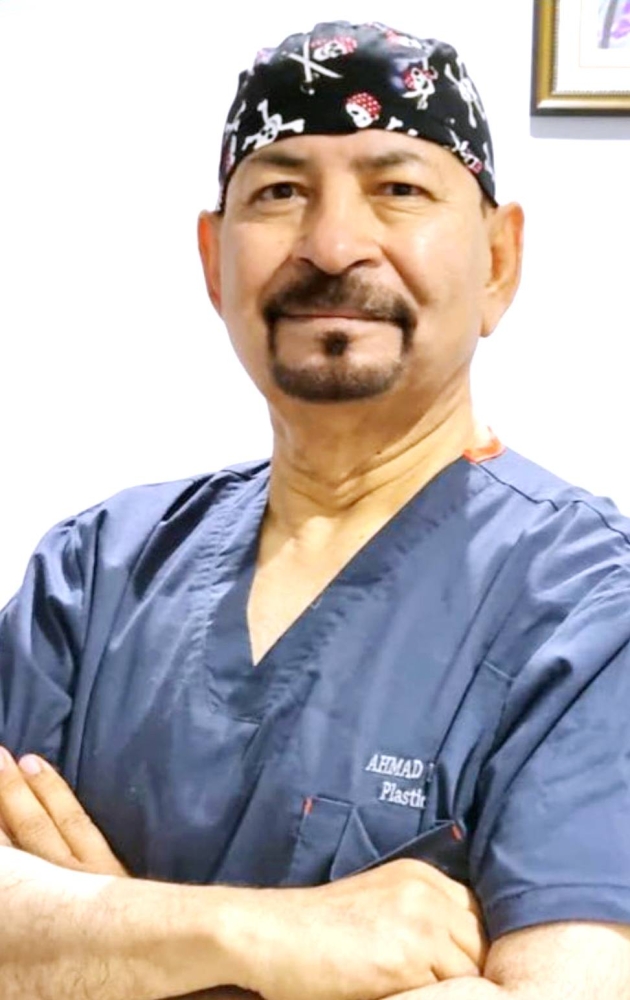
أوضح استشاري جراحات التجميل والترميم والحروق وجراحات اليد والجراحة المجهرية الدكتور أحمد بخش لـ«عكاظ»، أن بروز السرة يعتمد على السبب الأساسي الذي قد يكون فتقاً أو مضاعفات بعد العمليات أو حتى عيباً خلقياً، ويتم تشخيص ذلك من قبل الطبيب المختص، وفي حال وجود فتق وترهل للبطن، يمكن لجراح التجميل إجراء جراحة شد للبطن وإصلاح الفتق في نفس الوقت بمشاركة جراح عام، أما بالنسبة لوجود البروز منذ الولادة كعيب خلقي فيتم استشارة جراح أطفال لمعرفة سبب التشوه ليتم بمعالجته بشكل تام.
أطباء يجيبون عن سؤال «عكاظ»: علامة جمال أم «كرت أصفر» ؟
زر البطن !
11 يوليو 2025 - 01:23
|
آخر تحديث 11 يوليو 2025 - 01:23


تابع قناة عكاظ على الواتساب
ذكرى السلمي (جدة) Zekraalsolami@
The "belly button," or what is known as the "navel," is a protrusion that appears on the abdomen and is present in all mammals. It is more clearly visible in humans and is considered a small part of the body. It is a tube that connects the fetus to the mother, supplying it with oxygen and nutrients inside the womb, before it is cut and becomes a small stump that falls off one to two weeks after birth. It plays an important role in allowing the fetus's intestines to exit the abdominal cavity. The belly button "navel" hides many secrets and is considered a reservoir of health status and internal organs of the body. Although the belly button is a small part of the body, any change in its shape or protrusion may raise concerns and questions about its causes. The protrusion of the navel is not just a cosmetic issue; it may indicate health problems that require medical attention. Estimates suggest that the prevalence of hernias in Saudi Arabia ranges from 5% to 10% of the population, with a noticeable increase in cases among the youth due to poor daily habits such as smoking and obesity. It is estimated that around 65,000 hernia surgeries are performed annually in the Kingdom, with umbilical hernias being three times more common in women compared to men, linked to factors such as repeated pregnancies, obesity, and increased pressure within the abdomen. In light of this information, individuals who notice an abnormal protrusion in the navel area, accompanied by other symptoms, are advised to consult a specialist doctor for evaluation and appropriate action.
Not related to fertility
"Okaz" sheds light on the secrets of the belly button "navel" and its relationship with fertility and infertility, as well as normal and pathological cases, through the opinions of doctors and specialists, and the benefits of applying oil to the belly button or massaging it. According to Dr. Hamza Ajaj, a consultant in obstetrics, gynecology, gynecological oncology, and robotic surgery, he told "Okaz": The protrusion of the navel is often not an indicator of a serious health problem, but rather relates to the way the umbilical cord healed after birth. However, in some cases, the protrusion may indicate the presence of an umbilical hernia, especially if accompanied by pain or swelling, or if its size increases over time.
As for the relationship between navel protrusion and the ability to conceive, there is no direct medical relationship between the shape of the navel and fertility. Even in the case of a simple umbilical hernia, it does not affect the chances of pregnancy or childbirth, although it may cause some discomfort during pregnancy.
It is common during pregnancy for the navel to become more protruded than usual due to increased pressure within the abdomen and the expansion of the uterus. The navel often gradually returns to its normal shape after childbirth without the need for any medical intervention.
Peppermint and Castor Oil
Regarding the use of oils in the navel, Dr. Ajaj believes that there are no reliable scientific studies proving that these oils play a role in stimulating the uterus or enhancing fertility. However, some types of oils, such as peppermint oil or castor oil, are sometimes used externally around the navel area to relieve menstrual pain due to their muscle-relaxing effects.
As for possible measures to reduce the appearance of navel protrusion, Ajaj states that this depends on the main cause of the protrusion. If it is merely a cosmetic change without a hernia, there is usually no need for treatment. In the case of a hernia, a minor surgical intervention may be recommended to repair it. Strengthening the abdominal muscles with light exercises or temporarily using supportive medical belts can also be done under medical supervision.
Pain when coughing and bending
Dr. Abdullah Shanbari, a consultant in pediatric gastroenterology and nutrition, believes that navel protrusion may not just be a simple cosmetic change, but can sometimes be associated with certain health issues that require monitoring and treatment. He explained to "Okaz" that one of the most prominent of these issues is an umbilical hernia, which occurs when part of the tissue or intestines pushes through a weak spot in the abdominal muscles, leading to a noticeable protrusion in the navel area, which may be accompanied by pain or swelling, especially when coughing or bending.
Moreover, navel protrusion may increase the likelihood of infections, especially if it is open or has discharge. Treatment methods vary depending on the size and type of protrusion, and in mild cases, the doctor may resort to placing a supportive belt around the abdominal area for a specified period to strengthen the muscles and support the abdominal wall. In advanced cases or when the hernia is large and contains part of the intestines, surgical intervention may be required to repair the hernia and return the tissues to their normal position, while strengthening the abdominal wall to prevent recurrence.
Hernia and Abdominal Sagging
Dr. Ahmed Baksh, a consultant in plastic and reconstructive surgery, burns, hand surgery, and microsurgery, explained to "Okaz" that navel protrusion depends on the underlying cause, which may be a hernia, complications after surgeries, or even a congenital defect. This is diagnosed by the specialist doctor, and in the case of a hernia and abdominal sagging, a plastic surgeon can perform a tummy tuck and repair the hernia at the same time in collaboration with a general surgeon. As for protrusion present since birth as a congenital defect, a pediatric surgeon should be consulted to determine the cause of the deformity for proper treatment.
Not related to fertility
"Okaz" sheds light on the secrets of the belly button "navel" and its relationship with fertility and infertility, as well as normal and pathological cases, through the opinions of doctors and specialists, and the benefits of applying oil to the belly button or massaging it. According to Dr. Hamza Ajaj, a consultant in obstetrics, gynecology, gynecological oncology, and robotic surgery, he told "Okaz": The protrusion of the navel is often not an indicator of a serious health problem, but rather relates to the way the umbilical cord healed after birth. However, in some cases, the protrusion may indicate the presence of an umbilical hernia, especially if accompanied by pain or swelling, or if its size increases over time.
As for the relationship between navel protrusion and the ability to conceive, there is no direct medical relationship between the shape of the navel and fertility. Even in the case of a simple umbilical hernia, it does not affect the chances of pregnancy or childbirth, although it may cause some discomfort during pregnancy.
It is common during pregnancy for the navel to become more protruded than usual due to increased pressure within the abdomen and the expansion of the uterus. The navel often gradually returns to its normal shape after childbirth without the need for any medical intervention.
Peppermint and Castor Oil
Regarding the use of oils in the navel, Dr. Ajaj believes that there are no reliable scientific studies proving that these oils play a role in stimulating the uterus or enhancing fertility. However, some types of oils, such as peppermint oil or castor oil, are sometimes used externally around the navel area to relieve menstrual pain due to their muscle-relaxing effects.
As for possible measures to reduce the appearance of navel protrusion, Ajaj states that this depends on the main cause of the protrusion. If it is merely a cosmetic change without a hernia, there is usually no need for treatment. In the case of a hernia, a minor surgical intervention may be recommended to repair it. Strengthening the abdominal muscles with light exercises or temporarily using supportive medical belts can also be done under medical supervision.
Pain when coughing and bending
Dr. Abdullah Shanbari, a consultant in pediatric gastroenterology and nutrition, believes that navel protrusion may not just be a simple cosmetic change, but can sometimes be associated with certain health issues that require monitoring and treatment. He explained to "Okaz" that one of the most prominent of these issues is an umbilical hernia, which occurs when part of the tissue or intestines pushes through a weak spot in the abdominal muscles, leading to a noticeable protrusion in the navel area, which may be accompanied by pain or swelling, especially when coughing or bending.
Moreover, navel protrusion may increase the likelihood of infections, especially if it is open or has discharge. Treatment methods vary depending on the size and type of protrusion, and in mild cases, the doctor may resort to placing a supportive belt around the abdominal area for a specified period to strengthen the muscles and support the abdominal wall. In advanced cases or when the hernia is large and contains part of the intestines, surgical intervention may be required to repair the hernia and return the tissues to their normal position, while strengthening the abdominal wall to prevent recurrence.
Hernia and Abdominal Sagging
Dr. Ahmed Baksh, a consultant in plastic and reconstructive surgery, burns, hand surgery, and microsurgery, explained to "Okaz" that navel protrusion depends on the underlying cause, which may be a hernia, complications after surgeries, or even a congenital defect. This is diagnosed by the specialist doctor, and in the case of a hernia and abdominal sagging, a plastic surgeon can perform a tummy tuck and repair the hernia at the same time in collaboration with a general surgeon. As for protrusion present since birth as a congenital defect, a pediatric surgeon should be consulted to determine the cause of the deformity for proper treatment.




