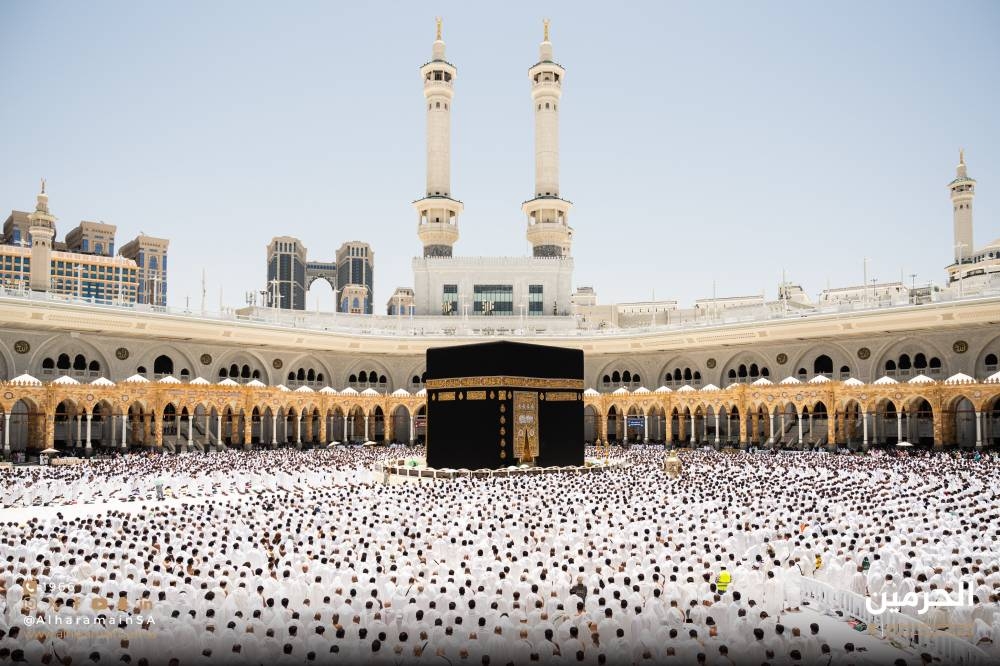
أوصى إمام وخطيب المسجد الحرام الدكتور صالح بن حميد، المسلمين بتقوى الله وعبادته، والتقرب إليه بطاعته واجتناب نواهيه ومساخطه.
وقال فضيلته: «إن المرء يتقلّب في نعم الله ونعيمه في كل لحظة يعيشها، وفي كل نَفَسٍ يتنفسه، وفي كل غمضة عين وانتباهتها، في نعم لا تعد ولا تحصى، فاستشعروا نعم الله -رحمكم الله-، فإذا كنت تتنفس فغيرك لا يتنفس إلا بالأجهزة، وإذا كنت تعيش حياتك وحيويتك فآخر فاقد الوعي والشعور لسنوات».
وأوضح أن النعم تُحفظ وتستدام بالاعتراف بها، وتذكرها على الدوام بالاستغفار، وبصرفها في مرضاة الله وطاعته، مع الخضوع للمنعم، ومحبته، وتعظيمه، ومن أعظم ما تحفظ به النعم وتستبقى وتزداد شكر المنعم -سبحانه-، مبينًا أن الشكر يكون بالقلب، وباللسان، وبالأفعال فالشكر بالقلب يكون بالاعتقاد الجازم، واليقين القاطع، أن مانح النعم وموليها ومسديها هو الله وحده لا شريك له، فهو -سبحانه- وحده الذي يهب النعم، والمخلوق لا مدخل له، ولا صنع له في ذلك البتة، فالله -سبحانه- رب الأرباب، ومسبب الأسباب، ومن عرف يقينًا أن النعم كلها من عند الله فقد شكره حق شكره، والشكر باللسان بالتحدث بها، لا رياءً ولا خيلاء، ولا استكبارًا، ولا استعلاءً، بل ثناء على الرب -سبحانه-، في تواضع وإخبات، وخوف وحذر من سلبها، والشكر بالأفعال، هو في صرف النعمة واستعمالها فيما يرضي الله -عز وجل- في طاعته، والحذر من استعمالها في معصيته.
وأكد إمام وخطيب المسجد الحرام، أن النعم إذا شُكرت قرّت، وإذا جُحدت فرّت، النعم وحشية فرارة، لا يقيدها إلا الشكر، ومن ضيع حق الله فهو لما سواه أضيع، فتعهد -يا عبد الله- نفسك بمراقبة ربك، احفظ الله يحفظك، تعرّف إلى الله في الرخاء يعرفك في الشدة، والتوفيق لشكر نعم الله من دلائل العبودية، وإخبات العبد لربه وخضوعه له.
وحذر الشيخ بن حميد من المسلك الإبليسي الشيطاني نسيان النعم، واستصغارها، واستنقاصها، والغفلة عن شكرها يعدد المصائب وينسى النعم، احذروا -رحمكم الله- استقلال النعم واستنقاصها، فالاستقلال سبيل الزوال، والاستعظام سبيل الدوام، ومن استقل النعمة فقد نظر إلى النعمة ولم ينظر إلى المنعم.
وفي المسجد النبوي حثّ الدكتور أحمد الحذيفي المسلمين في خطبته على تقوى الله ومراقبته، فهي منبع الفضائل، ومجمع الشمائل، وأمنع المعاقل، من تمسك بأسبابها نجا.
وقال فضيلته: فإن تقوى الله جل وعز وخشيته في الغيب والشهادة أوثق أسباب رضوانه، وأوسع أبواب امتنانه، فهي التجارة التي لا تبور، والزاد الذي لا ينفد، والسرور الذي لا ينقطع، ونعيم الحياة العاجل قبل النعيم الآجل المقيم: (يَا أَيُّهَا الَّذِينَ آمَنُوا إِن تَتَّقُوا اللَّهَ يَجْعَل لَّكُمْ فُرْقَانًا وَيُكَفِّرْ عَنكُمْ سَيِّئَاتِكُمْ وَيَغْفِرْ لَكُمْ ۗ وَاللَّهُ ذُو الْفَضْلِ الْعَظِيمِ)، وإن في سرعة انصرام الأيام وانقضاء الأعوام لعبرةً لذوي الحِجا ومتَّعَظًا لأولي النُّهى، يقف المؤمن عند ذلك وقفة المتأمِّل، ويلتفت التفاتة المدّكر، فيقيس آتي زمانه على ماضيه؛ لأنه يعلم أن اليوم سيصير أمسًا، وأن ضجيج اليوم سيحول همسًا، فما أشبه عامَنا الغاضِرَ بعامنا الغابر، ويومَنا الحاضرَ بأمسنا الدابر، وكأن تشابه أحداث الزمان دَوَرانُ رَحا، ومدةَ بقائه كإقامة شمسِ ضحى، إنها سنة الله التي بها قضى في كَوْنه وخَلْقه، فلا يستقر حال ولا يدوم، ولكنها الحياة تتقلب بأهلها، وتمور بمَن عليها، حتى تنتهي رحلةُ الحياة ومسيرةُ العمر إلى لقاء الله جل وعز.
وبين فضيلته، أننا حين نودع عامنا الهجري ونطوي أيامه فإننا نصافح العام الجديد المطلَّ علينا بأكفّ الأماني، ونستفتحه بتباشير التفاؤل والآمال، ونودّع ما مضى من أيام عامنا المنصرم بما استودعه من صالح النيات والأقوال والأعمال، ودعنا بوداع عامنا موسمًا عظيمًا من مواسم الخير، امتن الله فيه على المسلمين بأداء شعيرة من أعظم شعائر الإسلام وأجلّ مبانيه العظام، واستقبلنا موسم شهر الله المحرم، موسم يتلوه آخر، في سلسلة من مواسم الخير متصلة الحلقات، متوالية الأوقات، شهر الله المحرم قال فيه النبي -صلى الله عليه وسلم-: (أفضل الصيام بعد شهر رمضان شهر الله الذي تدعونه المحرم، وأفضل الصلاة بعد الفريضة صلاة الليل)، فدل ظاهر هذا الحديث أن صوم شهر الله المحرم هو أفضل ما تطوع به العبد تطوعًا مطلقًا من الصيام بعد رمضان، كما أن أفضل التطوع المطلق بالصلاة قيام الليل.
وخاطب فضيلته المؤمنين والمؤمنات قائلًا: إن الله اختصكم بالوفود على هذه البقاع المباركات والمواضع المحرمات في هذه الأوقات الفاضلات والأزمنة الشريفات، ووفق ولاة أمرها إلى القيام على رعاية هذه المقدسات، والعناية بها وبقاصديها وزائريها حق العناية، في أفياء وارفة من الأمن والإيمان والسكينة، وظلال وادعة من الرخاء والبشر والطمأنينة، فاستشعروا أيها المؤمنون والمؤمنات والقاصدون والقاصدات هذه النعم العظمى والمنن الجُلّى، بكثرة اللهج بشكر الله والثناء عليه، وتعظيم قدر هذه البقاع واستشعار حرمتها ومقدساتها ومقدَّراتها، والحرص على اتباع سنة نبينا -صلى الله عليه وسلم- فيها، والدعاء لولاة أمرها بالتوفيق والتسديد والمعونة والثواب الأوفى في الدنيا والأخرى.
وختم إمام وخطيب المسجد النبوي فضيلة الشيخ الدكتور أحمد الحذيفي خطبته بالدعاء للقائمين على خدمة الحرمين الشريفين ورعايتهما والعناية بقاصديهما وعلى رأسهم خادم الحرمين الشريفين وولي عهده، سائلًا الله عزوجل أن يجزيهم الثواب وأوفاه يا أكرم الأكرمين، وأن يحفظهم بحفظه ويحيطهم بعنايته، وأن يحفظ هذه البلاد الطيبة الطاهرة المملكة العربية السعودية مأرز الإيمان ومهبط الوحي ومهوى أفئدة المسلمين من كيد الكائدين ومكر الماكرين.
The Imam and preacher of the Grand Mosque, Dr. Saleh bin Humaid, advised Muslims to be mindful of God and to worship Him, drawing closer to Him through obedience and avoiding His prohibitions and displeasures.
He said: "A person experiences the blessings and bounties of God at every moment of their life, in every breath they take, and in every blink of an eye and its awakening, in countless blessings that cannot be counted. So, feel the blessings of God - may God have mercy on you - for if you are breathing, others are only able to breathe with machines, and if you are living your life and vitality, others have been unconscious and unfeeling for years."
He explained that blessings are preserved and sustained by acknowledging them, constantly remembering them through seeking forgiveness, and using them in a way that pleases God and obeys Him, along with submission to the Benefactor, loving Him, and glorifying Him. One of the greatest ways to preserve blessings and increase them is by thanking the Benefactor - may He be glorified - indicating that gratitude is expressed with the heart, the tongue, and actions. Gratitude of the heart involves firm belief and absolute certainty that the giver of blessings, the one who bestows them, is God alone, with no partner. He - may He be glorified - alone grants blessings, and the creation has no role or influence in this whatsoever. God - may He be glorified - is the Lord of lords and the cause of causes. Whoever knows with certainty that all blessings come from God has truly thanked Him. Gratitude with the tongue involves speaking of them, not out of hypocrisy, arrogance, or pride, but rather praising the Lord - may He be glorified - in humility and submission, with fear and caution of losing them. Gratitude through actions means using the blessing and employing it in what pleases God - the Almighty - in obedience, while being cautious of using it in disobedience.
The Imam and preacher of the Grand Mosque emphasized that blessings, when thanked, remain; and when denied, they flee. Blessings are wild and fleeting; they are only bound by gratitude. Whoever neglects the rights of God is even more neglectful of other matters. So, take care, O servant of God, to watch over your Lord. Preserve God, and He will preserve you. Know God in times of ease, and He will know you in times of difficulty. The ability to thank God for His blessings is one of the signs of servitude and the humility of the servant before his Lord.
Sheikh bin Humaid warned against the devilish path of forgetting blessings, belittling them, and neglecting to thank for them, as it counts misfortunes while forgetting blessings. Beware - may God have mercy on you - of the independence of blessings and belittling them, for independence leads to loss, while magnifying them leads to permanence. Whoever belittles a blessing has looked at the blessing without considering the Benefactor.
In the Prophet's Mosque, Dr. Ahmad Al-Hudaifi urged Muslims in his sermon to be mindful of God and to observe Him, as it is the source of virtues, the gathering of good traits, and the strongest fortress. Whoever clings to its causes will be saved.
He said: "Indeed, the mindfulness of God, the Exalted and Majestic, and fearing Him in the unseen and in the witnessed realm are the most reliable causes of His pleasure and the widest doors of His grace. It is the trade that never fails, the provision that never runs out, the joy that never ceases, and the bliss of this worldly life before the everlasting bliss of the Hereafter: (O you who have believed, if you fear Allah, He will grant you a criterion and will remove from you your misdeeds and forgive you; and Allah is the possessor of great bounty). Indeed, in the swift passage of days and the end of years, there is a lesson for those with understanding and a reminder for those of sound judgment. The believer reflects on this, contemplating it, and looks back at the past; for he knows that today will become yesterday, and the noise of today will turn into whispers. How similar our current year is to our past year, and our present day to yesterday. It is as if the similarity of events in time is like the turning of a millstone, and its duration is like the stay of the sun at noon. This is the way of God, which He has decreed in His creation. No state remains stable, nor does it endure, but life turns over its people and sways those upon it until the journey of life and the course of time end in meeting God, the Exalted and Majestic.
He indicated that when we bid farewell to our Hijri year and fold its days, we shake hands with the new year that greets us with hands of wishes, opening it with signs of optimism and hopes. We bid farewell to the past days of our previous year with what we have entrusted it with of good intentions, words, and deeds. We say goodbye to our year as a great season of goodness, in which God bestowed upon Muslims the performance of one of the greatest pillars of Islam and its most significant foundations. We welcomed the season of the month of Allah, Muharram, a season followed by another, in a series of connected seasons of goodness, successive times. The month of Allah, Muharram, about which the Prophet - peace be upon him - said: (The best fasting after Ramadan is the month of Allah, which you call Muharram, and the best prayer after the obligatory prayer is the night prayer). This indicates that fasting in the month of Allah, Muharram, is the best voluntary fasting after Ramadan, just as the best voluntary prayer is the night prayer.
He addressed the believers, saying: "Indeed, Allah has chosen you to visit these blessed places and sacred sites during these virtuous times and noble periods. He has guided the rulers to take care of these sanctities and to care for their visitors and guests with the utmost care, in the shade of security, faith, and tranquility, and in the gentle shade of prosperity, joy, and reassurance. So, feel, O believers, and those who seek these places, these great blessings and immense favors, by frequently thanking God and praising Him, and by glorifying the status of these places and feeling their sanctity and significance. Be keen to follow the Sunnah of our Prophet - peace be upon him - in them, and pray for the rulers to grant them success, guidance, support, and the greatest reward in this world and the Hereafter.
Sheikh Dr. Ahmad Al-Hudaifi concluded his sermon by praying for those in charge of serving the Two Holy Mosques, caring for them, and looking after their visitors, especially the Custodian of the Two Holy Mosques and his Crown Prince, asking Allah, the Exalted, to reward them with the greatest reward, O Most Generous of the generous, and to protect them with His protection and surround them with His care, and to preserve this pure and good land, the Kingdom of Saudi Arabia, the abode of faith, the place of revelation, and the heart's desire of Muslims from the plots of the schemers and the deception of the deceivers.