


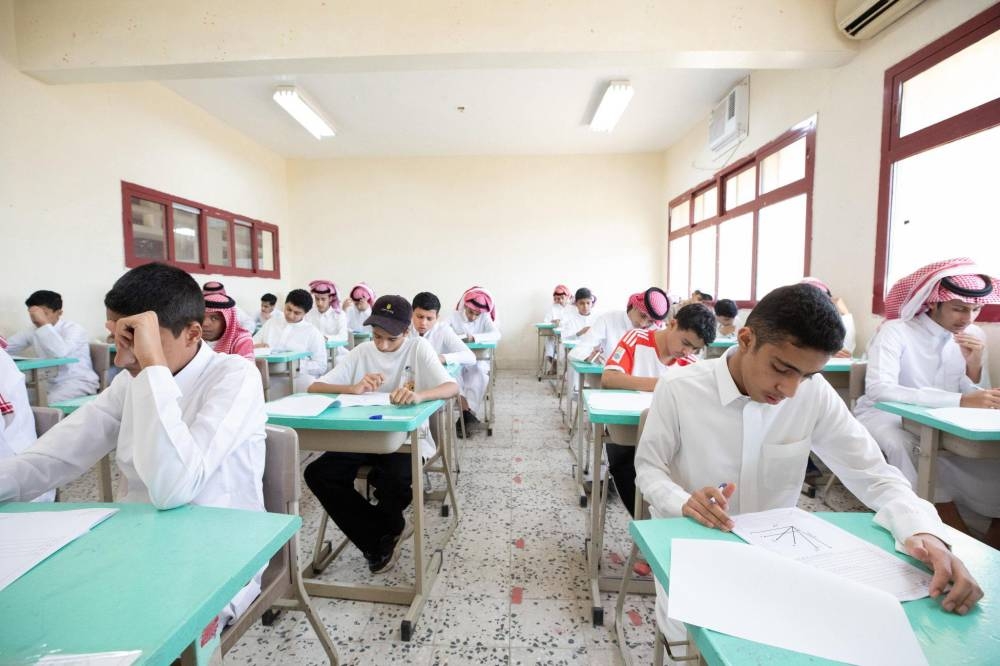
في مشهد يعكس التباعد بين الميدان والقرار، فوجئت مدارس بمختلف مناطق المملكة، أمس (الأحد)، بعدم وصول أسئلة الاختبارات المركزية التي يفترض أن تُدار مباشرة من وزارة التعليم. التأخير أربك إدارات المدارس، وأثار موجة من الانتقادات خصوصاً في المناطق النائية، إذ اعتمدت الوزارة، على المنصات الرقمية حلاً موحداً لإدارة الاختبارات، لكن الواقع كشف أن هذا الاعتماد فشل في مواكبة التوزيع الجغرافي، فهناك مدارس تقع في قرى ومحافظات تفتقر إلى تغطية إنترنت مستقرة، وأخرى تعاني من نقص الكوادر التقنية، وتركت تتعامل مع خلل تقني دون بدائل.
يقول أحد مديري المدارس: «كيف تُرسل إلينا تعليمات إلكترونية في مدرسة ما زال الاتصال فيها يتم عبر البيانات المتقطعة؟».
من جانب آخر، عبّر عدد من أولياء الأمور، عن استيائهم من تأخر الأسئلة، وغياب التنسيق المسبق، مؤكدين أن أبناءهم تعرّضوا لحالة من التشتت الذهني، واضطراب في الجدول الزمني للاختبارات.
وتضيف ولية أمر من منطقة تبوك في منصة (X): «ليس كل مدرسة تمتلك طابعة، ولا كل منطقة فيها شبكة».
واجتاحت منصات التواصل الاجتماعي تعليقات غاضبة، انتقدت مركزية الوزارة، مشيرة إلى أن من صاغها لا يعرف طبيعة تضاريس البلاد ولا تنوّع بيئاتها التعليمية.
وقال آخر: «أرسلوا الأسئلة على البريد، يمكن ساعي المدرسة يوصلها أسرع من المنصة!».
فيما يقول حساب آخر: «عزيزي الطالب: إذا ما جاك الاختبار، اعتبر نفسك ناجح في الجغرافيا... لأنك عرفت وين الخطأ!».
في المقابل، صمت حساب وزارة التعليم، عن إيضاح الأمر، وإن كانت الوزارة تهدف إلى ضبط جودة الاختبارات عبر مركزيتها، فإنها بحاجة إلى إعادة النظر في أدوات التنفيذ، وفهم التضاريس، فليس كل قرار رقمي قابلاً للتطبيق، وليس كل «نموذج موحد» يعكس عدالة تربوية حقيقية.
يذكر، أن إدارات التعليم في مختلف المناطق والمحافظات بالمملكة، فعّلت اليوم الدراسي أثناء فترة تطبيق الاختبارات النهائية للفصل الدراسي الثالث، التي بدأت الأحد 19 ذي الحجة 1446هـ.
ويأتي ذلك ضمن خطط تربوية وتعليمية تهدف إلى استثمار وقت الطالب في المدرسة حتى آخر يوم دراسي، وتحقيق الانضباط المدرسي، ورفع كفاءة نواتج التعلم.
أولياء الأمور يسألون: هل «المركزية» بلا أدوات ؟
تعطّل توزيع الأسئلة يضع الاختبارات تحت المجهر..
23 يونيو 2025 - 05:49
|
آخر تحديث 23 يونيو 2025 - 05:51


تابع قناة عكاظ على الواتساب
متعب العواد (حائل) motabalawwd@
In a scene that reflects the gap between the field and decision-making, schools in various regions of the Kingdom were surprised yesterday (Sunday) by the non-arrival of the central exam questions that were supposed to be managed directly by the Ministry of Education. The delay confused school administrations and sparked a wave of criticism, especially in remote areas, as the ministry relied on digital platforms as a unified solution for managing exams. However, reality revealed that this reliance failed to keep up with the geographical distribution, as there are schools located in villages and provinces that lack stable internet coverage, and others that suffer from a shortage of technical staff, leaving them to deal with technical malfunctions without alternatives.
One school principal said: “How can you send us electronic instructions in a school where communication is still done through intermittent data?”
On another note, several parents expressed their dissatisfaction with the delay of the questions and the absence of prior coordination, confirming that their children experienced a state of mental distraction and disruption in the exam schedule.
A parent from the Tabuk region added on platform (X): “Not every school has a printer, and not every area has a network.”
Angry comments flooded social media platforms, criticizing the ministry's centralization, pointing out that those who formulated it do not understand the nature of the country's terrain or the diversity of its educational environments.
Another person said: “Send the questions by mail; maybe the school courier can deliver them faster than the platform!”
While another account stated: “Dear student: If the exam doesn’t arrive, consider yourself successful in geography... because you know where the mistake is!”
In contrast, the Ministry of Education's account remained silent on clarifying the matter. While the ministry aims to ensure the quality of exams through its centralization, it needs to reconsider its implementation tools and understand the terrain, as not every digital decision is applicable, and not every “unified model” reflects true educational fairness.
It is worth mentioning that the education administrations in various regions and provinces of the Kingdom activated the school day during the final exam period for the third semester, which began on Sunday, 19 Dhu al-Hijjah 1446 AH.
This comes as part of educational plans aimed at investing the student's time in school until the last school day, achieving school discipline, and enhancing the effectiveness of learning outcomes.
One school principal said: “How can you send us electronic instructions in a school where communication is still done through intermittent data?”
On another note, several parents expressed their dissatisfaction with the delay of the questions and the absence of prior coordination, confirming that their children experienced a state of mental distraction and disruption in the exam schedule.
A parent from the Tabuk region added on platform (X): “Not every school has a printer, and not every area has a network.”
Angry comments flooded social media platforms, criticizing the ministry's centralization, pointing out that those who formulated it do not understand the nature of the country's terrain or the diversity of its educational environments.
Another person said: “Send the questions by mail; maybe the school courier can deliver them faster than the platform!”
While another account stated: “Dear student: If the exam doesn’t arrive, consider yourself successful in geography... because you know where the mistake is!”
In contrast, the Ministry of Education's account remained silent on clarifying the matter. While the ministry aims to ensure the quality of exams through its centralization, it needs to reconsider its implementation tools and understand the terrain, as not every digital decision is applicable, and not every “unified model” reflects true educational fairness.
It is worth mentioning that the education administrations in various regions and provinces of the Kingdom activated the school day during the final exam period for the third semester, which began on Sunday, 19 Dhu al-Hijjah 1446 AH.
This comes as part of educational plans aimed at investing the student's time in school until the last school day, achieving school discipline, and enhancing the effectiveness of learning outcomes.


