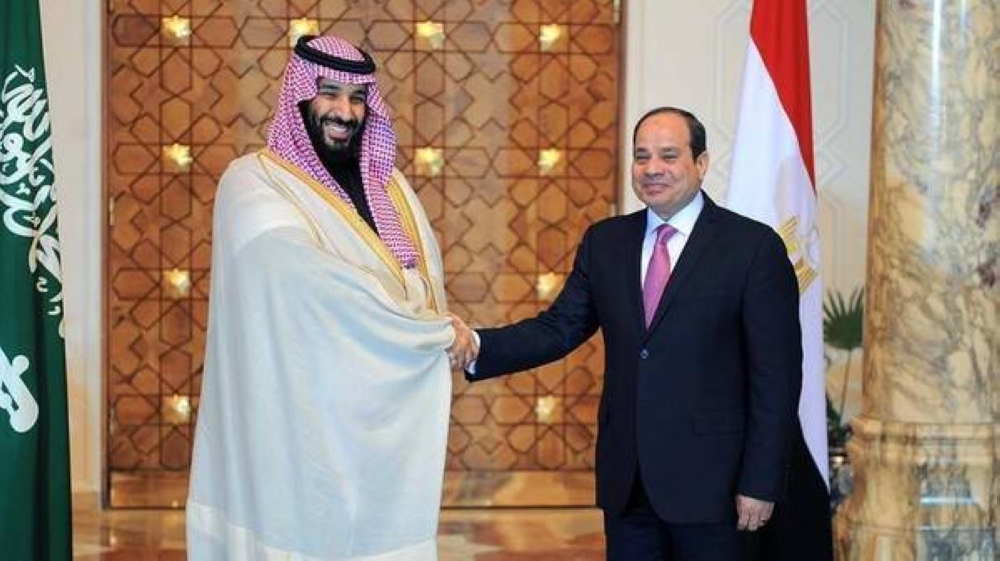
أصدر الرئيس المصري عبد الفتاح السيسي قرار رقم 55 لسنة 2025 بشأن الموافقة على محضر تشكيل مجلس التنسيق الأعلى السعودي المصري. ويهدف المجلس إلى تعزيز العلاقات الثنائية بين البلدين الشقيقين في جميع المجالات.
يتولى رئاسة الجانب السعوي في المجلس ولي العهد رئيس مجلس الوزراء الأمير محمد بن سلمان، فيما يتولى رئاسة الجانب المصري الرئيس عبدالفتاح السيسي.
ويأتي تشكيل مجلس التنسيق الأعلى المصري السعودي انطلاقاً من الروابط التاريخية الوثيقة التي تجمع السعودية ومصر، واستناداً إلى توجيهات قيادتي البلدين بتعزيز التعاون في شتى المجالات.
ويضم المجلس عدداً من الوزراء والمسؤولين من البلدين فى المجالات ذات الصلة بالمهمات المسندة إليه، ويقوم كل جانب بتزويد الجانب الآخر بأسماء ممثليه في المجلس، ويكون لكل جانب أمين يتولى التنسيق مع نظيره في الجانب الآخر واتخاذ ما يلزم لتنفيذ المهمات المنصوص عليها في المحضر.
ويعقد المجلس اجتماعاته دورياً وبالتناوب في السعودية ومصر، وللمجلس أن يعقد اجتماعات استثنائية كلما دعت الحاجة إلى ذلك، وله تشكيل لجان تحضيرية لمساندته في إنهاء المهمات المسندة إليه.
The Egyptian President Abdel Fattah El-Sisi issued Decision No. 55 of 2025 regarding the approval of the minutes for the formation of the Saudi-Egyptian Higher Coordination Council. The council aims to enhance bilateral relations between the two brotherly countries in all fields.
The Saudi side of the council is chaired by Crown Prince and Prime Minister Mohammed bin Salman, while the Egyptian side is chaired by President Abdel Fattah El-Sisi.
The formation of the Saudi-Egyptian Higher Coordination Council comes from the strong historical ties that bind Saudi Arabia and Egypt, and based on the directives of the leaderships of both countries to enhance cooperation in various fields.
The council includes a number of ministers and officials from both countries in areas relevant to the tasks assigned to it, and each side provides the other with the names of its representatives in the council. Each side has a secretary responsible for coordinating with their counterpart on the other side and taking the necessary actions to implement the tasks outlined in the minutes.
The council holds its meetings periodically and alternately in Saudi Arabia and Egypt, and it may hold extraordinary meetings whenever necessary. It also has the authority to form preparatory committees to assist it in completing the tasks assigned to it.