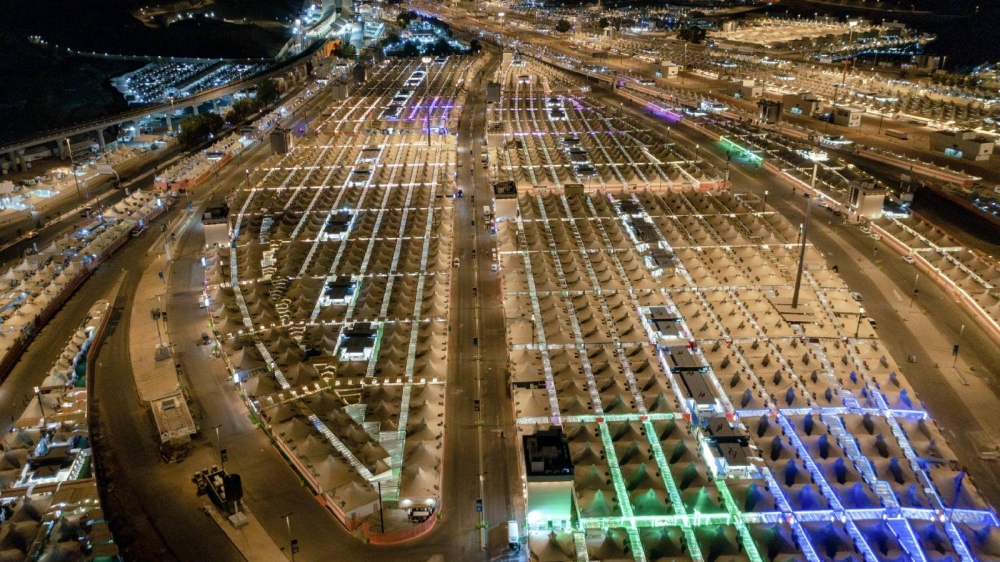

فريضة الحج يؤديها المسلم مرة واحدة في العمر إن استطاع إليه سبيلاً، وأنفقت المملكة المليارات لتهيئة المشاعر المقدسة ليؤدي المسلمون الشعيرة بيسر، كما سخرت كل إمكاناتها لتحقيق هذا الهدف، ووضعت التنظيمات لإنجاح الموسم و راعت الأعداد الهائلة التي تتوافد إلى المشاعر المقدسة من شتى بقاع الأرض لأداء الفريضة في مساحات محددة، ما استلزم سن التنظيمات و القوانين بما يضمن سلامة وأمن الحجاج، ومن أهم الضوابط، نظام تصاريح الحج، الذي وضع لضمان حج مثالي، و الالتزام بالإرشادات والتعليمات التي تضمن أداءً صحيحاً وسلساً وآمناً.
ولم يكن شعار «لا حج بلا تصريح» مجرد شعار يطلق أو عبارات تردد، فكان له الأثر الكبير في إنجاح الحج، كما قضى على كثير من التصرفات و التحايل الذي يعمد إليه البعض في محاولة للالتفاف على الأنظمة، مخالفاً الأوامر والتنظيمات، فيجتهد في محاولة الدخول للمشاعر برغم التأكيدات على أن «الحج أشهر معلومات فمن فرض فيهن الحج فلا رفث ولا فسوق ولا جدال في الحج».
ومن شروط الحج «الاستطاعة» التي تشمل مفهوم الرحلة والغذاء لتصل إلى المساحة الجغرافية للمشاعر، فضيق جغرافية المكان رغم الجهود المبذولة للتوسعة، تستلزم التنظيمات، فأعداد المسلمين المليارية تستدعي التشدد في تطبيق التعليمات، فلا حج بلا تصريح، ومن يخالف ذلك بحثاً عن مصلحة ذاتية يُزجر ويُمنع ويُعاقب نظامياً.
إن شعار «لا حج بلا تصريح» الذي أطلقته وزارة الداخلية لم يأتِ من فراغ، بل هو نابع من حاجة ملحة لتنظيم حركة الحجاج، وتفادي الزحام الذي قد يؤدي إلى حوادث، أو اختناقات بشرية، فالتصريح لا يُعد مجرد ورقة رسمية، بل وسيلة لضمان أن كل حاج لديه سكن، وخدمة صحية، وإعاشة، ومتابعة أمنية تضمن له أداء مناسكه بأمان وسكينة.
مخالفة شرط التصريح إخلال بالمقاصد الشرعية
طوال الحقب الماضية، ظلت ظاهرة الحج غير النظامي وما تخلفه من افتراش و ظواهر سلبية تشكل هاجساً كبيراً لدى الجهات المختصة، التي عملت على تطويقها، ومعاقبة المتورطين فيها، و أثمرت الجهود عن محاصرة ظاهرة غير النظاميين والافتراش، التي انتهت تماماً وذهبت إلى غير رجعة بفضل الآليات الحاسمة التي وضعتها الجهات المختصة.
وظل المخالفون -طوال الحقب السابقة- يتفننون في ابتداع الطرق والأساليب التي توصلهم إلى مكة والمشاعر المقدسة، وعلى ذات المستوى طورت الأجهزة أساليب عملها في الضبط والملاحقة والحصار ولم يعد بمقدور المخالفين التسلل والعبور، إذ تتصدى لهم القوات الأمنية في كل مكان في الدروب الوعرة، وسفوح الجبال، والطرق غير المطروقة، والبراري، والصحارى.
وشدد مفتي عام المملكة رئيس هيئة كبار العلماء والرئيس العام للبحوث العلمية والإفتاء، الشيخ عبدالعزيز آل الشيخ، على ضرورة الالتزام التام بالتعليمات الصادرة من الجهات المختصة، وفي مقدمتها الحصول على التصريح الرسمي.
وأكّد أن أداء الحج دون تصريح يُعدّ مخالفة شرعية جسيمة، لما فيه من تجاوز للنظام وتعدٍّ على المصلحة العامة، محذراً من أن «مخالفة التعليمات الصادرة من الجهات المعنية للحج تُعدّ مخالفة صريحة لأوامر ولي الأمر ومنافية للشرع المطهر».
وأضاف: «من يُقدم على أداء الحج دون تصريح فإنه يتحمل إثماً شرعياً، لما في ذلك من إضرار بالنظام العام وإخلال بالمقاصد الشرعية التي تحرص على حفظ النظام ومنع الفوضى، وتحقيق مصالح العباد».
التصريح يقلل مخاطر الازدحام والتدافع أكدت هيئة كبار العلماء أن الالتزام باستخراج تصريح الحج والتزام قاصدي المشاعر المقدسة يتفق والمصلحة المطلوبة شرعاً، حيث جاءت الشريعة بتحسين المصالح وتكثيرها ودرء المفاسد وتقليلها، وأوضحت أنه لا يجوز الذهاب إلى الحج دون أخذ تصريح، ويأثم فاعله، ومن لم يتمكن من استخراج التصريح فإنه في حكم عدم المستطيع.
و بينت إن الالتزام باستخراج تصريح الحج مستند إلى ما تقرره الشريعة الإسلامية من التيسير على العباد، في القيام بعبادتهم وشعائرهم ورفع الحرج عنهم، والإلزام باستخراج تصريح الحج إنما جاء بقصد تنظيم عدد الحجاج بما يمكِّن هذه الجموع الكبيرة من أداء هذه الشعيرة بسكينة وسلامة، وهذا مقصد شرعي صحيح تقرره أدلة الشريعة وقواعدها.
وأضافت أن الالتزام باستخراج تصريح الحج والتزام قاصدي المشاعر المقدسة بذلك يتفق والمصلحة المطلوبة شرعاً، ذلك أن الجهات الحكومية المعنية بتنظيم الحج ترسم خطة موسم الحج بجوانبها المتعددة، الأمنية، والصحية، والإيواء والإعاشة، والخدمات الأخرى، وفق الأعداد المصرح لها، وكلما كان عدد الحجاج متوافقا مع المصرح لهم كان ذلك محققاً لجودة الخدمات التي تقدم للحجاج، ويدفع مفاسد عظيمة من الافتراش في الطرقات الذي يعيق تنقلاتهم وتفويجهم وتقليل مخاطر الازدحام والتدافع المؤدية إلى التهلكة.
أبلغوا عنهم
دعت وزارة الداخلية للإبلاغ عن كل من يقوم أو يحاول القيام بنقل مخالفي أنظمة وتعليمات الحج بالاتصال بالرقم 911 في مناطق مكة المكرمة، والمدينة المنورة، والرياض، والشرقية، والرقم 999 في بقية مناطق المملكة.
وشددت على تطبيق غرامة مالية تصل إلى 100 ألف ريالٍ بحق كل من يقوم بنقل حاملي تأشيرات الزيارة، أو يحاول نقلهم؛ بهدف إيصالهم إلى مدينة مكة المكرمة، والمشاعر المقدسة بداية من الأول من شهر ذي القعدة حتى نهاية اليوم الـ 14 من شهر ذي الحجة، ومصادرة وسيلة النقل البري التي يثبت استخدامها في نقل حاملي تأشيرة الزيارة بأنواعها كافة.
وأهابت الوزارة بالجميع الالتزام بأنظمة وتعليمات الحج، التي تهدف إلى المحافظة على أمن وسلامة الحجاج؛ لأداء مناسكهم بيسر وطمأنينة.
لا تعيقوا حركة الطائفين
شدّدت وزارة الحج والعمرة على ضرورة التزام ضيوف الرحمن بالنظام وعدم الافتراش في الممرات والساحات، وذلك حرصاً على سلامتهم وسلامة الآخرين خلال أداء مناسك الحج.
وأكّدت الوزارة أن ظاهرة الافتراش تؤدي إلى صعوبة حركة الطائفين والمصلين، وتأخير وصول الفرق الإسعافية عند الحاجة، وتفاقم حالات التزاحم التي تهدد السلامة العامة.
ودعت الوزارة، الحجاج، إلى التوجّه إلى الفندق أو المخيم عند الحاجة إلى الراحة، مشيرة إلى أن الالتزام بالمكان المخصّص يضمن حجاً أكثر راحة وأماناً.
وأكد أمنيون ومختصون أن العقوبات التي أُعلنت ضد مخالفي أنظمة الحج ساهمت في ترجمة مفهوم صناعة الحج الحقيقي من خلال الحد من الظواهر السلبية والسلوكيات التي تؤثر على قدسية المشاعر، ولا تتوافق مع شعيرة الحج ومن أبرزها الافتراش.
وبين الخبير الأمني اللواء متقاعد سالم المطرفي أن ارتفاع الوتيرة الأمنية والجهود المبذولة ساهم في منع الافتراش عبر منع دخول غير المصرح لهم بالدخول للمشاعر المقدسة، وأسهمت العقوبات في ردع من يعتزم مخالفة أنظمة الحج.
وبين اللواء متقاعد محمد الغامدي أن الحملة التوعوية التي نفذتها وزارة الداخلية أسهمت في ما نشاهده من حج تميز بكل أركانه، فخلت المشاعر من الافتراش وتكاملت الخدمات.
«الافتراش» سيرة وانتهت
6 يونيو 2025 - 02:28
|
آخر تحديث 6 يونيو 2025 - 02:28


تابع قناة عكاظ على الواتساب
إبراهيم العلوي (جدة)i_waleeed22@
The obligation of Hajj is performed by Muslims once in a lifetime if they are able to do so. The Kingdom has spent billions to prepare the holy sites so that Muslims can perform this ritual with ease. It has also harnessed all its resources to achieve this goal, implementing regulations to ensure the success of the season while considering the enormous numbers of people arriving at the holy sites from various parts of the world to perform the obligation in designated areas. This necessitated the enactment of regulations and laws that guarantee the safety and security of the pilgrims. One of the most important controls is the Hajj permit system, which was established to ensure an ideal pilgrimage and adherence to the guidelines and instructions that ensure a correct, smooth, and safe performance.
The slogan "No Hajj without a permit" was not just a slogan or a phrase to be repeated; it had a significant impact on the success of Hajj, as it eliminated many behaviors and tricks that some resort to in an attempt to circumvent the regulations, violating orders and regulations. They strive to enter the holy sites despite the confirmations that "Hajj is during the known months; so whoever intends to perform Hajj therein, there shall be no sexual relations, no wrongdoing, and no disputing during Hajj."
One of the conditions for Hajj is "ability," which includes the concept of travel and sustenance to reach the geographical area of the holy sites. The geographical constraints of the area, despite the efforts made for expansion, require regulations. The billions of Muslims necessitate strict adherence to the instructions; there is no Hajj without a permit, and those who violate this in search of personal gain will be reprimanded, banned, and legally punished.
The slogan "No Hajj without a permit," launched by the Ministry of Interior, did not arise from nothing; rather, it stems from an urgent need to organize the movement of pilgrims and avoid congestion that could lead to accidents or human bottlenecks. The permit is not merely an official document but a means to ensure that every pilgrim has accommodation, health services, sustenance, and security monitoring that guarantees them the safe and peaceful performance of their rituals.
Violating the permit condition undermines the legitimate objectives
Throughout the past eras, the phenomenon of irregular Hajj and its resulting issues, such as overcrowding and negative behaviors, has been a major concern for the relevant authorities, which have worked to contain it and punish those involved. The efforts have resulted in the complete eradication of the phenomenon of irregularities and overcrowding, thanks to the decisive mechanisms established by the relevant authorities.
For years, violators have been inventive in devising ways and methods to reach Mecca and the holy sites. At the same time, the authorities have developed their methods of control, pursuit, and containment, making it impossible for violators to sneak in or cross, as security forces confront them everywhere in rugged paths, mountain slopes, unpaved roads, wilderness, and deserts.
The Grand Mufti of the Kingdom, Chairman of the Council of Senior Scholars, and the General President of Scientific Research and Ifta, Sheikh Abdulaziz Al Sheikh, emphasized the necessity of complete adherence to the instructions issued by the relevant authorities, foremost among them obtaining the official permit.
He confirmed that performing Hajj without a permit is considered a serious legal violation, as it constitutes a breach of the system and a transgression against the public interest, warning that "violating the instructions issued by the relevant authorities for Hajj is a clear violation of the orders of the ruler and contrary to the pure Sharia."
He added: "Whoever proceeds to perform Hajj without a permit bears a legal sin, as it harms public order and undermines the legitimate objectives that seek to maintain order, prevent chaos, and achieve the interests of the people."
The permit reduces the risks of congestion and stampedes. The Council of Senior Scholars confirmed that adhering to obtaining a Hajj permit and the commitment of those heading to the holy sites aligns with the interest required by Sharia. The Sharia came to enhance benefits, increase them, avert evils, and reduce them. It clarified that it is not permissible to go to Hajj without obtaining a permit, and the doer is sinful. Those who cannot obtain a permit are considered unable to perform Hajj.
It was clarified that the commitment to obtaining a Hajj permit is based on what Sharia dictates regarding facilitating the worship and rituals of the servants and alleviating hardship from them. The requirement to obtain a Hajj permit was intended to organize the number of pilgrims in a way that enables these large crowds to perform this ritual with tranquility and safety, which is a legitimate objective supported by Sharia evidence and principles.
It was added that the commitment to obtaining a Hajj permit and the adherence of those heading to the holy sites to it aligns with the interest required by Sharia, as the government authorities responsible for organizing Hajj outline a plan for the Hajj season in its various aspects: security, health, accommodation, sustenance, and other services, according to the numbers authorized. The more the number of pilgrims aligns with those permitted, the better the quality of services provided to them, thus preventing significant evils from overcrowding in the streets that impede their movement and reduce the risks of congestion and stampedes that could lead to disaster.
Report them
The Ministry of Interior called for reporting anyone who transports or attempts to transport violators of Hajj regulations and instructions by calling 911 in the regions of Mecca, Medina, Riyadh, and the Eastern Province, and 999 in the rest of the Kingdom's regions.
It emphasized the application of a financial penalty of up to 100,000 riyals against anyone who transports holders of visit visas or attempts to transport them to Mecca and the holy sites starting from the first of Dhul-Qi'dah until the end of the 14th day of Dhul-Hijjah, and the confiscation of the land transportation means proven to be used in transporting holders of visit visas of all types.
The ministry urged everyone to adhere to the Hajj regulations and instructions, which aim to maintain the safety and security of the pilgrims so they can perform their rituals with ease and reassurance.
Do not obstruct the movement of the pilgrims
The Ministry of Hajj and Umrah emphasized the necessity for the guests of Rahman to adhere to the system and not to overcrowd the corridors and squares, in order to ensure their safety and the safety of others during the performance of Hajj rituals.
The ministry confirmed that the phenomenon of overcrowding leads to difficulties in the movement of pilgrims and worshippers, delays in the arrival of emergency teams when needed, and exacerbates cases of congestion that threaten public safety.
The ministry called on pilgrims to head to their hotels or camps when they need to rest, indicating that adhering to the designated areas ensures a more comfortable and safer Hajj.
Security and specialists confirmed that the penalties announced against violators of Hajj regulations contributed to translating the concept of the true Hajj industry by limiting negative phenomena and behaviors that affect the sanctity of the holy sites and do not align with the Hajj ritual, most notably overcrowding.
Retired Major General Salem Al-Mutrafi indicated that the heightened security measures and efforts made have contributed to preventing overcrowding by prohibiting the entry of those not authorized to access the holy sites, and the penalties have deterred those intending to violate Hajj regulations.
Retired Major General Mohammed Al-Ghamdi noted that the awareness campaign carried out by the Ministry of Interior has contributed to what we see in Hajj, which has been distinguished in all its aspects, as the holy sites were free of overcrowding and services were integrated.
The slogan "No Hajj without a permit" was not just a slogan or a phrase to be repeated; it had a significant impact on the success of Hajj, as it eliminated many behaviors and tricks that some resort to in an attempt to circumvent the regulations, violating orders and regulations. They strive to enter the holy sites despite the confirmations that "Hajj is during the known months; so whoever intends to perform Hajj therein, there shall be no sexual relations, no wrongdoing, and no disputing during Hajj."
One of the conditions for Hajj is "ability," which includes the concept of travel and sustenance to reach the geographical area of the holy sites. The geographical constraints of the area, despite the efforts made for expansion, require regulations. The billions of Muslims necessitate strict adherence to the instructions; there is no Hajj without a permit, and those who violate this in search of personal gain will be reprimanded, banned, and legally punished.
The slogan "No Hajj without a permit," launched by the Ministry of Interior, did not arise from nothing; rather, it stems from an urgent need to organize the movement of pilgrims and avoid congestion that could lead to accidents or human bottlenecks. The permit is not merely an official document but a means to ensure that every pilgrim has accommodation, health services, sustenance, and security monitoring that guarantees them the safe and peaceful performance of their rituals.
Violating the permit condition undermines the legitimate objectives
Throughout the past eras, the phenomenon of irregular Hajj and its resulting issues, such as overcrowding and negative behaviors, has been a major concern for the relevant authorities, which have worked to contain it and punish those involved. The efforts have resulted in the complete eradication of the phenomenon of irregularities and overcrowding, thanks to the decisive mechanisms established by the relevant authorities.
For years, violators have been inventive in devising ways and methods to reach Mecca and the holy sites. At the same time, the authorities have developed their methods of control, pursuit, and containment, making it impossible for violators to sneak in or cross, as security forces confront them everywhere in rugged paths, mountain slopes, unpaved roads, wilderness, and deserts.
The Grand Mufti of the Kingdom, Chairman of the Council of Senior Scholars, and the General President of Scientific Research and Ifta, Sheikh Abdulaziz Al Sheikh, emphasized the necessity of complete adherence to the instructions issued by the relevant authorities, foremost among them obtaining the official permit.
He confirmed that performing Hajj without a permit is considered a serious legal violation, as it constitutes a breach of the system and a transgression against the public interest, warning that "violating the instructions issued by the relevant authorities for Hajj is a clear violation of the orders of the ruler and contrary to the pure Sharia."
He added: "Whoever proceeds to perform Hajj without a permit bears a legal sin, as it harms public order and undermines the legitimate objectives that seek to maintain order, prevent chaos, and achieve the interests of the people."
The permit reduces the risks of congestion and stampedes. The Council of Senior Scholars confirmed that adhering to obtaining a Hajj permit and the commitment of those heading to the holy sites aligns with the interest required by Sharia. The Sharia came to enhance benefits, increase them, avert evils, and reduce them. It clarified that it is not permissible to go to Hajj without obtaining a permit, and the doer is sinful. Those who cannot obtain a permit are considered unable to perform Hajj.
It was clarified that the commitment to obtaining a Hajj permit is based on what Sharia dictates regarding facilitating the worship and rituals of the servants and alleviating hardship from them. The requirement to obtain a Hajj permit was intended to organize the number of pilgrims in a way that enables these large crowds to perform this ritual with tranquility and safety, which is a legitimate objective supported by Sharia evidence and principles.
It was added that the commitment to obtaining a Hajj permit and the adherence of those heading to the holy sites to it aligns with the interest required by Sharia, as the government authorities responsible for organizing Hajj outline a plan for the Hajj season in its various aspects: security, health, accommodation, sustenance, and other services, according to the numbers authorized. The more the number of pilgrims aligns with those permitted, the better the quality of services provided to them, thus preventing significant evils from overcrowding in the streets that impede their movement and reduce the risks of congestion and stampedes that could lead to disaster.
Report them
The Ministry of Interior called for reporting anyone who transports or attempts to transport violators of Hajj regulations and instructions by calling 911 in the regions of Mecca, Medina, Riyadh, and the Eastern Province, and 999 in the rest of the Kingdom's regions.
It emphasized the application of a financial penalty of up to 100,000 riyals against anyone who transports holders of visit visas or attempts to transport them to Mecca and the holy sites starting from the first of Dhul-Qi'dah until the end of the 14th day of Dhul-Hijjah, and the confiscation of the land transportation means proven to be used in transporting holders of visit visas of all types.
The ministry urged everyone to adhere to the Hajj regulations and instructions, which aim to maintain the safety and security of the pilgrims so they can perform their rituals with ease and reassurance.
Do not obstruct the movement of the pilgrims
The Ministry of Hajj and Umrah emphasized the necessity for the guests of Rahman to adhere to the system and not to overcrowd the corridors and squares, in order to ensure their safety and the safety of others during the performance of Hajj rituals.
The ministry confirmed that the phenomenon of overcrowding leads to difficulties in the movement of pilgrims and worshippers, delays in the arrival of emergency teams when needed, and exacerbates cases of congestion that threaten public safety.
The ministry called on pilgrims to head to their hotels or camps when they need to rest, indicating that adhering to the designated areas ensures a more comfortable and safer Hajj.
Security and specialists confirmed that the penalties announced against violators of Hajj regulations contributed to translating the concept of the true Hajj industry by limiting negative phenomena and behaviors that affect the sanctity of the holy sites and do not align with the Hajj ritual, most notably overcrowding.
Retired Major General Salem Al-Mutrafi indicated that the heightened security measures and efforts made have contributed to preventing overcrowding by prohibiting the entry of those not authorized to access the holy sites, and the penalties have deterred those intending to violate Hajj regulations.
Retired Major General Mohammed Al-Ghamdi noted that the awareness campaign carried out by the Ministry of Interior has contributed to what we see in Hajj, which has been distinguished in all its aspects, as the holy sites were free of overcrowding and services were integrated.