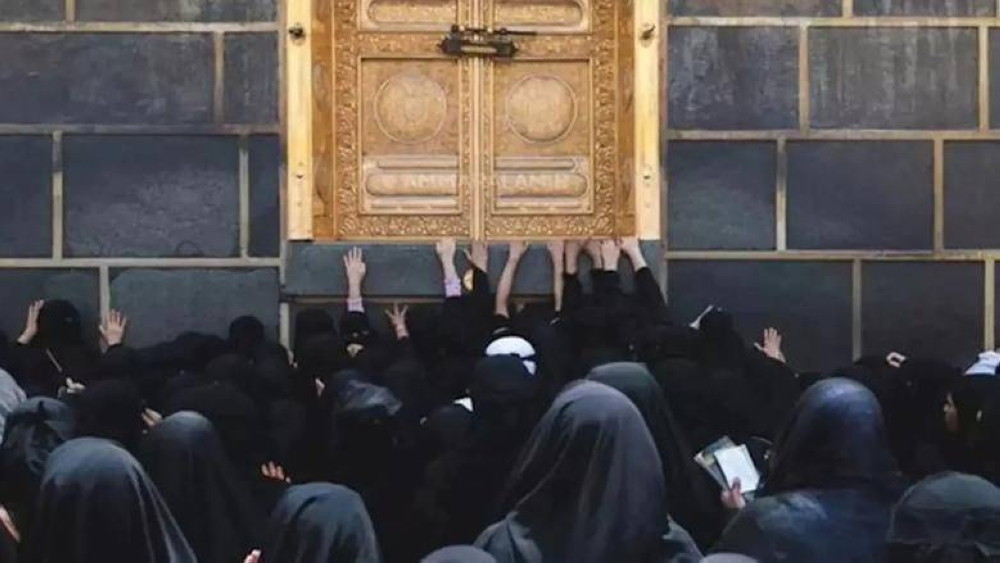
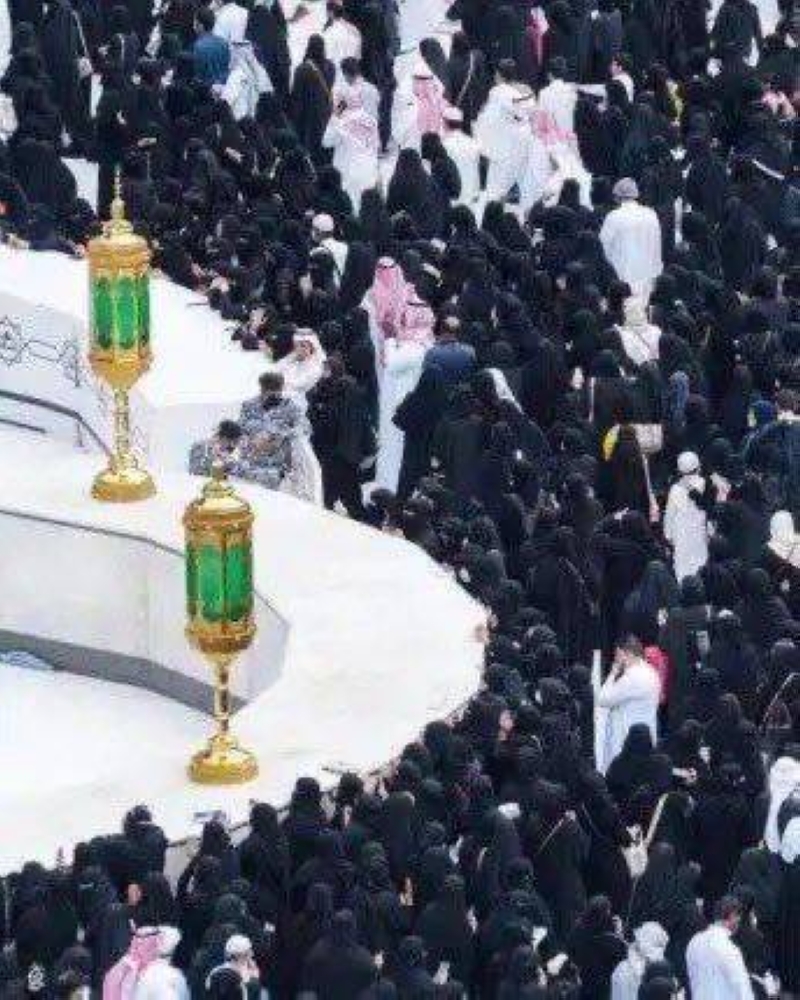
يوم الخُلَّيْفْ هو مسمى شائع عند أهالي مكة المكرمة ليوم التاسع من شهر ذي الحجة الموافق ليوم عرفة، وهو اليوم الذي تنطلق فيه معظم النساء بصحبة الأطفال من ضواحي وهِجَر مكة المكرمة إلى الحرم المكي، في الوقت الذي يتوجه فيه الحجاج إلى صعيد عرفات.
تحرص نساء مكة على إحياء «يوم الخُليّف»، في اليوم التاسع من ذي الحجة من كل عام، وهو تقليد سنوي فريد بعدما تخلو أحياء مكة المكرمة من الحجاج، لوجودهم في مشعر عرفات.
في هذا اليوم الموافق ليوم عرفة، يكتظ الحرم المكي بالنساء اللائي يفدن مبكراً ويبدأن الطواف حول الكعبة، ويقدمن الإفطار للصائمين، ثم يؤدين صلاة المغرب ولا يخرجن إلا بعد صلاة العشاء.
و يعود مسمى يوم «الخُليّف»، وفق المتداول إلى روايتين، الأولى إن «الخُليّف» تعني من تخلّف عن الحج، وهي تسمية شائعة عند أهالي مكة المكرمة، لأن جميع زوار المسجد الحرام في هذا اليوم وغالبيتهم من النساء أو قلة قليلة من الرجال، هم ممن لم يتيسر لهم الحج أو المشاركة في خدمة الحجاج فيستقر بهم إلى التوجه نحو الحرم للصلاة و العبادة.
و في رواية ثانية أشير إلى أن «الخُليف» هو أن النساء يخلفن الرجال في خدمة الحرم و يقدمن الإفطار للصائمين، بعد أن يكون الرجال قد ذهبوا إلى المشاعر المقدسة لخدمة الحجاج.
والخُلَّيْف عادة مكية ارتبطت بسكان مكة منذ خمسة عقود، تبدو على إثرها ساحات الحرم المكي ذات منظر استثنائي يغطيه السواد وهو اللون المعروف لعباءات النساء.
The Day of Al-Khalif is a common term among the people of Mecca for the ninth day of the month of Dhul-Hijjah, which corresponds to the Day of Arafah. It is the day when most women, accompanied by children, head from the outskirts and neighborhoods of Mecca to the Grand Mosque, while the pilgrims make their way to the plains of Arafah.
The women of Mecca are keen to celebrate "the Day of Al-Khalif" on the ninth of Dhul-Hijjah each year. It is a unique annual tradition after the neighborhoods of Mecca are emptied of pilgrims, who are present at the sacred site of Arafah.
On this day, which coincides with the Day of Arafah, the Grand Mosque is crowded with women who arrive early and begin to perform Tawaf around the Kaaba. They provide breakfast for the fasting individuals and then perform the Maghrib prayer, not leaving until after the Isha prayer.
The term "Al-Khalif," according to common understanding, has two narratives. The first is that "Al-Khalif" refers to those who did not go for Hajj, a term commonly used among the people of Mecca, as all visitors to the Sacred Mosque on this day, the majority of whom are women or a small number of men, are those who could not perform Hajj or participate in serving the pilgrims, thus they head towards the mosque for prayer and worship.
In a second narrative, it is mentioned that "Al-Khalif" means that women take the place of men in serving the mosque and provide breakfast for the fasting individuals, after the men have gone to the holy sites to serve the pilgrims.
The Day of Al-Khalif is a Meccan tradition that has been associated with the residents of Mecca for five decades, during which the courtyards of the Grand Mosque take on an exceptional appearance, covered in black, the color known for women's abayas.