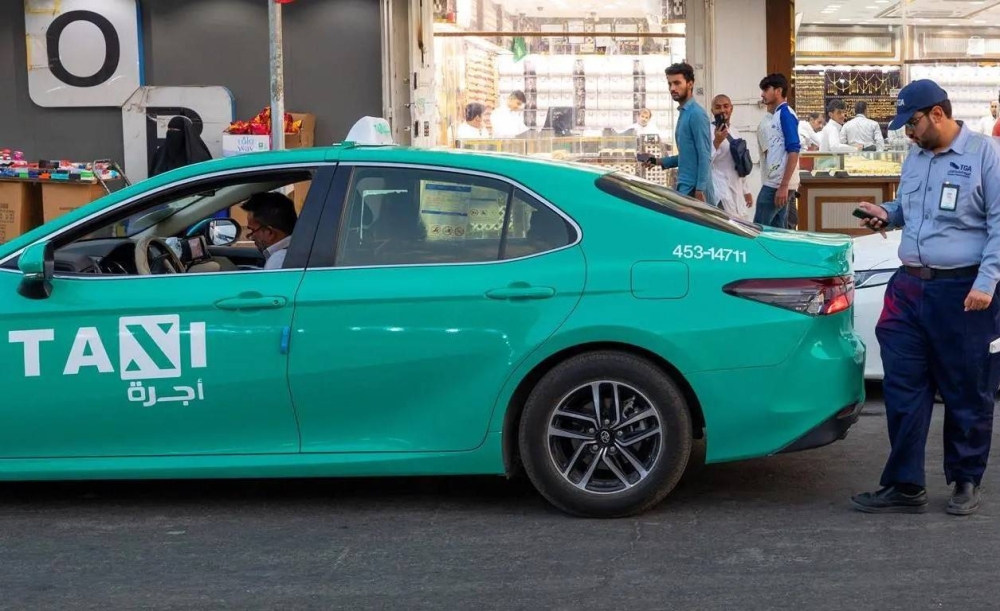
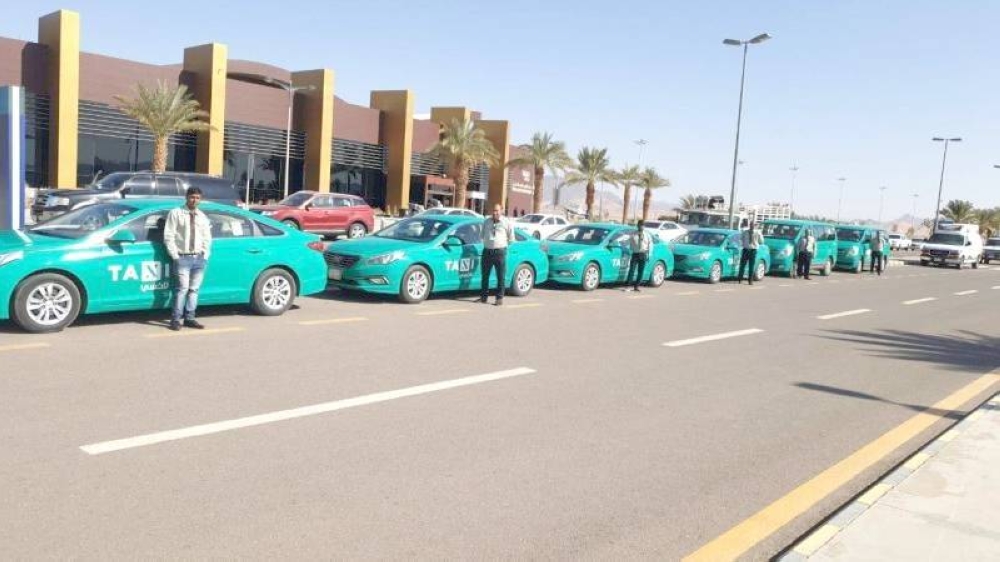
نبهت الهيئة العامة للنقل إلى أن عدم تشغيل العداد الإلكتروني في سيارات الأجرة خلال موسم الحج يعد مخالفة صريحة تُعرض مرتكبها لغرامة مالية تصل إلى 3 آلاف ريال.
وأوضحت الهيئة أن جميع سائقي مركبات الأجرة مُلزَمون بتشغيل العداد الإلكتروني قبل بدء كل رحلة، مشيرة إلى أن الالتزام بهذا الإجراء يضمن العدالة في احتساب تكلفة التنقل بين المواقع المختلفة، ويعزز الشفافية بين السائق والراكب خلال موسم الحج.وبيّنت أن من أبرز متطلبات الامتثال للنظام تزويد المركبات بالتجهيزات الفنية المعتمدة، التي تشمل الهوية الرسمية للسيارة، وشعار «سيارة أجرة»، إضافة إلى وسائل دفع إلكترونية، وطابعة لإصدار الفواتير، وذلك ضمن توجه الهيئة لرفع جودة الخدمات المقدمة للحجاج.وأكدت الهيئة العامة للنقل استمرارها في الإشراف على أنشطة النقل خلال موسم الحج بهدف تعزيز الخدمة وتوفير بيئة نقل آمنة ومنظمة. وشددت على أهمية التعامل مع الناقلين النظاميين، لما في ذلك من دور كبير في تسهيل حركة الحجاج وضمان سلامتهم أثناء تأدية المناسك.
The General Transport Authority has warned that failing to operate the electronic meter in taxis during the Hajj season constitutes a clear violation that exposes the offender to a financial penalty of up to 3,000 riyals.
The authority clarified that all taxi drivers are required to activate the electronic meter before starting each trip, noting that adherence to this procedure ensures fairness in calculating transportation costs between different locations and enhances transparency between the driver and the passenger during the Hajj season. It highlighted that among the key compliance requirements is equipping vehicles with approved technical installations, which include the official vehicle identification, the "Taxi" logo, as well as electronic payment methods and a printer for issuing invoices, as part of the authority's approach to improving the quality of services provided to pilgrims. The General Transport Authority confirmed its ongoing supervision of transportation activities during the Hajj season to enhance service and provide a safe and organized transportation environment. It emphasized the importance of dealing with licensed carriers, as this plays a significant role in facilitating the movement of pilgrims and ensuring their safety while performing the rituals.