


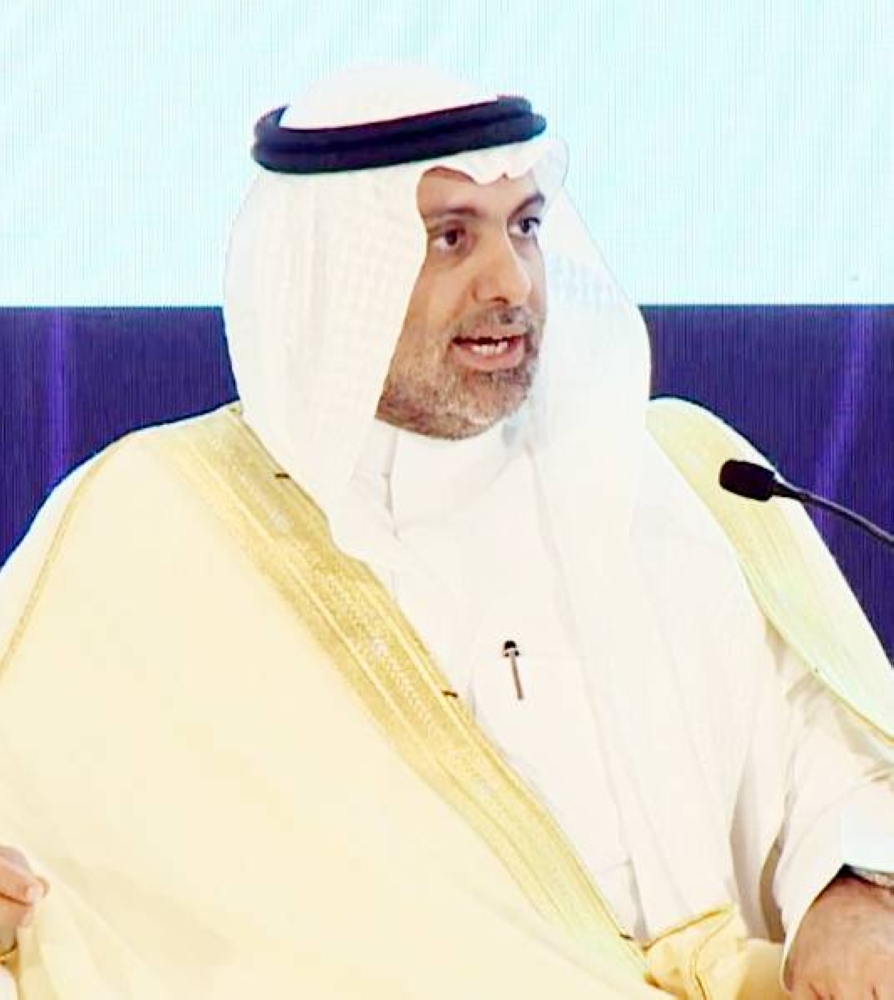
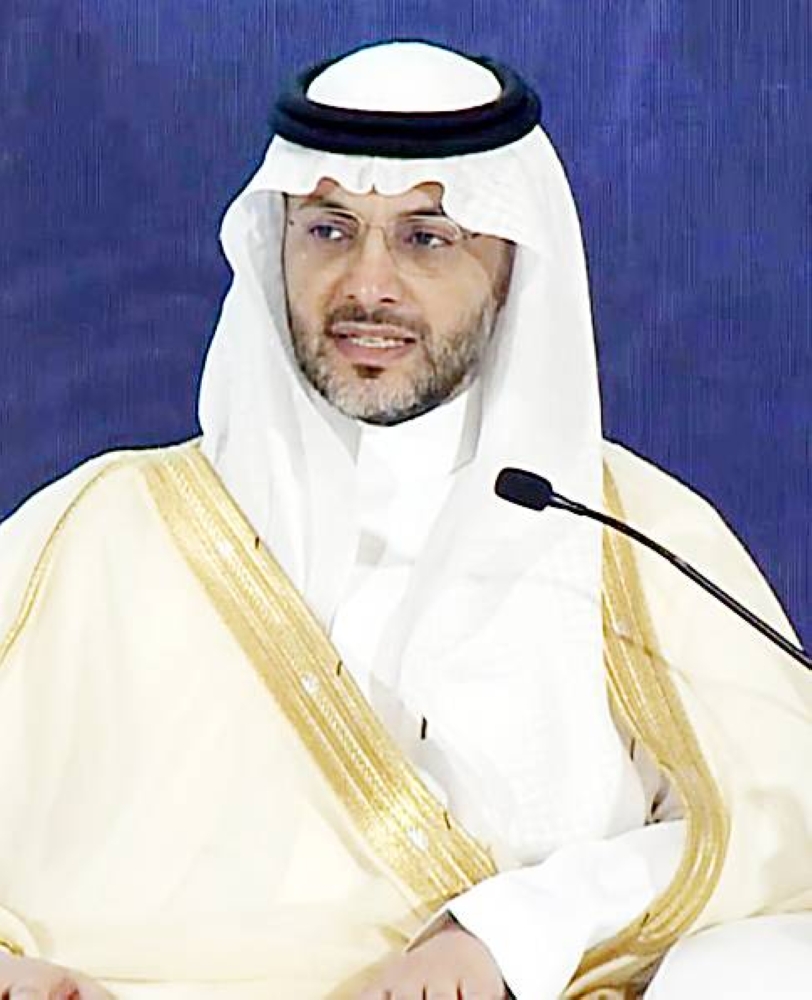
أعلن المستشار الخاص لخادم الحرمين الشريفين رئيس مجلس إدارة دارة الملك عبدالعزيز الأمير فيصل بن سلمان بن عبدالعزيز، الإطلاق الرسمي لملتقى «تاريخ الحج والحرمين الشريفين»، الذي تنظمه الدارة بالتعاون مع وزارة الحج، ليكون منصة علمية وثقافية رائدة تبرز الإرث التاريخي والحضاري للحرمين الشريفين.
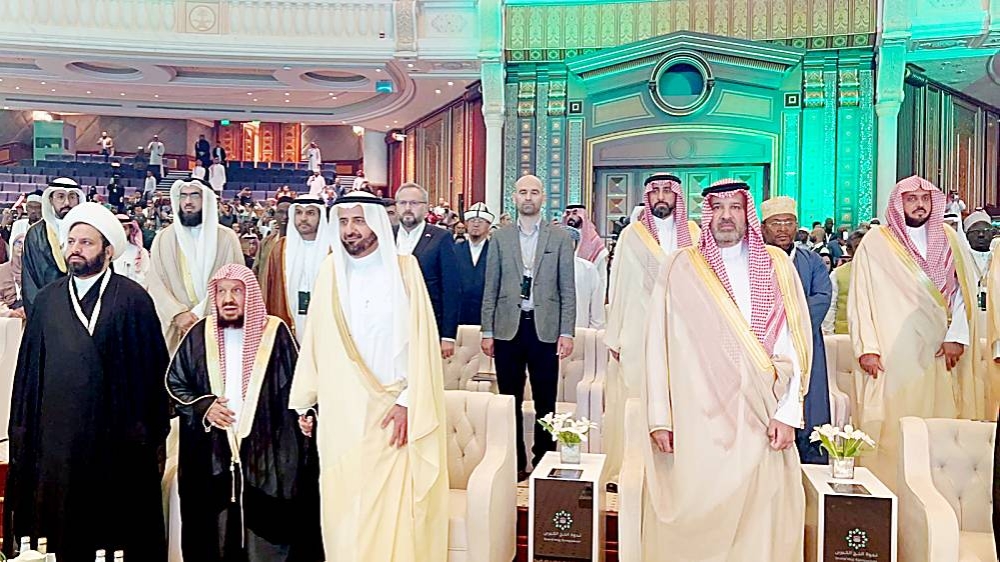
جاء ذلك، خلال انطلاق أعمال ندوة الحج الكبرى في دورتها الـ49، تحت عنوان «الاستطاعة في الحج والمستجدات المعاصرة»، بتنظيم من وزارة الحج بالتعاون مع هيئة كبار العلماء ودارة الملك عبدالعزيز.
وأكد الأمير فيصل بن سلمان، أن الملتقى يأتي في إطار تعزيز الإرث التاريخي للحج، وترسيخ مفاهيم التبادل العلمي والمعرفي مع العالم الإسلامي، مشيراً إلى أن المملكة لا تكتفي بتقديم الخدمات اللوجستية والتنظيمية لضيوف الرحمن، بل تعمل على إبراز العمق التاريخي والديني لهذه الرحلة الإيمانية العظيمة.
وما تقدمه المملكة في خدمة الحجاج والمعتمرين ليس امتداداً لتاريخ مشرف فحسب، بل هو تجسيد حي لرؤية طموحة تسعى للارتقاء بهذه الرسالة النبيلة. وأوضح، أن دارة الملك عبدالعزيز تعمل على تنفيذ مشروع علمي ومعرفي رائد تحت عنوان: «مشروع تاريخ الحج والحرمين الشريفين»، يوثق هذه الرحلة الإيمانية الكبرى منذ بداياتها وحتى يومنا هذا، ويُبرز الجوانب الحضارية والتنظيمية.
وزير الحج: توسيع النظر في مفهوم «الاستطاعة»
وزير الحج الدكتور توفيق الربيعة أكد، أن «ندوة الحج الكبرى» تمثل منبراً معرفياً إسلامياً فريداً، يعكس الاهتمام العميق الذي توليه المملكة لفريضة الحج، ويسلط الضوء على أبعادها الدينية والإنسانية والثقافية، ضمن رؤية شاملة لمواكبة التحديات المعاصرة.
ورحب، خلال كلمته الافتتاحية، بضيوف الندوة من علماء الأمة ومفكريها، مؤكداً أن الحدث العالمي يعكس التقاء العقول الإسلامية في رحاب شعيرة عظيمة، تسعى المملكة إلى خدمتها بكل طاقاتها. وأشار إلى أن الوزارة نفذت سلسلة من المشاريع النوعية في المشاعر؛ بهدف تحسين تجربة الحج والارتقاء بجودة الخدمات، من بينها تظليل مساحات تتجاوز 170 ألف متر مربع، وزراعة 20 ألف شجرة للمساهمة في تحسين البيئة وخفض درجات الحرارة، فضلاً عن إنشاء مسارات مطاطية لتخفيف الإجهاد البدني على الحجاج.
وفي إطار الرعاية الصحية، أوضح إنشاء مستشفى طوارئ و15 وحدة إسعافية، 71 نقطة تدخل سريع، وتدشين «المركز العام للنقل» نموذجاً مؤسسياً لإدارة الحركة والتنقل في مكة والمشاعر، بخطة تشغيلية مرنة تشمل الحافلات وقطار المشاعر، وبتنسيق تشاركي مع أكثر من 10 جهات حكومية.
ودعا الدكتور الربيعة، العلماء والباحثين المشاركين إلى توسيع النظر في مفهوم «الاستطاعة»، بما يراعي التطورات التقنية والصحية والبيئية، ويقرب الأحكام الشرعية من واقع الناس اليومي وتحدياتهم المعاصرة.
الجلاجل: 6 دقائق لنقل الأدوية بالدرون
أعلن وزير الصحة فهد الجلاجل، استخدام الطائرات (الدرون) في إيصال الإمدادات الدوائية للمستشفيات الميدانية في المشاعر، في سابقة نوعية، وقال كان يستغرق إيصال الأدوية للمستشفيات الساعة والنصف، وبفضل هذه التقنية أصبح الوقت لا يتجاوز 6 دقائق، مما يسرّع إنقاذ الأرواح في الحالات الحرجة.
واستعرض وزير الصحة قصة واقعية لحاج أُجريت له عملية قسطرة قلبية في المشاعر بنجاح، وتمت متابعته عن بُعد باستخدام ساعة طبية ذكية، وفي اليوم التالي للعملية، خرج الحاج من المستشفى، ووُضعت له ساعة تتابع نبضات قلبه، ونسبة الأكسجين، والضغط، وكل ذلك يُعرض مباشرة على شاشة الأطباء في المدينة الطبية.
وكشف الوزير الجلاجل أبرز الابتكارات الصحية لهذا العام، هي وحدة علاج السكتات الدماغية المتنقلة داخل الحرم، التي أنقذت حاجاً أوغندياً عمره 66 عاماً خلال الصلاة: «في أقل من 16 دقيقة نُقل من داخل الحرم، وتم إجراء جميع تدخلات علاج السكتة الدماغية خلال 36 دقيقة فقط، وهو وقت يُعد معياراً عالمياً... خرج الحاج من المستشفى خلال 24 ساعة بصحة تامة».
الرشيد: مركز خاص للتحكم في النقل
الرئيس التنفيذي للهيئة الملكية لمدينة مكة المكرمة والمشاعر المقدسة، المهندس صالح الرشيد، أشار في كلمته إلى أن مكتب متابعة مشاريع الحج يعمل على مدار الساعة لضمان جاهزية عالية وتنسيق محكم بين أكثر من 60 جهة معنية بالحج، وأعلن إطلاق مركز خاص للتحكم بعمليات النقل، يتولى متابعة الأداء لحظة بلحظة، ويراقب التزام الجهات بخطط التفويج، لتأمين بيئة تنقل آمنة وسلسة للحجاج، مؤكداً أن نجاح النقل مرهون بالتزام بعثات الحج ومقدمي الخدمة بخطوط التفويج المقرّة... هذه الخطوط تمنع تداخل الحافلات بالحشود وتُسهم في تنظيم مثالي لحركة الملايين.
وبين الرئيس التنفيذي للهيئة الملكية لمدينة مكة المكرمة والمشاعر المقدسة، أن خطط النقل لهذا العام تشمل تشغيل القطار بطاقة استيعابية تصل إلى 300 ألف حاج، إضافة إلى منظومة النقل الترددي التي تنقسم إلى ثلاثة مسارات رئيسية «الأول، الثاني، والثالث».
وكشف خطةً لإنشاء مسار ترددي رابع في موسم الحج القادم، مما يرفع كفاءة النقل ويعزز انسيابية الحركة داخل المشاعر.
فيصل بن سلمان يعلن الإطلاق الرسمي لملتقى «تاريخ الحج والحرمين»..
علماء ومفكرون في «ندوة الحج» يتداولون مفهوم «الاستطاعة» والمستجدات المعاصرة
2 يونيو 2025 - 06:13
|
آخر تحديث 2 يونيو 2025 - 06:13


تابع قناة عكاظ على الواتساب
إبراهيم العلوي (جدة) i_waleeed22@
The Special Advisor to the Custodian of the Two Holy Mosques and Chairman of the Board of Directors of the King Abdulaziz Foundation, Prince Faisal bin Salman bin Abdulaziz, announced the official launch of the forum "The History of Hajj and the Two Holy Mosques," which is organized by the foundation in collaboration with the Ministry of Hajj, to serve as a leading scientific and cultural platform that highlights the historical and civilizational heritage of the Two Holy Mosques.
This announcement came during the opening of the Grand Hajj Symposium in its 49th session, titled "Ability in Hajj and Contemporary Developments," organized by the Ministry of Hajj in collaboration with the Council of Senior Scholars and the King Abdulaziz Foundation.
Prince Faisal bin Salman emphasized that the forum comes as part of enhancing the historical heritage of Hajj and establishing concepts of scientific and knowledge exchange with the Islamic world, pointing out that the Kingdom does not only provide logistical and organizational services to the guests of Allah but also works to highlight the historical and religious depth of this great spiritual journey.
What the Kingdom offers in serving pilgrims and Umrah performers is not just an extension of a glorious history, but a living embodiment of an ambitious vision that seeks to elevate this noble message. He explained that the King Abdulaziz Foundation is working on implementing a pioneering scientific and knowledge project titled: "The History of Hajj and the Two Holy Mosques," which documents this great spiritual journey from its beginnings to the present day, highlighting its civilizational and organizational aspects.
Minister of Hajj: Expanding the Concept of "Ability"
Minister of Hajj Dr. Tawfiq Al-Rabiah confirmed that the "Grand Hajj Symposium" represents a unique Islamic knowledge platform that reflects the deep interest the Kingdom has in the Hajj pilgrimage, shedding light on its religious, humanitarian, and cultural dimensions, within a comprehensive vision to keep pace with contemporary challenges.
During his opening speech, he welcomed the symposium's guests from the scholars and thinkers of the nation, affirming that this global event reflects the convergence of Islamic minds in the realm of a great ritual, which the Kingdom strives to serve with all its capacities. He pointed out that the ministry has implemented a series of qualitative projects in the holy sites aimed at improving the Hajj experience and enhancing the quality of services, including shading areas exceeding 170,000 square meters, planting 20,000 trees to contribute to improving the environment and reducing temperatures, in addition to creating rubber pathways to alleviate physical stress on pilgrims.
In the context of healthcare, he explained the establishment of an emergency hospital and 15 ambulance units, 71 rapid intervention points, and the launch of the "General Transport Center" as an institutional model for managing movement and transportation in Mecca and the holy sites, with a flexible operational plan that includes buses and the train of the holy sites, coordinated collaboratively with more than 10 government entities.
Dr. Al-Rabiah called on participating scholars and researchers to expand their view on the concept of "ability," taking into account technological, health, and environmental developments, and bringing legal rulings closer to people's daily realities and their contemporary challenges.
Al-Jalajel: 6 Minutes to Deliver Medicines by Drone
Health Minister Fahd Al-Jalajel announced the use of drones to deliver medical supplies to field hospitals in the holy sites, marking a qualitative precedent. He stated that it used to take an hour and a half to deliver medicines to hospitals, but thanks to this technology, the time has been reduced to no more than 6 minutes, which accelerates the saving of lives in critical situations.
The Health Minister shared a real story of a pilgrim who successfully underwent a cardiac catheterization in the holy sites and was monitored remotely using a smart medical watch. The day after the procedure, the pilgrim was discharged from the hospital, and a watch was placed on him to monitor his heart rate, oxygen levels, and blood pressure, all of which were displayed directly on the doctors' screens at the medical city.
Minister Al-Jalajel revealed that one of the most significant health innovations this year is the mobile stroke treatment unit inside the sanctuary, which saved a 66-year-old Ugandan pilgrim during prayer: "In less than 16 minutes, he was transported from inside the sanctuary, and all stroke treatment interventions were completed within just 36 minutes, which is considered a global standard... The pilgrim was discharged from the hospital within 24 hours in full health."
Al-Rashid: A Special Center for Transport Control
The CEO of the Royal Commission for the City of Mecca and the Holy Sites, Engineer Saleh Al-Rashid, mentioned in his speech that the Hajj Projects Follow-up Office works around the clock to ensure high readiness and tight coordination among more than 60 entities concerned with Hajj. He announced the launch of a special center to control transport operations, which will monitor performance moment by moment and oversee the commitment of entities to the crowd management plans, to ensure a safe and smooth transportation environment for pilgrims, emphasizing that the success of transportation depends on the commitment of Hajj missions and service providers to the approved crowd management lines... These lines prevent the overlap of buses with crowds and contribute to an ideal organization of the movement of millions.
The CEO of the Royal Commission for the City of Mecca and the Holy Sites indicated that this year's transport plans include operating the train with a capacity of up to 300,000 pilgrims, in addition to a shuttle transport system that is divided into three main routes: "First, Second, and Third."
He revealed a plan to establish a fourth shuttle route in the upcoming Hajj season, which will enhance transportation efficiency and improve the flow of movement within the holy sites.
This announcement came during the opening of the Grand Hajj Symposium in its 49th session, titled "Ability in Hajj and Contemporary Developments," organized by the Ministry of Hajj in collaboration with the Council of Senior Scholars and the King Abdulaziz Foundation.
Prince Faisal bin Salman emphasized that the forum comes as part of enhancing the historical heritage of Hajj and establishing concepts of scientific and knowledge exchange with the Islamic world, pointing out that the Kingdom does not only provide logistical and organizational services to the guests of Allah but also works to highlight the historical and religious depth of this great spiritual journey.
What the Kingdom offers in serving pilgrims and Umrah performers is not just an extension of a glorious history, but a living embodiment of an ambitious vision that seeks to elevate this noble message. He explained that the King Abdulaziz Foundation is working on implementing a pioneering scientific and knowledge project titled: "The History of Hajj and the Two Holy Mosques," which documents this great spiritual journey from its beginnings to the present day, highlighting its civilizational and organizational aspects.
Minister of Hajj: Expanding the Concept of "Ability"
Minister of Hajj Dr. Tawfiq Al-Rabiah confirmed that the "Grand Hajj Symposium" represents a unique Islamic knowledge platform that reflects the deep interest the Kingdom has in the Hajj pilgrimage, shedding light on its religious, humanitarian, and cultural dimensions, within a comprehensive vision to keep pace with contemporary challenges.
During his opening speech, he welcomed the symposium's guests from the scholars and thinkers of the nation, affirming that this global event reflects the convergence of Islamic minds in the realm of a great ritual, which the Kingdom strives to serve with all its capacities. He pointed out that the ministry has implemented a series of qualitative projects in the holy sites aimed at improving the Hajj experience and enhancing the quality of services, including shading areas exceeding 170,000 square meters, planting 20,000 trees to contribute to improving the environment and reducing temperatures, in addition to creating rubber pathways to alleviate physical stress on pilgrims.
In the context of healthcare, he explained the establishment of an emergency hospital and 15 ambulance units, 71 rapid intervention points, and the launch of the "General Transport Center" as an institutional model for managing movement and transportation in Mecca and the holy sites, with a flexible operational plan that includes buses and the train of the holy sites, coordinated collaboratively with more than 10 government entities.
Dr. Al-Rabiah called on participating scholars and researchers to expand their view on the concept of "ability," taking into account technological, health, and environmental developments, and bringing legal rulings closer to people's daily realities and their contemporary challenges.
Al-Jalajel: 6 Minutes to Deliver Medicines by Drone
Health Minister Fahd Al-Jalajel announced the use of drones to deliver medical supplies to field hospitals in the holy sites, marking a qualitative precedent. He stated that it used to take an hour and a half to deliver medicines to hospitals, but thanks to this technology, the time has been reduced to no more than 6 minutes, which accelerates the saving of lives in critical situations.
The Health Minister shared a real story of a pilgrim who successfully underwent a cardiac catheterization in the holy sites and was monitored remotely using a smart medical watch. The day after the procedure, the pilgrim was discharged from the hospital, and a watch was placed on him to monitor his heart rate, oxygen levels, and blood pressure, all of which were displayed directly on the doctors' screens at the medical city.
Minister Al-Jalajel revealed that one of the most significant health innovations this year is the mobile stroke treatment unit inside the sanctuary, which saved a 66-year-old Ugandan pilgrim during prayer: "In less than 16 minutes, he was transported from inside the sanctuary, and all stroke treatment interventions were completed within just 36 minutes, which is considered a global standard... The pilgrim was discharged from the hospital within 24 hours in full health."
Al-Rashid: A Special Center for Transport Control
The CEO of the Royal Commission for the City of Mecca and the Holy Sites, Engineer Saleh Al-Rashid, mentioned in his speech that the Hajj Projects Follow-up Office works around the clock to ensure high readiness and tight coordination among more than 60 entities concerned with Hajj. He announced the launch of a special center to control transport operations, which will monitor performance moment by moment and oversee the commitment of entities to the crowd management plans, to ensure a safe and smooth transportation environment for pilgrims, emphasizing that the success of transportation depends on the commitment of Hajj missions and service providers to the approved crowd management lines... These lines prevent the overlap of buses with crowds and contribute to an ideal organization of the movement of millions.
The CEO of the Royal Commission for the City of Mecca and the Holy Sites indicated that this year's transport plans include operating the train with a capacity of up to 300,000 pilgrims, in addition to a shuttle transport system that is divided into three main routes: "First, Second, and Third."
He revealed a plan to establish a fourth shuttle route in the upcoming Hajj season, which will enhance transportation efficiency and improve the flow of movement within the holy sites.





