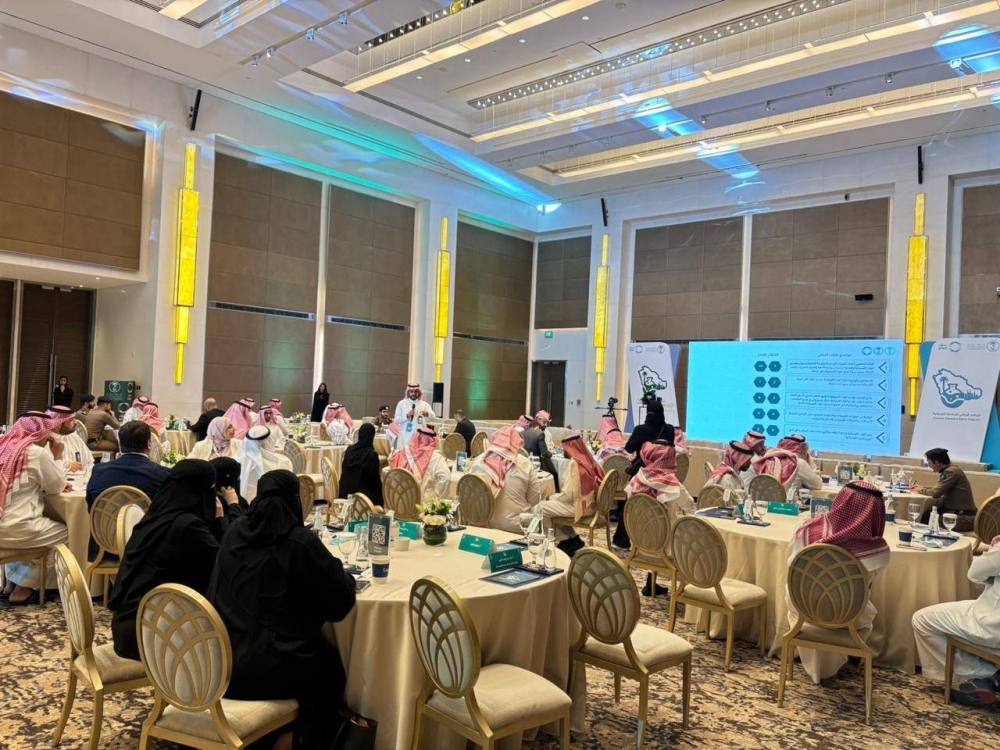
في خطوة تهدف إلى تقليل المخاطر البيئية والصحية، المرتبطة بالمواد الكيميائية، شرع المركز الوطني للرقابة على الالتزام البيئي، في تنفيذ المرحلة الأولى من برنامج وطني شامل، يركز على تصنيف وإدارة المواد الكيميائية، المستخدمة في المنشآت داخل المملكة، والبالغ عددها أكثر من 80 ألف مادة، موزعة على 2242 منشأة.
ويأتي هذا التوجه، في ظل تزايد القلق من الآثار البيئية والصحية، المترتبة على الاستخدام غير المنظم للمواد الكيميائية، سواء في القطاع الصناعي أو الزراعي أو التجاري، والتي قد تتسبب في تلوث التربة والمياه والهواء، أو تُشكّل خطراً على العاملين والمتعاملين معها، بشكل مباشر أو غير مباشر.
وأوضح لـ«عكاظ» الدكتور محمد الدوسري، مدير عام السلامة الكيميائية بالمركز، أن البرنامج يتضمن ست مراحل، تبدأ بمسح شامل للوضع الراهن، وتقييم المخزون الكيميائي في المملكة، وصولاً إلى إنشاء منصة رقمية وطنية، تحتوي على قاعدة بيانات مفصلة لهذه المواد، مع تصنيف دقيق لمستويات خطورتها.
وأكد أن الورشة التي نُظّمت مؤخراً بحضور جهات حكومية وخاصة، ناقشت إطاراً تنظيمياً جديداً لإدارة هذه المواد، مستنداً إلى تجارب دولية وأفضل الممارسات العالمية. ويهدف الإطار إلى ضمان السلامة البيئية، في مختلف مراحل التعامل مع المواد الكيميائية، بدءاً من الإنتاج أو الاستيراد، ومروراً بالنقل والتخزين والتسويق، وصولاً إلى المعالجة والتخلص النهائي.
وتشمل الخطة التنفيذية للبرنامج، وفقاً للدوسري، إعداد نموذج تشغيلي لتطوير الكفاءات الوطنية في هذا المجال، مع تعزيز الالتزام بالاتفاقيات البيئية الدولية، وتطبيق اشتراطات السلامة والصحة المهنية، فضلاً عن تنظيم عمليات التخزين والتداول وفق معايير علمية.
ويُعد هذا التوجه جزءاً من جهود أوسع، تسعى المملكة من خلالها إلى تعزيز الرقابة البيئية، وتحقيق أهداف الاستدامة، لاسيما في ظل تصاعد التحديات البيئية، وتنامي الحاجة إلى إدارة الموارد الخطرة بطريقة مسؤولة وشفافة.
In a move aimed at reducing environmental and health risks associated with chemicals, the National Center for Environmental Compliance has begun implementing the first phase of a comprehensive national program that focuses on the classification and management of chemicals used in facilities within the Kingdom, which number more than 80,000 substances distributed across 2,242 facilities.
This initiative comes amid growing concern over the environmental and health impacts resulting from the unregulated use of chemicals, whether in the industrial, agricultural, or commercial sectors, which may lead to soil, water, and air pollution, or pose a risk to workers and those dealing with them, either directly or indirectly.
Dr. Mohammed Al-Dosari, Director General of Chemical Safety at the center, explained to "Okaz" that the program consists of six phases, starting with a comprehensive survey of the current situation and an assessment of the chemical inventory in the Kingdom, leading to the establishment of a national digital platform containing a detailed database of these substances, with an accurate classification of their hazard levels.
He confirmed that the workshop recently organized with the attendance of government and private entities discussed a new regulatory framework for managing these materials, based on international experiences and best global practices. The framework aims to ensure environmental safety at various stages of dealing with chemicals, starting from production or import, through transportation, storage, and marketing, to processing and final disposal.
The executive plan for the program, according to Al-Dosari, includes preparing an operational model to develop national competencies in this field, while enhancing compliance with international environmental agreements and applying occupational safety and health requirements, as well as organizing storage and trading operations according to scientific standards.
This initiative is part of broader efforts by the Kingdom to enhance environmental oversight and achieve sustainability goals, especially in light of escalating environmental challenges and the growing need to manage hazardous resources in a responsible and transparent manner.