


كشف مجمع إرادة والصحة النفسية بالرياض عضو تجمع الرياض الصحي الثالث، أن قسم الطب النفسي الجنائي قدم خلال 2024، (7,774) خدمة العلاج والتقييم في العيادات الخارجية لموقوفين في السجون والإصلاحيات على ذمة قضايا جنائية، كانوا يعانون من أمراض واضطرابات نفسية وإدمانية.
وأوضح مساعد المدير التنفيذي للخدمات الطبية بمجمع إرادة والصحة النفسية بالرياض الدكتور عبدالإله خضر العصيمي، أن هذه الحالات تضمنت (2,442) حالة (رجالاً، ونساء) تمت خدمتهم حضورياً أثناء فترة توقيفهم، حيث بلغ عدد حالات الإدمان - رجال (1,709) حالات، فيما بلغ عدد الحالات النفسية - رجال (457) حالة، وبلغ عدد الحالات النسائية (267) حالة.
فيما بلغ عدد المستفيدين من خدمة «الطبيب الزائر» 5,332 حالة، قدمت لهم خدمات بالتعاون مع الإدارة العامة للسجون بمنطقة الرياض.
وقامت اللجنة الطبية النفسية الجنائية بالقسم بالكشف والتقييم المتخصص والدقيق لحالات تمت إحالتها من القضاء والجهات الأمنية بهدف إصدار تقارير طبية تحدد مسؤوليتها الجنائية وأهليتها ومدى خطورتها، لحالات محولة من هذه الجهات وتم تنويمها في وحدة السجون ووحدة مكافحة المخدرات التابعة للقسم داخل المجمع، حيث بلغ عددها العام الماضي (230) حالة، عمل لها (1,154) تقييماً متخصصاً، وصدر على أثرها (504) تقارير لتحديد مدى المسؤولية الجنائية والأهلية والخطورة لهم من عدمها، وذلك بناءً على طلب الجهات الأمنية والقضائية، بحسب نظام الرعاية الصحية النفسية، ونظام الإجراءات الجزائية، ونظام المرافعات الشرعية.
وأشار الدكتور العصيمي إلى أن قسم الطب النفسي الجنائي في مجمع إرادة بالرياض، يعتبر من الأقسام الفرعية المهمة والنادرة لتخصصات الطب النفسي، وهو يخدم تخصص الطب النفسي الشرعي بكافة تدخلاته، ويشمل العلاقة بين القانون وجهات إنفاذه والطب النفسي بشكل أوسع، وفيه يتم تطبيق الخبرة العلمية والاستشارات السريرية في السياقات القانونية التي تنطوي على مسائل مدنية أو جنائية أو إصلاحية أو تنظيمية أو تشريعية للجهات المعنية المختصة أو الموقوفين في الجهات الأمنية.
وبين، أن العاملين في القسم يقدمون خدمات الطب النفسي الشرعي كتخصص، من خلال تحديد المسؤولية الجنائية، وأهلية المثول للمحاكمة، وتقييم عوامل الخطورة الجنائية، وعلاجها قبل الخروج للمجتمع، وكذلك ما يتم تحديد طلبه من الجهات الأمنية والقضائية، وتوفير العلاج للموقوفين في السجون والإصلاحيات، ومتابعة حالتهم، وتقييمها، وصرف الأدوية اللازمة، وتقديم التدخلات النفسية الأخرى لهم، كما أن القسم لا يزال يعد القسم الوحيد من نوعه في منطقة الرياض.
ونوه مساعد المدير التنفيذي للخدمات الطبية، بأن مجمع إرادة على استعداد للتعاون في مجالات خدمات الطب النفسي وعلاج الإدمان لجميع الفئات المستفيدة بحسب توجيهات وزارة الصحة وتجمع الرياض الصحي الثالث، والسعي دائماً إلى التطوير والتحسين للوصول إلى أفضل جودة في المجالات الطبية النفسية العامة والتخصصية مع الجهات ذات العلاقة.
«إرادة الرياض»: 504 تقارير طبية حددت المسؤولية الجنائية والخطورة للموقوفين في 2024
28 مايو 2025 - 03:01
|
آخر تحديث 28 مايو 2025 - 03:01
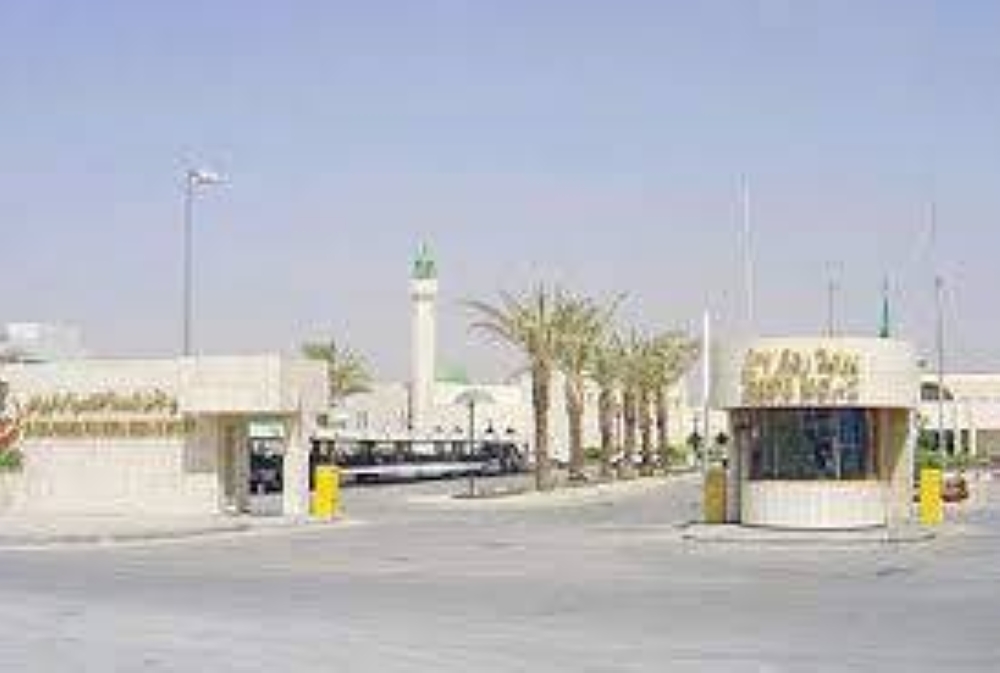
مجمع إرادة والصحة النفسية بالرياض.


تابع قناة عكاظ على الواتساب
عبدالله القرني (الرياض) abs912@
The Erada and Mental Health Complex in Riyadh, a member of the Riyadh Health Cluster, revealed that the Forensic Psychiatry Department provided (7,774) treatment and evaluation services in outpatient clinics during 2024 for detainees in prisons and reformatories related to criminal cases, who were suffering from mental and addiction disorders.
Dr. Abdulilah Khadr Al-Asimi, the Assistant Executive Director of Medical Services at the Erada and Mental Health Complex in Riyadh, explained that these cases included (2,442) cases (men and women) who were served in person during their detention period, with the number of addiction cases - men being (1,709), while the number of psychological cases - men was (457), and the number of female cases was (267).
The number of beneficiaries from the "Visiting Doctor" service reached 5,332 cases, who received services in collaboration with the General Directorate of Prisons in the Riyadh region.
The forensic psychiatric medical committee in the department conducted specialized and accurate assessments for cases referred from the judiciary and security agencies with the aim of issuing medical reports that determine their criminal responsibility, competency, and level of danger. The cases referred from these entities were admitted to the prison unit and the drug control unit affiliated with the department within the complex, with the total number last year being (230) cases, for which (1,154) specialized assessments were conducted, resulting in (504) reports to determine their criminal responsibility, competency, and danger level, based on requests from security and judicial authorities, according to the Mental Health Care System, the Criminal Procedure System, and the Sharia Litigation System.
Dr. Al-Asimi pointed out that the Forensic Psychiatry Department at the Erada Complex in Riyadh is considered one of the important and rare sub-departments in the field of psychiatry. It serves the specialty of forensic psychiatry with all its interventions and encompasses the relationship between law, its enforcement agencies, and psychiatry more broadly. It applies scientific expertise and clinical consultations in legal contexts involving civil, criminal, reformative, regulatory, or legislative issues for the relevant authorities or detainees in security agencies.
He explained that the staff in the department provides forensic psychiatric services as a specialty, through determining criminal responsibility, competency to stand trial, assessing criminal risk factors, and treating them before reintegration into society. They also respond to requests from security and judicial authorities, provide treatment for detainees in prisons and reformatories, monitor their conditions, evaluate them, dispense necessary medications, and offer other psychological interventions. The department remains the only one of its kind in the Riyadh region.
The Assistant Executive Director of Medical Services noted that the Erada Complex is ready to collaborate in the fields of psychiatric services and addiction treatment for all beneficiary categories according to the directives of the Ministry of Health and the Riyadh Health Cluster, always striving for development and improvement to achieve the best quality in general and specialized mental health medical fields with the relevant entities.
Dr. Abdulilah Khadr Al-Asimi, the Assistant Executive Director of Medical Services at the Erada and Mental Health Complex in Riyadh, explained that these cases included (2,442) cases (men and women) who were served in person during their detention period, with the number of addiction cases - men being (1,709), while the number of psychological cases - men was (457), and the number of female cases was (267).
The number of beneficiaries from the "Visiting Doctor" service reached 5,332 cases, who received services in collaboration with the General Directorate of Prisons in the Riyadh region.
The forensic psychiatric medical committee in the department conducted specialized and accurate assessments for cases referred from the judiciary and security agencies with the aim of issuing medical reports that determine their criminal responsibility, competency, and level of danger. The cases referred from these entities were admitted to the prison unit and the drug control unit affiliated with the department within the complex, with the total number last year being (230) cases, for which (1,154) specialized assessments were conducted, resulting in (504) reports to determine their criminal responsibility, competency, and danger level, based on requests from security and judicial authorities, according to the Mental Health Care System, the Criminal Procedure System, and the Sharia Litigation System.
Dr. Al-Asimi pointed out that the Forensic Psychiatry Department at the Erada Complex in Riyadh is considered one of the important and rare sub-departments in the field of psychiatry. It serves the specialty of forensic psychiatry with all its interventions and encompasses the relationship between law, its enforcement agencies, and psychiatry more broadly. It applies scientific expertise and clinical consultations in legal contexts involving civil, criminal, reformative, regulatory, or legislative issues for the relevant authorities or detainees in security agencies.
He explained that the staff in the department provides forensic psychiatric services as a specialty, through determining criminal responsibility, competency to stand trial, assessing criminal risk factors, and treating them before reintegration into society. They also respond to requests from security and judicial authorities, provide treatment for detainees in prisons and reformatories, monitor their conditions, evaluate them, dispense necessary medications, and offer other psychological interventions. The department remains the only one of its kind in the Riyadh region.
The Assistant Executive Director of Medical Services noted that the Erada Complex is ready to collaborate in the fields of psychiatric services and addiction treatment for all beneficiary categories according to the directives of the Ministry of Health and the Riyadh Health Cluster, always striving for development and improvement to achieve the best quality in general and specialized mental health medical fields with the relevant entities.


