نوّه المستشار بالديوان الملكي المشرف العام على مركز الملك سلمان للإغاثة الدكتور عبدالله الربيعة، بتقدير المجتمع الدولي للدور الريادي الذي تضطلع به السعودية في حل الأزمات الإنسانية، والجهود الحثيثة التي بذلتها قيادة المملكة لرفع العقوبات عن الجمهورية العربية السورية التي أسهمت في تهيئة المناخ لاستجابة إيجابية من الولايات المتحدة الأمريكية، وسيكون لها الأثر في تحسين إيصال المساعدات الإنسانية وتوفير حياة أفضل للشعب السوري.. جاء ذلك خلال مشاركته في الندوة الحوارية: «الأزمات في الشرق الأوسط: تحدي حماية الأرواح واحترام القانون الإنساني الدولي» ضمن أعمال المنتدى الإنساني الأوروبي في مدينة بروكسل.
وعبّر الربيعة، عن تقديره للمفوضية الأوروبية لتركيزها نحو الأزمات الإنسانية حول العالم، خصوصاً في منطقة الشرق الأوسط، إذ تستمر النزاعات وتتفاقم موجات النزوح وتنهار البنى التحتية، مبيناً أن أكثر من 65 مليون شخص في الشرق الأوسط بحاجة إلى المساعدات الإنسانية. وأضاف الربيعة، أن العالم العربي يشهد العديد من أشد الأزمات الإنسانية إلحاحاً على مستوى العالم، نتيجة الصراعات المستمرة وحالات عدم الاستقرار في دول مثل اليمن وسورية والسودان ولبنان وفلسطين. وأشار إلى أن الاحتياجات الإنسانية العالمية لاتزال الأكثر إلحاحاً، حيث تتمحور حول الأمن الغذائي، والمياه والإصحاح البيئي، والرعاية الصحية، والإيواء، والتعليم، ومن التحديات المباشرة في المناطق التي تشهد معدلات عالية من حركة السكان والنزوح هو كيفية إيصال المساعدات إلى أولئك الذين هم في أمس الحاجة إليها، فضلًا عن التحديات التي يواجهها العاملون في المجال الإنساني في الميدان، مثل اعتقال بعضهم وتعرضهم للتهديد الجسدي أو الإصابة أثناء أداء واجباتهم، أو تزويدهم بمعلومات غير دقيقة حول تقييم الاحتياجات، إضافة إلى حرق ونهب ومصادرة شاحنات الإغاثة والمستودعات. وعرّج على أهمية معالجة فجوة التمويل لتفادي الكوارث الإنسانية ومنع المزيد من الأشخاص من الاعتماد على المساعدات الإنسانية، عن طريق انضمام المزيد من المانحين لتلبية الاحتياجات المتزايدة، وإنشاء شراكات إستراتيجية لدعم المزيد من المشاريع الإنسانية، منوهاً بتحقيق السعودية نجاحاً ملحوظاً من خلال حملات منصة «ساهم» الإلكترونية، التي تشجع الأفراد على التبرع، فضلاً عن المساهمات الكبيرة للقطاع الخاص السعودي في تلبية النداءات الإنسانية الدولية.
أكد أن المجتمع الدولي يقدّر الدور السعودي في حل الأزمات الإنسانية
الربيعة من بروكسل: العالم العربي يشهد أشد الأزمات الإنسانية إلحاحاً في العالم
22 مايو 2025 - 02:21
|
آخر تحديث 22 مايو 2025 - 02:21
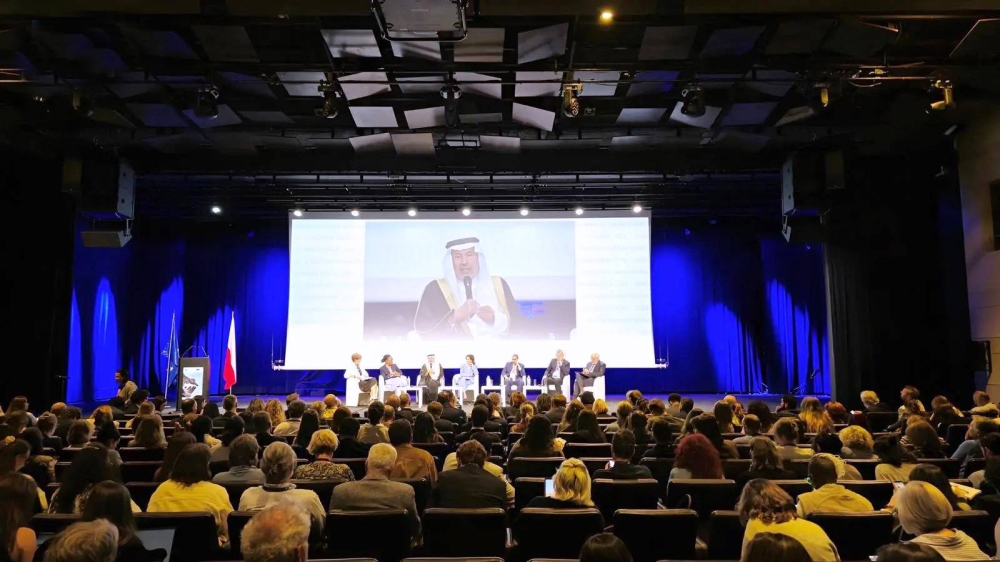
الربيعة: المملكة تعدّ في طليعة الدول الداعمة للعمل الإغاثي. (واس)


تابع قناة عكاظ على الواتساب
«عكاظ» (بروكسل) okaz_online@
The advisor at the Royal Court and General Supervisor of the King Salman Humanitarian Aid and Relief Center, Dr. Abdullah Al-Rabeeah, highlighted the international community's appreciation for Saudi Arabia's leading role in addressing humanitarian crises and the diligent efforts made by the Kingdom's leadership to lift sanctions on the Syrian Arab Republic, which contributed to creating a favorable environment for a positive response from the United States of America. This will have an impact on improving the delivery of humanitarian aid and providing a better life for the Syrian people. This was stated during his participation in the dialogue seminar: "Crises in the Middle East: The Challenge of Protecting Lives and Respecting International Humanitarian Law" as part of the European Humanitarian Forum held in Brussels.
Al-Rabeeah expressed his appreciation to the European Commission for its focus on humanitarian crises around the world, especially in the Middle East, where conflicts continue, displacement waves are escalating, and infrastructure is collapsing. He pointed out that more than 65 million people in the Middle East need humanitarian assistance. Al-Rabeeah added that the Arab world is witnessing many of the most pressing humanitarian crises globally, due to ongoing conflicts and instability in countries such as Yemen, Syria, Sudan, Lebanon, and Palestine. He noted that global humanitarian needs remain the most urgent, focusing on food security, water and environmental sanitation, healthcare, shelter, and education. One of the immediate challenges in areas experiencing high rates of population movement and displacement is how to deliver aid to those who are in dire need of it, in addition to the challenges faced by humanitarian workers in the field, such as some being detained and facing physical threats or injury while performing their duties, or being provided with inaccurate information regarding needs assessments, as well as the burning, looting, and confiscation of relief trucks and warehouses. He also touched on the importance of addressing the funding gap to avoid humanitarian disasters and prevent more people from becoming dependent on humanitarian aid by encouraging more donors to meet the increasing needs and establishing strategic partnerships to support more humanitarian projects, noting that Saudi Arabia has achieved significant success through the "Sahim" electronic platform campaigns, which encourage individuals to donate, as well as the substantial contributions from the Saudi private sector in responding to international humanitarian appeals.
Al-Rabeeah expressed his appreciation to the European Commission for its focus on humanitarian crises around the world, especially in the Middle East, where conflicts continue, displacement waves are escalating, and infrastructure is collapsing. He pointed out that more than 65 million people in the Middle East need humanitarian assistance. Al-Rabeeah added that the Arab world is witnessing many of the most pressing humanitarian crises globally, due to ongoing conflicts and instability in countries such as Yemen, Syria, Sudan, Lebanon, and Palestine. He noted that global humanitarian needs remain the most urgent, focusing on food security, water and environmental sanitation, healthcare, shelter, and education. One of the immediate challenges in areas experiencing high rates of population movement and displacement is how to deliver aid to those who are in dire need of it, in addition to the challenges faced by humanitarian workers in the field, such as some being detained and facing physical threats or injury while performing their duties, or being provided with inaccurate information regarding needs assessments, as well as the burning, looting, and confiscation of relief trucks and warehouses. He also touched on the importance of addressing the funding gap to avoid humanitarian disasters and prevent more people from becoming dependent on humanitarian aid by encouraging more donors to meet the increasing needs and establishing strategic partnerships to support more humanitarian projects, noting that Saudi Arabia has achieved significant success through the "Sahim" electronic platform campaigns, which encourage individuals to donate, as well as the substantial contributions from the Saudi private sector in responding to international humanitarian appeals.