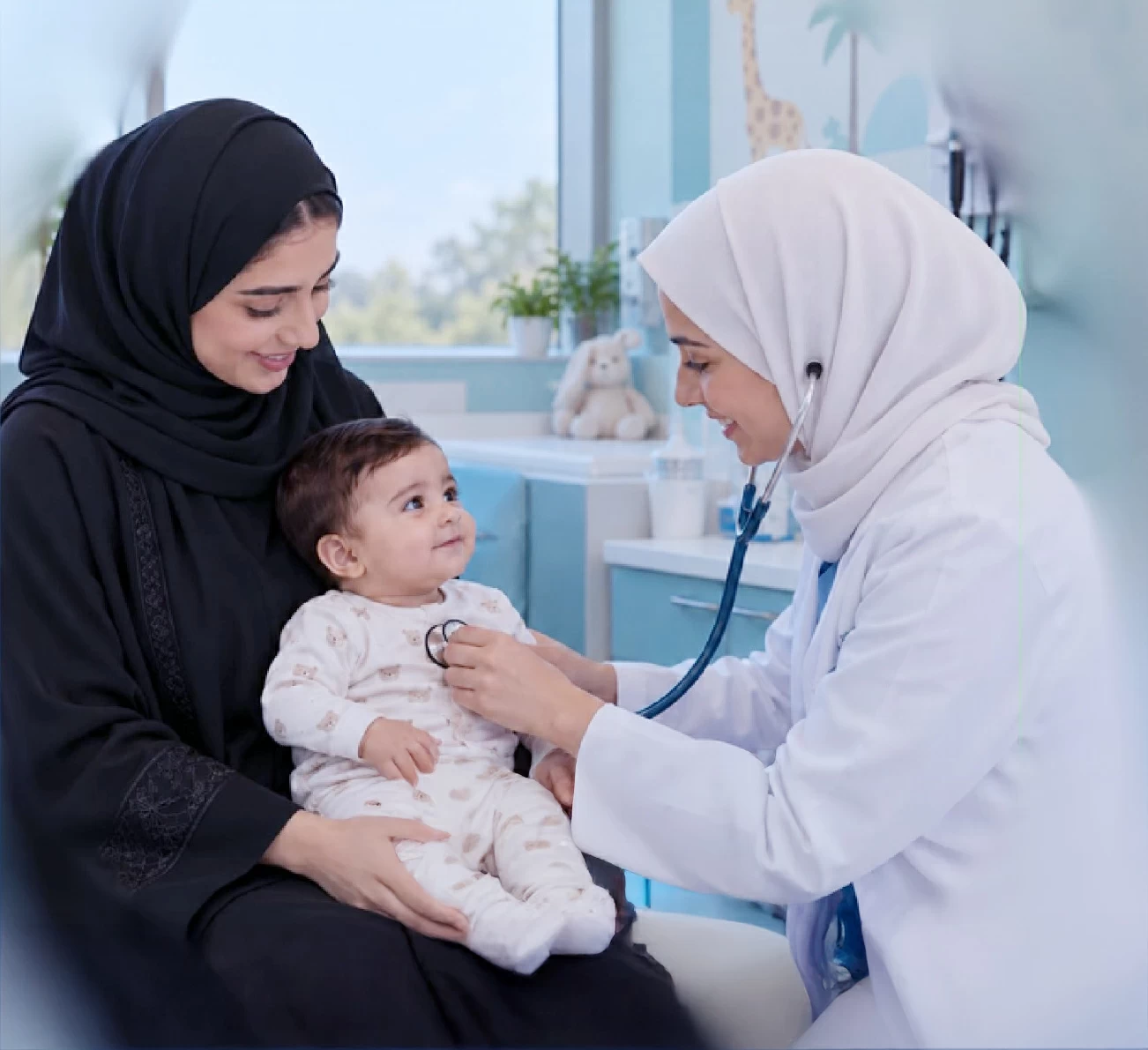
أكد المحلل الاقتصادي جهاد العبيد أن التغطية التأمينية لحليب الأطفال ترتبط بالحالات التي تستدعي احتياجاً طبيّاً، ولا تشمل الحليب العادي بصورة عامةً. وأشار إلى أن التغطية تسهم في تخفيف الأعباء المالية عن الأسر التي تحتاج إلى توفير التركيبات الغذائية العلاجية بشكل مستمر.
وأوضح أن حليب الأطفال يمثل مصروفاً أساسياً ومتكرراً للأسر، خصوصاً محدودي الدخل ومن يعيلون أطفالاً عدةً، ما يستدعي تعزيز المنافسة وتعدد الموردين وتشجيع التصنيع المحلي لخفض التكاليف، إلى جانب دراسة برامج دعم موجهة للأسر الأكثر احتياجاً.
التوسع وفق الاحتياج الطبي
وأشار العبيد إلى أهمية التوسع المدروس في التغطية التأمينية وفق الاحتياج الطبي الفعلي، مؤكداً أن الأولوية تتمثل في ضمان حصول الطفل المستحق على التركيبة المناسبة لحالته، مع توفير بدائل علاجيةً معتمدةً وتسهيل إجراءات الصرف.
وبيّن أن التوسع في التغطية قد ينعكس على تكاليف المطالبات التأمينية وأسعار الوثائق، ما يتطلب دراسة أعداد المستفيدين والتكاليف المتوقعة، مع مراعاة أن توفير التغذية العلاجية المناسبة قد يسهم في الحد من المضاعفات الصحية والتكاليف العلاجية المستقبلية.
حلول للأسر غير المؤمّنة
وشدد العبيد على ضرورة التمييز بين التغطية التأمينية للحالات الطبية ودعم الحليب العادي للأسر المحتاجة، داعياً إلى دراسة حلولٍ اجتماعيةٍ موازيةٍ تشمل غير المشمولين بالتأمين الصحي الخاص، بما يحقق العدالة في الدعم، ويخفف الأعباء المعيشية، ويحافظ على استدامة القطاع الصحي وكفاءته.
The economic analyst Jihad Al-Obaid confirmed that the insurance coverage for infant formula is linked to cases that require medical necessity and does not generally include regular milk. He pointed out that the coverage helps alleviate the financial burdens on families that need to provide therapeutic nutritional formulas continuously.
He explained that infant formula represents a basic and recurring expense for families, especially those with limited income and those caring for multiple children, which necessitates enhancing competition, diversifying suppliers, and encouraging local manufacturing to reduce costs, in addition to studying support programs targeted at the most needy families.
Expansion According to Medical Need
Al-Obaid emphasized the importance of a studied expansion in insurance coverage according to actual medical needs, confirming that the priority lies in ensuring that the eligible child receives the appropriate formula for their condition, while providing approved therapeutic alternatives and facilitating dispensing procedures.
He indicated that expanding coverage may reflect on the costs of insurance claims and policy prices, which requires studying the number of beneficiaries and the expected costs, taking into account that providing appropriate therapeutic nutrition may help reduce health complications and future treatment costs.
Solutions for Uninsured Families
Al-Obaid stressed the necessity of distinguishing between insurance coverage for medical cases and supporting regular milk for needy families, calling for the study of parallel social solutions that include those not covered by private health insurance, in order to achieve fairness in support, alleviate living burdens, and maintain the sustainability and efficiency of the health sector.