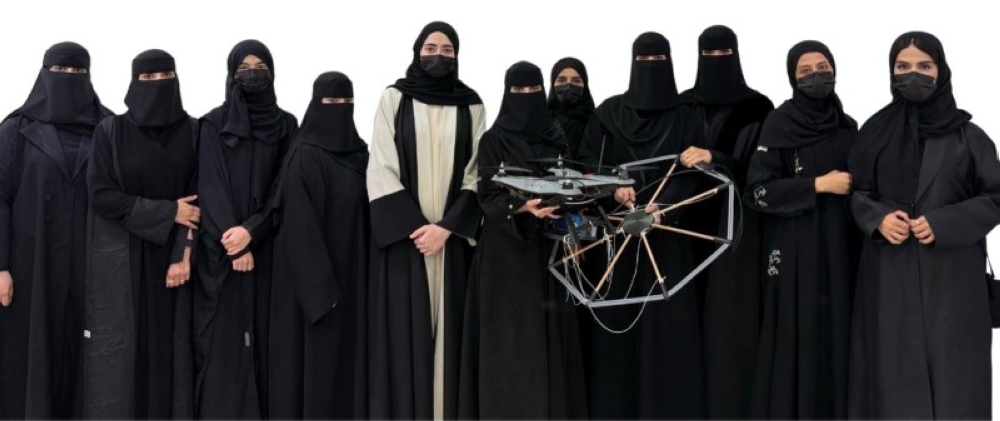
نجح فريق سعودي مكون من 13 عضواً من طالبات قسم هندسة الحاسب بجامعة الطائف في تطوير خوارزمية ذكاء اصطناعي على طائرة الدرون المصنوع والمطبوع بشكل ثلاثي الابعاد من مادة البوليمرات وذلك للملاحة الذكية والاستشعار عن بعد في كشف المعادن الأرضية.
وتحدثت لـ«عكاظ» دانة الشهري (إحدى عضوات الفريق) وقالت إن فكرة المشروع بدأت من مشاريع علمية يعمل عليها المشرف الأكاديمي بجامعة الطائف الدكتور فارس المالكي، وهو يرأس مجموعة بحثية بمشاركة باحثين دوليين في أوروبا. في البداية لم يكن الأمر سهلاً، لكن انطلقنا بعزم وفق أفضل التحديات ونفوس تواقة للتميز والإبداع في سبر أغوار هذه التقنيات.
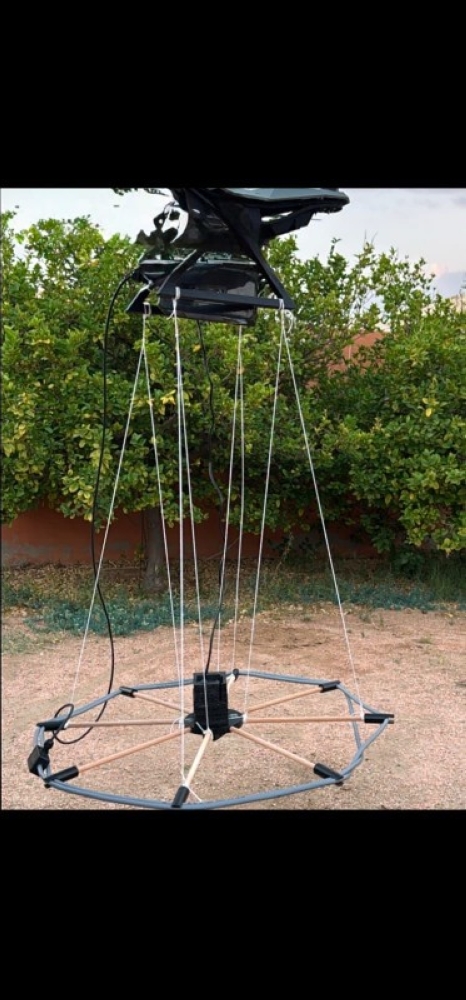
تمت ملاحظة بعض التحديات التي تواجه عمليات الكشف عن المعادن باستخدام الطرق التقليدية، سواء من حيث صعوبة الوصول للمواقع أو محدودية الأجهزة المحمولة يدوياً، ومنها انطلقنا في تطوير نظام ذكي ومتنقل يعتمد على طائرة دون طيار، تجمع بين خفة الوزن والقدرة على الطيران الذاتي، ومزودة بجهاز كشف معادن يمكن استخدامه في الميدان.
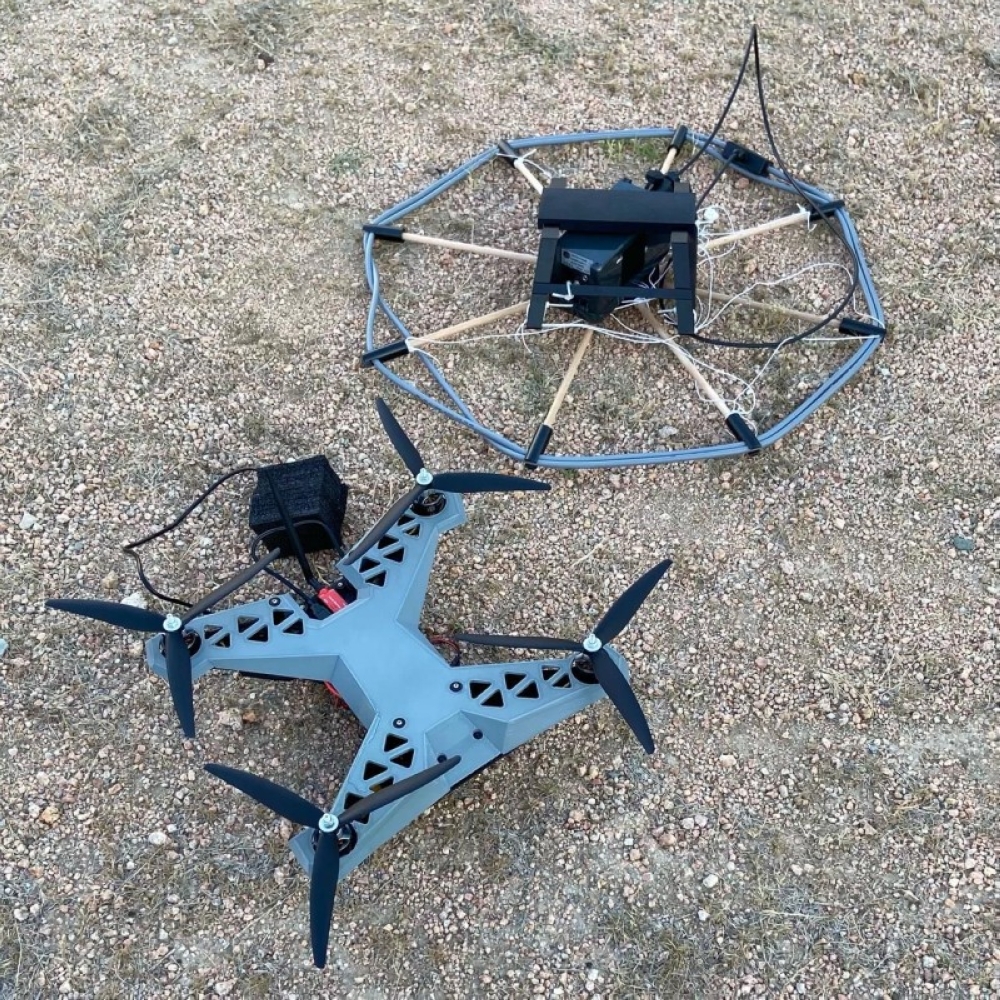
ركزنا على تصميم هيكل الطائرة باستخدام مادة PETG المطبوعة ثلاثياً لتقليل الوزن وتحسين مقاومة الحرارة، كون النظام سيعمل في بيئات مختلفة.
من جهة أخرى، اعتمدنا على تقنية Pulse Induction للكشف عن المعادن، مع تطوير طريقة لقراءة البيانات من شاشة الجهاز وتحليلها تلقائياً باستخدام OCR ونقلها إلى محطة أرضية.
جاء المشروع كحل متكامل يدمج بين الكشف الميداني، والطيران الذاتي، والمعالجة الذكية للبيانات، بما يخدم القطاعات الصناعية والأمنية، وبدأنا في الفصل الأول بالبحث النظري وتصميم المشروع أكاديمياً على مرحلتين كاملتين، وتم العمل على الاختبارات العملية وصولاً للتجربة الميدانية النهائية في الفصل الثاني، والمشروع يتكون من نظام على طائرة دون طيار (درون) مزود بخوارزمية ذكاء اصطناعي لتدريبه على الطيران الذاتي Autonomous.
الدرون مجهّز بهيكل مطبوع ثلاثي الأبعاد باستخدام مادة البوليمر، ويحتوي على تقنيات استشعار للكشف عن المعادن تحت الأرض باستخدام تقنية النبضات الكهرومغناطيسية (PI).
كما تم دمج كاميرا ونظام OCR لقراءة بيانات الكشف من شاشة الجهاز وتحليلها في الوقت الفعلي، ثم إرسالها للمحطة الأرضية للعرض والتخزين، ويخدم هذا المشروع مجالات التعدين، والاستكشاف الجيولوجي، والدفاع المدني، ويمكن تطويره ليستخدم في تطبيقات أمنية. كما يمكن تكييفه لخدمة قطاعات البحث العلمي والبيئي، ونحن فريق مكوّن من 13 طالبة، انقسمنا إلى ثلاثة فرق رئيسية:
الفريق الأول: عمل على تصميم وتصنيع هيكل الطائرة باستخدام الطباعة ثلاثية الأبعاد، والاتصال بين الدرون والمحطة الأرضية.
الفريق الثاني: ركّز على تطوير نظام الطيران الذاتي والتحكم.
الفريق الثالث: تولّى تطوير نظام الكشف عن المعادن ودمجه مع الطائرة.
رغم هذا التقسيم، كان العمل مترابطاً، وحرصنا على أن تكون كل عضوة مطّلعة على تفاصيل المشروع لضمان التكامل.
وتم تنفيذ المشروع بإشراف مباشر من جامعة الطائف وبقيادة الدكتور فارس المالكي. لم يتم تبني المشروع محلياً أو دولياً بعد، لكننا منفتحون ومتحمسون لأي فرص تعاون أو دعم من الجهات المهتمة.
وتم الانتهاء من المشروع أخيراً، ولم تتح لنا الفرصة بعد للمشاركة في مسابقات، لكننا نخطط حالياً للمشاركة في فعاليات على مستوى المملكة مثل:
«SADEX 2025» مؤتمر ومعرض الدرون السعودي، و«مؤتمر مستقبل المعادن 2026»، وهاكاثون «الصحة والأمن في الحج» بتنظيم وزارة الداخلية، نظراً لإمكانية استخدامه في التطبيقات الأمنية.
وأود أن أؤكد نيابة عن زميلاتي أن هذا المشروع يمثل ثمرة جهد جماعي، والتزام طويل الأمد بالتعلم والابتكار، متوجاً بإشراف وتوجيه من المشرف المتخصص في هندسة نظم الاتصالات الفضائية.
ونطمح أن نكون جزءاً من منظومة تطوير التقنيات الوطنية والمدن الذكية. وبكل تأكيد، نحن مستعدون لأي فرصة تساعد على تحويل هذا الابتكار إلى منتج واقعي يخدم المملكة العربية السعودية وطموح رؤيتها 2030.
وأكد الدكتور المشرف فارس المالكي بقسم هندسة نظم الاتصالات الفضائية والمدن الذكية بجامعة الطائف، أن المشروع يمثل محطة عظيمة ومهمة في رحلة التقنية، بل بوابة تفتح آفاقاً واسعة، إذ إنه أكثر من مجرد متطلب للتخرج.
وعندما يتعلق مضمون المشروع بتقنيات متقدمة في الدرونز والذكاء الاصطناعي، فهي فرصة استثنائية للطلبة في ظل رؤية 2030 التي تركز على الابتكار وتعزيز القدرات التقنية وتنويع الصناعات.
وأضاف: «شرُفت بالإشراف على فريق العمل المبدع من طالبات قسم هندسة الحاسب بجامعة الطائف، ولمست في كل مرحلة من مراحل المشروع الشغف العلمي والإصرار، وبإذن الله يكنّ عناصر واعدة للوطن والمجتمع».
A Saudi team consisting of 13 members from the Computer Engineering Department at Taif University has successfully developed an artificial intelligence algorithm on a drone made and printed in three dimensions from polymer materials for smart navigation and remote sensing in detecting ground metals.
Dana Al-Shahri (one of the team members) spoke to "Okaz" and said that the idea for the project originated from scientific projects being worked on by the academic supervisor at Taif University, Dr. Fares Al-Maliki, who heads a research group with the participation of international researchers in Europe. Initially, it was not easy, but we embarked with determination to face the best challenges and with spirits eager for excellence and creativity in exploring these technologies.
Some challenges were noted in the processes of detecting metals using traditional methods, whether in terms of difficulty accessing sites or the limitations of handheld devices. From this, we began developing an intelligent and mobile system based on a drone, combining lightweight design with autonomous flight capabilities, equipped with a metal detection device that can be used in the field.
We focused on designing the drone's structure using 3D printed PETG material to reduce weight and improve heat resistance, as the system will operate in various environments.
On the other hand, we relied on Pulse Induction technology for metal detection, developing a method to read data from the device's screen and analyze it automatically using OCR, then transmitting it to a ground station.
The project came as an integrated solution that combines field detection, autonomous flight, and intelligent data processing, serving industrial and security sectors. We started in the first semester with theoretical research and academic project design in two complete phases, and practical tests were conducted leading to the final field experiment in the second semester. The project consists of a system on a drone equipped with an artificial intelligence algorithm for training it for autonomous flight.
The drone is equipped with a 3D printed structure using polymer material and contains sensing technologies for detecting underground metals using Pulse Induction (PI) technology.
A camera and an OCR system were also integrated to read detection data from the device's screen and analyze it in real-time, then send it to the ground station for display and storage. This project serves the fields of mining, geological exploration, and civil defense, and it can be developed for use in security applications. It can also be adapted to serve scientific and environmental research sectors. We are a team of 13 female students, divided into three main teams:
The first team: Worked on designing and manufacturing the drone's structure using 3D printing and the communication between the drone and the ground station.
The second team: Focused on developing the autonomous flight and control system.
The third team: Took charge of developing the metal detection system and integrating it with the drone.
Despite this division, the work was interconnected, and we ensured that every member was familiar with the project's details to ensure integration.
The project was executed under the direct supervision of Taif University and led by Dr. Fares Al-Maliki. The project has not yet been adopted locally or internationally, but we are open and excited for any opportunities for collaboration or support from interested parties.
The project has finally been completed, and we have not yet had the opportunity to participate in competitions, but we are currently planning to participate in events at the national level such as:
"SADEX 2025," the Saudi Drone Conference and Exhibition, and "The Future of Mining Conference 2026," as well as the "Health and Security in Hajj" hackathon organized by the Ministry of Interior, given its potential use in security applications.
I would like to emphasize on behalf of my colleagues that this project represents the fruit of collective effort and a long-term commitment to learning and innovation, crowned by supervision and guidance from the specialist in Space Communications Systems Engineering.
We aspire to be part of the national technology development system and smart cities. Certainly, we are ready for any opportunity that helps transform this innovation into a real product that serves the Kingdom of Saudi Arabia and the aspirations of Vision 2030.
Dr. Fares Al-Maliki, the supervisor in the Space Communications Systems Engineering and Smart Cities Department at Taif University, confirmed that the project represents a significant and important milestone in the journey of technology, indeed a gateway that opens wide horizons, as it is more than just a graduation requirement.
When the project's content involves advanced technologies in drones and artificial intelligence, it is an exceptional opportunity for students in light of Vision 2030, which focuses on innovation, enhancing technical capabilities, and diversifying industries.
He added: "I am honored to supervise the creative team of female students from the Computer Engineering Department at Taif University, and I have witnessed in every stage of the project scientific passion and determination. God willing, they will be promising elements for the nation and society."