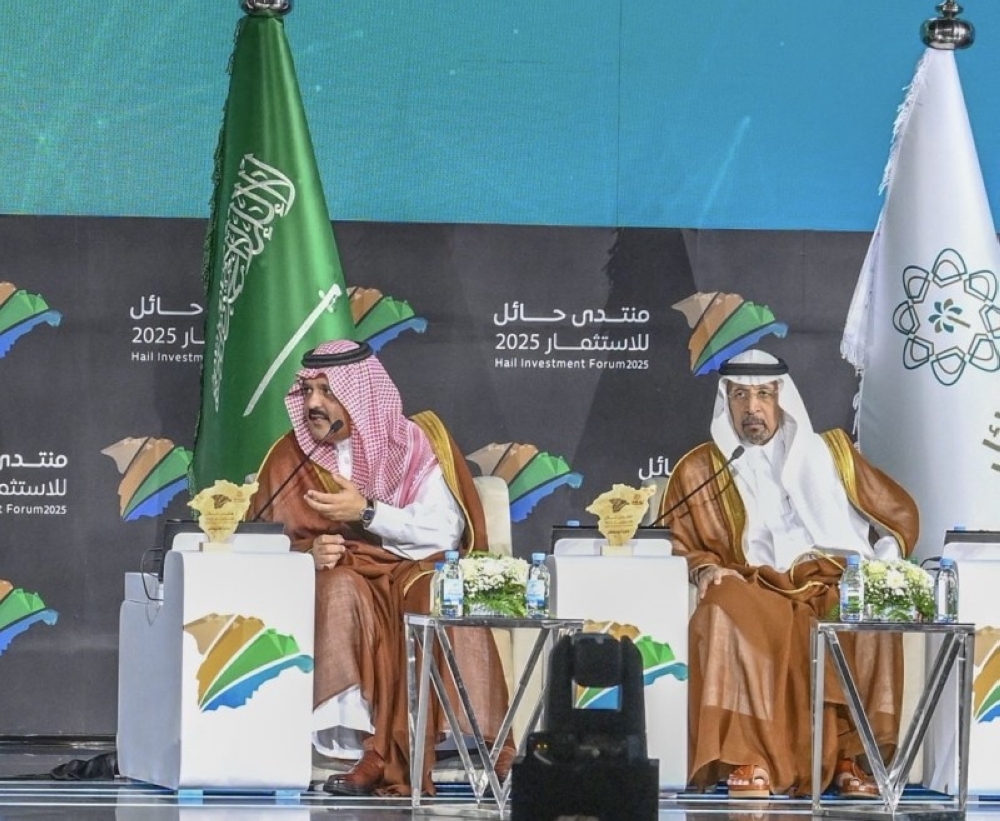
خلال الجلسات الحوارية في منتدى حائل للاستثمار 2025، قدّم أمير منطقة حائل الأمير عبدالعزيز بن سعد بن عبدالعزيز رؤية ثقافية متقدمة حول العلاقة بين التاريخ والتنمية، مؤكداً أن حائل لا تستحضر ماضيها بوصفه ذكرى، بل بوصفه مصدراً متجدداً للقيمة.
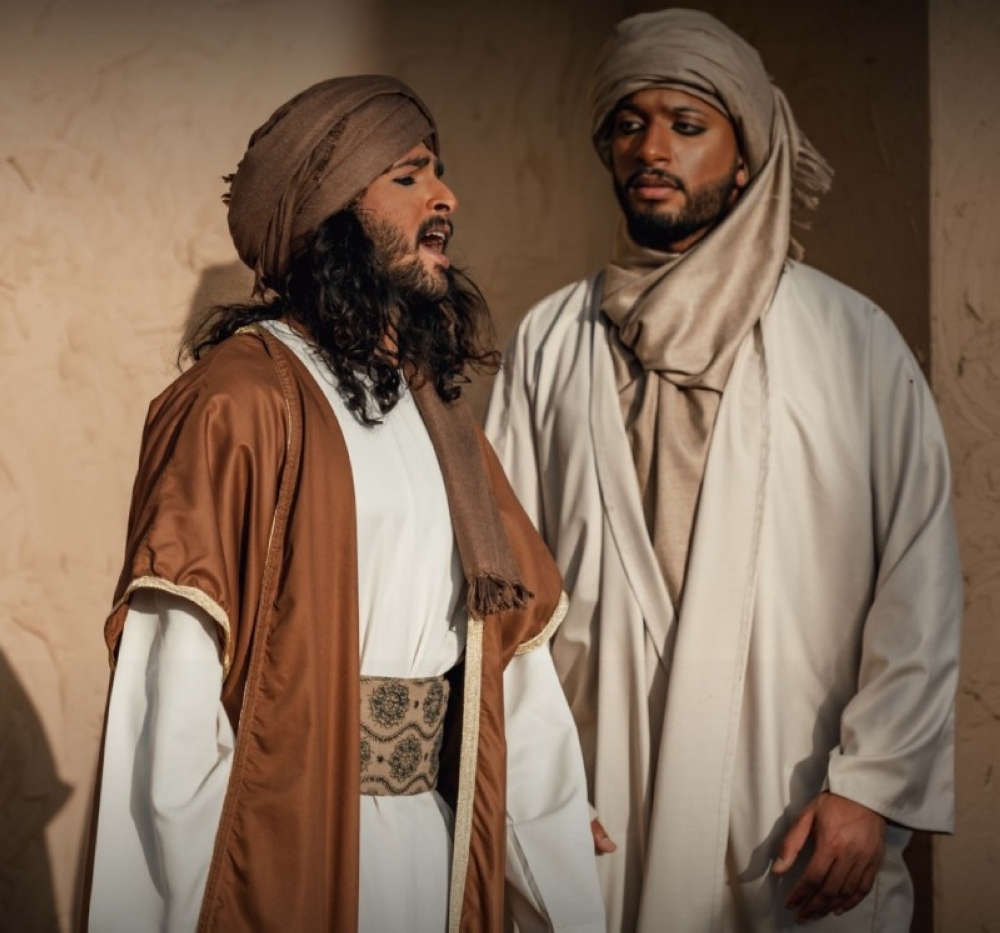
وقال: «الكثير يعتقد أن حاتم الطائي في التاريخ فقط، لكن بالنسبة لي أراه بيننا الآن، ونستطيع أن نفعّل كرمه بأداء اقتصادي أكثر وعياً وتأثيراً. فشواهده وآثاره وثقافته وإرثه ما زالت حاضرة في كل تكوينات حائل، خصوصاً على الصعيد السياحي».
حديث الأمير يعكس توجهاً جديداً في المنطقة، يُعيد قراءة الرموز التاريخية باعتبارها أدوات تنموية، لا مجرد مضامين ثقافية. فشخصية حاتم الطائي- بوصفها أيقونة للكرم العربي- تمثل في سياق اليوم فرصة لتأسيس سياحة ثقافية وهوية اقتصادية محلية، قادرة على تقديم حائل وجهةً أصيلةً ومختلفةً.
ويُعد هذا التوجه ترجمة عملية لمستهدفات رؤية السعودية 2030، التي تدعو إلى استثمار الإرث المحلي في تنمية القطاعات الواعدة، وعلى رأسها السياحة، وربط الإنسان بالمكان عبر القصص والمعاني التي يحملها.
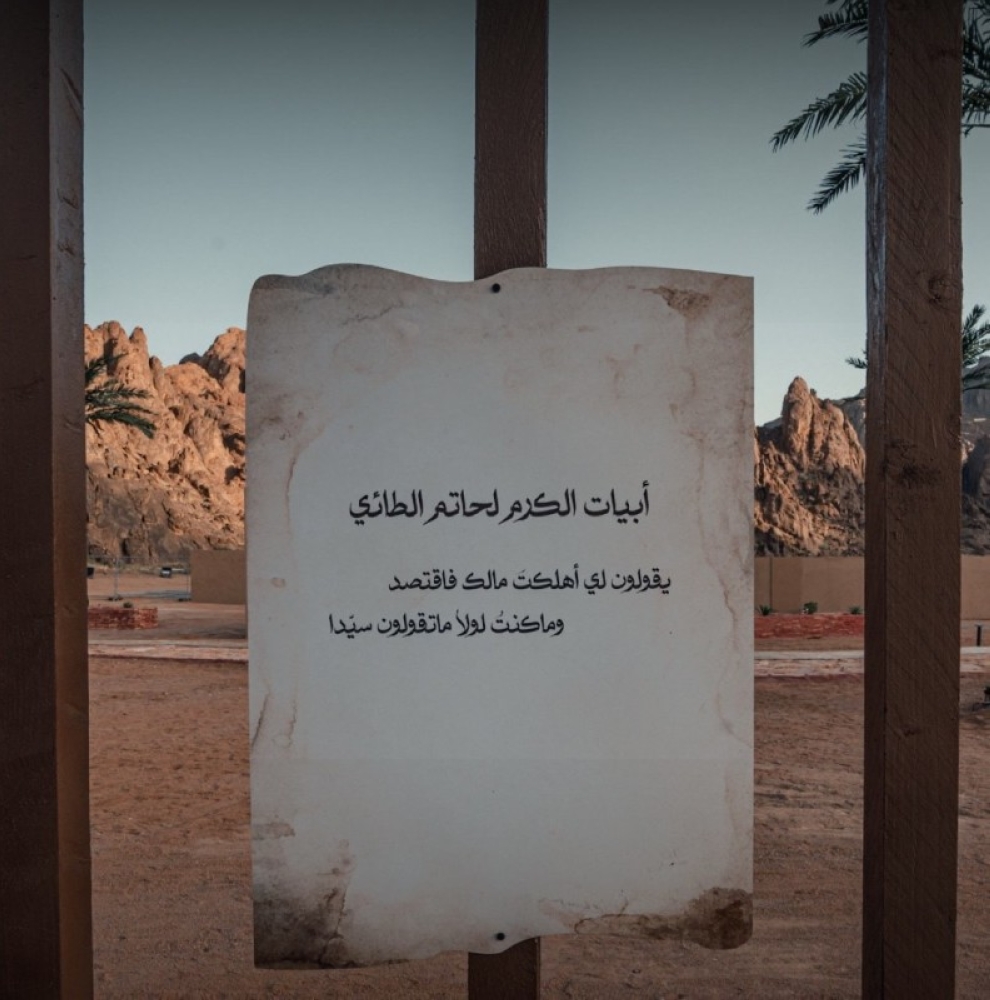
من جهة أخرى، تضم حائل عدداً من المواقع الأثرية المرتبطة بحياة حاتم الطائي، أبرزها موقدته الشهيرة، وقصره، وأعمدة الكرم، وجميعها تحوّلت إلى نقاط جذب ضمن برامج التفسير السياحي المعتمدة في المنطقة.
رسالة أمير حائل في المنتدى كانت واضحة: الإرث لا يُعرض في المتاحف فقط، بل يُفعّل في الاستثمار، ويُحوَّل إلى منتج، ويُستثمر في تشكيل هوية اقتصادية تمتد من عمق التاريخ إلى آفاق السوق.
وبين الجبل والرواية، تكتب حائل اليوم صفحة جديدة عنوانها: الكرم ليس ماضياً يُروى، بل مستقبل يُبنى.
During the dialogue sessions at the Hail Investment Forum 2025, the Emir of Hail, Prince Abdulaziz bin Saad bin Abdulaziz, presented an advanced cultural vision regarding the relationship between history and development, emphasizing that Hail does not recall its past merely as a memory, but as a renewable source of value.
He said: “Many believe that Hatim Al-Ta’i exists only in history, but for me, I see him among us now, and we can activate his generosity through a more conscious and impactful economic performance. His witnesses, effects, culture, and legacy are still present in all the formations of Hail, especially in the tourism sector.”
The prince's remarks reflect a new direction in the region, reinterpreting historical symbols as developmental tools, not just cultural content. The character of Hatim Al-Ta’i—being an icon of Arab generosity—represents today an opportunity to establish cultural tourism and a local economic identity, capable of presenting Hail as an authentic and distinct destination.
This direction is a practical translation of the objectives of Saudi Vision 2030, which calls for investing in local heritage to develop promising sectors, foremost among them tourism, and connecting people to places through the stories and meanings they carry.
On another note, Hail includes a number of archaeological sites linked to the life of Hatim Al-Ta’i, most notably his famous fireplace, his palace, and the pillars of generosity, all of which have become points of attraction within the approved tourism interpretation programs in the region.
The message from the Emir of Hail at the forum was clear: heritage is not only displayed in museums but is activated in investment, transformed into a product, and invested in shaping an economic identity that extends from the depths of history to the horizons of the market.
Between the mountain and the narrative, Hail today writes a new page titled: Generosity is not a past to be narrated, but a future to be built.