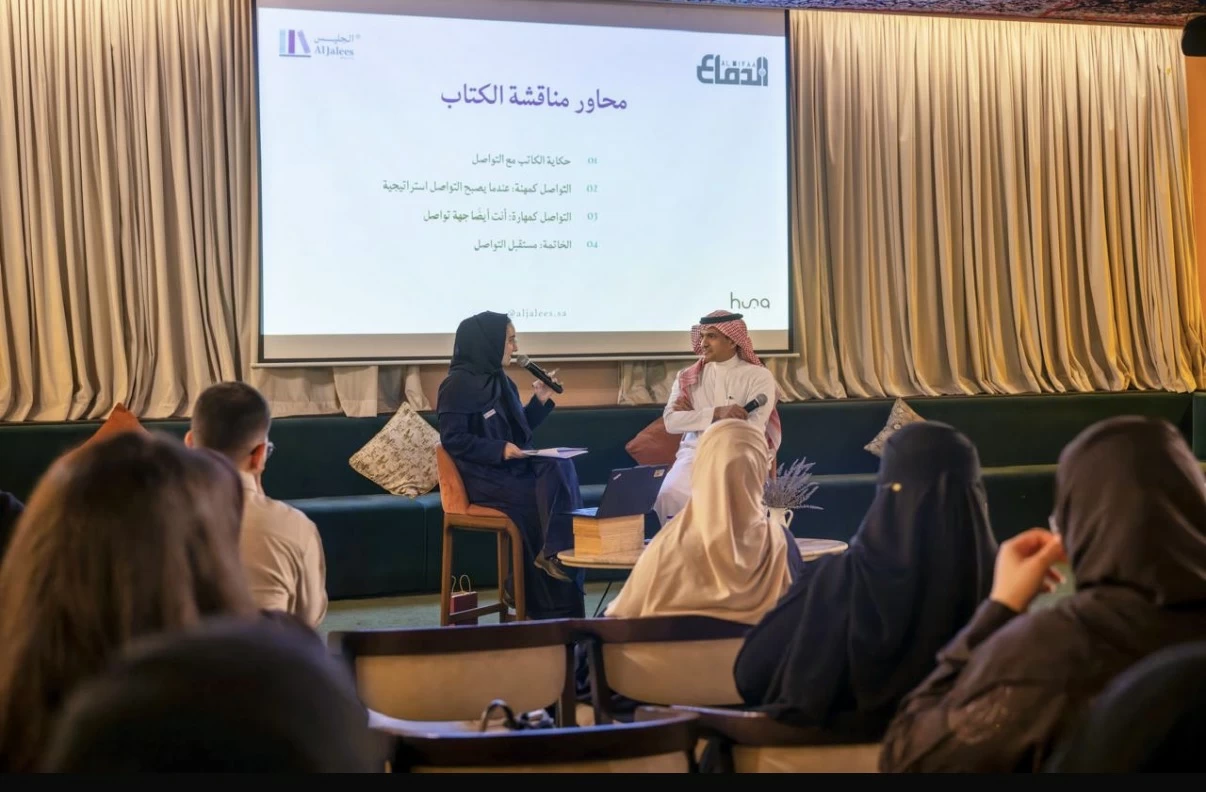
أكد خبير التواصل الإستراتيجي عبدالرحمن بن سلطان السلطان أن نجاح التواصل لا يُقاس بكثافة النشر أو أعداد المشاهدات، وإنما بحجم الأثر الذي يحققه، مشدداً على أن التواصل الإستراتيجي يبدأ بسؤال جوهري: «إلى أين تريد أن تصل؟».
جاء ذلك خلال لقاء أدبي استضافه نادي الجليس الثقافي بالرياض، ضمن لقاءاته الهادفة إلى إثراء المعرفة واستضافة الكتّاب وأصحاب التجارب، حيث استعرض السلطان جانباً من تجربته والأفكار التي يتناولها كتابه "التواصل الإستراتيجي.. دليلك العملي من النظرية إلى التطبيق"، رابطاً بين المعرفة النظرية والممارسة المهنية.
وتحدث السلطان عن بدايات علاقته بالتواصل، التي انطلقت من شغفه بالقراءة والصحافة، مروراً بتجربته محرراً في صحيفة «رسالة الجامعة» بجامعة الملك سعود، وصولاً إلى دراسة الماجستير في الإعلام، التي أسهمت في تعميق فهمه لنظريات الاتصال ودورها في قراءة اتجاهات واحتياجات الجمهور وبناء الممارسة الاتصالية.
وأوضح أن من أبرز أسباب تعثر الحملات الاتصالية القفز مباشرة إلى الأدوات والمنصات قبل تحديد الأهداف وفهم الجمهور واحتياجاته، مؤكداً أن المحتوى مهما كان مكثفاً لن يحقق غايته إذا لم يرتبط بالإستراتيجية، وأن التواصل ليس خدمة مساندة، بل جزء من عملية اتخاذ القرار.
وأشار إلى أن سهولة الوصول إلى الجمهور اليوم لا تعني بالضرورة فعالية التواصل، لافتاً إلى أهمية التحليل، والقدرة على التوقع والتكيف، واختيار الرسالة والأداة والتوقيت المناسب، إلى جانب قياس الأثر بدلاً من الاكتفاء بمؤشرات الظهور.
كما تناول أهمية عمليات التواصل الداخلي في ترسيخ القيم وربط الموظف بالمنظمة، ودور الاستمرارية والاتساق في بناء السمعة، مؤكداً أن مهارات التواصل يمكن اكتسابها وتطويرها بالممارسة.
واختتم السلطان بالتأكيد على أهمية الوعي بالإرث الرقمي والأمن السيبراني، في ظل تنامي الحضور الرقمي والمخاطر الإلكترونية، مبيناً أهمية التخطيط في تحقيق النجاحات الفردية، ومشدداً على أن التواصل الإستراتيجي أصبح حجر أساس في نجاح الفرد والمنظمة وصناعة التأثير المستدام.
Strategic communication expert Abdulrahman bin Sultan Al-Sultan confirmed that the success of communication is not measured by the volume of publications or the number of views, but rather by the extent of the impact it achieves, emphasizing that strategic communication begins with a fundamental question: "Where do you want to go?"
This came during a literary meeting hosted by the Al-Jaliss Cultural Club in Riyadh, as part of its efforts to enrich knowledge and host writers and individuals with experiences, where Al-Sultan reviewed aspects of his experience and the ideas presented in his book "Strategic Communication: Your Practical Guide from Theory to Application," linking theoretical knowledge with professional practice.
Al-Sultan spoke about the beginnings of his relationship with communication, which started from his passion for reading and journalism, moving through his experience as an editor at the "University Message" newspaper at King Saud University, and culminating in his master's degree in media, which contributed to deepening his understanding of communication theories and their role in reading audience trends and needs and building communication practices.
He explained that one of the main reasons for the failure of communication campaigns is jumping directly to tools and platforms before defining goals and understanding the audience and their needs, stressing that content, no matter how dense, will not achieve its purpose if it is not linked to strategy, and that communication is not a supporting service, but rather a part of the decision-making process.
He pointed out that the ease of reaching the audience today does not necessarily mean effective communication, noting the importance of analysis, the ability to anticipate and adapt, and choosing the right message, tool, and timing, in addition to measuring impact instead of merely relying on visibility indicators.
He also addressed the importance of internal communication processes in instilling values and connecting employees with the organization, and the role of continuity and consistency in building reputation, affirming that communication skills can be acquired and developed through practice.
Al-Sultan concluded by emphasizing the importance of awareness of the digital legacy and cybersecurity, in light of the growing digital presence and electronic risks, highlighting the importance of planning in achieving individual successes, and stressing that strategic communication has become a cornerstone in the success of individuals and organizations and in creating sustainable impact.