أكد محامون ومستشارون قانونيون لـ«عكاظ» أن الذكاء الاصطناعي أسهم في تسريع إجراءات العمل القانوني، ورفع كفاءة البحث والتحليل وإعداد المسودات الأولية، إلا أنه لا يمكن أن يحل محل خبرة المحامي واجتهاده المهني، أو أن يتولى المهام الجوهرية المرتبطة بتقدير الأدلة والتكييف النظامي وصياغة الدفوع.
وحذّروا من الاعتماد الكامل على مخرجات أدوات الذكاء الاصطناعي، لما قد تتضمنه من معلومات غير دقيقة أو نصوص نظامية ملغاة وأحكام غير صحيحة، إلى جانب مخاطر انتهاك سرية معلومات الموكلين وضعف حماية البيانات، مؤكدين أن المسؤولية المهنية والقانونية تظل كاملة على عاتق المحامي.
وأوضح المحامي والمستشار القانوني سعد علي الحسيني الشهراني أن العمل القانوني يشهد حضوراً متزايداً لأدوات الذكاء الاصطناعي، التي تساعد المحامين في تحليل الوقائع، وفرز المستندات، وتسريع عمليات البحث، وإعداد المسودات الأولية للمذكرات، بما يسهم في اختصار الوقت ورفع كفاءة الأداء.
وقال إن هذه الأدوات يجب أن تظل وسائل مساندة للمحامي، لا بديلاً عنه، وأن تخضع جميع مخرجاتها لمراجعة بشرية دقيقة قبل اعتمادها، إذ قد تستند إلى نصوص أو أحكام غير صحيحة أو غير محدثة، كما قد تعجز عن استيعاب السياق القضائي وملابسات النزاع بصورة دقيقة.
وأضاف الشهراني أنه يمكن الاستفادة من الذكاء الاصطناعي في إجراء تقييم أولي لقوة الدعوى ورصد مساراتها المحتملة، إلا أن توقع نتائج القضايا يظل أمراً احتمالياً، نظراً إلى ارتباط الحكم النهائي بالأدلة المقدمة من أطراف الخصومة، والدفوع المتبادلة، وقدرة كل طرف على تفنيد حجج الطرف الآخر، إضافة إلى سلطة المحكمة التقديرية واختلاف ظروف كل قضية وملابساتها.
وأشار إلى أن أبرز التحديات المرتبطة باستخدام هذه الأدوات تتمثل في احتمالية انتهاك سرية معلومات الموكلين، وضعف حماية البيانات، وانحياز المخرجات تبعاً لطبيعة البيانات التي دُرّبت عليها النماذج التقنية.
وأكد أن الإفراط في الاعتماد على الذكاء الاصطناعي قد يؤدي إلى إضعاف قدرة المحامي على التحليل القانوني المستقل، مع بقاء مسؤوليته المهنية كاملة عن كل مذكرة أو استشارة تُقدّم باسمه، لافتاً إلى أن الاستخدام الأمثل لهذه التقنية يتمثل في توظيفها لتعزيز الكفاءة وجودة العمل، دون أن تحل محل الخبرة القانونية.
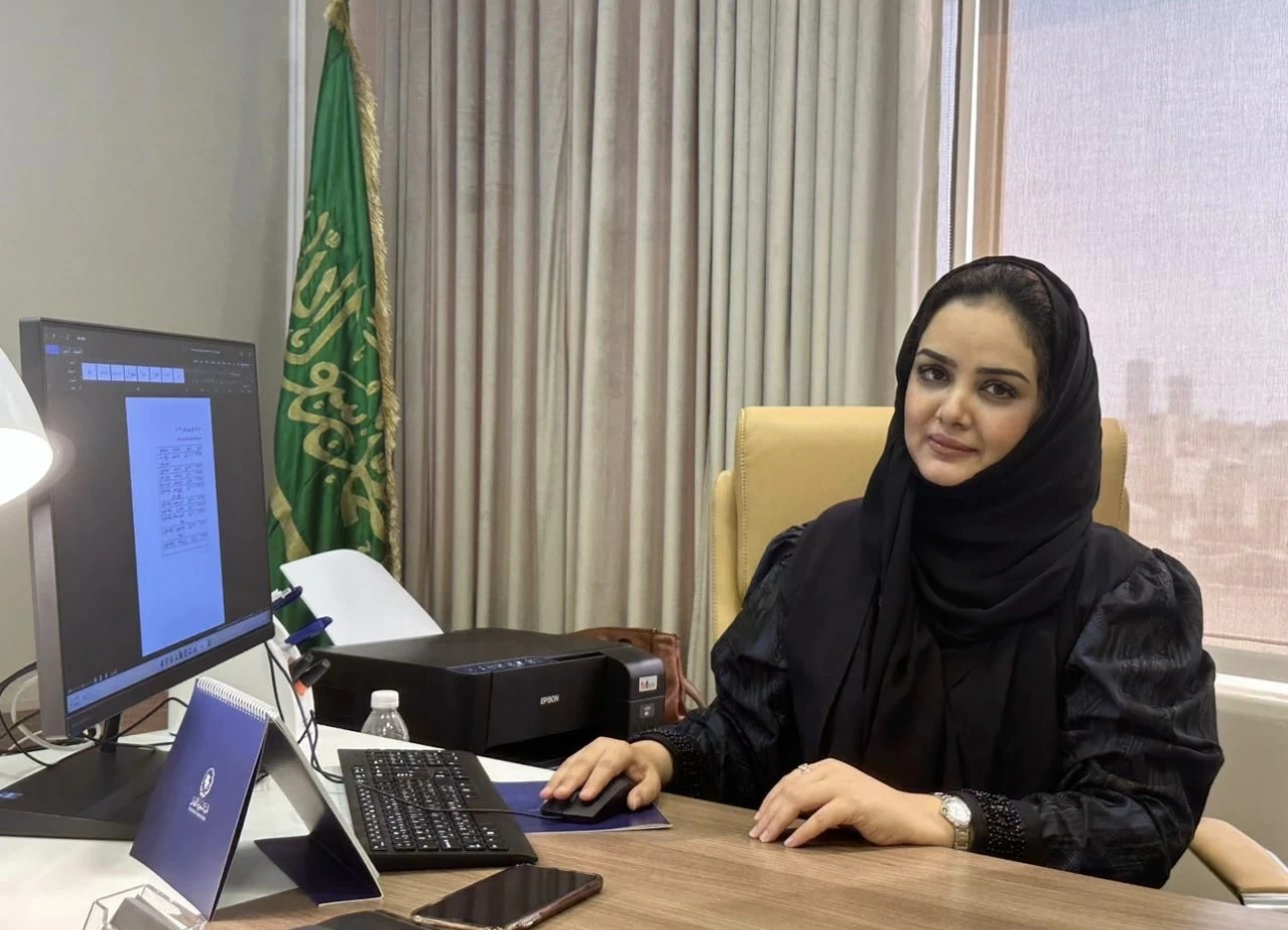
من جانبها، أوضحت المحامية عبير دغريري أن تقنيات الذكاء الاصطناعي تمثل أدوات مساندة لعمل المحامي، ويمكن الاستفادة منها في جمع المعلومات، وترتيب الأفكار، وتسهيل الوصول إلى الأنظمة ذات الصلة، إلا أنها لا يمكن أن تشكل ركيزة أساسية يُعتمد عليها بصورة كاملة في ممارسة المهنة.
وقالت إن لكل قضية ظروفها ومستنداتها الخاصة، وإن الذكاء الاصطناعي قد يساعد في تحليل البيانات واستشراف مسار القضية استناداً إلى المستندات المتاحة، إلا أن القرار النهائي يظل مرتبطاً باجتهاد المحامي وتقدير المحكمة.
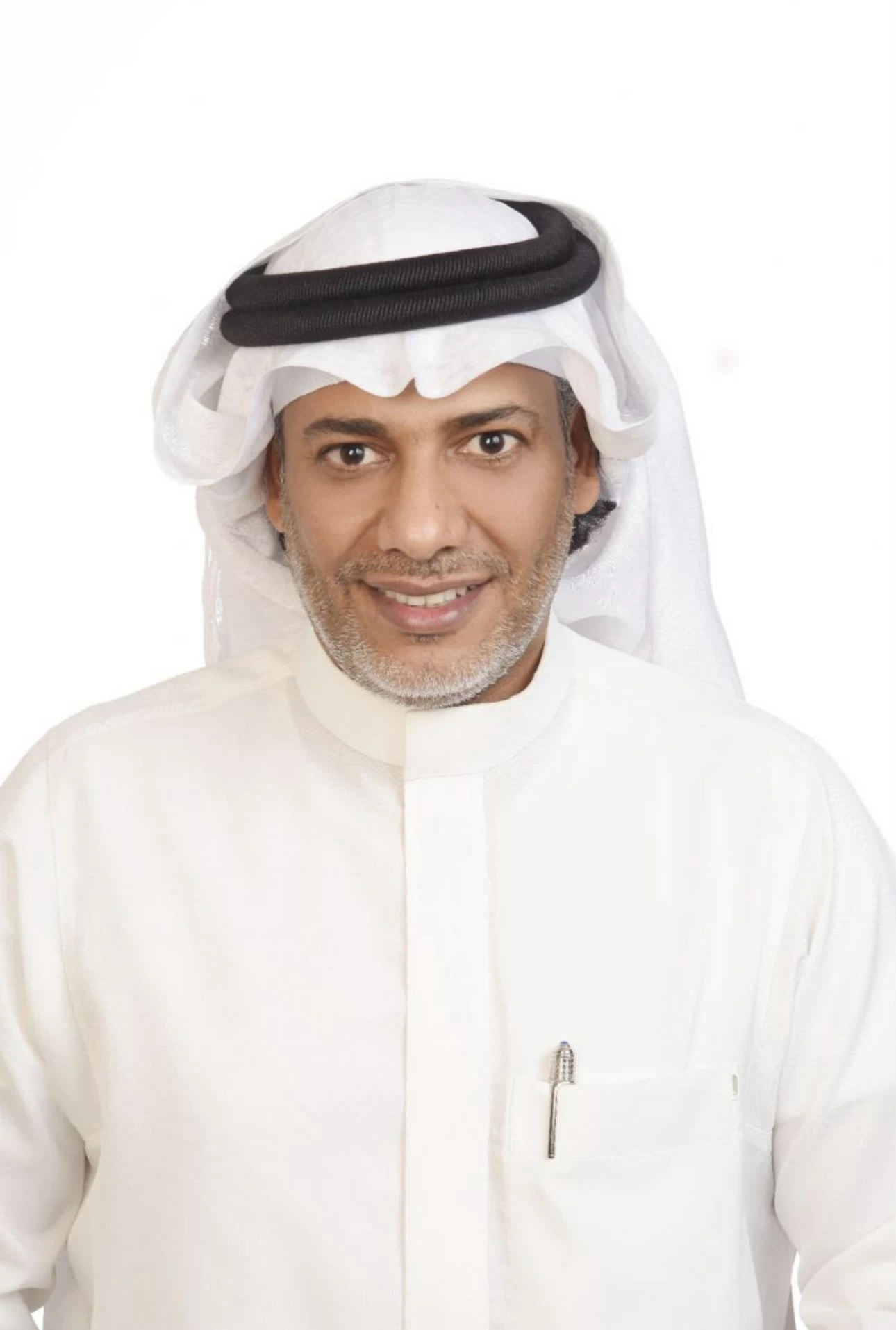
بدوره، أكد المحامي عبدالله بن محمد الكاسب أن الذكاء الاصطناعي أسهم في تسريع العمل القانوني ورفع كفاءته، لكنه لم يغيّر جوهر مهنة المحاماة، إذ يقتصر دوره على دعم المحامي في البحث القانوني، وجمع المعلومات، وتحليل الوقائع، وتنظيم الأفكار، واختصار الوقت والجهد.
وأوضح أن فهم القضية، وتقدير الأدلة، والتكييف النظامي الصحيح للوقائع، وصياغة الدفوع، وإدارة المرافعة أمام القضاء، جميعها مهام ترتبط بخبرة المحامي واجتهاده المهني، ولا يمكن للذكاء الاصطناعي القيام بها بصورة مستقلة.
وأشار الكاسب إلى أن الذكاء الاصطناعي لا يستطيع تحديد قوة القضية أو التنبؤ بنتائجها بدقة، لأن الفصل في المنازعات يخضع لعوامل متعددة، من أبرزها تقدير المحكمة للأدلة، وما قد يستجد أثناء سير الدعوى من مستندات أو دفوع، إضافة إلى مهارة المحامي في عرض الوقائع وبناء الحجج القانونية وصياغة الدفوع المؤثرة، وهي عناصر لا يمكن اختزالها في خوارزميات أو نماذج تقنية.
وبيّن أن من أبرز مخاطر الاعتماد على الذكاء الاصطناعي في إعداد المذكرات والاستشارات القانونية، احتمال الاستناد إلى معلومات غير دقيقة، أو أنظمة ملغاة، أو مواد لا وجود لها، فضلاً عن ضعف التكييف القانوني للوقائع، نتيجة عدم قدرة التقنية على الإحاطة بجميع ملابسات القضية وربطها بالتكييف النظامي الصحيح.
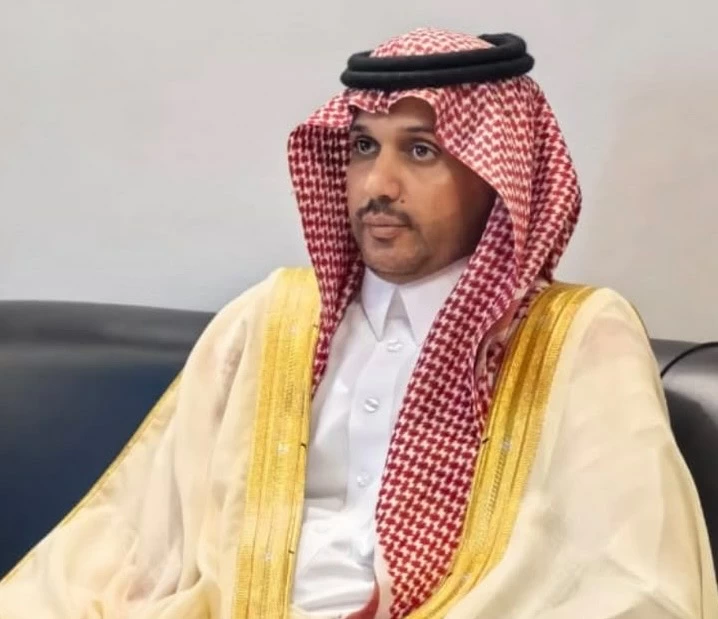
من جهته، أكد المحامي والمستشار القانوني أحمد بن جمعان المالكي أن الذكاء الاصطناعي لم يعد تقنية مستقبلية، بل أصبح واقعاً ملموساً في مختلف مجالات الحياة، ولم يعد حضوره مقتصراً على المجال القانوني، وإنما امتد إلى مجالات أكثر تعقيداً، مثل صناعة السيارات والعمليات الجراحية المتقدمة.
وأوضح أن الاستخدام الأمثل للذكاء الاصطناعي في المحاماة يتمثل في توظيفه أداةً مساعدة في البحث القانوني، والتحرير الأولي، ورصد الأحكام القضائية والأنظمة واللوائح وتحليلها، دون أن يمتد دوره إلى التفكير القانوني الجوهري، أو الصياغة الأساسية للمذكرات والعقود، أو إعداد الرأي القانوني.
وأضاف المالكي أن هذه المهام يجب أن تظل مرتبطة بالفكر البشري وخبرة المحامي، باعتبار أن العمل القانوني يقوم في جوهره على التفاعل بين المحامي وموكله ووقائع النزاع، وهو ما لا يمكن لأي تقنية أن تحل محله.
وبيّن أن أدوات الذكاء الاصطناعي قد تسهم في تقييم قوة القضية، أو استشراف مسارها، وإبراز بعض المؤشرات التي يستفيد منها المحامي، إلا أن هذه المؤشرات يجب أن تُعامل بوصفها وسائل استرشادية فقط، ولا يجوز أن تكون بديلاً عن التحليل القانوني المستقل أو الخبرة المهنية.
وأكد أن سلطة المحكمة في تقدير الوقائع والأدلة وتطبيق الأنظمة ستظل قائمة، وأن أي توقعات تقدمها أدوات الذكاء الاصطناعي لا يمكن أن ترقى إلى مستوى اليقين أو تحل محل السلطة التقديرية للقضاء.
وحذّر المالكي من الاعتماد الكامل على الذكاء الاصطناعي في صياغة المذكرات والعقود وتقديم الاستشارات المكتوبة، مؤكداً أن ذلك قد يحوّل التقنية من وسيلة مساعدة إلى بديل عن العمل الفكري للمحامي، بما يضعف قدراته على التحليل والاجتهاد، وقد يؤدي إلى أخطاء مهنية جسيمة يتحمل المحامي مسؤوليتها.
Lawyers and legal consultants confirmed to "Okaz" that artificial intelligence has contributed to speeding up legal work procedures, enhancing the efficiency of research and analysis, and preparing initial drafts. However, it cannot replace the lawyer's expertise and professional diligence, nor can it take on the essential tasks related to evaluating evidence, legal classification, and drafting defenses.
They warned against complete reliance on the outputs of artificial intelligence tools, as they may contain inaccurate information, outdated legal texts, and incorrect rulings, in addition to the risks of violating client confidentiality and weak data protection. They emphasized that professional and legal responsibility remains entirely with the lawyer.
Lawyer and legal consultant Saad Ali Al-Husseini Al-Shahrani explained that legal work is witnessing an increasing presence of artificial intelligence tools, which assist lawyers in analyzing facts, sorting documents, speeding up research processes, and preparing initial drafts of memos, contributing to time savings and improved performance efficiency.
He stated that these tools should remain supportive means for the lawyer, not a substitute for them, and that all their outputs must undergo careful human review before being adopted, as they may rely on incorrect or outdated texts or rulings, and may fail to grasp the judicial context and the nuances of the dispute accurately.
Al-Shahrani added that artificial intelligence can be utilized to conduct an initial assessment of the strength of a case and identify its potential trajectories. However, predicting case outcomes remains a probabilistic matter, as the final judgment is linked to the evidence presented by the parties to the dispute, the exchanged defenses, and each party's ability to refute the other's arguments, in addition to the court's discretionary authority and the varying circumstances and details of each case.
He pointed out that the main challenges associated with using these tools include the potential violation of client confidentiality, weak data protection, and bias in outputs depending on the nature of the data on which the technical models were trained.
He affirmed that excessive reliance on artificial intelligence could weaken the lawyer's ability for independent legal analysis, while their professional responsibility remains complete for every memo or consultation presented in their name, noting that the optimal use of this technology lies in employing it to enhance efficiency and quality of work, without replacing legal expertise.
For her part, lawyer Abeer Daghriri clarified that artificial intelligence technologies represent supportive tools for the lawyer's work, and can be utilized in gathering information, organizing ideas, and facilitating access to relevant regulations. However, they cannot form a fundamental pillar relied upon entirely in practicing the profession.
She stated that each case has its own circumstances and specific documents, and while artificial intelligence may assist in analyzing data and forecasting the case's trajectory based on available documents, the final decision remains tied to the lawyer's diligence and the court's assessment.
In turn, lawyer Abdullah bin Mohammed Al-Kasib confirmed that artificial intelligence has contributed to speeding up legal work and improving its efficiency, but it has not changed the essence of the legal profession, as its role is limited to supporting the lawyer in legal research, gathering information, analyzing facts, organizing ideas, and saving time and effort.
He explained that understanding the case, evaluating evidence, correctly classifying the facts, drafting defenses, and managing litigation before the judiciary are all tasks linked to the lawyer's experience and professional diligence, and artificial intelligence cannot perform them independently.
Al-Kasib pointed out that artificial intelligence cannot accurately determine the strength of a case or predict its outcomes, as resolving disputes is subject to multiple factors, the most prominent of which is the court's assessment of the evidence, and any new documents or defenses that may arise during the course of the case, in addition to the lawyer's skill in presenting facts, constructing legal arguments, and drafting effective defenses, which are elements that cannot be reduced to algorithms or technical models.
He indicated that one of the main risks of relying on artificial intelligence in preparing memos and legal consultations is the possibility of relying on inaccurate information, outdated regulations, or nonexistent materials, as well as weak legal classification of facts due to the technology's inability to encompass all the nuances of the case and relate them to the correct legal classification.
For his part, lawyer and legal consultant Ahmed bin Jumaan Al-Maliki confirmed that artificial intelligence is no longer a futuristic technology, but has become a tangible reality in various fields of life, and its presence is no longer limited to the legal field, but has extended to more complex areas, such as the automotive industry and advanced surgical operations.
He explained that the optimal use of artificial intelligence in law lies in employing it as a supportive tool in legal research, preliminary drafting, monitoring and analyzing judicial rulings, regulations, and bylaws, without extending its role to core legal thinking, or the fundamental drafting of memos and contracts, or preparing legal opinions.
Al-Maliki added that these tasks should remain linked to human thought and the lawyer's expertise, as legal work fundamentally relies on the interaction between the lawyer and their client and the facts of the dispute, which no technology can replace.
He clarified that artificial intelligence tools may contribute to assessing the strength of a case, forecasting its trajectory, and highlighting some indicators that the lawyer can benefit from. However, these indicators should be treated as mere guiding tools and should not replace independent legal analysis or professional expertise.
He affirmed that the court's authority in assessing facts and evidence and applying regulations will remain intact, and any predictions provided by artificial intelligence tools cannot reach the level of certainty or replace the court's discretionary authority.
Al-Maliki warned against complete reliance on artificial intelligence in drafting memos and contracts and providing written consultations, stressing that this could turn the technology from a supportive means into a substitute for the lawyer's intellectual work, which would weaken their analytical and diligent capabilities and could lead to serious professional errors for which the lawyer would be responsible.