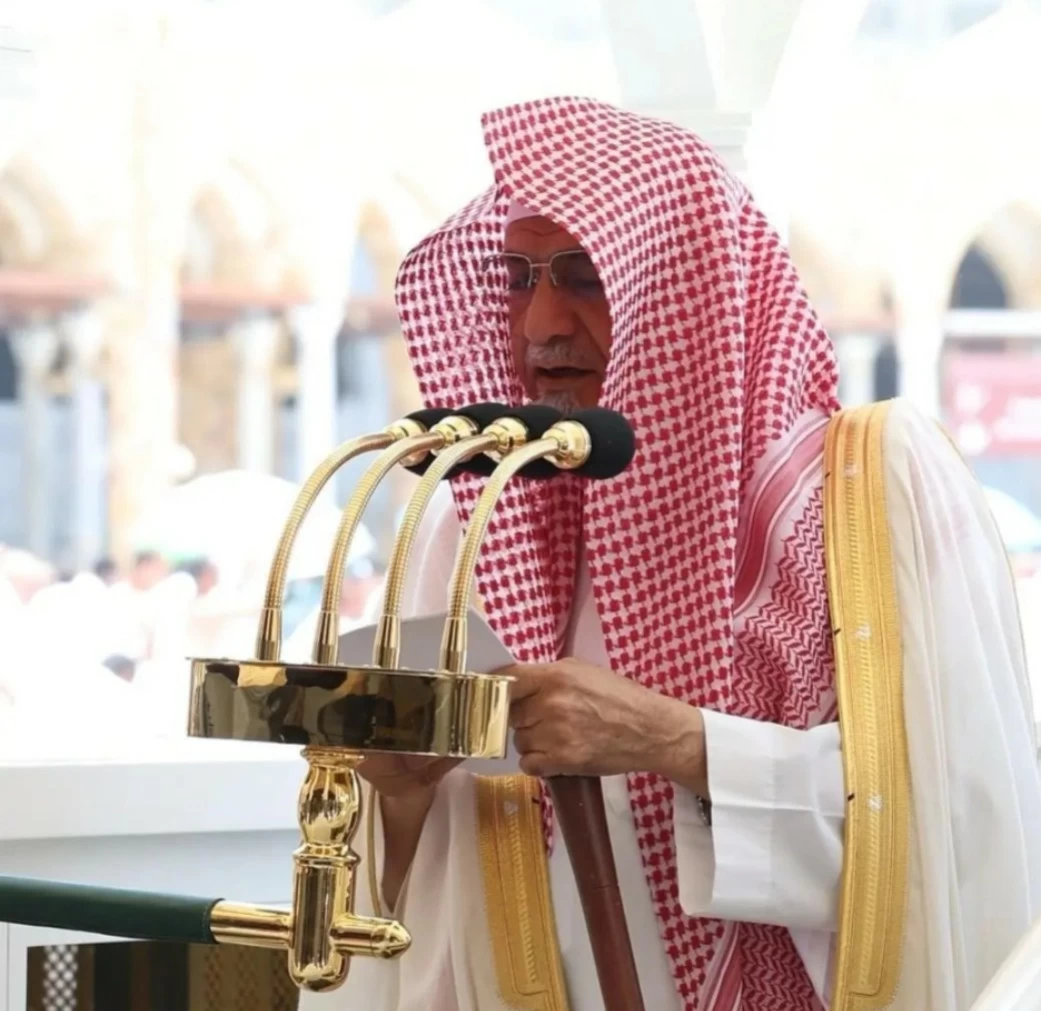
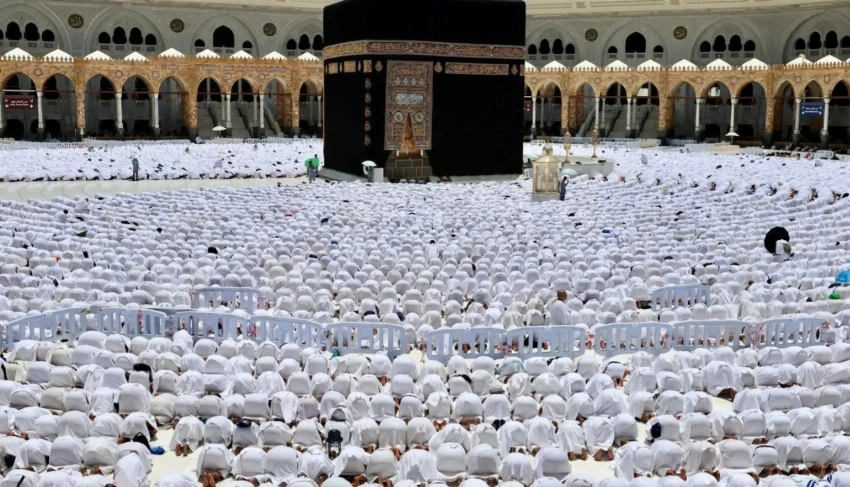
أوصى إمام وخطيب المسجد الحرام الشيخ الدكتور صالح بن عبدالله بن حميد، المسلمين بتقوى الله عز وجل، محذرًا من الاغترار بالأماني والآمال، وأن كل حي على وشك الرحيل والانتقال، وأن الإنسان لا يبقى له بعد موته إلا ما قدمه من عمل صالح، قال الله تعالى: ﴿فَكَيْفَ إِذَا جَمَعْنَاهُمْ لِيَوْمٍ لَّا رَيْبَ فِيهِ وَوُفِّيَتْ كُلُّ نَفْسٍ مَّا كَسَبَتْ وَهُمْ لَا يُظْلَمُونَ﴾.
وأوضح خلال خطبة الجمعة بالمسجد الحرام أن الأوقات تمضي سريعًا، والأعمار تنقضي شيئًا فشيئًا، وأن الأجل إذا حل لا يمكن استدراك ما فات، قال تعالى: ﴿يَوْمَ تَجِدُ كُلُّ نَفْسٍ مَّا عَمِلَتْ مِنْ خَيْرٍ مُّحْضَرًا وَمَا عَمِلَتْ مِن سُوءٍ تَوَدُّ لَوْ أَنَّ بَيْنَهَا وَبَيْنَهُ أَمَدًا بَعِيدًا ۗ وَيُحَذِّرُكُمُ اللَّهُ نَفْسَهُ ۗ وَاللَّهُ رَءُوفٌ بِالْعِبَادِ﴾، مبينًا أن السعيد من استودع عمره صالح عمله، والشقي من شهد عليه سوء مقاله، وأن العبد لا يصحبه إلى قبره إلا ما عمل وما جنى.
وأشار إلى أن المسلمين يستقبلون عامًا هجريًا جديدًا، داعيًا إلى اغتنام هذه المناسبة في مراجعة النفس وتجديد التوبة والإنابة إلى الله، وسؤاله سبحانه أن يبارك في الأعمار والأعمال والأرزاق والذريات، وأن يفتح لعباده أبواب الرحمة والإجابة، مفيدًا بأن مفاوز الدنيا تقطع بالأقدام، أما مفاوز الآخرة فتقطع بالقلوب، وأن أحب القلوب إلى الله القلب الذي تمكنت منه الذلة لربه والانكسار لمولاه، قال تعالى: ﴿أَمَّنْ هُوَ قَانِتٌ آنَاءَ اللَّيْلِ سَاجِدًا وَقَائِمًا يَحْذَرُ الْآخِرَةَ وَيَرْجُو رَحْمَةَ رَبِّهِ﴾.
وأكد الدكتور بن حميد أن الافتقار إلى الله من أعظم مقامات العبودية، وأن صدق الافتقار يتحقق حين يتأمل العبد ضعفه وفقره ومسكنته وحاجته وعجزه وتقصيره، ثم يرفع ذلك كله إلى الله سبحانه، وأنه على قدر افتقار العبد إلى ربه يكون توفيقه ورزقه وغناه وسعادته.
وأردف قائلًا «إن حقيقة الافتقار تتمثل في علم العبد ويقينه الجازم بأنه لا غنى له عن ربه طرفة عين، وأن الله سبحانه هو الكافي والمؤيد والنصير، فلا حيلة للعبد ولا قوة ولا استطاعة إلا بإذن الله ومشيئته وقدرته وتيسيره وإعانته»، مضيفًا أن المفتقر إلى الله يلازم الدعاء والتضرع وسؤال الله ألا يكله إلى نفسه طرفة عين.
وبين أن العبد كلما كان لربه أذل ولمولاه أفقر كان إليه أقرب وبه أعز وله أحب، وأن العلم بالله يزيد صاحبه خشية وخوفًا منه، مستشهدًا بقول الفضيل بن عياض رحمه الله: «أعلم الناس بالله أخوفهم منه»، وقوله: «رهبة العبد من الله على قدر علمه به».
وأكد الشيخ صالح بن حميد أن الخوف من الله يدفع إلى الحرص والجد والإقبال على الطاعة، قال النبي صلى الله عليه وسلم: «من خاف أدلج، ومن أدلج بلغ المنزل»، وأن من الحكم الجامعة في هذا الباب أن «إذا صح الافتقار إلى الله صح الاستغناء به، وإذا صح الاستغناء به صح الافتقار إليه»، وأن الدعاء والاستعانة والتوكل والمراقبة والتذلل والرغبة والإنابة والخوف والحب ومداومة الذكر والاستغفار وخشية الله في السر والعلن وتعظيم أوامره ونواهيه من أعظم ما يرفع العبد إلى مقام الافتقار إلى الله.
وشدد على أن الافتقار إلى الله سبب للغنى والرحمة والفضل والمدد، وأن السعادة الحقيقية والفوز الكبير يتحققان بكمال الذل لله تعالى والافتقار إليه، وأن العبد بين يدي ربه موقفان: موقف بين يديه في الصلاة، وموقف بين يديه يوم يلقاه، وأن من قام بحق الموقف الأول هان عليه الموقف الثاني، وأن العبد يتقلب بين أحكام الأوامر وأحكام النوازل، وعلى قدر قيامه بالأوامر يكون لطف الله به عند حلول النوازل، وأن صحة الافتقار إلى الله تصفي العبادة، وتقطع عن القلب الهموم، وتجعل صاحبه يجد لذة الطاعة وحلاوة القرب من الله.
وقال: «إن أسر القلب أعظم من أسر البدن، وأن استعباد القلب أشد من استعباد الجسد، وإن أعظم الناس ضلالًا وخسرانًا من تعلق قلبه بغير الله، قال تعالى: ﴿أَفَرَأَيْتَ مَنِ اتَّخَذَ إِلَٰهَهُ هَوَاهُ﴾، وقال النبي صلى الله عليه وسلم:»تعس عبد الدينار، تعس عبد الدرهم«، موضحًا أن أعظم الإضاعات إضاعة القلب وإضاعة الوقت، فإضاعة القلب تكون بإيثار الدنيا على الآخرة، وإضاعة الوقت بطول الأمل، وأن الفساد يكون باتباع الهوى وطول الأمل، فيما يكون الصلاح باتباع الهدى والاستعداد للقاء الله، وأن عدم الافتقار إلى الله يقود إلى الاستكبار، وأن العوائق التي تحول بين العبد وبين ربه ثلاثة: الشرك والبدعة والمعصية، وأن الشرك يزول بالتوحيد، والبدعة تزول بلزوم السنة، والمعصية تزول بالتوبة النصوح».
ودعا إمام وخطيب المسجد الحرام المسلمين إلى استقبال العام الهجري الجديد بالتوبة والعمل الصالح، مؤكدًا أن الأيام مقادير الآجال ومواقيت الأعمال، وأن عمل المؤمن لا ينقضي حتى يأتيه أجله، قال تعالى: ﴿وَاعْبُدْ رَبَّكَ حَتَّى يَأْتِيَكَ الْيَقِينُ﴾، وأن ما من ساعة من ساعات العمر إلا ولله فيها وظيفة من وظائف الطاعات، وأن العبد يتقرب إلى ربه بين راجٍ وخائف.
وحث على صيام يوم عاشوراء، مستشهدًا بما رواه أنس رضي الله عنه أن رسول الله صلى الله عليه وسلم قال: «صيام يوم عاشوراء أحتسب على الله أن يكفر السنة التي قبلها»، وذكر ما جاء عن ابن عباس رضي الله عنهما مرفوعًا: «خالفوا اليهود صوموا يومًا قبله أو يومًا بعده»، مشيرًا إلى قوله صلى الله عليه وسلم: «لئن بقيت إلى قابل لأصومن التاسع مع العاشر».
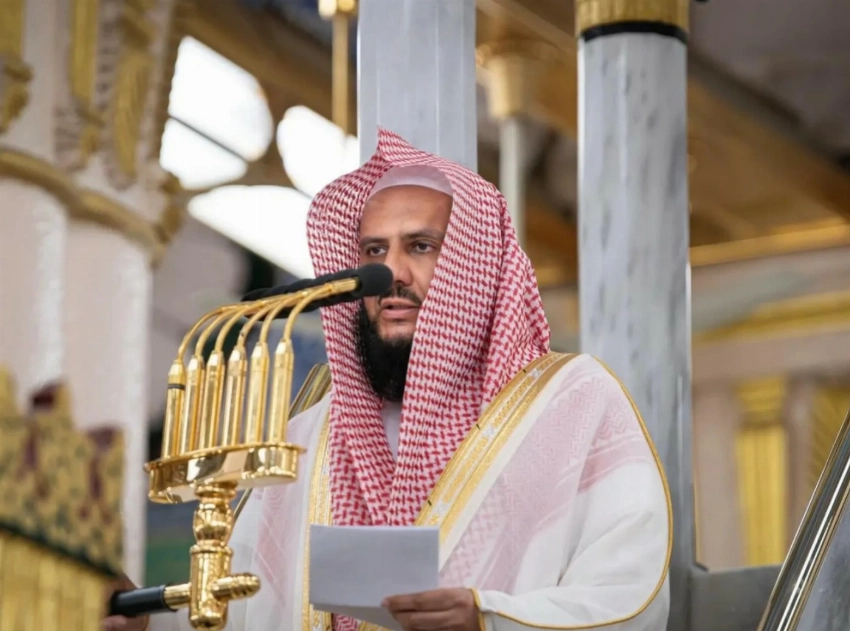
كما أوصى إمام وخطيب المسجد النبوي الشيخ الدكتور خالد المهنا، المسلمين بتقوى الله تعالى، وطاعة المولى الكريم للفوز بالمغفرة والأجر العظيم، قال تعالى: (يَا أَيُّهَا الَّذِينَ آمَنُوا اتَّقُوا اللَّهَ وَقُولُوا قَوْلًا سَدِيدًا يُصْلِحْ لَكُمْ أَعْمَالَكُمْ وَيَغْفِرْ لَكُمْ ذُنُوبَكُمْ ۗ وَمَن يُطِعِ اللَّهَ وَرَسُولَهُ فَقَدْ فَازَ فَوْزًا عَظِيمًا).
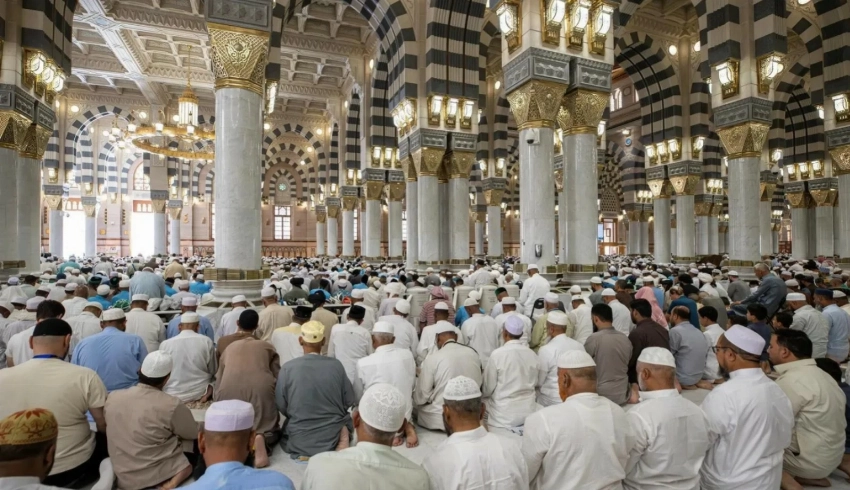
وقال: المساجد بيوت الله في أرضه، وأحب البقاع إليه سبحانه، قال صلى الله عليه وسلم: «أحب البقاع إلى الله مساجدها، وأبغضها إليه أسواقها»، أمر الله ببنائها وصونها لتكون مواضع ذكره وتسبيحه وتعظيمه، فقال جل شأنه: ﴿فِي بُيُوتٍ أَذِنَ اللَّهُ أَنْ تُرْفَعَ وَيُذْكَرَ فِيهَا اسْمُهُ يُسَبِّحُ لَهُ فِيهَا بِالْغُدُوِّ وَالْآصَالِ رِجَالٌ لَا تُلْهِيهِمْ تِجَارَةٌ وَلَا بَيْعٌ عَنْ ذِكْرِ اللَّهِ وَإِقَامِ الصَّلَاةِ وَإِيتَاءِ الزَّكَوٰة يَخَافُونَ يَوْمًا تَتَقَلَّبُ فِيهِ الْقُلُوبُ وَالْأَبْصَارُ لِيَجْزِيَهُمُ اللَّهُ أَحْسَنَ مَا عَمِلُوا وَيَزِيدَهُمْ مِنْ فَضْلِهِ ۗ وَاللَّهُ يَرْزُقُ مَنْ يَشَاءُ بِغَيْرِ حِسَابٍ﴾، يعمرها رجال يتعاهدونها خمس مرات في يومهم وليلتهم ليقيموا فرائض الله عليهم، شهد الله لروادها بالإيمان، فلا يتعاهدها إلا مؤمن يذكر الآخرة ويرجو رحمة ربه.
وبين أن المسلم يشتاق إليها، ويبهج فؤاده لها كلما استحضر الوعد الكريم الذي بشّر به رسول الله صلى الله عليه وسلم عُمّارها بقوله: «من غدا إلى المسجد أو راح، أعدّ الله له في الجنة نُزُلًا كلما غدا أو راح»، يعمرها المسلم بذكر ربه، وتلاوة كتابه، وأداء فرائضه، ويستكثر فيها من النوافل، ويتعلم العلوم الشرعية الفواضل، فلذلك بُنيت مرفوعة عن القيل والقال، مصونة عن اللغو واللهو والسؤال.
وقال: الساعي إلى المساجد هو بين درجة ترفعه، وخطيئة تحط عنه، وملائكة تصلي عليه وتستغفر له، والماكث فيها ينتظر الصلاة، له مثل أجر الصائم المصلي، كما قد دل على هذه الفضائل العظيمة قول الصادق المصدوق صلى الله عليه وسلم: «صلاة الرجل في الجماعة تضعف على صلاته في بيته وفي سوقه خمسًا وعشرين ضعفًا، وذلك أنه إذا توضأ فأحسن الوضوء، ثم خرج إلى المسجد، لا يخرجه إلا الصلاة، لم يخط خطوة إلا رفعت له بها درجة، وحط عنه بها خطيئة، فإذا صلى لم تزل الملائكة تصلي عليه، ما دام في مصلاه: اللهم صلِّ عليه، اللهم ارحمه، ولا يزال أحدكم في صلاة ما انتظر الصلاة».
وأوضح أنه لمكانة المساجد في الإسلام وحبّة الله لها وتعظيمه إياها، تولى رسول الله صلى الله عليه وسلم بيده الكريمة بناء مسجده الشريف، وأعانه عليه أصحابه، وبناء قبل ذلك مسجد قباء، ورغّب في بناء المساجد لما وعد الله على ذلك من حسن الثواب وعظيم الجزاء، فالمساجد مستراح الصالحين، وملتقى المؤمنين، مبينًا أنه في المساجد يتحقق مقصد عظيم من مقاصد الإسلام، ألا وهو تحقيق أخوة الإيمان، فيلتقي المسلم أخاه في المسجد بالبشر، فيلقي عليه السلام، ليسود التعاطف والتراحم والوئام، ويتفقد بعضهم أحوال بعض، ويتعاونون على البر والتقوى، ويتواصون بالحق والصبر عليه، فذلك من أعظم مقاصد عمارتها، وأجل أسباب بنائها.
وختم إمام وخطيب المسجد النبوي الشيخ الدكتور خالد المهنا بالقول إن المساجد بيوت الله، لم تُبنَ إلا لإقامة ذكره، الأدب فيها واجب، لأنه من الأدب مع الله، فمن قام فيها فلا يقول إلا خيرًا، ولا يعمل إلا صالحًا، لا يراد فيها إلا عمل الآخرة، وتجتنب فيها جميع أمور الدنيا من بيع وشراء، كما ثبت بذلك النهي عن سيد المرسلين، وتجتنب فيها الحديث عن وجوه المكاسب والمعايش، فضلًا عن الخوض في أعراض الناس والوقيعة فيهم، ورفع الأصوات والضحك والصخب والجدال، والتوسع في السؤال عن الأحوال، ونحو ذلك من أحاديث عامة الناس.
The Imam and preacher of the Grand Mosque, Sheikh Dr. Saleh bin Abdullah bin Humaid, advised Muslims to fear Allah Almighty, warning against being deceived by wishes and hopes, and that every living being is on the verge of departure and transition, and that after death, a person will have nothing left except what they have presented of good deeds. Allah Almighty said: ﴿So how will it be when We gather them for a Day about which there is no doubt, and every soul will be compensated for what it earned, and they will not be wronged﴾.
He clarified during the Friday sermon at the Grand Mosque that time passes quickly, and lifetimes gradually come to an end, and that when the appointed time arrives, it is impossible to make up for what has passed. Allah said: ﴿On the Day when every soul will find what it has done of good present, and what it has done of evil, it will wish that there were a great distance between it and that. And Allah warns you of Himself. And Allah is Kind to the servants﴾, indicating that the fortunate is the one who entrusts his life to good deeds, and the wretched is the one who bears witness against himself with evil words, and that a servant will take with him to his grave only what he has done and earned.
He pointed out that Muslims are welcoming a new Hijri year, calling for seizing this occasion to review oneself and renew repentance and return to Allah, asking Him to bless their lifetimes, deeds, provisions, and offspring, and to open for His servants the doors of mercy and response. He noted that the gains of this world are achieved by feet, while the gains of the Hereafter are achieved by hearts, and that the most beloved hearts to Allah are those that are humbled before their Lord and broken for their Master. Allah said: ﴿Is one who devotes himself to worship during the night, prostrating and standing, fearing the Hereafter and hoping for the mercy of his Lord﴾.
Dr. bin Humaid affirmed that the neediness to Allah is one of the greatest ranks of servitude, and that true neediness is realized when a servant contemplates his weakness, poverty, helplessness, need, incapacity, and shortcomings, then raises all of that to Allah Almighty, and that the extent of a servant's neediness to his Lord determines his success, provision, wealth, and happiness.
He added, "The essence of neediness is manifested in the servant's knowledge and firm conviction that he is in need of his Lord for the blink of an eye, and that Allah Almighty is the Sufficient, the Supporter, and the Helper. The servant has no way, strength, or ability except by the permission of Allah, His will, His power, His facilitation, and His assistance." He further added that the one who is in need of Allah constantly engages in supplication, humility, and asking Allah not to leave him to himself for the blink of an eye.
He explained that the more a servant is humble to his Lord and poorer to his Master, the closer he is to Him, the more honored he is by Him, and the more beloved he is to Him. Knowledge of Allah increases its possessor's fear and awe of Him, citing the saying of Al-Fudayl bin Iyad, may Allah have mercy on him: "The most knowledgeable of people about Allah are the most fearful of Him," and his saying: "The servant's fear of Allah is proportional to his knowledge of Him."
Sheikh Saleh bin Humaid confirmed that the fear of Allah drives one to diligence, seriousness, and turning towards obedience. The Prophet, peace be upon him, said: "Whoever fears will set out, and whoever sets out will reach the destination." Among the comprehensive wisdoms in this regard is that "if the neediness to Allah is correct, then the sufficiency in Him is correct, and if the sufficiency in Him is correct, then the neediness to Him is correct." The supplication, seeking help, reliance, vigilance, humility, desire, returning to Allah, fear, love, continuous remembrance, seeking forgiveness, fearing Allah in secret and in public, and glorifying His commands and prohibitions are among the greatest means that elevate the servant to the rank of neediness to Allah.
He stressed that neediness to Allah is a cause for wealth, mercy, grace, and support, and that true happiness and great success are achieved by complete humility to Allah Almighty and neediness to Him. The servant stands before his Lord in two positions: one in prayer and the other on the Day he meets Him. Whoever fulfills the rights of the first position will find the second position easy. The servant fluctuates between the rulings of commands and the rulings of calamities, and to the extent that he fulfills the commands, Allah's kindness will be with him when calamities occur. The correctness of neediness to Allah purifies worship, removes worries from the heart, and makes its possessor find the sweetness of obedience and the joy of closeness to Allah.
He said: "The captivity of the heart is greater than the captivity of the body, and the enslavement of the heart is more severe than the enslavement of the body. The most misguided and lost of people are those whose hearts are attached to anything other than Allah. Allah said: ﴿Have you seen the one who takes as his god his own desire﴾, and the Prophet, peace be upon him, said: "Wretched is the servant of the dinar, wretched is the servant of the dirham," explaining that the greatest losses are the loss of the heart and the loss of time. The loss of the heart occurs by preferring this world over the Hereafter, and the loss of time occurs through prolonged hope. Corruption occurs by following desires and prolonged hope, while righteousness occurs by following guidance and preparing for meeting Allah. The lack of neediness to Allah leads to arrogance, and the obstacles that stand between the servant and his Lord are three: polytheism, innovation, and disobedience. Polytheism is removed by monotheism, innovation is removed by adhering to the Sunnah, and disobedience is removed by sincere repentance."
The Imam and preacher of the Grand Mosque called on Muslims to welcome the new Hijri year with repentance and good deeds, emphasizing that days are the measures of lifetimes and the times for deeds, and that the work of a believer does not cease until his appointed time comes. Allah said: ﴿And worship your Lord until certainty comes to you﴾, and that there is not an hour of a person's life except that Allah has a duty in it from the duties of obedience, and that the servant draws closer to his Lord between hope and fear.
He urged fasting on the Day of Ashura, citing what was narrated by Anas, may Allah be pleased with him, that the Messenger of Allah, peace be upon him, said: "Fasting on the Day of Ashura, I hope from Allah that it will expiate the year that came before it," and mentioned what was reported from Ibn Abbas, may Allah be pleased with them, that he said: "Contradict the Jews, fast a day before it or a day after it," referring to the saying of the Prophet, peace be upon him: "If I remain until the next year, I will fast the ninth with the tenth."
Similarly, the Imam and preacher of the Prophet's Mosque, Sheikh Dr. Khalid Al-Muhanna, advised Muslims to fear Allah Almighty and obey the Gracious Lord to attain forgiveness and great reward. Allah said: (O you who have believed, fear Allah and speak a word of appropriate justice. He will make your deeds right for you and forgive you your sins. And whoever obeys Allah and His Messenger has certainly attained a great attainment).
He said: The mosques are the houses of Allah on His earth and the most beloved places to Him. The Prophet, peace be upon him, said: "The most beloved places to Allah are its mosques, and the most hated are its markets." Allah commanded their construction and preservation so that they may be places of His remembrance, glorification, and exaltation. He, the Exalted, said: ﴿In houses which Allah has permitted to be raised and that His name be mentioned therein, exalting Him therein in the mornings and the evenings are men whom neither commerce nor sale distracts from the remembrance of Allah and the establishment of prayer and the giving of zakah. They fear a Day when hearts and eyes will tremble. Allah will give them the best of what they did and increase them from His bounty. And Allah provides for whom He wills without account﴾. They are maintained by men who attend them five times a day and night to establish Allah's obligations upon them. Allah has testified for their visitors with faith, so only a believer who remembers the Hereafter and hopes for the mercy of his Lord attends them.
He explained that the Muslim longs for them, and his heart rejoices for them whenever he recalls the generous promise that the Messenger of Allah, peace be upon him, gave to their builders, saying: "Whoever goes to the mosque in the morning or evening, Allah has prepared for him a place in Paradise every time he goes or returns." The Muslim fills them with the remembrance of his Lord, recitation of His Book, and performance of His obligations, and he increases in the supererogatory prayers and learns the virtuous religious sciences. Therefore, they were built elevated above idle talk, preserved from frivolity and distraction, and protected from worldly matters.
He said: The one who goes to the mosques is between a rank that elevates him, a sin that diminishes him, and angels that pray for him and seek forgiveness for him. The one who stays in them waiting for prayer has the reward of a fasting praying person, as indicated by the great virtues in the saying of the truthful and trustworthy Prophet, peace be upon him: "The prayer of a man in congregation is multiplied over his prayer in his house and in his market by twenty-five times. This is because when he performs ablution and does it well, then goes out to the mosque, nothing but prayer brings him out, he does not take a step except that a degree is raised for him, and a sin is removed for him. When he prays, the angels continue to pray for him as long as he remains in his place of prayer: O Allah, bless him, O Allah, have mercy on him, and one of you remains in prayer as long as he is waiting for prayer."
He clarified that due to the status of mosques in Islam and Allah's love for them and His glorification of them, the Messenger of Allah, peace be upon him, personally oversaw the construction of his noble mosque, and his companions assisted him in it, and before that, he built the Quba Mosque, and he encouraged the building of mosques due to the great reward and immense recompense promised by Allah for that. Mosques are the resting place of the righteous and the meeting place of the believers, indicating that in mosques, a great purpose of Islam is achieved, which is the realization of the brotherhood of faith. A Muslim meets his brother in the mosque with joy, greets him with peace, so that compassion, mercy, and harmony prevail, and they check on each other's conditions, cooperate on righteousness and piety, and advise each other with truth and patience upon it. This is among the greatest purposes of their construction and the most noble reasons for their establishment.
The Imam and preacher of the Prophet's Mosque, Sheikh Dr. Khalid Al-Muhanna, concluded by saying that mosques are the houses of Allah, built only for the establishment of His remembrance. Good manners in them are obligatory, as it is part of the etiquette with Allah. Whoever stands in them should only speak good and do righteous deeds, and nothing but the work of the Hereafter is desired therein. All worldly matters such as buying and selling should be avoided, as established by the prohibition from the Master of the Messengers, and discussions about means of earning and livelihoods should be avoided, let alone slandering people and gossiping about them, raising voices, laughing, noise, disputes, and excessive questioning about conditions, and similar matters of common people's conversations.