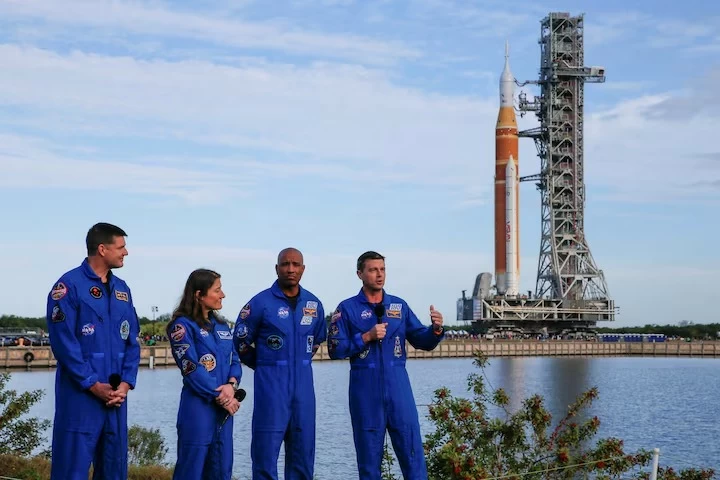
تستعد وكالة ناسا لإطلاق مرحلة حاسمة من برنامجها الطموح للعودة إلى القمر، مع وصول طاقم مهمة «أرتميس 2» إلى ولاية فلوريدا، إيذاناً ببدء العد التنازلي لأول رحلة مأهولة نحو القمر منذ أكثر من 50 عاماً.
ويضم الطاقم أربعة رواد فضاء هم ريد وايزمان، فيكتور غلوفر، كريستينا كوتش، إضافة إلى رائد الفضاء الكندي جيريمي، ومن المقرر أن تنطلق المهمة في أقرب وقت ممكن بداية من 1 أبريل، من مركز كينيدي الفضائي، على متن صاروخ نظام الإطلاق الفضائي (SLS) التابع لناسا، باستخدام مركبة Orion المصممة للرحلات إلى الفضاء العميق.
وستستغرق الرحلة نحو 10 أيام، حيث سيدور الطاقم في مسار سريع حول القمر قبل العودة إلى الأرض، دون تنفيذ هبوط على سطحه، في مهمة اختبارية تُعد الأولى المأهولة ضمن برنامج «أرتميس» متعدد المليارات.
ويهدف هذا الاختبار إلى تقييم أنظمة دعم الحياة والملاحة والاتصالات، إضافة إلى أداء الدرع الحراري للمركبة خلال العودة، في خطوة أساسية تمهد لمهمات مستقبلية تشمل الهبوط على القمر، وربما التوجه لاحقاً إلى المريخ.
وقد خضع الطاقم لتدريبات مكثفة لأكثر من عامين منذ اختيارهم في 2023، ودخلوا في حجر صحي قبل الإطلاق في مركز جونسون الفضائي، تمهيداً للانتقال إلى مقر إقامة الرواد في فلوريدا قبل الإقلاع.
وتحمل المهمة أهمية تاريخية، إذ سيصبح غلوفر أول رائد فضاء من أصول إفريقية يسافر إلى محيط القمر، فيما ستصبح كوتش أول امرأة تحقق هذا الإنجاز، بينما يمثل هانسن أول رائد فضاء غير أمريكي يتجاوز مدار الأرض المنخفض في اتجاه القمر.
ويتمتع الطاقم بخبرة واسعة في الفضاء، حيث سبق لثلاثة منهم المشاركة في مهام على متن محطة الفضاء الدولية، بينما تُعد هذه الرحلة الأولى لهانسن.
وأكد قائد المهمة وايزمان أن الفريق مستعد لكافة السيناريوهات، موضحاً أن الرحلة تظل اختبارية وقد تتغير مساراتها وفق الظروف.
وتشارك في تطوير مكونات المهمة كبرى شركات الفضاء، حيث تتولى شركة بوينغ تصنيع المرحلة الأساسية للصاروخ، بينما تنتج نورثروب غرومان المعززات الصاروخية، وتقوم لوكهيد مارتن بتطوير مركبة «أوريون».
وتأتي هذه المهمة ضمن خطة طويلة الأمد لوكالة ناسا تهدف إلى إقامة وجود بشري مستدام على القمر، تمهيداً لإطلاق بعثات مأهولة إلى كوكب المريخ خلال السنوات القادمة.
NASA is preparing to launch a critical phase of its ambitious program to return to the Moon, with the arrival of the crew of the "Artemis 2" mission in Florida, signaling the start of the countdown for the first crewed flight to the Moon in over 50 years.
The crew consists of four astronauts: Reid Wiseman, Victor Glover, Christina Koch, along with Canadian astronaut Jeremy, and the mission is scheduled to launch as early as April 1 from Kennedy Space Center, aboard NASA's Space Launch System (SLS) rocket, using the Orion spacecraft designed for deep space missions.
The journey will take about 10 days, during which the crew will orbit the Moon in a fast trajectory before returning to Earth, without landing on its surface, in a test mission that is the first crewed flight in the multi-billion dollar "Artemis" program.
This test aims to evaluate life support, navigation, and communication systems, in addition to the performance of the spacecraft's thermal shield during re-entry, in a crucial step paving the way for future missions that include landing on the Moon, and possibly heading to Mars later on.
The crew has undergone intensive training for over two years since their selection in 2023, and they entered quarantine before the launch at Johnson Space Center, in preparation for moving to the astronauts' residence in Florida before takeoff.
The mission carries historical significance, as Glover will become the first astronaut of African descent to travel to the Moon's vicinity, while Koch will be the first woman to achieve this milestone, and Hansen represents the first non-American astronaut to surpass low Earth orbit towards the Moon.
The crew has extensive experience in space, with three of them previously participating in missions aboard the International Space Station, while this will be Hansen's first flight.
Mission commander Wiseman confirmed that the team is prepared for all scenarios, explaining that the flight remains a test and its trajectory may change based on circumstances.
Major space companies are involved in developing the mission components, with Boeing manufacturing the core stage of the rocket, Northrop Grumman producing the rocket boosters, and Lockheed Martin developing the Orion spacecraft.
This mission is part of NASA's long-term plan aimed at establishing a sustainable human presence on the Moon, paving the way for crewed missions to Mars in the coming years.