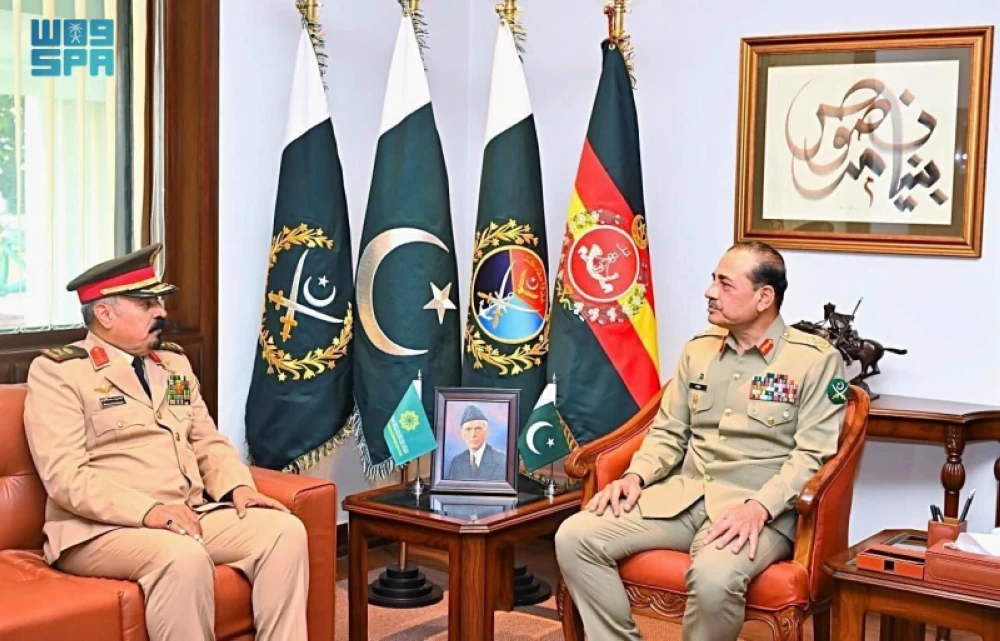
استقبل قائد الجيش الباكستاني المشير سيد عاصم منير، في مقر القيادة العامة، الأمين العام للتحالف الإسلامي العسكري لمحاربة الإرهاب اللواء الطيار الركن محمد المغيدي. وجرى خلال اللقاء استعراض رسالة التحالف الإسلامي وأهدافه الإستراتيجية ومنهجيته الشاملة في محاربة الإرهاب، القائمة على التكامل بين المجالات الأربعة: الفكري، والإعلامي، ومحاربة تمويل الإرهاب، والمجال العسكري، إلى جانب مناقشة أبرز المبادرات والبرامج النوعية التي ينفذها التحالف في الدول الأعضاء، لا سيما البرامج المنفذة في جمهورية باكستان الإسلامية.
واطّلع قائد الجيش الباكستاني على تفاصيل مبادرة التأهيل الفكري وإعادة الإدماج الاجتماعي «إدماج» التي أطلقها التحالف في إسلام أباد؛ الهادفة إلى معالجة جذور التطرف من خلال بناء قدرات المختصين والعاملين في برامج إعادة التأهيل والإدماج، وفق أفضل الممارسات الدولية والتجارب المتقدمة في هذا المجال؛ بما يعزز من فعالية المقاربات الوقائية والفكرية في مواجهة ظاهرة التطرف.
كما بحث الجانبان سبل تعزيز التعاون والتنسيق المشترك بين التحالف والجمهورية الباكستانية؛ بما يسهم في دعم الجهود الدولية الرامية إلى محاربة الإرهاب وتجفيف منابعه الفكرية والمالية، وتعزيز بناء القدرات الوطنية، وتبادل الخبرات والمعرفة المتخصصة بين الدول الأعضاء.
وأكَّد المشير سيد عاصم منير، خلال اللقاء، أهمية الدور الذي يقوم به التحالف الإسلامي في تنسيق الجهود الدولية لمواجهة الإرهاب، مشيداً بالمبادرات النوعية التي ينفذها في الدول الأعضاء، وبما تمثله من نموذج عملي للتكامل والتعاون الدولي في هذا المجال.
من جانبه، أعرب الأمين العام للتحالف الإسلامي عن تقديره لما تبديه جمهورية باكستان الإسلامية من تعاون فاعل مع التحالف، مؤكداً أن تنفيذ المبادرات والبرامج في باكستان يأتي في إطار الشراكة الإستراتيجية بين الجانبين، وحرص التحالف على نقل المعرفة وبناء القدرات؛ بما يعزز من جاهزية المؤسسات الوطنية في مواجهة تحديات الإرهاب والتطرف.
وأكَّد الطرفان أهمية مواصلة العمل المشترك، وتطوير آفاق التعاون بما يخدم الأمن والاستقرار الإقليمي والدولي، ويعزز من الجهود الدولية الرامية إلى محاربة الإرهاب بكافة صوره وأشكاله.
The Chief of Army Staff of Pakistan, General Syed Asim Munir, received the Secretary-General of the Islamic Military Alliance to Fight Terrorism, Major General Pilot Muhammad Al-Mughaidi, at the General Headquarters. During the meeting, the message of the Islamic Alliance, its strategic objectives, and its comprehensive methodology in combating terrorism were reviewed, which is based on the integration of four areas: intellectual, media, combating the financing of terrorism, and military, in addition to discussing the most prominent initiatives and qualitative programs implemented by the alliance in member states, particularly the programs executed in the Islamic Republic of Pakistan.
The Chief of Army Staff of Pakistan was briefed on the details of the intellectual rehabilitation and social reintegration initiative "Integration," which was launched by the alliance in Islamabad; aimed at addressing the roots of extremism by building the capacities of specialists and those working in rehabilitation and reintegration programs, according to the best international practices and advanced experiences in this field; which enhances the effectiveness of preventive and intellectual approaches in confronting the phenomenon of extremism.
The two sides also discussed ways to enhance cooperation and joint coordination between the alliance and the Islamic Republic of Pakistan; contributing to supporting international efforts aimed at combating terrorism and drying up its intellectual and financial sources, strengthening national capacity building, and exchanging specialized expertise and knowledge among member states.
General Syed Asim Munir emphasized during the meeting the importance of the role played by the Islamic Alliance in coordinating international efforts to confront terrorism, praising the qualitative initiatives it implements in member states, and what they represent as a practical model for integration and international cooperation in this field.
For his part, the Secretary-General of the Islamic Alliance expressed his appreciation for the active cooperation shown by the Islamic Republic of Pakistan with the alliance, affirming that the implementation of initiatives and programs in Pakistan comes within the framework of the strategic partnership between the two sides, and the alliance's keenness to transfer knowledge and build capacities; which enhances the readiness of national institutions to face the challenges of terrorism and extremism.
Both parties confirmed the importance of continuing joint work and developing cooperation prospects that serve regional and international security and stability, and enhance international efforts aimed at combating terrorism in all its forms and manifestations.