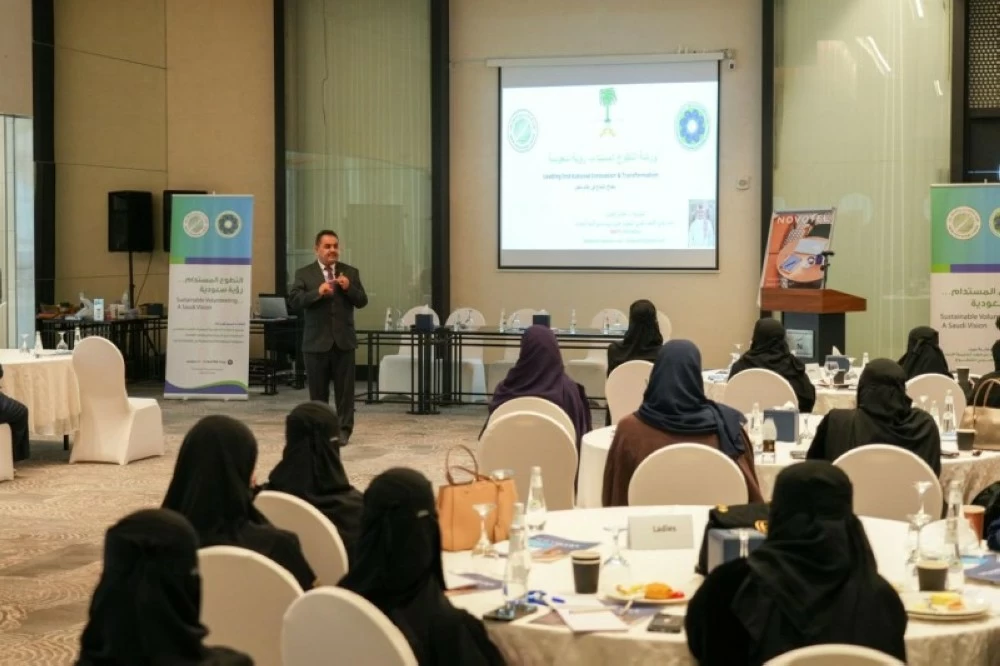
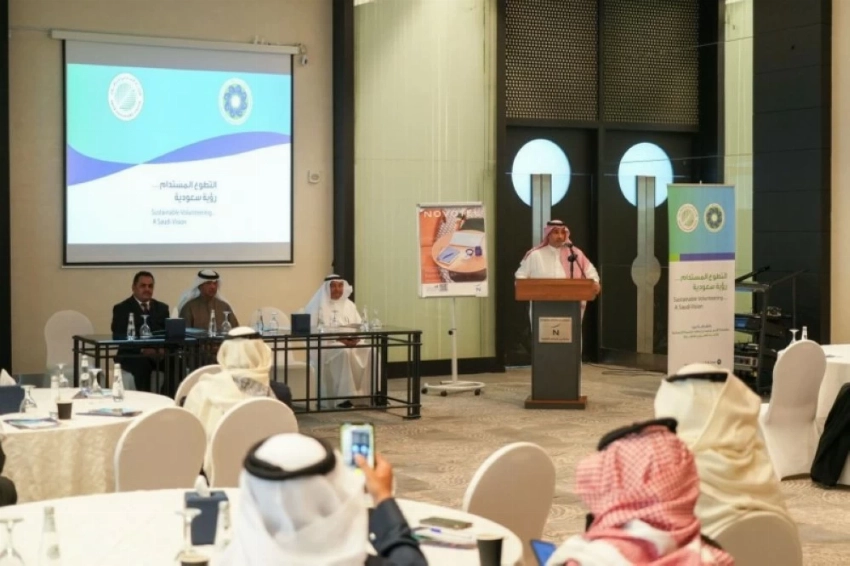
أطلقت مؤسسة الأمير محمد بن فهد للتنمية الإنسانية، بالتعاون مع الاتحاد العربي للتطوع، صباح اليوم (الأحد)، ورشة تدريبية متخصصة بعنوان «التطوع المستدام.. رؤية سعودية» في مدينة الرياض، التي تستمر حتى 30 ديسمبر الجاري، بمشاركة 47 مشاركاً من الجهات الحكومية والخاصة، وذلك ضمن جهودها الرامية إلى ترسيخ ثقافة التطوع المستدام وتعزيز منظومة العمل التطوعي المؤسسي في المملكة.
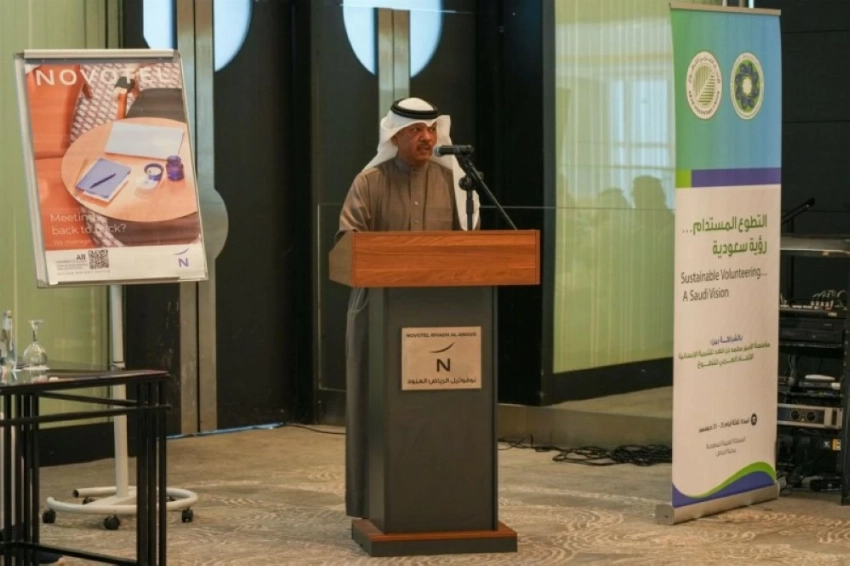
وفي افتتاح الورشة، أكد الدكتور محمد بن عثمان الحزيم، في كلمة ألقاها نيابة عن مؤسسة الأمير محمد بن فهد للتنمية الإنسانية، أن العمل التطوعي لم يعد نشاطًا فرديًا أو جهدًا عابرًا، بل أصبح منظومة تنموية متكاملة تتطلب حوكمة فاعلة وتخطيطًا إستراتيجيًا يضمن استدامة الأثر وتعظيم نتائجه. وأشار إلى أن رؤية المملكة العربية السعودية 2030 أولت القطاع غير الربحي والعمل التطوعي اهتمامًا كبيرًا، بوصفهما ركيزتين أساسيتين في بناء مجتمع حيوي واقتصاد مزدهر.
دور ريادي في تعزيز القطاع غير الربحي
من جانبه، عبّر رئيس الاتحاد العربي للتطوع حسن محمد بوهزاع عن اعتزازه بالشراكة الإستراتيجية مع مؤسسة الأمير محمد بن فهد للتنمية الإنسانية، مشيدًا بالدور الريادي الذي تقوم به المملكة العربية السعودية في دعم وتعزيز القطاع غير الربحي على المستويين العربي والعالمي. وأشار إلى مذكرة التفاهم التي وُقعت بين الجانبين في مارس 2018، والتي شكّلت انطلاقة لمسيرة تعاون ناجحة أثمرت عن مبادرات نوعية تحولت إلى نموذج عربي وعالمي في مجال العمل التطوعي.
وكشف بوهزاع توجه الاتحاد العربي للتطوع لاعتماد لقب «عاصمة التطوع العربي المستدام» للدول العربية الأكثر تقدمًا وتأثيرًا في هذا المجال، معربًا عن تطلعه إلى أن تكون مدينة الرياض أول عاصمة عربية تُمنح هذا اللقب، تقديرًا لما تشهده من تطور لافت وجهود كبيرة في دعم العمل التطوعي. وفي ختام كلمته، ثمّن دعم مؤسسة الأمير محمد بن فهد للتنمية الإنسانية، ممثلة في أمينها العام الدكتور عيسى الأنصاري، ودورها المستمر في تعزيز ثقافة التطوع المستدام.
من جهته، أكد الأمين العام لمؤسسة الأمير محمد بن فهد للتنمية الإنسانية الدكتور عيسى بن حسن الأنصاري أن تنظيم ورشة «التطوع المستدام.. رؤية سعودية» يعكس التزام المؤسسة بتطوير منظومة العمل التطوعي، والانتقال بها من المبادرات الفردية أو الموسمية إلى نماذج مؤسسية أكثر كفاءة واستدامة، تقوم على التخطيط الاستراتيجي وقياس الأثر وتعظيم مردوده المجتمعي. وأوضح أن المؤسسة تحرص من خلال هذه الورشة على ترسيخ مفهوم التطوع المستدام بوصفه مسارًا تنمويًا فاعلًا يسهم في دعم التنمية الوطنية ويعزز دور الإنسان كشريك رئيسي في صناعة الأثر.
تحقيق أثر نوعي طويل الأمد
وبيّن الدكتور الأنصاري أن الورشة تهدف إلى تمكين المشاركين من أدوات ومعارف عملية حديثة في إدارة العمل التطوعي، وتطوير البرامج والمبادرات بما يسهم في رفع كفاءتها وتحقيق أثر نوعي طويل الأمد، مشيرًا إلى تطلع المؤسسة لأن تسهم مخرجات الورشة في تقديم نماذج عملية قابلة للتطبيق وتوصيات نوعية تدعم تطوير السياسات والممارسات التطوعية، وتعزز حضور العمل التطوعي المؤسسي على المستويين المحلي والعربي. وأكد في ختام تصريحه أن الاستثمار في الإنسان وبناء قدراته التطوعية يمثل ركيزة أساسية لتحقيق التنمية المستدامة وخدمة المجتمع.
The Prince Mohammed bin Fahd Foundation for Human Development, in collaboration with the Arab Volunteer Union, launched a specialized training workshop titled "Sustainable Volunteering... A Saudi Vision" this morning (Sunday) in Riyadh, which will continue until December 30, with the participation of 47 participants from governmental and private sectors. This initiative is part of its efforts to establish a culture of sustainable volunteering and enhance the institutional volunteering system in the Kingdom.
At the opening of the workshop, Dr. Mohammed bin Othman Al-Hazim, in a speech delivered on behalf of the Prince Mohammed bin Fahd Foundation for Human Development, emphasized that volunteering is no longer an individual activity or a fleeting effort, but has become a comprehensive developmental system that requires effective governance and strategic planning to ensure the sustainability of its impact and maximize its results. He pointed out that Saudi Arabia's Vision 2030 has given significant attention to the non-profit sector and volunteer work as two essential pillars in building a vibrant society and a prosperous economy.
A Pioneering Role in Enhancing the Non-Profit Sector
For his part, the President of the Arab Volunteer Union, Hassan Mohammed Bouhza, expressed his pride in the strategic partnership with the Prince Mohammed bin Fahd Foundation for Human Development, praising the pioneering role that Saudi Arabia plays in supporting and enhancing the non-profit sector at both the Arab and global levels. He referred to the memorandum of understanding signed between the two parties in March 2018, which marked the beginning of a successful cooperation journey that has resulted in qualitative initiatives that have become an Arab and global model in the field of volunteer work.
Bouhza revealed the Arab Volunteer Union's intention to adopt the title of "Capital of Sustainable Arab Volunteering" for the Arab countries that are most advanced and influential in this field, expressing his hope that Riyadh would be the first Arab capital to be awarded this title, in recognition of its remarkable development and significant efforts in supporting volunteer work. At the end of his speech, he appreciated the support of the Prince Mohammed bin Fahd Foundation for Human Development, represented by its Secretary-General, Dr. Issa Al-Ansari, and its ongoing role in promoting the culture of sustainable volunteering.
For his part, the Secretary-General of the Prince Mohammed bin Fahd Foundation for Human Development, Dr. Issa bin Hassan Al-Ansari, confirmed that organizing the "Sustainable Volunteering... A Saudi Vision" workshop reflects the foundation's commitment to developing the volunteering system and transitioning it from individual or seasonal initiatives to more efficient and sustainable institutional models based on strategic planning and impact measurement to maximize its community returns. He explained that the foundation aims, through this workshop, to establish the concept of sustainable volunteering as an effective developmental pathway that contributes to supporting national development and enhances the role of individuals as key partners in creating impact.
Achieving Long-Term Qualitative Impact
Dr. Al-Ansari indicated that the workshop aims to empower participants with modern practical tools and knowledge in managing volunteer work, and developing programs and initiatives that contribute to enhancing their efficiency and achieving long-term qualitative impact. He pointed out that the foundation looks forward to the outcomes of the workshop providing practical, applicable models and qualitative recommendations that support the development of volunteer policies and practices, and enhance the presence of institutional volunteer work at both local and Arab levels. He concluded his statement by affirming that investing in individuals and building their volunteering capacities represents a fundamental pillar for achieving sustainable development and serving the community.