أقرّ وزراء الدفاع بدول مجلس التعاون لدول الخليج العربية، فتح قيادة متقدمة للقيادة العسكرية الموحدة في دولة الكويت، وتخصيص قوات مناسبة لها، وذلك ضمن قرارات الدورة الـ23 لمجلس الدفاع المشترك، التي عُقدت في المنامة، برئاسة وزير شؤون الدفاع البحريني الفريق الركن عبدالله حسن النعيمي.
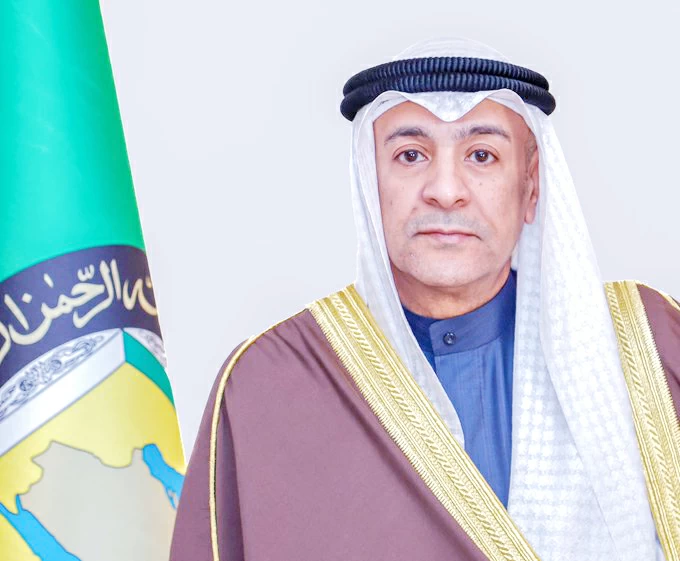
وأوضح الأمين العام لمجلس التعاون جاسم محمد البديوي، أن القرار يأتي في إطار تعزيز العمل العسكري الخليجي المشترك، وتنفيذ توجيهات قادة دول المجلس خلال اجتماعهم الاستثنائي في جدة في أبريل الماضي، بما يعزز قدرات دول المجلس على مواجهة التهديدات والتحديات، ويحافظ على أمنها واستقرارها وسيادتها.
وأشاد بمستوى التعاون والتنسيق العسكري بين دول المجلس في مواجهة الاعتداءات الإيرانية، وما أظهرته القوات المسلحة الخليجية من كفاءة في التصدي لها، مؤكداً أن أمن دول المجلس مسؤولية مشتركة، وأن تكامل الجهود العسكرية يعزز قدرتها على حماية أراضيها ومقدراتها.
وأدان البديوي، الاعتداءات الإيرانية التي استهدفت دول المجلس وألحقت أضراراً بالأعيان المدنية والبنى التحتية، كما أدان هجمات ميليشيا الحوثي على المملكة واستهداف الأماكن المقدسة، مؤكداً تضامن دول المجلس الكامل مع المملكة ووقوفها صفاً واحداً إلى جانبها، ودعمها جميع الإجراءات التي تتخذها لحماية أمنها وسيادتها وسلامة أراضيها ومقدساتها.وأشار إلى أن الدورة بحثت عدداً من القرارات الهادفة إلى تعزيز التعاون العسكري الخليجي، والارتقاء بمستوى التكامل والتنسيق بين القوات المسلحة بدول المجلس.
The defense ministers of the Gulf Cooperation Council countries approved the establishment of an advanced command for the unified military command in the State of Kuwait, and the allocation of suitable forces for it, as part of the decisions of the 23rd session of the Joint Defense Council, which was held in Manama, chaired by Bahrain's Minister of Defense Affairs, Lieutenant General Abdullah Hassan Al-Nuaimi.
The Secretary-General of the Gulf Cooperation Council, Jassim Mohammed Al-Budaiwi, explained that the decision comes within the framework of enhancing joint Gulf military action and implementing the directives of the leaders of the Council countries during their extraordinary meeting in Jeddah last April, which aims to strengthen the capabilities of the Council countries to face threats and challenges, and to maintain their security, stability, and sovereignty.
He praised the level of cooperation and military coordination among the Council countries in confronting Iranian aggressions, and what the Gulf armed forces have demonstrated in their efficiency in responding to them, affirming that the security of the Council countries is a shared responsibility, and that the integration of military efforts enhances their ability to protect their territories and resources.
Al-Budaiwi condemned the Iranian aggressions that targeted the Council countries and caused damage to civilian objects and infrastructure, as well as condemning the Houthi militia attacks on the Kingdom and targeting sacred places, affirming the full solidarity of the Council countries with the Kingdom and their unified stance alongside it, supporting all measures it takes to protect its security, sovereignty, and the safety of its territories and sacred sites. He noted that the session discussed a number of decisions aimed at enhancing Gulf military cooperation and elevating the level of integration and coordination among the armed forces of the Council countries.