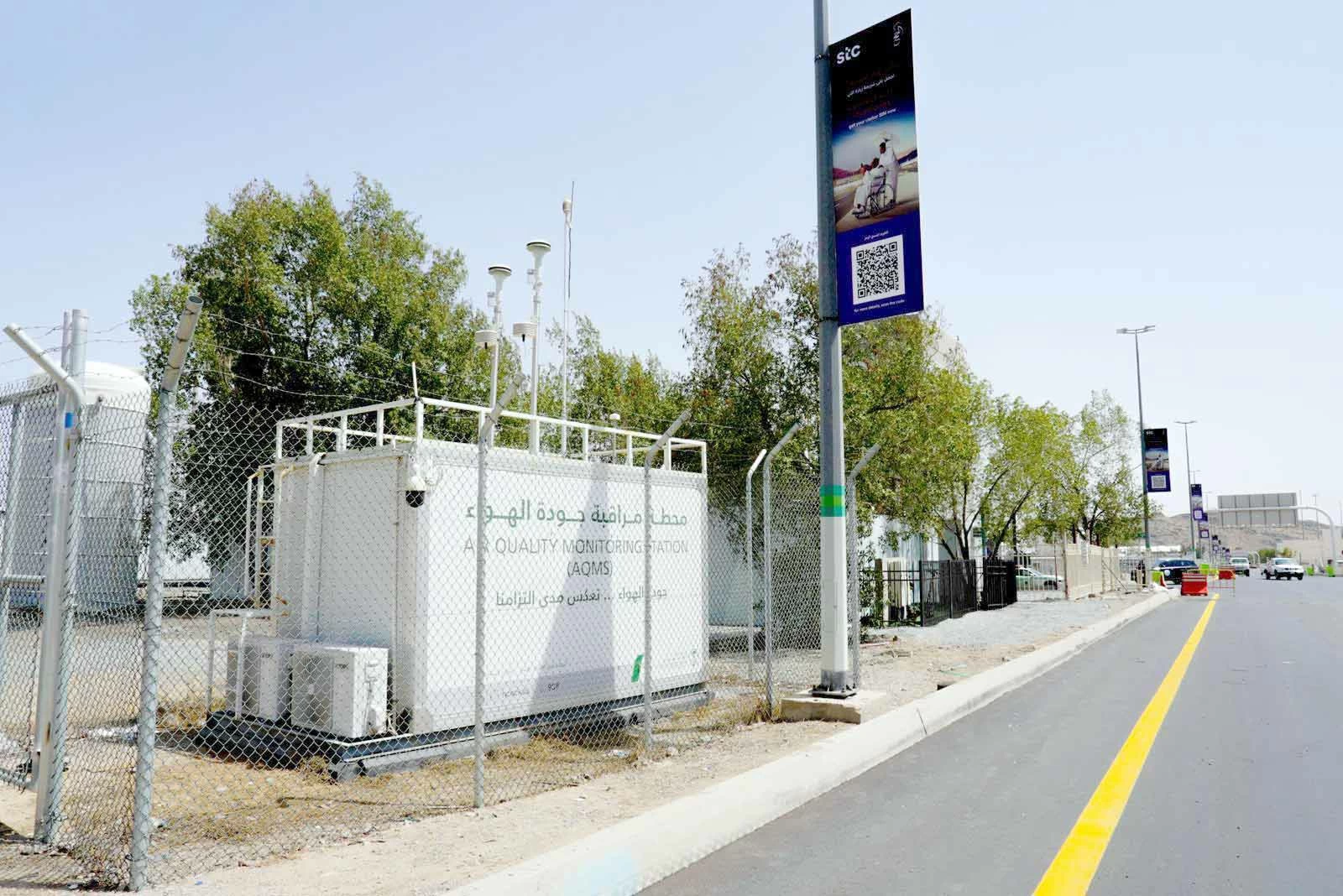
تصدّرت محافظة ميسان بمنطقة مكة المكرمة، قائمة المحافظات الأنقى هواءً في السعودية خلال الربع الثالث من 2026م، وفق نتائج تقييم جودة الهواء الصادرة عن المركز الوطني للرقابة على الالتزام البيئي، وسجلت منطقة حائل الحضور الأكبر بأربع محافظات ضمن المراكز العشرة الأولى.
وحلّت الحائط بمنطقة حائل ثانيةً، الشماسية بالقصيم ثالثةً، رنية بمنطقة مكة المكرمة رابعةً، السليمي والشنان بحائل في المرتبتين الخامسة والسادسة، صوير بالجوف سابعةً، الخبراء بالقصيم ثامنةً، الأجفر بحائل تاسعةً، وخيبر بالمدينة المنورة عاشرةً.
وأوضح المركز أن التصنيف يستند إلى معايير جودة الهواء المعتمدة لديه، والمرجعيات المعيارية لوكالة حماية البيئة الأمريكية والأمانة العامة لمجلس التعاون لدول الخليج العربية، بما يضمن تقييم مستويات جودة الهواء وفق أسس علمية وفنية موحدة.
وأشار إلى أن نتائج التصنيف تستند إلى بيانات شبكة وطنية تضم 241 محطة لرصد جودة الهواء في مدن المملكة، تنقل قياساتها آلياً إلى غرف الرصد المركزية، وتخضع للتحليل والمراجعة الفنية قبل اعتمادها، مع مراعاة دقة القياسات وانتظامها وجودتها والجاهزية التشغيلية للمحطات والتوزيع الجغرافي.
وأكد المركز أن نتائج الرصد تدعم القرارات الرقابية والبيئية، وتسهم في تحديد مستويات الملوثات ومتابعة تغيراتها، والحد من مصادر التلوث وحماية الصحة العامة وتحسين جودة الحياة.
The Maysan Governorate in the Makkah region topped the list of the cleanest air provinces in Saudi Arabia during the third quarter of 2026, according to air quality assessment results issued by the National Center for Environmental Compliance Monitoring. The Hail region recorded the largest presence with four governorates among the top ten.
Al-Ha'it in the Hail region ranked second, Al-Shamasiyah in Al-Qassim third, Rania in the Makkah region fourth, Al-Sulaimi and Al-Shanan in Hail in fifth and sixth places, Al-Suwair in Al-Jouf seventh, Al-Khubar in Al-Qassim eighth, Al-Ajfar in Hail ninth, and Khaybar in Al-Madinah tenth.
The center clarified that the classification is based on the air quality standards it has adopted, as well as the standard references from the U.S. Environmental Protection Agency and the General Secretariat of the Gulf Cooperation Council, ensuring that air quality levels are assessed according to unified scientific and technical foundations.
It pointed out that the classification results are based on data from a national network comprising 241 air quality monitoring stations in the Kingdom's cities, which automatically transmit their measurements to central monitoring rooms. These data undergo analysis and technical review before being approved, taking into account the accuracy, regularity, quality of measurements, operational readiness of the stations, and geographical distribution.
The center confirmed that the monitoring results support regulatory and environmental decisions, contribute to determining pollution levels and tracking their changes, reduce pollution sources, protect public health, and improve quality of life.