أوضحت الهيئة السعودية للمياه أن الحلول التصميمية التي طوّرتها الكوادر الوطنية خلال الفترة الماضية في مشروعات قطاع المياه في المملكة أسهمت في خفض استهلاك الطاقة بأكثر من 10٪، مقارنةً بمستويات الاستهلاك المسجلة خلال السنوات الأربع السابقة، بما يعزز كفاءة تشغيل هذه المشروعات ويدعم مستهدفات رؤية السعودية 2030.
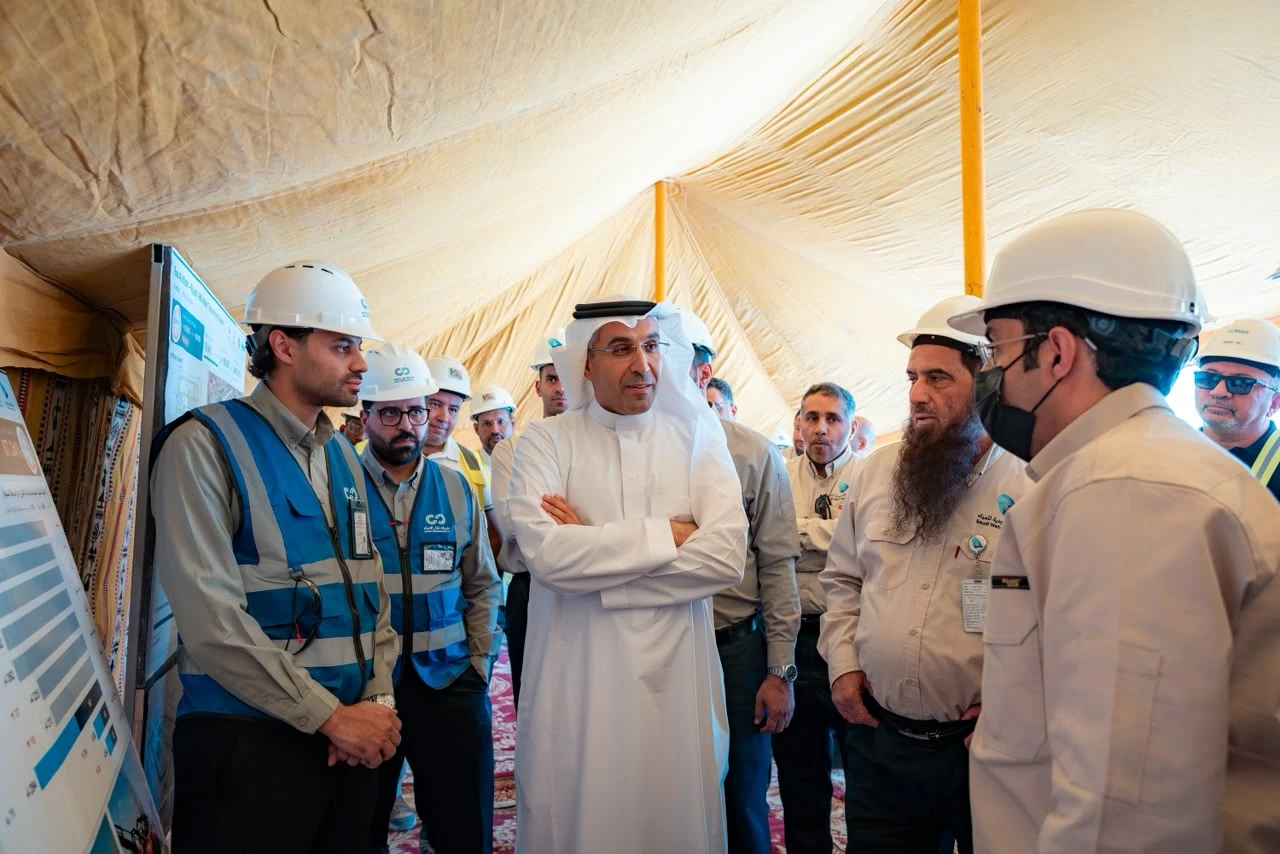
جاء ذلك خلال الجولة التفقدية التي أجراها رئيس الهيئة السعودية للمياه، المهندس عبدالله بن إبراهيم العبدالكريم، لعدد من مشروعات المياه في منطقتي الرياض والشرقية، لمتابعة تقدم أعمال تنفيذها ودورها في تعزيز موثوقية الإمداد وجاهزية القطاع.
وتعزز المشروعات الجديدة التي صممتها وتنفذها شركات مقاولات سعودية بإشراف كوادر فنية وهندسية وطنية، زيادة كميات المياه المخصصة لمدينة الرياض بنحو 1.2 مليون متر مكعب يوميًا، وتشمل خطوط أنظمة نقل المياه من المنطقة الشرقية إلى الرياض، وإنشاء أنظمة للخزن في منطقة الرياض، ومن المتوقع أن تسهم في تعزيز المرونة التشغيلية للإمدادات، بما يدعم مواكبة نمو الطلب.
وتأتي الجولة ضمن متابعة الهيئة لتقدم مشروعات البنية التحتية وتعزيز تكامل منظومات المياه، وشملت مشروعات منظومات إنتاج المياه ونقلها وخزنها، واطّلع العبدالكريم على سير أعمالها الإنشائية، ودورها في تحقيق التوازن بين الإنتاج والنقل والتخزين، ورفع جاهزية المنظومة للتعامل مع تغيرات الطلب واستمرار الإمداد في مختلف الظروف التشغيلية.
The Saudi Water Authority clarified that the design solutions developed by national personnel during the past period in water sector projects in the Kingdom have contributed to reducing energy consumption by more than 10%, compared to the consumption levels recorded during the previous four years, which enhances the operational efficiency of these projects and supports the objectives of Saudi Vision 2030.
This came during the inspection tour conducted by the President of the Saudi Water Authority, Engineer Abdullah bin Ibrahim Al-Abdulkarim, to several water projects in the Riyadh and Eastern regions, to monitor the progress of their implementation and their role in enhancing supply reliability and sector readiness.
The new projects designed and implemented by Saudi contracting companies under the supervision of national technical and engineering teams will increase the quantities of water allocated to the city of Riyadh by approximately 1.2 million cubic meters per day. These include water transfer system lines from the Eastern region to Riyadh, and the establishment of storage systems in the Riyadh area. They are expected to contribute to enhancing operational flexibility of supplies, supporting the growth in demand.
The tour is part of the Authority's follow-up on the progress of infrastructure projects and enhancing the integration of water systems. It included projects related to water production, transfer, and storage systems. Al-Abdulkarim reviewed the progress of their construction works and their role in achieving balance between production, transfer, and storage, and raising the readiness of the system to deal with changes in demand and ensure continued supply under various operational conditions.