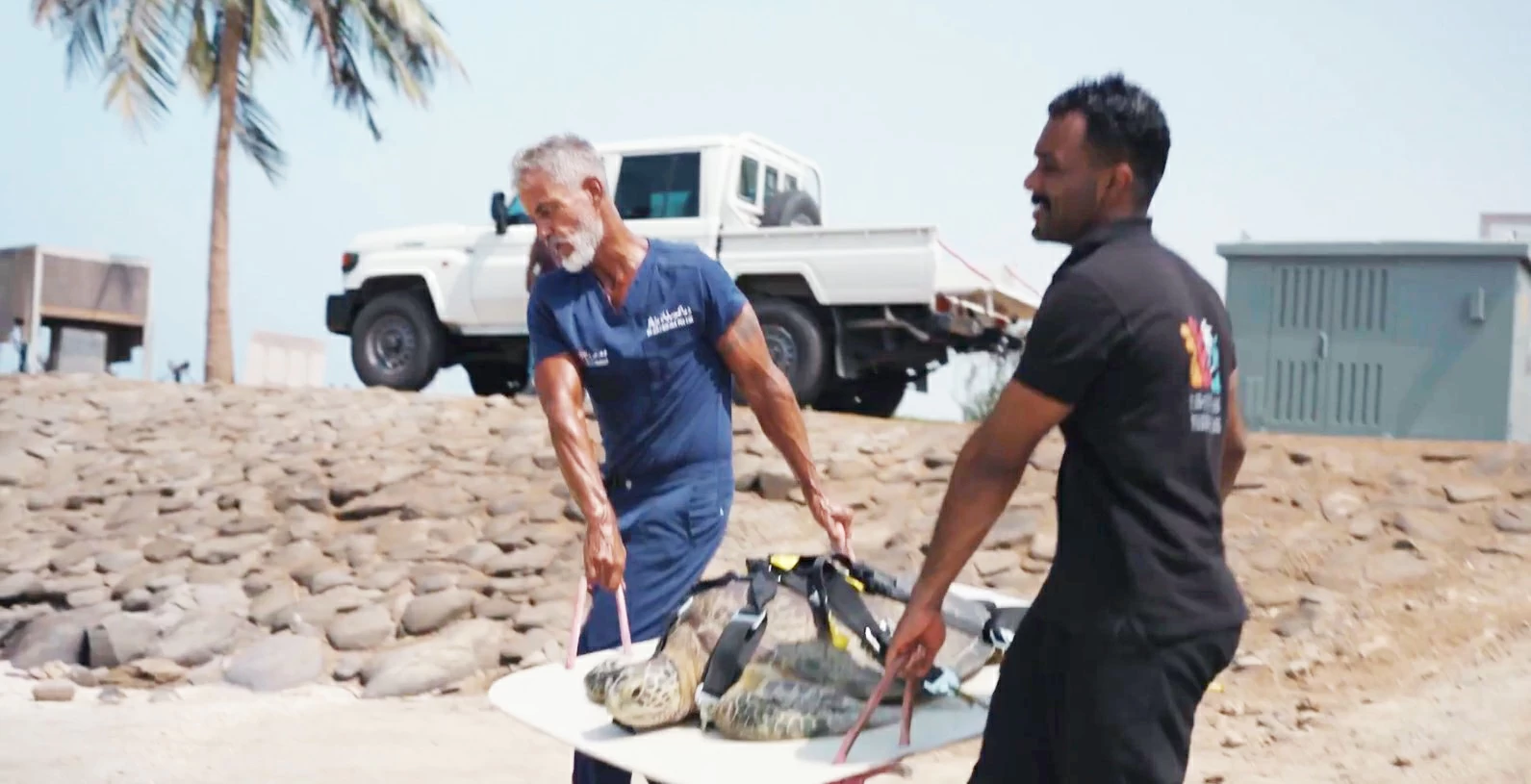
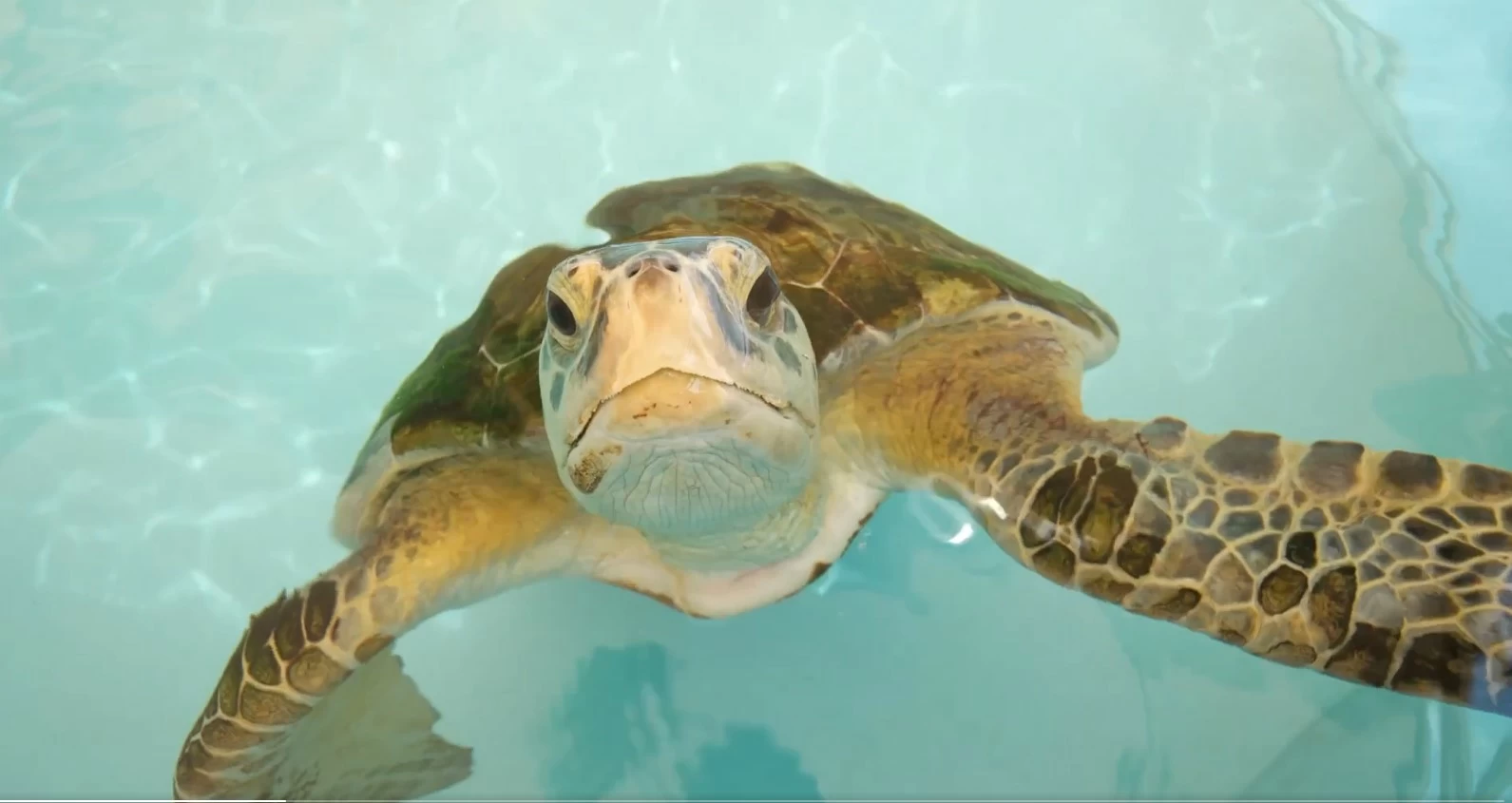
أعادت المؤسسة العامة للمحافظة على الشعاب المرجانية والسلاحف في البحر الأحمر 79 سلحفاة بحرية إلى موائلها الطبيعية، بعد استكمال برامج العلاج وإعادة التأهيل، ضمن جهودها للمحافظة على السلاحف وتعزيز استدامة مجموعاتها في البحر الأحمر.
وتشمل برامج التأهيل تقييم الحالات المصابة وإجراء الفحوص البيطرية وتوفير الرعاية اللازمة، حتى تستعيد السلاحف قدرتها على السباحة والحركة قبل إعادتها إلى البحر، فيما تستغرق رحلة علاج بعض الحالات أكثر من 190 يوماً، وفقاً لحاجاتها الصحية.
وتواجه السلاحف البحرية تحديات عدة، أبرزها التشابك في معدات الصيد، وابتلاع المخلفات البلاستيكية، والتلوث البحري، وتدهور الموائل الطبيعية، إلى جانب الأنشطة البشرية التي قد تؤثر في مواقع التعشيش ومناطق التغذية.
وفي إطار المحافظة على هذه الكائنات، نفذت المؤسسة أعمال مسح شملت نحو 2200 شاطئ على امتداد الساحل السعودي للبحر الأحمر، أسفرت عن تحديد 23 موقعاً عالي الأهمية للتعشيش، تحتضن نحو 70% من أنشطة التعشيش المسجلة في المياه السعودية للبحر الأحمر، بما يوفر قاعدة علمية لتحديد أولويات الحماية ومتابعة التغيّرات البيئية.
وتركّز المؤسسة على المحافظة على السلحفاة الخضراء والسلحفاة صقرية المنقار، لما لهما من أهمية بيئية؛ إذ ترتبط السلاحف الخضراء بموائل الأعشاب البحرية، فيما تؤدي السلاحف صقرية المنقار دوراً في النظم البيئية للشعاب المرجانية.
The General Authority for the Conservation of Coral Reefs and Turtles in the Red Sea has returned 79 sea turtles to their natural habitats after completing treatment and rehabilitation programs, as part of its efforts to conserve turtles and enhance the sustainability of their populations in the Red Sea.
The rehabilitation programs include assessing injured cases, conducting veterinary examinations, and providing necessary care until the turtles regain their ability to swim and move before being returned to the sea, with some treatment journeys taking more than 190 days, depending on their health needs.
Sea turtles face several challenges, the most prominent of which are entanglement in fishing gear, ingestion of plastic waste, marine pollution, habitat degradation, and human activities that may affect nesting sites and feeding areas.
As part of the conservation of these creatures, the authority conducted a survey that included approximately 2,200 beaches along the Saudi coastline of the Red Sea, resulting in the identification of 23 sites of high importance for nesting, which host about 70% of the recorded nesting activities in the Saudi waters of the Red Sea, providing a scientific basis for prioritizing protection and monitoring environmental changes.
The authority focuses on the conservation of the green turtle and the hawksbill turtle due to their ecological importance; green turtles are associated with seagrass habitats, while hawksbill turtles play a role in coral reef ecosystems.