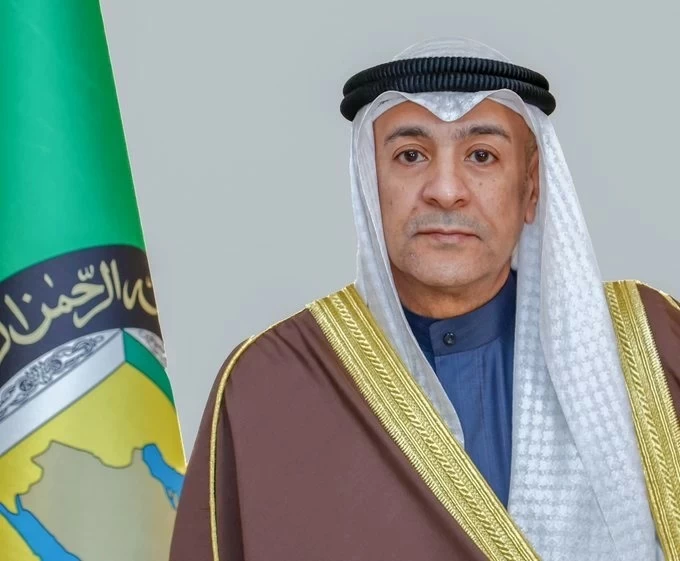
أكد الأمين العام لمجلس التعاون لدول الخليج العربية جاسم محمد البديوي، أن الأمن المائي يمثل أولوية إستراتيجية لدول مجلس التعاون، ولا يقتصر على كونه تحديًا بيئيًا، بل يرتبط بصورة مباشرة بالأمن الإنساني والازدهار الاقتصادي والأمن الغذائي وأمن الطاقة، ويشكل عنصرًا أساسيًا في استقرار المجتمعات وقدرتها على الصمود.
جاء ذلك خلال مشاركة الأمين العام في جلسة «المياه كضرورة إستراتيجية: من التحديات العالمية إلى العمل الجماعي»، التي نظمتها البعثة الدائمة لدولة الإمارات العربية المتحدة لدى الأمم المتحدة اليوم، على هامش اجتماعات الدورة الحادية والثمانين للجمعية العامة للأمم المتحدة في نيويورك.
وأعرب في بداية كلمته عن تقديره للبعثة الدائمة لدولة الإمارات العربية المتحدة لدى الأمم المتحدة على تنظيم هذا الحوار المهم، وجهودها في إبقاء قضية المياه في صدارة الأجندة الدولية.
وأوضح أن ندرة المياه شكلت تحديًا مستمرًا لمنطقة الخليج عبر عقود طويلة، إلا أنها في الوقت ذاته دفعت دول المجلس إلى الابتكار والاستثمار وتعزيز التعاون والتخطيط بعيد المدى، مشيرًا إلى ما اكتسبته دول المجلس من خبرات واسعة في مجالات تحلية المياه، وإعادة استخدامها، وإدارة الطلب، وتوظيف التقنيات المبتكرة، إلى جانب تعزيز الترابط بين الأمن المائي وأمن الطاقة والغذاء والمرونة المناخية والتنمية الاقتصادية المستدامة.
وبيّن أن التكنولوجيا وحدها لا تكفي لتحقيق الأمن المائي، مؤكدًا أهمية التعاون الإقليمي والعمل المشترك، وما طورته دول مجلس التعاون من آليات وسياسات وبرامج مشتركة لتعزيز الأمن المائي.
وأشار إلى العمل الجاري بين دول المجلس لاستكشاف وتطوير الربط المائي الإقليمي، بما يسهم في تعزيز أمن الإمدادات، ورفع مستوى الجاهزية الجماعية والاستجابة لحالات الطوارئ والأزمات المائية، وأن التحديات المرتبطة بالتغير المناخي والنمو السكاني والتحولات الاقتصادية وتزايد الطلب على الموارد الطبيعية تفرض ضغوطًا متنامية على أنظمة المياه حول العالم، مشددًا على أن التحديات المائية المشتركة تتطلب حلولًا مشتركة، وأن التعاون في هذا المجال يسهم في بناء الثقة، والحد من مواطن الضعف المشتركة، وخلق الفرص الاقتصادية، وتعزيز الاستقرار.
وأكد أهمية توظيف الابتكار والتقنيات الحديثة، بما فيها الذكاء الاصطناعي والتحول الرقمي والإدارة الذكية للمياه والطاقة المتجددة، لتعزيز الكفاءة والمرونة، داعيًا إلى تطوير نماذج تمويل تجمع الحكومات ومؤسسات التنمية ومراكز البحوث والقطاع الخاص، بما يتيح تحويل الحلول الواعدة إلى مشاريع وبنى تحتية قابلة للتوسع والاستثمار.
وفي ختام مداخلته، أكد الأمين العام أن مؤتمر الأمم المتحدة للمياه 2026، الذي تستضيفه دولة الإمارات العربية المتحدة بالشراكة مع جمهورية السنغال في أبوظبي خلال الفترة من 8 إلى 10 ديسمبر 2026م، يمثل فرصة مهمة لتحويل التحديات إلى عمل جماعي وشراكات واستثمارات والتزامات ملموسة.
The Secretary-General of the Gulf Cooperation Council, Jasem Mohamed Al-Budaiwi, confirmed that water security represents a strategic priority for the GCC countries, and it is not limited to being an environmental challenge, but is directly related to human security, economic prosperity, food security, and energy security, and constitutes a fundamental element in the stability of societies and their resilience.
This was stated during the Secretary-General's participation in the session titled "Water as a Strategic Necessity: From Global Challenges to Collective Action," organized by the Permanent Mission of the United Arab Emirates to the United Nations today, on the sidelines of the 81st session of the United Nations General Assembly in New York.
At the beginning of his speech, he expressed his appreciation to the Permanent Mission of the United Arab Emirates to the United Nations for organizing this important dialogue and for its efforts to keep the issue of water at the forefront of the international agenda.
He explained that water scarcity has been a continuous challenge for the Gulf region over many decades; however, at the same time, it has driven the member states to innovate, invest, enhance cooperation, and engage in long-term planning, pointing out the extensive experiences that the member states have gained in the fields of water desalination, reuse, demand management, and the employment of innovative technologies, in addition to strengthening the interconnection between water security, energy security, food security, climate resilience, and sustainable economic development.
He indicated that technology alone is not enough to achieve water security, emphasizing the importance of regional cooperation and joint action, and what the GCC countries have developed in terms of mechanisms, policies, and joint programs to enhance water security.
He referred to the ongoing work among the member states to explore and develop regional water connectivity, which contributes to enhancing supply security, raising the level of collective readiness and response to emergencies and water crises, and that the challenges related to climate change, population growth, economic transformations, and increasing demand for natural resources impose growing pressures on water systems around the world, stressing that shared water challenges require joint solutions, and that cooperation in this area contributes to building trust, reducing common vulnerabilities, creating economic opportunities, and enhancing stability.
He emphasized the importance of employing innovation and modern technologies, including artificial intelligence, digital transformation, smart management of water, and renewable energy, to enhance efficiency and resilience, calling for the development of financing models that bring together governments, development institutions, research centers, and the private sector, enabling the transformation of promising solutions into scalable and investable projects and infrastructure.
In conclusion, the Secretary-General affirmed that the United Nations Water Conference 2026, which will be hosted by the United Arab Emirates in partnership with the Republic of Senegal in Abu Dhabi from December 8 to 10, 2026, represents an important opportunity to transform challenges into collective action, partnerships, investments, and tangible commitments.