تعود بدايات إنتاج النفط إلى عام 1933م، عندما أُبرمت اتفاقية الامتياز بين المملكة وشركة (سوكال)، وتم إنشاء شركة تابعة لها سُمّيت بكاليفورنيا أرابيان ستاندارد أويل كومباني (كاسوك) لإدارة الاتفاقية. وبدأ العمل على الفور بمسح صحاري المملكة لتحديد مواقع النفط، وانطلقت أعمال حفر الآبار في عام 1935م. وعقب سنوات من الجهد المضني، لم يَلُح في الأفق أي نجاح يُذكر، فقرر المسؤولون التنفيذيون في (سوكال) عام 1937م الاستعانة بمشورة كبير الجيولوجيين (ماكس ستاينكي)، الذي أشار عليهم، من واقع خبرته الطويلة في العمل الميداني، بأن يستمروا في أعمال الحفر. وشهد العام 1938م إرساء أولى لبنات ازدهار مستقبل المملكة ونجاح جهود أرامكو، وذلك بالتزامن مع باكورة إنتاج النفط بكميات تجارية من بئر الدمام رقم 7، التي أُطلق عليها اسم «بئر الخير».
مترك السبيعي
المؤسس.. التحدي والإصرار
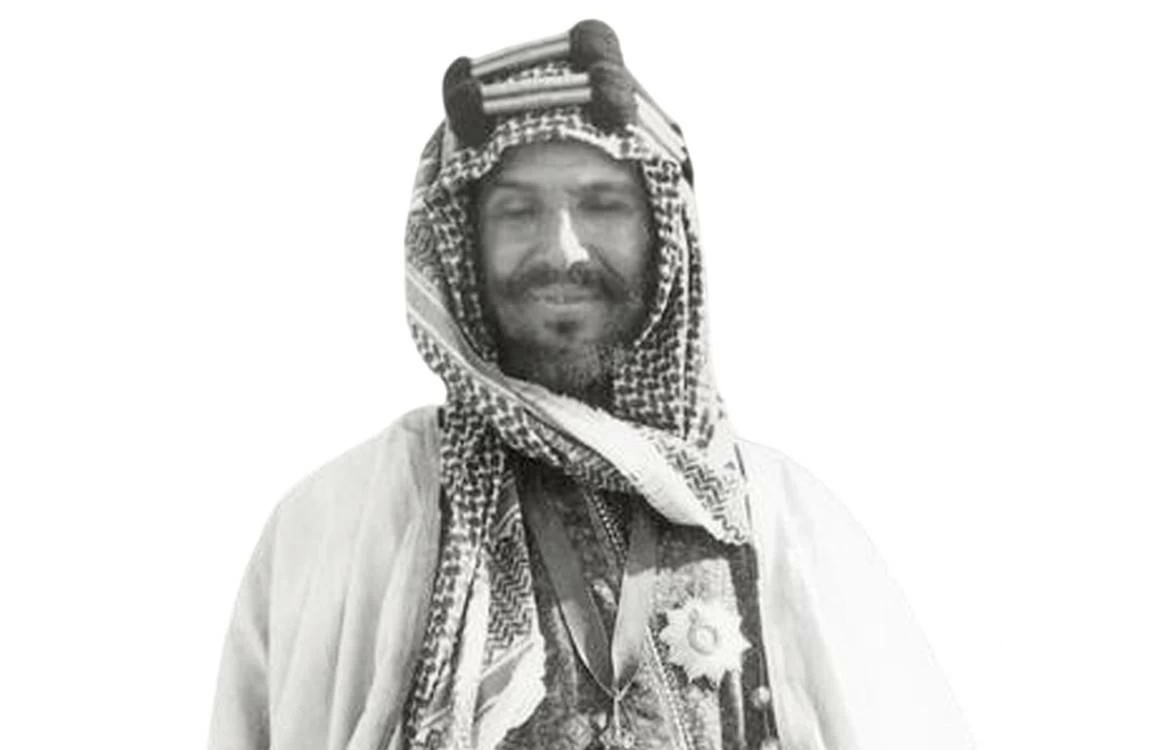
يؤكد أستاذ التاريخ السعودي بجامعة الطائف الدكتور مترك السبيعي لـ«عكاظ»، أن الملك عبدالعزيز -رحمه الله- أحد النماذج الكبرى في التاريخ الحديث التي يُشار لها بالبنان في التحدي والإصرار، منذ البدء ببناء دولته العظمى، مليئة بالقصص البطولية المبنية على أسس ثابتة قفزت بالصحاري الخالية إلى مدن صناعية، ومراكز حضارية يتفيأُ ظلالها الشعب السعودي إلى يومنا هذا. ولفت إلى أن اكتشاف النفط و(رحلة الذهب الأسود) حملا في طياتهما، مع صعوبتهما وشبه استحالتهما، تشويقاً وإثارة، في ظل البذل والمغامرات وقلة الإمكانات، مؤكداً أن الملك عبدالعزيز أدرك في وقت مبكر، منذ العام 1342هـ، أهمية استثمار خيرات بلاده، فبدأ التنقيب عن النفط في الأحساء، رغم تردد ورفض المكتشفين، ثم أنهى -رحمه الله- بعد ذلك في 1346هـ عقد امتياز تنقيب الشركة السابقة لإخفاقها في التزاماتها، ثم كلف الجيولوجي الأمريكي الخبير «كارل تويتشل» بالبحث عن الزيت والمعادن في العام 1350هـ، لتؤكد أعماله وجود الزيت في المنطقة الشرقية، وبحنكة الملك عبدالعزيز وبعد نظره -رحمه الله-، وكذلك لنجاحه في استقرار البلاد سياسياً وأمنياً، شكّل كل ذلك قاعدة ممتازة لجذب رأس المال الأجنبي، حيث بدأت الشركات الأمريكية والبريطانية تتوافد، بل تتنافس بشراسة، لكسب ذلك الامتياز الثمين مع الملك عبدالعزيز، الذي درس بعبقريته الفذة كل العروض المقدّمة، ثم وجّه في 4 صفر 1352هـ/ الموافق 29 مايو 1933هـ بتوقيع اتفاقية الامتياز للتنقيب عن الزيت مع شركة (سوكال الأمريكية)، ونُشرت بنودها آنذاك في جريدة أم القرى، وبدأ توافد الجيولوجيين الأوائل الذين حطّوا رحالهم عند بلدة الجبيل الساحلية.
جاءت بشائر الفرح
الدكتور السبيعي أوضح أن الملك عبدالعزيز استمر في صبره وعدم يأسه، واثقاً بالله ثم خيرات أرضه؛ حتى جاءت بشائر الفرح بتدفق أول نفط تجاري بأرض الوطن شمال الظهران من «بئر الخير»، وهي البئر رقم (7)، وذلك يوم الجمعة غرة محرم عام 1357هـ/ الموافق 4 مارس 1938م، ثم أعلنت الشركة لحكومة المملكة رسمياً أنها بدأت في إنتاج النفط منها بكميات تجارية. وكشف السبيعي أن الانطلاقة التي لا تُنسى كانت عندما توجّه الملك عبدالعزيز -طيب الله ثراه- عبر نفود الدهناء إلى المنطقة الشرقية في الأول من مايو 1939م، وللتاريخ، أدار بيديه الكريمتين الصمّام الذي سمح بتدفق الزيت إلى الناقلة (دي. جي. سكوفيلد)، وتم تصدير أول شحنة زيت سعودية، معلناً بداية عصر جديد من التنمية للمملكة.
الاستعانة بالإبل في الإرشاد
ولأن الإنسان السعودي جزء لا يتجزأ من البناء والتنمية، فقد وجّه الملك عبدالعزيز أن يكون شريكاً في رحلة النفط الكبرى، فشارك بجهده وما يملك في أعمال التنقيب، فكان الجيولوجيون الأوائل آنذاك يعتمدون على البدو لإرشادهم من مكان لآخر، كما تمّت الاستعانة بإبلهم لتزويد المخيمات النائية بإمدادات الديزل والبنزين والأسمنت بعد محدودية القوى وقلة المعدات بسبب ظروف الحرب العالمية الثانية، وفي هذا الجانب يروي رئيس مجلس إدارة الشركة، كبير المديرين التنفيذيين المتقاعد في شركة أرامكو 1947م (فرانك جنكرز)، التسهيلات السعودية الكبيرة لتوفير بيئة عمل مميّزة من أجل إنجاح هذا المشروع التاريخي الكبير، كما يؤكد أن السعوديين يبحثون دائماً عن التعلم، ولديهم قوة ذكاء عالية.
الدكتور السبيعي أوضح أن الملك عبدالعزيز حينها كان لديه نظام عمل حازم وقوي تجاه جميع ما له علاقة بإنجاح تلك الأعمال، ويعقد كل خميس مجلساً مفتوحاً، ويستقبل كل مواطن يود مقابلته، ويسأل عن كل جديد حول سير العمل، ويحقق في التراجع والتقصير، ويكافئ على الإنجاز والتطوير؛ لذلك نجحت (أرامكو) وباتت كياناً وطنياً عالمياً غنياً انعكس أثره على بناء الدولة وتنميتها. وهذا بفضل الله ثم برؤية الملك عبدالعزيز الثاقبة التي كانت تؤكد أهمية توظيف عائدات النفط لبناء الوطن من خيراته وبسواعد أبنائه على أسس تطوير حديثة تحقق القوة والسعادة لشعبه، وتنقله من وطنٍ كان يرتكز اقتصاده على الزراعة والرعي وتربية الماشية إلى دولةٍ كبرى فرضت نفسها على المشهد الاقتصادي العالمي كأكبر مصدر للنفط.
The beginnings of oil production date back to 1933, when a concession agreement was signed between the Kingdom and the (Socal) company, which established a subsidiary called California Arabian Standard Oil Company (Casoc) to manage the agreement. Work immediately began on surveying the deserts of the Kingdom to identify oil locations, and drilling operations commenced in 1935. After years of arduous effort, no significant success was in sight, prompting the executives at (Socal) in 1937 to seek the advice of chief geologist (Max Steinke), who, based on his extensive field experience, advised them to continue drilling. The year 1938 marked the foundation of the Kingdom's future prosperity and the success of Aramco's efforts, coinciding with the first commercial oil production from Dammam Well No. 7, which was dubbed the "Well of Goodness."
مترك السبيعي
The Founder.. Challenge and Determination
Dr. Matarak Al-Subaie, a professor of Saudi history at Taif University, confirms to "Okaz" that King Abdulaziz - may God have mercy on him - is one of the great figures in modern history known for his challenge and determination, from the beginning of building his great state, filled with heroic stories based on solid foundations that transformed barren deserts into industrial cities and cultural centers that the Saudi people still benefit from today. He pointed out that the discovery of oil and the "black gold journey" carried within them, despite their difficulties and near impossibility, excitement and thrill, amid efforts, adventures, and limited resources. He emphasized that King Abdulaziz recognized early on, since the year 1342 AH, the importance of investing in his country's resources, starting oil exploration in Al-Ahsa, despite the hesitation and rejection of the discoverers. He then concluded - may God have mercy on him - in 1346 AH a concession agreement for exploration with the previous company due to its failure to meet its commitments, and then commissioned the American expert geologist "Carl Twitchell" to search for oil and minerals in 1350 AH, confirming the presence of oil in the Eastern Province. With King Abdulaziz's wisdom and foresight - may God have mercy on him - and his success in stabilizing the country politically and security-wise, all of this formed an excellent foundation for attracting foreign capital, as American and British companies began to flock, even competing fiercely, to win that precious concession with King Abdulaziz, who astutely studied all the proposals presented and then directed on 4 Safar 1352 AH / May 29, 1933, to sign the concession agreement for oil exploration with (Socal), and its terms were published at that time in the Umm Al-Qura newspaper. The first geologists began to arrive, settling in the coastal town of Al-Jubail.
The Tidings of Joy Arrived
Dr. Al-Subaie explained that King Abdulaziz continued in his patience and unwavering faith in God and the resources of his land; until the tidings of joy arrived with the flow of the first commercial oil in the homeland north of Dhahran from the "Well of Goodness," which is Well No. (7), on Friday, the first of Muharram in the year 1357 AH / March 4, 1938. The company then officially announced to the Kingdom's government that it had begun producing oil from it in commercial quantities. Al-Subaie revealed that the unforgettable launch occurred when King Abdulaziz - may God bless his soul - traveled through the dunes of Al-Dahna to the Eastern Province on May 1, 1939, and for the record, he operated with his own hands the valve that allowed the oil to flow into the tanker (D.G. Schofield), marking the export of the first Saudi oil shipment and announcing the beginning of a new era of development for the Kingdom.
Utilizing Camels for Guidance
Since the Saudi man is an integral part of the construction and development, King Abdulaziz directed that he be a partner in the great oil journey, contributing his efforts and resources to the exploration works. The early geologists at that time relied on Bedouins to guide them from one place to another, and their camels were used to supply remote camps with diesel, gasoline, and cement due to limited manpower and equipment shortages caused by World War II. In this regard, the chairman of the company, retired CEO of Aramco in 1947 (Frank Jankers), recounts the significant Saudi facilities to provide a distinctive work environment to ensure the success of this historic project, also confirming that Saudis are always eager to learn and possess high intelligence. Dr. Al-Subaie explained that King Abdulaziz had a firm and strong work system regarding everything related to the success of these operations, holding an open council every Thursday to receive any citizen wishing to meet him, asking about any new developments in the work, investigating any setbacks or shortcomings, and rewarding achievements and improvements. This is why Aramco succeeded and became a global national entity whose impact reflected on the building and development of the state. This was thanks to God and the insightful vision of King Abdulaziz, which emphasized the importance of utilizing oil revenues to build the nation from its resources and the efforts of its sons on modern development foundations that achieve strength and happiness for its people, transforming it from a nation that relied on agriculture, pastoralism, and livestock raising to a major state that imposed itself on the global economic scene as the largest oil exporter.