في كلِّ عام، تتجه أنظار العالم بأسره نحو بقعة جغرافية محدودة في مساحتها، لكنها لا متناهية في قدسيتها وأهميتها؛ مكة المكرمة والمشاعر المقدسة. هناك، يتجسّد التحدّي اللوجستي والأمني والإداري الأكبر على وجه الأرض، استضافة ملايين البشر، القادمين من شتى بقاع المعمورة، بخلفيات ثقافية متنوعة ولغات متعددة وحالات صحية متباينة، ليتجمّعوا في زمان واحد ومكان واحد لأداء فريضة الحج.
إن ما يحدث في المملكة العربية السعودية خلال موسم الحج ليس مجرد تنظيم لفعالية كبرى، بل هو «معجزة إدارية» تتجدّد سنوياً، وتخضع لعمليات تطوير مستمرة لا تعرف التوقف. وسنستعرض هنا تفاصيل الجهود الجبارة التي تبذلها المملكة، ونقف على أسرار الإبداع السعودي في إدارة الحشود وتلافي الأزمات وحفظ الأمن وتسخير أحدث التقنيات لخدمة ضيوف الرحمن في مشهد يمزج بين دقة التخطيط وعاطفة الرحمة.
هندسة الحشود
لعل الهاجس الأكبر في أي تجمّع بشري هو «الزحام»، فكيف إذا كان هذا التجمّع يضم أكثر من مليوني شخص يتحركون في مسارات محدّدة وفي أوقات زمنية صارمة؟
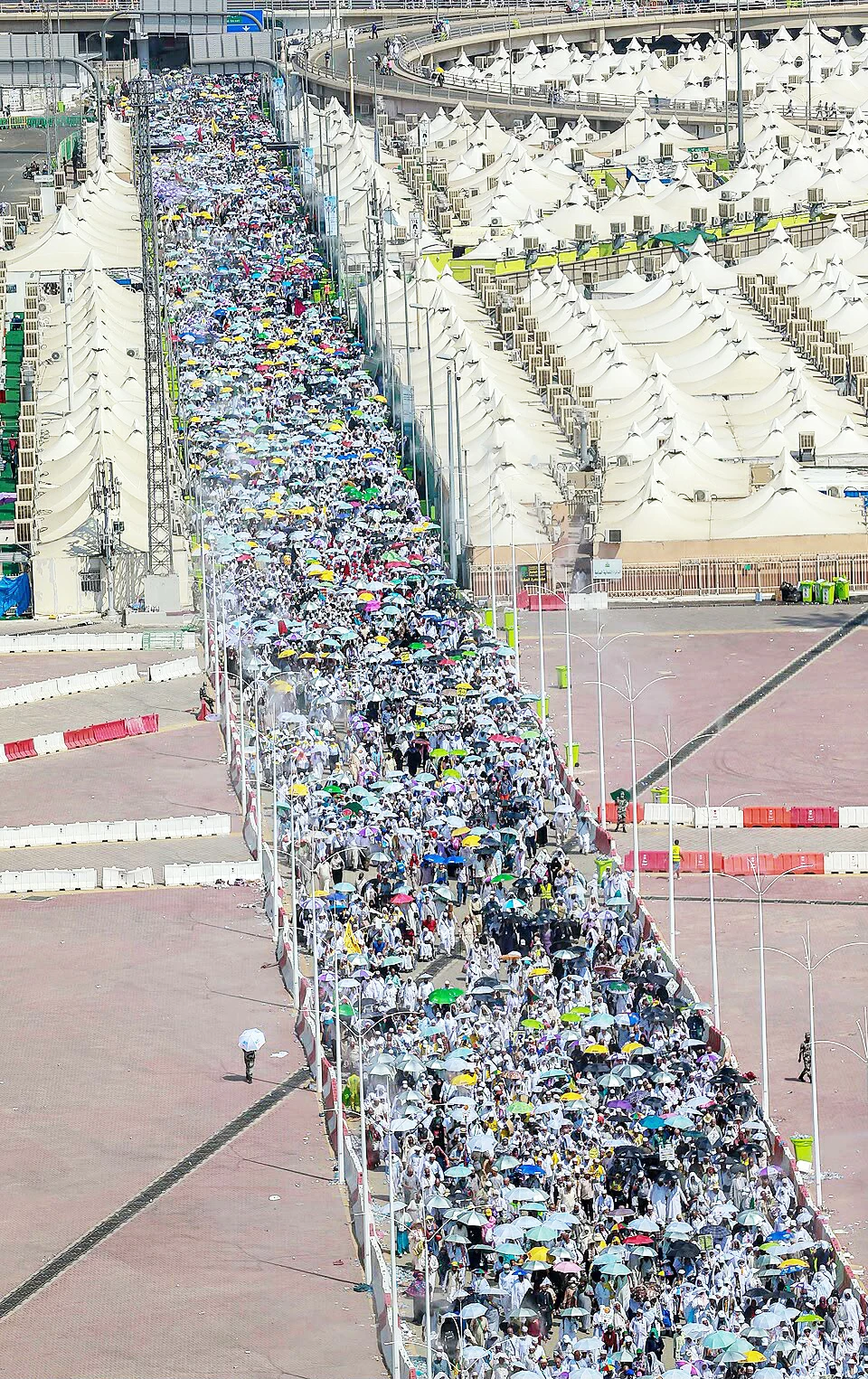
لقد أدركت السعودية مبكراً أن إدارة الحشود ليست مجرد توجيه للناس، بل هي «علم» قائم بحد ذاته يدرس السلوك البشري، والديناميكا المكانية، والتدفقات الحركية. تتجلّى عبقرية التنظيم في نظام «التفويج»؛ وهو نظام دقيق وجدول زمني صارم يحدّد متى وكيف يتحرّك الحجاج من مخيماتهم إلى جسر الجمرات أو المسجد الحرام. يتم ربط هذا النظام بغرف عمليات مركزية تراقب الكثافة العددية في كل متر مربع عبر آلاف الكاميرات الحرارية والذكية.
وقد شهدت منشأة الجمرات قصة تحوّل تاريخية في العقود الماضية، إذ كان رمي الجمرات سابقاً يمثل التحدّي الأصعب، لكن الابتكار السعودي تجلّى في بناء «منشأة الجمرات» الحديثة متعددة الطوابق. هذا المشروع الهندسي العملاق، الذي صُمم لاستيعاب أكثر من 300 ألف حاج في الساعة الواحدة، نجح في تفتيت الكتل البشرية وتوزيعها على مستويات مختلفة، مع توفير مسارات دخول وخروج لا تتقاطع أبداً (One-way system). هذا التصميم العبقري قضى تماماً على حوادث التدافع، وحوّل منطقة كانت تُوصف بالحرجة إلى واحدة من أكثر مناطق الحج انسيابية وأماناً.
الأمن الاستباقي..
عقول تخطط
الأمن في الحج لا يقتصر على التواجد الأمني، بل يعتمد على مفهوم «الأمن الاستباقي». فقبل بدء موسم الحج بأشهر، تنفّذ القطاعات الأمنية السعودية فرضيات وتدريبات تحاكي كافة السيناريوهات المحتملة، بدءاً من التدافع، مروراً بالحرائق، وصولاً إلى الحالات الصحية الطارئة.
وعند نزولك إلى الميدان ستلاحظ التناغم المذهل بين مختلف القطاعات: الأمن العام، الدفاع المدني، قوات الطوارئ الخاصة، وأمن الحج والعمرة. كما تتوزّع هذه القوات في أطواق أمنية محكمة، تبدأ من منافذ المملكة وتصل إلى قلب الحرم المكي.
لكن المشهد الأبرز الذي توثقه عدسات الإعلام العالمية كل عام، هو «أنسنة العمل الأمني». فالجندي السعودي الذي يحمل سلاحه لحفظ النظام، هو ذاته الذي يظهر في آلاف الصور والمقاطع وهو يرش الماء البارد على رؤوس الحجاج، أو يحمل طاعناً في السن أعياه التعب، أو يظلل بسترته على طفل صغير حماية له من شمس الظهيرة. هذه الروح الإنسانية هي التي تضفي على المشهد الأمني طابعاً من السكينة والطمأنينة.
مدينة طبيّة عالمية تتحرّك في المشاعر
مع توافد ملايين الحجاج، بينهم كبار السن وأصحاب الأمراض المزمنة، ومع تقلبات الطقس وارتفاع درجات الحرارة في بعض المواسم، يصبح التحدّي الصحي هائلاً. استجابة لذلك، تقوم وزارة الصحة السعودية بتحويل المشاعر المقدسة (منى، مزدلفة، عرفات) إلى ما يشبه «المدينة الطبية المتكاملة».
جهود المملكة في هذا القطاع لا تُقدّر بثمن، فجميع الخدمات الطبية تُقدّم مجاناً بالكامل لجميع الحجاج دون استثناء. تشمل هذه الخدمات عمليات القلب المفتوح، والقسطرة القلبية، والغسيل الكلوي، وحتى عمليات الولادة.
وللتعامل مع المشكلات المتوقعة مثل «الإجهاد الحراري» و«ضربات الشمس»، ابتكرت المملكة آليات استجابة سريعة شملت نشر مراكز متخصصة مجهزة بتقنيات التبريد السريع، إضافة إلى جيش من المسعفين الميدانيين وعربات الإسعاف الصغيرة التي تستطيع اختراق الحشود الكثيفة. كما تلعب فرق الهلال الأحمر السعودي دوراً حاسماً عبر الإسعاف الجوي الذي ينقل الحالات الحرجة من وسط المشاعر إلى المستشفيات التخصصية في غضون دقائق معدودة.
بنية تحتية تتحدّى
الزمان والمكان
كيف توفر الماء والغذاء والكهرباء والتكييف والصرف الصحي لملايين البشر في مساحة صحراوية محدودة وخلال خمسة أيام فقط؟
الإجابة تكمن في استثمارات مليارية مستدامة في البنية التحتية.
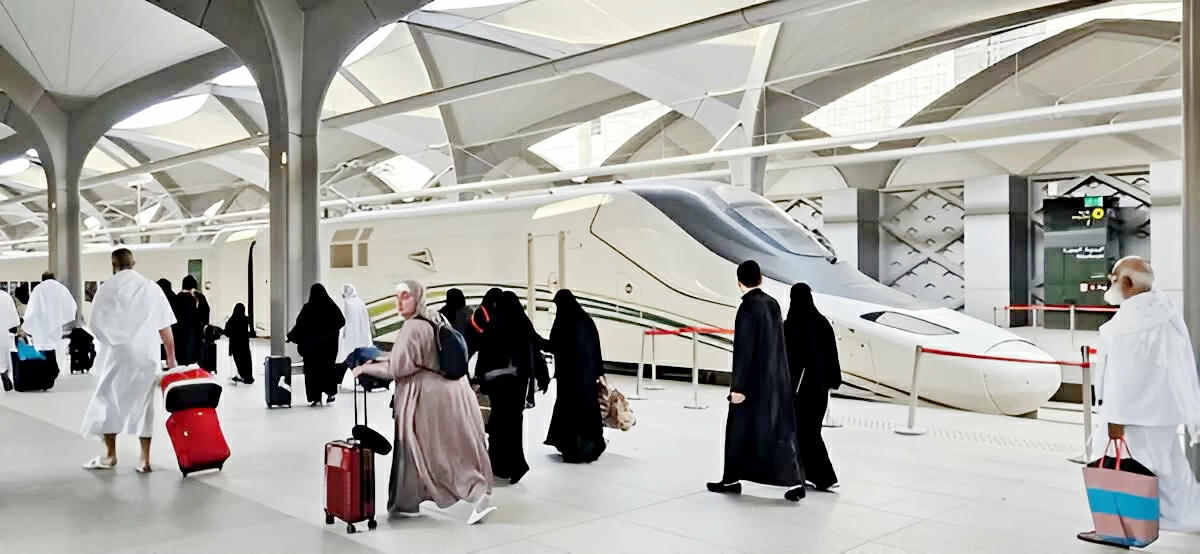
كما يُمثّل قطار المشاعر المقدسة أحد أبرز الحلول اللوجستية التي ابتكرتها المملكة لتلافي مشكلات الزحام المروري والتلوث البيئي. ينقل القطار مئات الآلاف من الحجاج بين منى ومزدلفة وعرفات في وقت قياسي، مما قلّص الاعتماد على آلاف الحافلات، وخفّف الضغط على شبكة الطرق. إضافة إلى قطار الحرمين السريع الذي يُمثّل شرياناً حيوياً يربط بين مكة المكرمة والمدينة المنورة مروراً بجدة، مسهلاً حركة الحجاج ومختصراً ساعات السفر الطويلة في بيئة فاخرة وآمنة. كما سبقت المملكة العالم بتبريد الطرق والمناخ، وذلك في ابتكار غير مسبوق، إذ قامت الجهات المعنية بطلاء المشاة المحيطة بمسجد نمرة وجبل الرحمة بمواد خاصة تعمل على خفض درجات حرارة الأسفلت بنحو 15 إلى 20 درجة مئوية، مما يخفف من وطأة الحرارة على أقدام الحجاج. كما أن إدارة النفايات تُمثّل تحدياً كبيراً للجهات الخدمية المسؤولة، إذ تُولِّد هذه الحشود المليونية آلاف الأطنان من النفايات يومياً، ومن أجل ذلك استخدمت المملكة تقنيات الضغط الآلي والأنفاق الأرضية للتخلّص من النفايات في منى بشكل فوري ومستمر؛ لضمان بقاء البيئة نظيفة وخالية من الأوبئة.
الحج الرقمي..
الذكاء الاصطناعي
لم تتوقّف المملكة عند الحلول التقليدية، بل قفزت نحو المستقبل من خلال دمج التقنية في كل تفاصيل رحلة الحاج. يعتبر «الحج الذكي» اليوم أحد أهم منجزات رؤية السعودية 2030 في قطاع الحج والعمرة. وتعتبر بطاقة الحاج الذكية (نسك) سجلاً رقمياً شاملاً يحمل بيانات الحاج الشخصية، سجله الطبي، موقع مخيمه، وتفاصيل رحلته، إذ يمكن من خلالها للجهات الأمنية والطبية التعامل مع أي حاج تائه أو مريض في ثوانٍ معدودة.
ومن أجل التنبؤ بالأزمات قامت السعودية بتسخير الذكاء الاصطناعي، إذ تقوم الخوارزميات المتقدمة بتحليل البيانات الواردة من الكاميرات وأجهزة الاستشعار المنتشرة في الحرم والمشاعر. وهذه الأنظمة قادرة على التنبؤ باختناقات الحشود قبل حدوثها، مما يمنح متخذي القرار القدرة على توجيه مسارات الحجاج وإغلاق طرق وفتح أخرى استباقياً. كما تقوم الجهات المسؤولة باستخدام الدرونز في مراقبة حركة الحشود من الجو، وكذلك في المهمات الطبية الحرجة مثل نقل وحدات الدم بين المستشفيات في المشاعر المقدسة لتجاوز أي زحام أرضي، كما يتم استخدام الروبوتات من أجل توزيع مياه زمزم، وأخرى للإفتاء والإجابة عن أسئلة الحجاج بلغات متعددة، وأخرى مثلها لتعقيم المسجد الحرام بشكل آلي ومستمر.
تلافي الأزمات
وإدارة المخاطر
إن النجاح الحالي لم يأتِ من فراغ، بل هو نتيجة لدراسة مستفيضة للتجارب السابقة والدروس المستفادة. مركز إدارة الأزمات والكوارث في مكة المكرمة يُمثّل العقل المدبّر الذي يربط أكثر من 40 جهة حكومية.
تلافي المشكلات يبدأ من الخارج، من خلال مبادرة «طريق مكة»، التي تنهي إجراءات الجوازات والجمارك والاشتراطات الصحية للحجاج في بلدانهم الأم. بمجرد وصول الحاج إلى مطارات المملكة، يتوجّه مباشرة إلى حافلته التي تنقله إلى مقر سكنه، بينما تتكفّل الجهات المعنية بنقل أمتعته. هذا الابتكار قضى تماماً على تكدّس الحجاج في صالات القدوم بمطارات المملكة، ووفّر عليهم ساعات من الانتظار المرهق.
كما تم تشديد الرقابة على تصاريح الحج، وتغليظ العقوبات على الحج العشوائي (غير النظامي)، الذي كان يُشكّل عبئاً على الموارد والخدمات، ويسبب خللاً في الخطط المسبقة لإدارة الحشود. الحزم في هذا الجانب كان له الأثر الأكبر في تقديم تجربة مثالية ومريحة للحجاج النظاميين.
عهدٌ يتجدّد..
ورسالة سلام للعالم
في نهاية المطاف، عندما تُطوى خيام منى، ويطوف الحجاج طواف الوداع ودموع الفرح والسكينة تملأ أعينهم، يدرك المتابع المنصف أن ما قدمته المملكة العربية السعودية ليس مجرد خدمة، بل «شرف» تتوارثه القيادة والشعب.
ومهما حاولنا أن نجمع تفاصيل الجهود المبذولة، فإن هناك عشرات الآلاف من المتطوعين، والكشافة، والعمّال الذين يعملون بصمت في الكواليس؛ لضمان راحة ضيوف الرحمن.
وقد أثبتت المملكة، من خلال تلك الجهود والأعمال والاستعدادات الضخمة للعالم أجمع، أن الجمع بين الأصالة الروحانية لمناسك الحج، وبين الحداثة التقنية والاحترافية الإدارية، ليس أمراً ممكناً فحسب، بل هو واقع ملموس يتطور عاماً بعد عام.
ومع مستهدفات «رؤية السعودية 2030» الرامية إلى استضافة أعداد أكبر من المعتمرين والحجاج، فإن قطار التنمية والتطوير في المشاعر المقدسة لا يتوقّف، ليظل الحج في كل عام قصة نجاح سعودية مبهرة، ورسالة أمن وسلام تُبث من قلب مكة إلى أرجاء العالم كافة.
السعودية ابتكرت آليات استجابة سريعة شملت تقنيات التبريد السريع
Every year, the eyes of the entire world turn toward a limited geographical area, yet infinite in its sanctity and importance: Mecca and the holy sites. There, the greatest logistical, security, and administrative challenge on Earth takes shape, hosting millions of people from various corners of the globe, with diverse cultural backgrounds, multiple languages, and varying health conditions, gathering at one time and place to perform the Hajj pilgrimage.
What happens in the Kingdom of Saudi Arabia during the Hajj season is not merely the organization of a major event, but rather an "administrative miracle" that renews annually and undergoes continuous development processes that know no pause. Here, we will outline the tremendous efforts exerted by the Kingdom and uncover the secrets of Saudi creativity in crowd management, crisis avoidance, security preservation, and the utilization of the latest technologies to serve the guests of Allah in a scene that blends meticulous planning with the emotion of compassion.
Crowd Engineering
Perhaps the greatest concern in any human gathering is "crowding," especially when this gathering includes more than two million people moving along designated paths and within strict timeframes.
Saudi Arabia recognized early on that crowd management is not merely about directing people; it is a "science" in its own right that studies human behavior, spatial dynamics, and movement flows. The genius of organization is manifested in the "Tafweej" system; a precise system with a strict timetable that determines when and how pilgrims move from their camps to the Jamarat Bridge or the Grand Mosque. This system is linked to central operations rooms that monitor the numerical density in every square meter through thousands of thermal and smart cameras.
The Jamarat facility has witnessed a historical transformation in recent decades, as throwing the pebbles used to represent the most challenging task. However, Saudi innovation manifested in the construction of the modern multi-story "Jamarat facility." This giant engineering project, designed to accommodate more than 300,000 pilgrims per hour, succeeded in dispersing human masses across different levels while providing entry and exit paths that never intersect (One-way system). This ingenious design completely eliminated stampede incidents and transformed an area previously described as critical into one of the most fluid and safe areas of the Hajj.
Proactive Security...
Minds at Work
Security during Hajj is not limited to a physical presence; it relies on the concept of "proactive security." Months before the Hajj season begins, Saudi security sectors implement hypotheses and drills that simulate all possible scenarios, from stampedes to fires to emergency health situations.
When you step into the field, you will notice the amazing harmony among the various sectors: public security, civil defense, special emergency forces, and Hajj and Umrah security. These forces are distributed in tightly secured security perimeters, starting from the Kingdom's entry points and reaching the heart of the holy sanctuary.
However, the most prominent scene documented by global media every year is the "humanization of security work." The Saudi soldier who carries his weapon to maintain order is the same one who appears in thousands of photos and videos spraying cold water on the heads of pilgrims, or carrying an elderly person exhausted by fatigue, or shielding a small child with his jacket to protect him from the midday sun. This humanitarian spirit adds a sense of tranquility and reassurance to the security scene.
A Global Medical City in the Holy Sites
With millions of pilgrims arriving, including the elderly and those with chronic illnesses, and with weather fluctuations and rising temperatures in some seasons, the health challenge becomes immense. In response, the Saudi Ministry of Health transforms the holy sites (Mina, Muzdalifah, Arafat) into what resembles a "comprehensive medical city."
The Kingdom's efforts in this sector are invaluable, as all medical services are provided completely free of charge to all pilgrims without exception. These services include open-heart surgeries, cardiac catheterizations, dialysis, and even childbirth.
To address anticipated issues such as "heat stress" and "heat strokes," the Kingdom has innovated rapid response mechanisms that include deploying specialized centers equipped with rapid cooling technologies, in addition to an army of field paramedics and small ambulances capable of navigating through dense crowds. The Saudi Red Crescent teams also play a crucial role through air ambulance services that transport critical cases from the heart of the holy sites to specialized hospitals within minutes.
Infrastructure that Challenges
Time and Space
How do you provide water, food, electricity, air conditioning, and sewage services to millions of people in a limited desert area over just five days?
The answer lies in sustainable billion-dollar investments in infrastructure.
The Holy Sites Train represents one of the most prominent logistical solutions the Kingdom has innovated to avoid traffic congestion and environmental pollution. The train transports hundreds of thousands of pilgrims between Mina, Muzdalifah, and Arafat in record time, reducing reliance on thousands of buses and alleviating pressure on the road network. Additionally, the Haramain High-Speed Train serves as a vital artery connecting Mecca and Medina via Jeddah, facilitating the movement of pilgrims and shortening long travel hours in a luxurious and safe environment. The Kingdom has also led the world in cooling roads and the climate, through an unprecedented innovation where the relevant authorities painted the pedestrian areas surrounding the Nimra Mosque and Mount Arafat with special materials that reduce asphalt temperatures by about 15 to 20 degrees Celsius, easing the heat's impact on pilgrims' feet. Furthermore, waste management represents a significant challenge for the responsible service agencies, as these millions of crowds generate thousands of tons of waste daily. To address this, the Kingdom has employed mechanical compression techniques and underground tunnels to dispose of waste in Mina promptly and continuously, ensuring that the environment remains clean and free from epidemics.
Digital Hajj...
Artificial Intelligence
The Kingdom has not stopped at traditional solutions but has leaped into the future by integrating technology into every detail of the pilgrim's journey. Today, "Smart Hajj" is considered one of the most important achievements of Saudi Vision 2030 in the Hajj and Umrah sector. The smart pilgrim card (Nusk) is a comprehensive digital record that carries the pilgrim's personal data, medical history, camp location, and travel details, allowing security and medical authorities to assist any lost or ill pilgrim within seconds.
To predict crises, Saudi Arabia has harnessed artificial intelligence, with advanced algorithms analyzing data from cameras and sensors spread throughout the holy sanctuary and the holy sites. These systems can predict crowd congestion before it occurs, granting decision-makers the ability to direct pilgrims' paths and proactively close and open routes. The responsible authorities also use drones to monitor crowd movement from the air, as well as for critical medical missions such as transporting blood units between hospitals in the holy sites to bypass any ground congestion. Robots are also used to distribute Zamzam water, others for issuing fatwas and answering pilgrims' questions in multiple languages, and others for continuously and automatically disinfecting the Grand Mosque.
Crisis Avoidance
And Risk Management
The current success did not come from nowhere; it is the result of extensive study of past experiences and lessons learned. The Crisis and Disaster Management Center in Mecca represents the mastermind that connects more than 40 government entities.
Preventing problems begins from the outside, through the "Makkah Route" initiative, which completes passport, customs, and health requirements for pilgrims in their home countries. Once the pilgrim arrives at Saudi airports, he goes directly to his bus that transports him to his accommodation, while the relevant authorities take care of transporting his luggage. This innovation has completely eliminated the congestion of pilgrims in the arrival halls of Saudi airports and saved them hours of exhausting waiting.
There has also been a tightening of oversight on Hajj permits and an increase in penalties for random (irregular) Hajj, which used to burden resources and services and disrupt pre-planned crowd management. The firmness in this regard has had the greatest impact on providing an ideal and comfortable experience for regular pilgrims.
A Renewed Era...
And a Message of Peace to the World
Ultimately, when the tents of Mina are folded, and the pilgrims perform the farewell Tawaf with tears of joy and tranquility filling their eyes, the fair observer realizes that what the Kingdom of Saudi Arabia has provided is not just a service, but a "honor" passed down through leadership and the people.
No matter how hard we try to gather the details of the efforts made, there are tens of thousands of volunteers, scouts, and workers who work silently behind the scenes to ensure the comfort of the guests of Allah.
The Kingdom has proven, through these efforts, actions, and massive preparations for the entire world, that combining the spiritual authenticity of the Hajj rituals with modern technology and administrative professionalism is not only possible but is a tangible reality that evolves year after year.
With the targets of "Saudi Vision 2030" aiming to host larger numbers of Umrah and Hajj pilgrims, the train of development and improvement in the holy sites does not stop, ensuring that every year, Hajj is a remarkable Saudi success story and a message of security and peace broadcast from the heart of Mecca to all corners of the world.
Saudi Arabia has innovated rapid response mechanisms that include rapid cooling technologies.