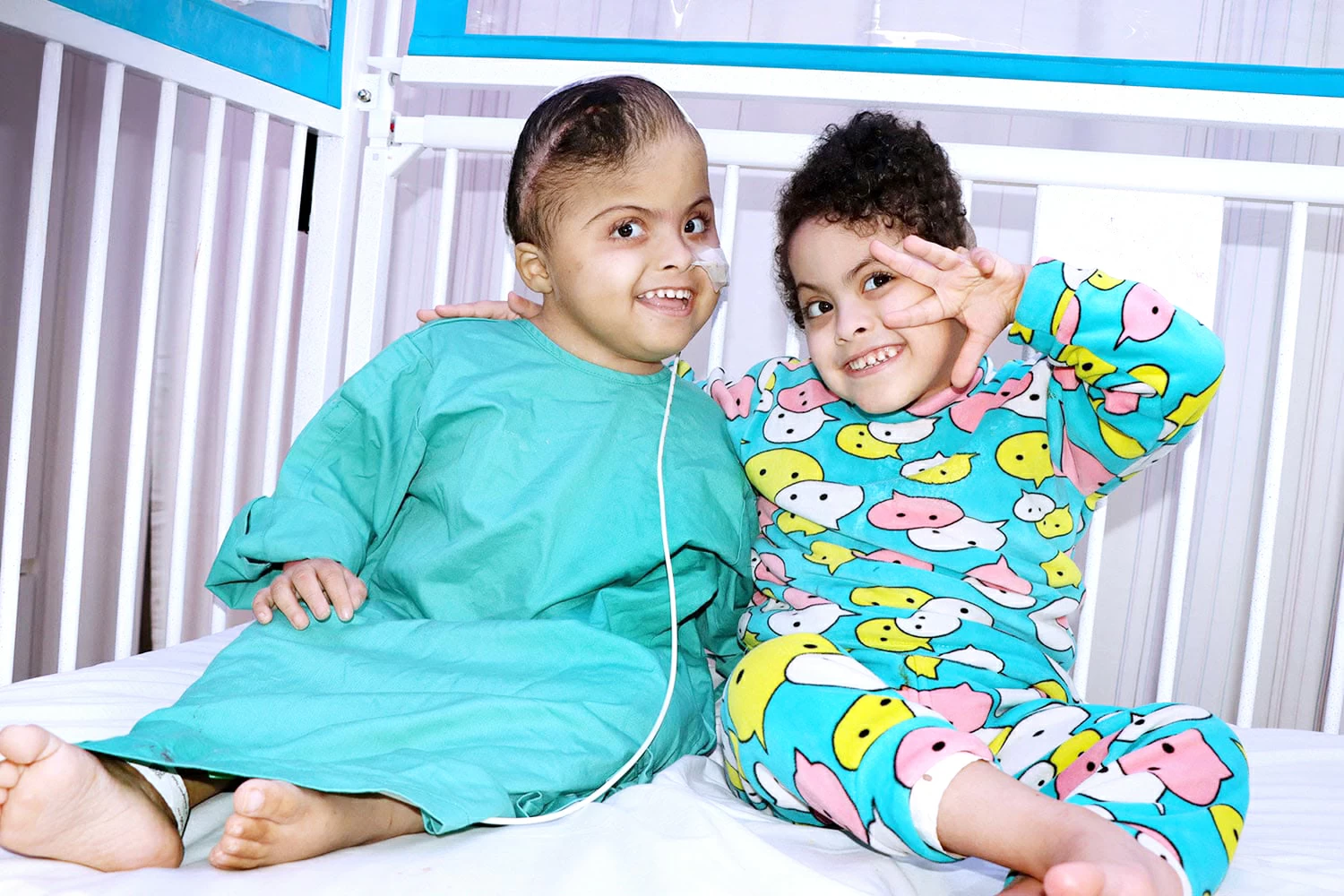
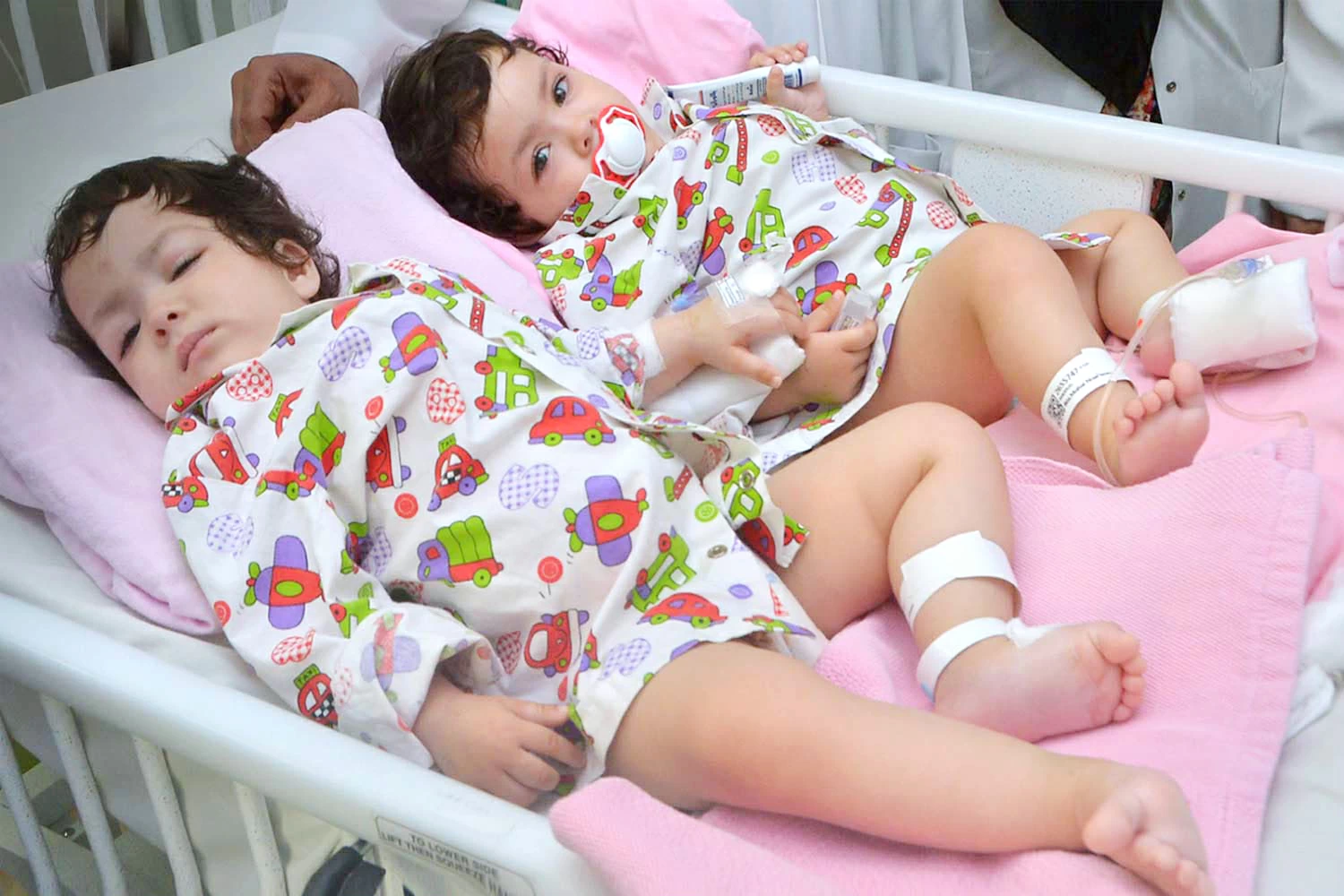
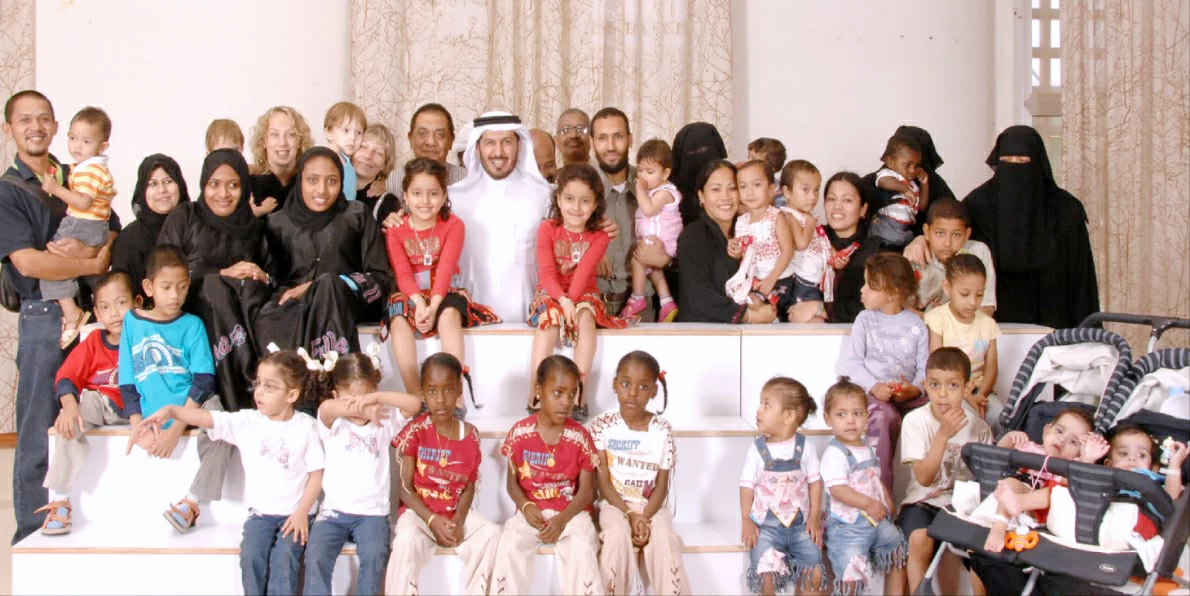
من مكة انطلقت قصة طبيب سعودي، ومن الرياض اتسعت القصة حتى وصلت إلى أطفال خمس قارات؛ أكثر من ثلاثة عقود صنعت خلالها السعودية تجربة إنسانية وطبية استثنائية في علاج وفصل التوائم الملتصقة، تتكفل فيها المملكة برحلة الطفل منذ نقله إلى السعودية وحتى علاجه وتأهيله وعودته إلى وطنه.
وبحسب مركز الملك سلمان للإغاثة والأعمال الإنسانية، بدأ البرنامج السعودي للتوائم الملتصقة إجراء عمليات الفصل عام 1990، ودرس حتى سبتمبر 2026، 158 حالة من 28 دولة في خمس قارات، فيما بلغ عدد عمليات الفصل الناجحة 72 عملية، لتتراكم خبرة سعودية تمتد لأكثر من ثلاثة عقود، في واحد من أدق تخصصات جراحة الأطفال.
ويتجاوز الكرم السعودي حدود غرفة العمليات؛ إذ يوضح مركز الملك سلمان للإغاثة والأعمال الإنسانية، أن البرنامج يتحمل جميع نفقات عملية الفصل والعلاج والتأهيل بعد الجراحة، إلى جانب تكاليف نقل التوائم إلى المملكة واستضافتهم وذويهم طوال فترة الرعاية الطبية، لتصل الأسرة إلى السعودية محاطة بمنظومة متكاملة من الرعاية الطبية والإنسانية.
وتشير صفحة «مملكة الإنسانية» في البرنامج السعودي للتوائم الملتصقة إلى أن هذا التكفل امتد عبر عهود ملوك المملكة؛ وتوضح الصفحة أن خادم الحرمين الشريفين الملك سلمان بن عبدالعزيز وولي العهد الأمير محمد بن سلمان، يوجهان منذ عام 2015 بعلاج حالات التوائم التي يرى الفريق الطبي والجراحي أنها مرشحة للفصل، بما يضمن للأطفال وأسرهم الرعاية والدعم اللازمين طوال رحلة العلاج.
وتكشف عملية فصل التوأم الفلبيني «أوليفيا وجيانا» في يونيو 2026، حجم الدقة الطبية التي بلغها البرنامج، فبحسب مركز الملك سلمان للإغاثة والأعمال الإنسانية استغرقت العملية 6 ساعات، وأجريت في مستشفى الملك عبدالله التخصصي للأطفال بمدينة الملك عبدالعزيز الطبية بوزارة الحرس الوطني في الرياض، وسجلت بوصفها العملية رقم 72 في تاريخ البرنامج.
ولا تنتهي قصة البرنامج بانتهاء الجراحة. ففي فبراير 2026 استقبل رئيس الفريق الطبي والجراحي الدكتور عبدالله الربيعة التوأم البولندي «أولغا وداريا» بعد مرور 21 عامًا على عملية فصلهما في الرياض. وبحسب مركز الملك سلمان للإغاثة، أكدت الشقيقتان، أن العملية شكلت نقطة تحول في حياتهما ومكنتهما من الاستقلال وممارسة حياتهما الطبيعية.
وامتد أثر التجربة السعودية إلى المحافل الدولية؛ إذ يذكر مركز الملك سلمان للإغاثة والأعمال الإنسانية، أن الأمم المتحدة اعتمدت عام 2024، بمبادرة من المملكة العربية السعودية، يوم 24 نوفمبر يومًا عالميًا للتوائم الملتصقة، بهدف رفع الوعي بهذه الحالات واحتياجات الأطفال وأسرهم.
وفي سبتمبر 2026، أشادت الممثلة الخاصة للأمين العام للأمم المتحدة المعنية بالأطفال والنزاع المسلح فانيسا فرايزر بالبرنامج خلال زيارتها للتوائم في الرياض، ووصفت ما تقدمه المملكة للأطفال من مختلف دول العالم بأنه يمثل أملًا حقيقيًا ونموذجًا دوليًا جديرًا بالاستفادة منه، مشيدة بسخاء المملكة في توفير أوجه الرعاية الصحية للتوائم ودعمهم.
The story of a Saudi doctor began in Mecca, and from Riyadh, the story expanded to reach children across five continents; for more than three decades, Saudi Arabia has created an exceptional humanitarian and medical experience in the treatment and separation of conjoined twins, with the Kingdom covering the child's journey from their transfer to Saudi Arabia until their treatment, rehabilitation, and return to their homeland.
According to the King Salman Center for Relief and Humanitarian Action, the Saudi program for conjoined twins began performing separation surgeries in 1990, and by September 2026, it had studied 158 cases from 28 countries across five continents, with the number of successful separation surgeries reaching 72, accumulating Saudi expertise that spans more than three decades in one of the most precise specialties in pediatric surgery.
Saudi generosity extends beyond the operating room; the King Salman Center for Relief and Humanitarian Action explains that the program covers all expenses related to the separation surgery, treatment, and rehabilitation post-surgery, in addition to the costs of transporting the twins to the Kingdom and hosting them and their families throughout the medical care period, allowing the family to arrive in Saudi Arabia surrounded by a comprehensive system of medical and humanitarian care.
The "Kingdom of Humanity" page in the Saudi program for conjoined twins indicates that this support has extended through the reigns of the Kingdom's kings; the page clarifies that the Custodian of the Two Holy Mosques King Salman bin Abdulaziz and Crown Prince Mohammed bin Salman have been directing since 2015 the treatment of twin cases that the medical and surgical team deems suitable for separation, ensuring that children and their families receive the necessary care and support throughout the treatment journey.
The separation of the Filipino twins "Olivia and Gianna" in June 2026 reveals the level of medical precision achieved by the program. According to the King Salman Center for Relief and Humanitarian Action, the surgery lasted 6 hours and was performed at King Abdullah Specialist Children's Hospital in King Abdulaziz Medical City of the Ministry of National Guard in Riyadh, recorded as the 72nd operation in the program's history.
The story of the program does not end with the completion of the surgery. In February 2026, the head of the medical and surgical team, Dr. Abdullah Al-Rabeeah, welcomed the Polish twins "Olga and Daria" 21 years after their separation surgery in Riyadh. According to the King Salman Center for Relief, the sisters confirmed that the surgery was a turning point in their lives, enabling them to gain independence and lead normal lives.
The impact of the Saudi experience has extended to international forums; the King Salman Center for Relief and Humanitarian Action mentions that in 2024, the United Nations adopted, at the initiative of the Kingdom of Saudi Arabia, November 24 as the International Day for Conjoined Twins, aimed at raising awareness of these cases and the needs of children and their families.
In September 2026, the Special Representative of the UN Secretary-General for Children and Armed Conflict, Vanessa Frazer, praised the program during her visit to the twins in Riyadh, describing what the Kingdom provides to children from various countries around the world as a true hope and an international model worthy of emulation, commending the Kingdom's generosity in providing healthcare for the twins and supporting them.