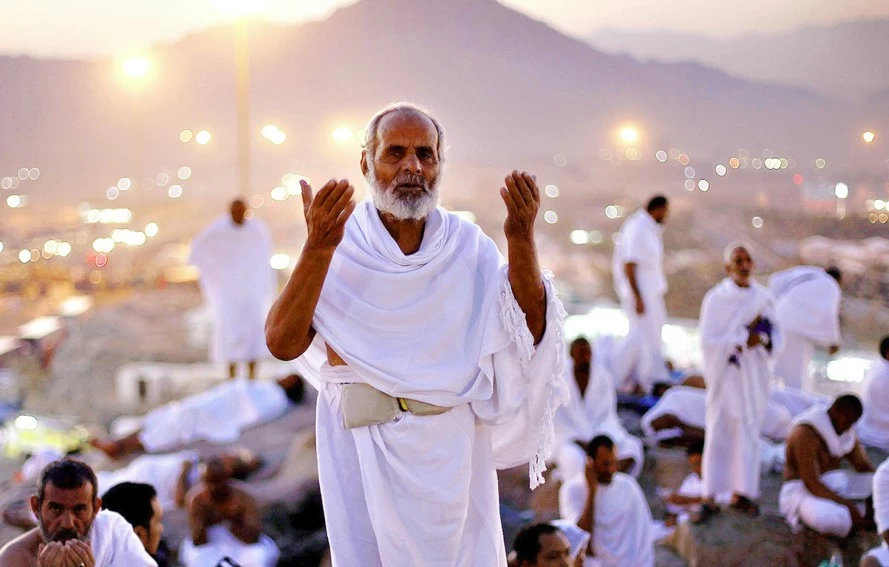
منذ توحيد المملكة على يد الملك عبدالعزيز، ارتبطت الدولة السعودية بشرف خدمة الحرمين الشريفين وقاصديهما، وتحولت الضيافة في مكة المكرمة والمشاعر المقدسة إلى منظومة دولة تسخّر الإنسان والمكان والمال والتقنية لخدمة ضيوف الرحمن.
وفي اليوم الوطني السعودي، تحمل عبارة «عزّنا بكرمنا» معنى يتجاوز مفهوم الضيافة؛ فكرم المملكة مع الحاج والمعتمر يظهر في الطريق الذي يسلكه، والماء الذي يشربه، والسرير الذي يعالَج عليه، والقطار الذي ينقله، والتقنية التي ترشده، والكوادر التي ترافق رحلته منذ وصوله حتى مغادرته.
وتكشف بيانات الهيئة العامة للإحصاء، أن المملكة استقبلت خلال 50 عامًا فقط، من 1390هـ إلى 1439هـ، 98,053,017 حاجًا، منهم 54.4 مليون حاج خلال آخر 25 عامًا، فيما تجاوز عدد الحجاج حاجز المليونين في 19 موسمًا.
وفي حج 1447هـ الموافق 2026، استقبلت المملكة 1,707,301 حاج وحاجة، بينهم 1,546,655 حاجًا من الخارج و160,646 من الداخل، ووصل من القادمين من الخارج 1,485,729 حاجًا جوًا، و54,429 برًا، و6,497 بحرًا.
ويمتد مشهد الضيافة إلى العمرة على مدار العام. وتظهر البيانات الحديثة حجم التدفق الكبير؛ إذ سجل عام 2023 نحو 26.87 مليون معتمر من الداخل والخارج، بينهم 13.56 مليون معتمر دولي.
وفي الربع الأول من عام 2025 وحده بلغ عدد المعتمرين 15,222,497 معتمرًا، منهم 6,523,630 من خارج المملكة و8,698,867 من الداخل، فيما رفع الربع الثاني إجمالي النصف الأول من العام إلى أكثر من 20.6 مليون معتمر.
بنية خدمية بدرجة الامتياز
تقف خلف هذه الملايين بنية خدمية هائلة؛ ففي حج 1447هـ، قدمت المنظومة الصحية أكثر من 1.2 مليون خدمة صحية حتى العاشر من ذي الحجة، وجهزت أكثر من 20 ألف سرير، بينها أكثر من 3,800 سرير في المشاعر المقدسة، إلى جانب خدمات الطوارئ وعمليات القلب والقسطرة والجراحات والرعاية الإسعافية.
وفي النقل، تبلغ الطاقة التشغيلية لقطار المشاعر المقدسة نحو 72 ألف راكب في الساعة عبر تسع محطات تربط منى وعرفات ومزدلفة، فيما استهدفت خطته التشغيلية في موسم 1447هـ نقل أكثر من مليوني راكب عبر نحو ألفي رحلة.
وامتدت منظومة الضيافة إلى الفضاء الرقمي؛ إذ وفر تطبيق «نسك» أكثر من 130 خدمة رقمية، وعمل مركز العناية بضيوف الرحمن على مدار الساعة بأكثر من 11 لغة، واستقبل خلال موسم الحج أكثر من 330 ألف مكالمة بنسبة رضا تجاوزت 93%.
هذه الأرقام ترسم معنى الكرم في المشاعر المقدسة بصورته السعودية؛ ملايين البشر من ثقافات ولغات وقارات مختلفة، تقابلهم منظومات للصحة والنقل والأمن والغذاء والإسكان والاتصالات والتقنية وإدارة الحشود، في جغرافيا محدودة وزمن بالغ الدقة.
وعلى امتداد مسيرة الدولة السعودية الحديثة، تطورت رحلة ضيف الرحمن من طرق السفر القديمة والخدمات المحدودة إلى المطارات والقطارات والمستشفيات والمنصات الرقمية والتقنيات الحديثة لإدارة الحشود، وبقيت الغاية واحدة: أن يؤدي الحاج والمعتمر نسكه في أمن وطمأنينة ويسر.
وفي هذا السياق، أكد الرئيس العام لشؤون المسجد الحرام والمسجد النبوي الشيخ الدكتور عبدالرحمن السديس، أن المملكة عنيت منذ تأسيسها بأن يكون الحج والحرمان الشريفان للعبادة والتوحيد والسنة، وأداء المناسك على الوجه الصحيح.
وأشار إلى أن مهمة المملكة وشرفها وقدرها وفخرها تتمثل في العناية بكل ما يخدم الحرمين الشريفين، الأمر الذي يدفعها إلى بذل كل ما تستطيع في خدمة الحجاج والمعتمرين، والمحافظة على أمنهم وسلامتهم وطمأنينتهم.
وجدد السديس التأكيد على ترحيب المملكة بجميع الحجاج في كل عام، وتوفير الخدمات التي يحتاجون إليها وتعينهم على أداء فريضتهم بكل يسر وسهولة واطمئنان، بإشراف القيادة الرشيدة.
ودعا المسلمين إلى تقوى الله وإدراك مكانة الحرمين الشريفين ومكانة قاصديهما، والمحافظة على أمنهما وسلامة ضيوف الرحمن، والتعاون في تحقيق الأمن والإبلاغ عن كل من يحاول تعكير صفو فريضتي الحج والعمرة.
وفي اليوم الوطني، تختصر «عزّنا بكرمنا» مسيرة وطن جعل خدمة ضيوف الرحمن شرفًا، وإكرامهم قيمة، والعناية بأمنهم وصحتهم وراحتهم عزًا سعوديًا يتوارثه جيل عن جيل.
Since the unification of the Kingdom by King Abdulaziz, the Saudi state has been associated with the honor of serving the Two Holy Mosques and their visitors. The hospitality in Mecca and the holy sites has transformed into a state system that harnesses human resources, location, finances, and technology to serve the guests of Allah.
On Saudi National Day, the phrase "Our pride is in our generosity" carries a meaning that transcends the concept of hospitality; the generosity of the Kingdom towards pilgrims and Umrah performers is evident in the roads they travel, the water they drink, the beds they are treated on, the trains that transport them, the technology that guides them, and the personnel that accompany their journey from arrival to departure.
Data from the General Authority for Statistics reveals that the Kingdom welcomed 98,053,017 pilgrims over just 50 years, from 1390 AH to 1439 AH, including 54.4 million pilgrims in the last 25 years, while the number of pilgrims exceeded two million in 19 seasons.
In the Hajj of 1447 AH, corresponding to 2026, the Kingdom received 1,707,301 male and female pilgrims, including 1,546,655 pilgrims from abroad and 160,646 from within the Kingdom. Of those arriving from abroad, 1,485,729 pilgrims came by air, 54,429 by land, and 6,497 by sea.
The scene of hospitality extends to Umrah throughout the year. Recent data shows the large influx; in 2023, approximately 26.87 million Umrah performers from both inside and outside the Kingdom were recorded, including 13.56 million international Umrah performers.
In the first quarter of 2025 alone, the number of Umrah performers reached 15,222,497, of whom 6,523,630 were from outside the Kingdom and 8,698,867 from within, while the second quarter raised the total for the first half of the year to over 20.6 million Umrah performers.
Exceptional Service Infrastructure
Behind these millions stands a vast service infrastructure; during the Hajj of 1447 AH, the health system provided more than 1.2 million health services up to the 10th of Dhul-Hijjah, and prepared more than 20,000 beds, including over 3,800 beds in the holy sites, alongside emergency services, heart surgeries, catheterizations, and emergency care.
In transportation, the operational capacity of the Holy Sites Train is about 72,000 passengers per hour across nine stations connecting Mina, Arafat, and Muzdalifah, while its operational plan for the 1447 AH season aimed to transport more than two million passengers through approximately two thousand trips.
The hospitality system has extended to the digital space; the "Nusk" application provided more than 130 digital services, and the Guest Care Center operated around the clock in more than 11 languages, receiving over 330,000 calls during the Hajj season with a satisfaction rate exceeding 93%.
These figures illustrate the meaning of generosity in the holy sites in its Saudi form; millions of people from different cultures, languages, and continents are met with systems for health, transportation, security, food, housing, communications, technology, and crowd management, all within a limited geography and precise timing.
Throughout the journey of the modern Saudi state, the journey of the guest of Allah has evolved from old travel methods and limited services to airports, trains, hospitals, digital platforms, and modern crowd management technologies, while the goal remains the same: for the pilgrim and Umrah performer to fulfill their rituals in safety, peace, and ease.
In this context, the General President for the Affairs of the Grand Mosque and the Prophet's Mosque, Sheikh Dr. Abdulrahman Al-Sudais, affirmed that the Kingdom has cared since its establishment for the Hajj and the Two Holy Mosques to be for worship, monotheism, and the Sunnah, and to perform the rituals correctly.
He pointed out that the mission of the Kingdom, its honor, its value, and its pride lie in caring for everything that serves the Two Holy Mosques, which drives it to exert all efforts in serving the pilgrims and Umrah performers, and ensuring their safety and security.
Al-Sudais reiterated the Kingdom's welcome to all pilgrims every year, providing the services they need to help them perform their obligations with ease, comfort, and peace of mind, under the supervision of wise leadership.
He called on Muslims to fear Allah and recognize the status of the Two Holy Mosques and the significance of their visitors, to maintain their security and the safety of the guests of Allah, and to cooperate in achieving security and reporting anyone who attempts to disrupt the sanctity of the Hajj and Umrah rituals.
On National Day, "Our pride is in our generosity" encapsulates the journey of a nation that has made serving the guests of Allah an honor, honoring them a value, and caring for their security, health, and comfort a Saudi pride passed down from generation to generation.