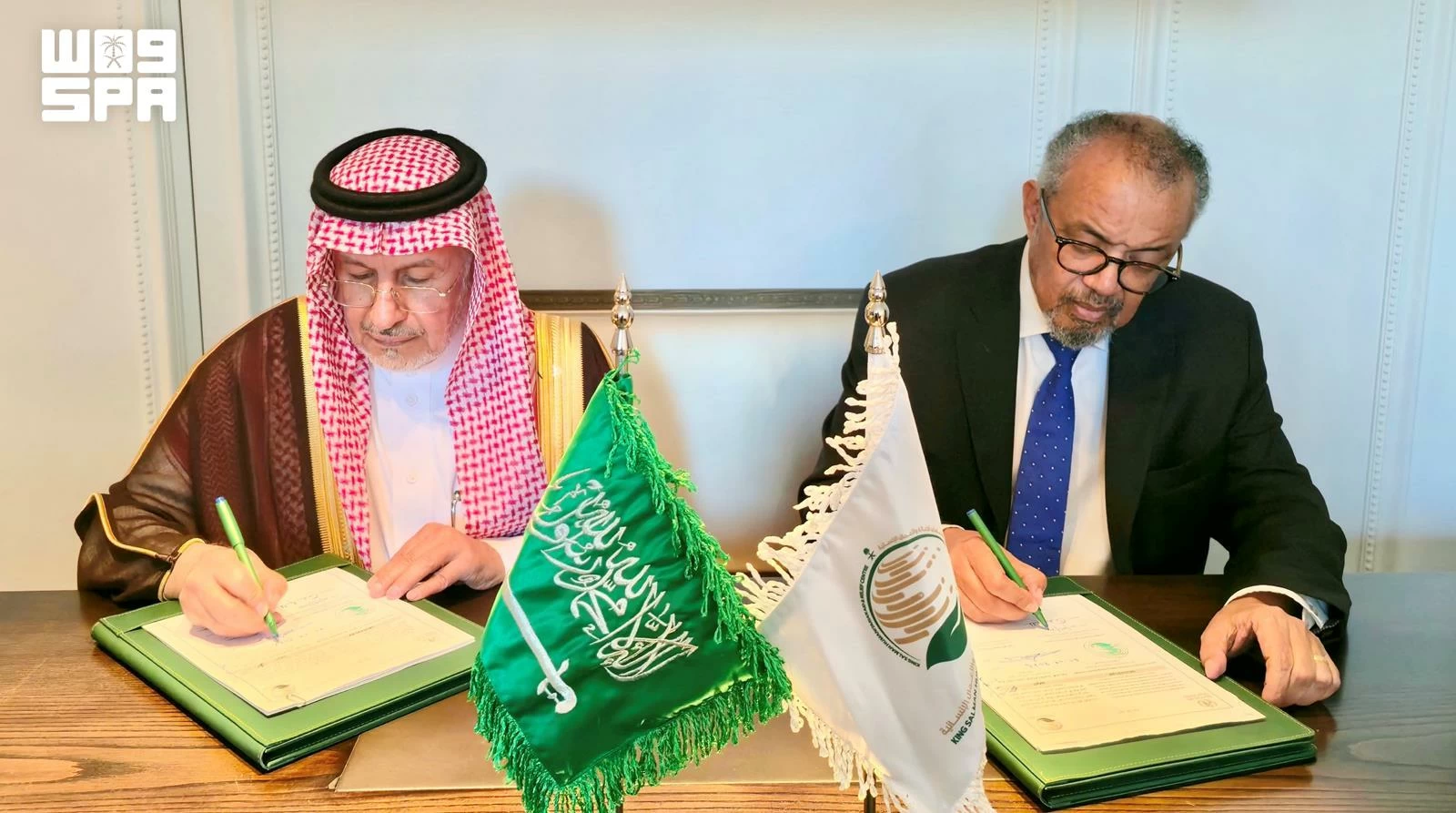
وقّع مركز الملك سلمان للإغاثة والأعمال الإنسانية، برنامجًا تنفيذيًا مشتركًا مع منظمة الصحة العالمية، لتنفيذ تدخلات إنسانية صحية في منطقة بحيرة تشاد، التي تضم دول تشاد والكاميرون ومالي والنيجر ونيجيريا، بقيمة 5 ملايين و327 ألف دولار، وذلك على هامش أعمال الجمعية العامة للأمم المتحدة في دورتها الـ81 المنعقدة في مدينة نيويورك.
ووقّع البرنامج المستشار بالديوان الملكي المشرف العام على مركز الملك سلمان للإغاثة الدكتور عبدالله بن عبدالعزيز الربيعة، والمدير العام لمنظمة الصحة العالمية الدكتور تيدروس أدهانوم غيبريسوس.
حزم علاجية للأطفال
كما وقّع المركز برنامجًا تنفيذيًا مشتركًا آخر مع منظمة الصحة العالمية، لشراء وتوزيع حزم الاستجابة العلاجية للأطفال المصابين بسوء التغذية الحاد الوخيم، في 35 مركزًا للرعاية التغذوية في الجمهورية اليمنية.
ويأتي البرنامجان في إطار جهود المملكة الرامية إلى رعاية المرضى وتلبية احتياجاتهم الصحية الأساسية، ومواصلة تعزيز النظم الصحية في الدول المستهدفة، ودعم التدخلات الإنسانية الصحية المقدمة للفئات الأكثر احتياجًا.
The King Salman Humanitarian Aid and Relief Center signed a joint executive program with the World Health Organization to implement humanitarian health interventions in the Lake Chad region, which includes the countries of Chad, Cameroon, Mali, Niger, and Nigeria, valued at 5 million and 327 thousand dollars, on the sidelines of the 81st session of the United Nations General Assembly held in New York City.
The program was signed by the advisor at the Royal Court and the General Supervisor of the King Salman Humanitarian Aid and Relief Center, Dr. Abdullah bin Abdulaziz Al Rabeeah, and the Director-General of the World Health Organization, Dr. Tedros Adhanom Ghebreyesus.
Treatment Packages for Children
The center also signed another joint executive program with the World Health Organization to purchase and distribute treatment response packages for children suffering from severe acute malnutrition in 35 nutrition care centers in the Republic of Yemen.
These programs come as part of the Kingdom's efforts to care for patients and meet their basic health needs, continue to strengthen health systems in the targeted countries, and support humanitarian health interventions provided to the most vulnerable groups.