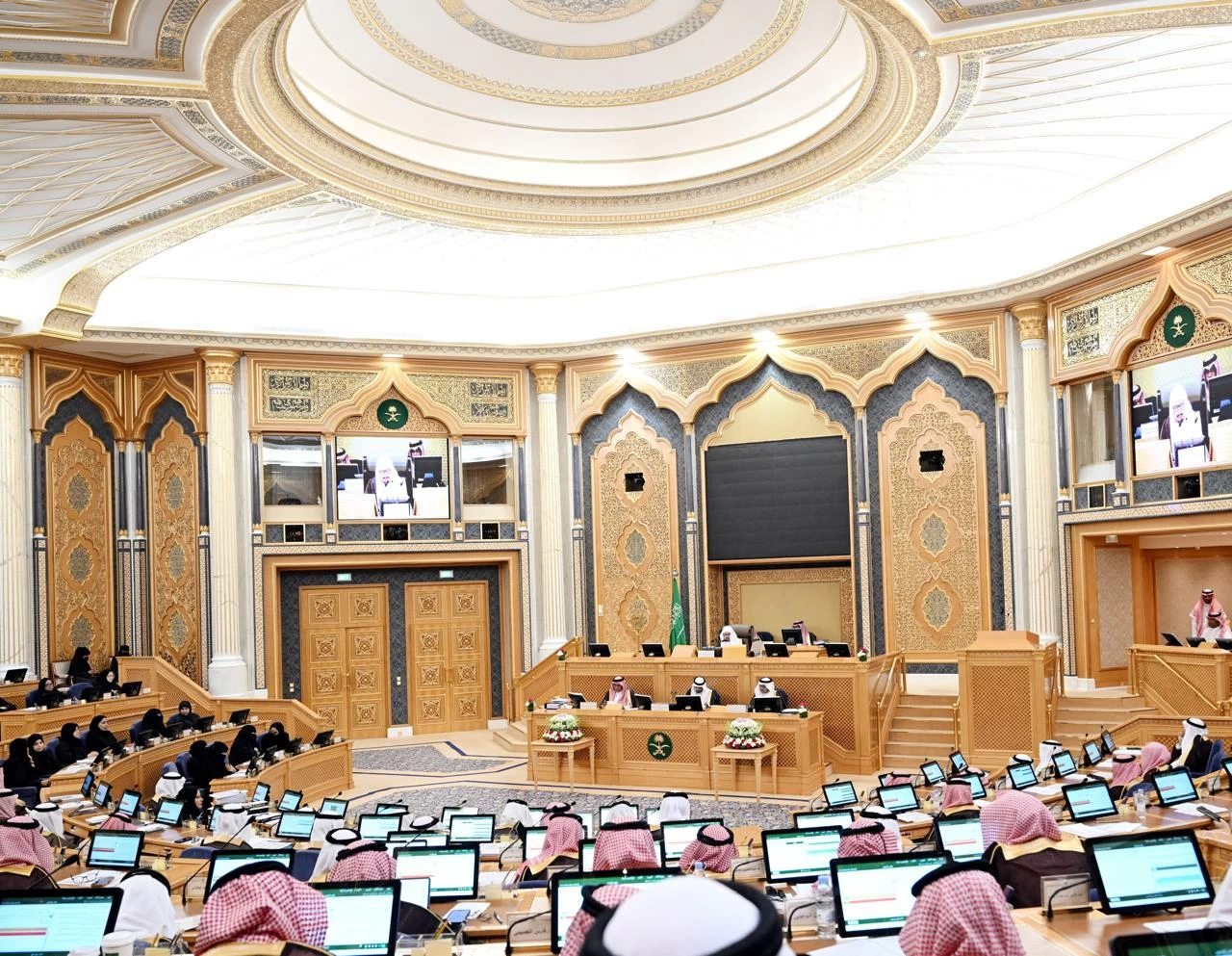
استأنف مجلس الشورى، أمس، أولى جلساته العادية، من أعمال السنة للدورة التاسعة، المنعقدة برئاسة رئيس المجلس الشيخ الدكتور عبدالله محمد آل الشيخ.
وناقش المجلس التقرير السنوي لبنك التنمية الاجتماعية، وطالب عضو المجلس الدكتور فهد التخيفي، البنك بتطوير منظومة مؤشرات اقتصادية واجتماعية لقياس أثر برامجه ومحافظه التمويلية، بما يعزز الاستقلال المالي للمستفيدين واستدامة المنشآت وكفاءة رأس المال التنموي، واقترح عضو المجلس الدكتور محمد الشعيبي، على بنك التنمية الاجتماعية تقديم منتجات تمويلية مبتكرة يسهل سدادها من حيث المدة والتيسير. وناقش التقرير السنوي لبنك المنشآت الصغيرة والمتوسطة، وطالب عضو مجلس الشورى الدكتور هاني أبوراس، بنك المنشآت الصغيرة والمتوسطة، بالتنسيق مع الجهات ذات العلاقة، بالنظر في مراعاة أثر الضمان في قرار جهة التمويل عند وضع ضوابط إصداره وتقويم نتائجه.
وناقش التقرير السنوي لصندوق التنمية السياحي، وطالب عضو المجلس الدكتور راشد الشريف، صندوق التنمية السياحي باعتماد منهجية واضحة وموحدة لتقييم المشاريع قبل تمويلها، توازن بين العائد المتوقع والأثر السياحي والاقتصادي، مع مراعاة أهمية المشروع وحاجة الوجهة السياحية. وفي نهاية المناقشة طلبت اللجان منحها مزيداً من الوقت لدراسة ما طرحه الأعضاء من آراء ومقترحات أو توصيات إضافية والعودة بوجهات نظرها إلى المجلس في جلسات لاحقة.
فيما وافق المجلس على مشاريع مذكرات تفاهم بين حكومة المملكة وحكومة جمهورية كينيا للتعاون في مجال تشجيع الاستثمار المباشر، وبين وزارة التعليم في المملكة ومركز اليونسكو الإقليمي للجودة والتميز في التعليم، وبين هيئة الإذاعة والتلفزيون في المملكة والشركة الوطنية للإذاعة والتلفزة في المملكة المغربية للتعاون في المجال الإذاعي والتلفزيوني، ومشروع اتفاق بين وزارة الموارد البشرية والتنمية الاجتماعية في المملكة ووزارة العمل والحماية الاجتماعية في جمهورية كينيا بشأن توظيف العمالة المنزلية.
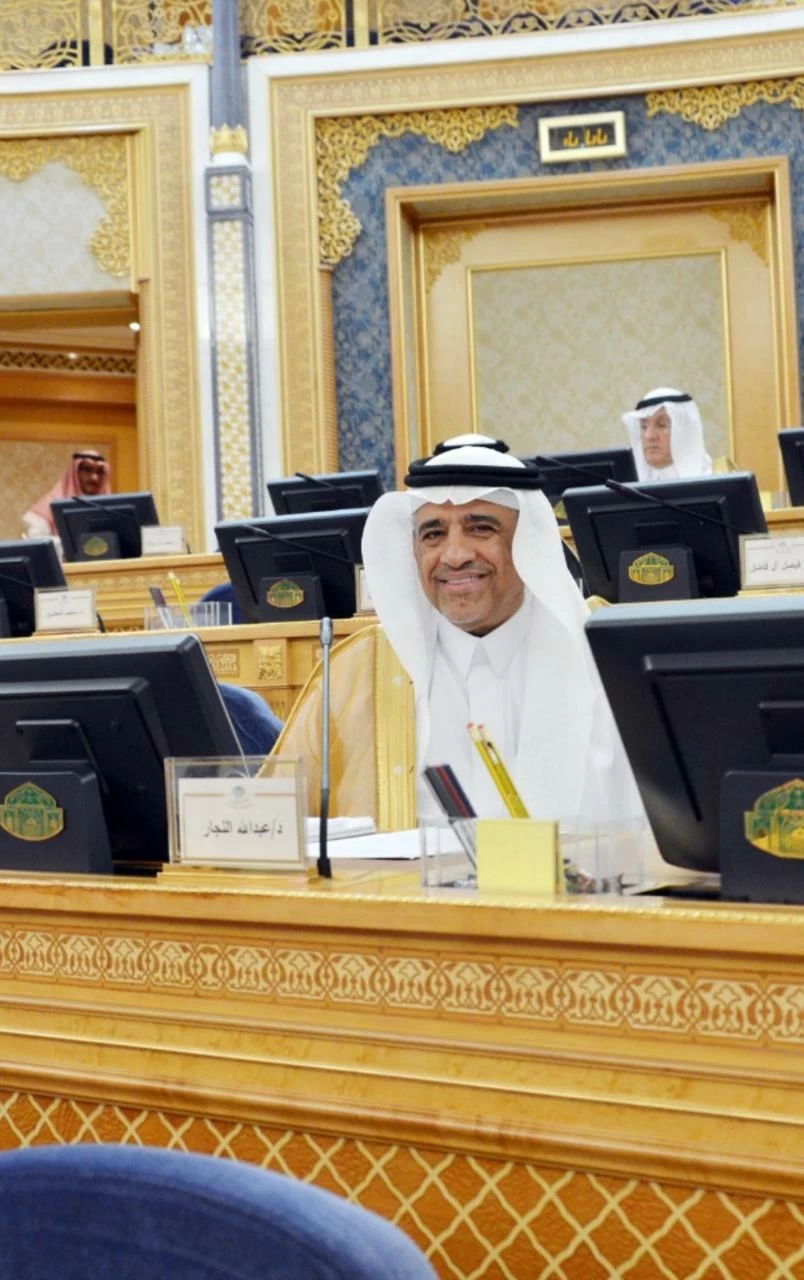
النجار لـ«عكاظ»: على بنك التنمية تطوير مسار التمكين
طالب عضو مجلس الشورى الدكتور عبدالله النجار، بنك التنمية الاجتماعية بتطوير مسار مؤسسي للتمكين الاقتصادي للمستفيدين القادرين على الانتقال من التمويل الاجتماعي إلى العمل الحر والمشروعات متناهية الصغر والمنشآت الصغيرة من خلال التأهيل والخدمات غير المالية وبما يعزز استقلالهم المالي واستدامة دخولهم، وطالب في حديثه لـ«عكاظ»، البنك لتطوير نماذج للتمويل التشاركي والمحافظ التمويلية المشتركة مع القطاع الخاص والجهات التمويلية، وقياس حجم التمويل الخاص المستقطب مقابل مساهمة البنك بما يعظم قدرته التمويلية ويوسع نطاق المستفيدين إسهاماً في تحقيق مستهدفات رؤية المملكة 2030، وتطلّع لتفعيل الشراكات لمواجهة محدودية حجم محفظة التمويل التي تمثل تحدياً أمام استيعاب بعض الطلبات المؤهلة، وعدّ تفعيل الشراكات التمويلية مع جهات أخرى ضمن الخيارات المتاحة لمواجهة هذا التحدي.
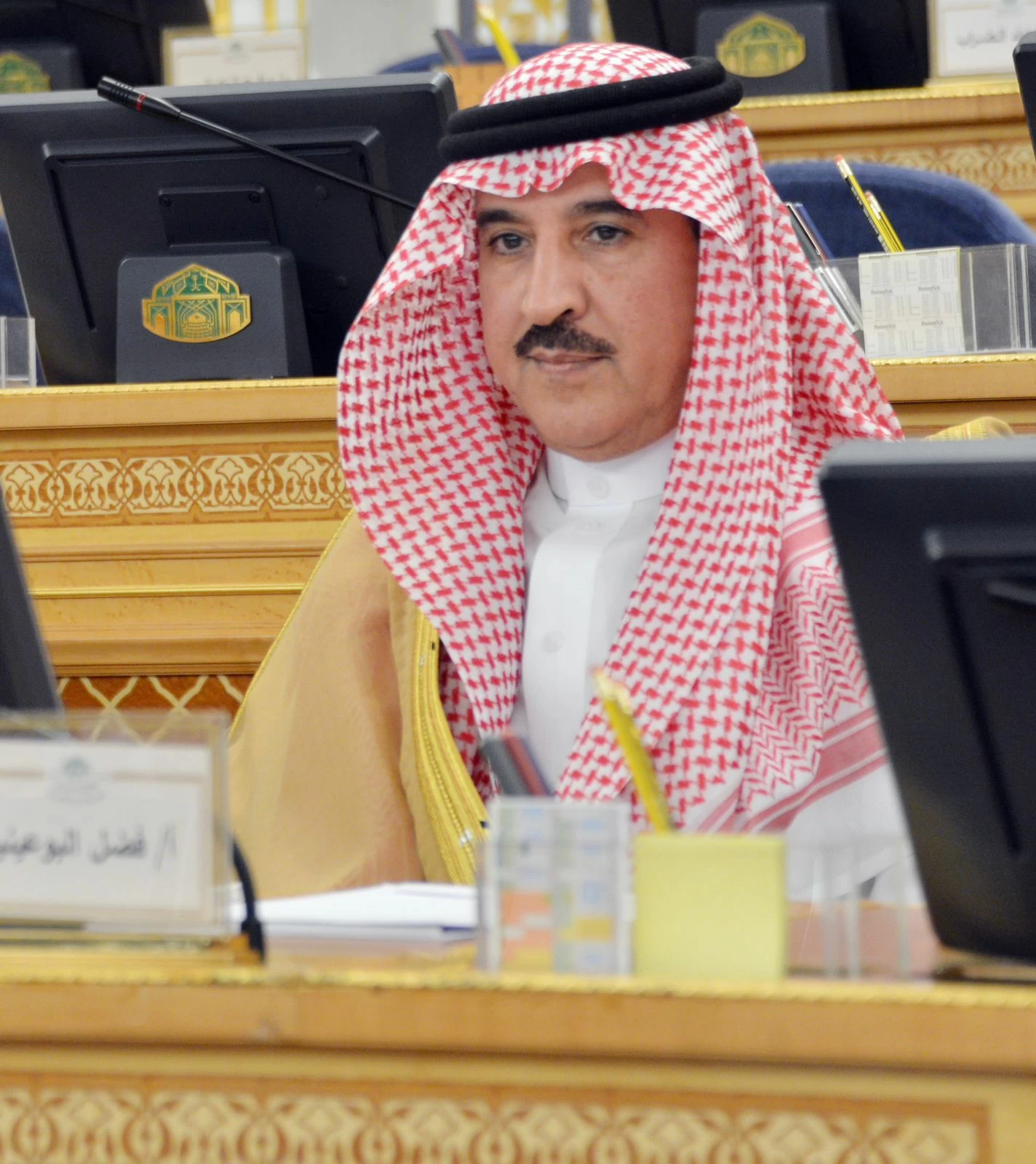
البوعينين لـ«عكاظ»: تمويل المنشآت مسؤولية «السياحي»
أوضح عضو المجلس فضل سعد البوعينين، أن مسؤولية تمويل المنشآت الصغيرة في القطاع السياحي تقع بالكلية على صندوق التنمية السياحي، مؤكداً أنه طالما وقع شراكة إستراتيجية مع برنامج كفالة، فهو المعني بتحديد حجم الضمانات المرتبطة بالقطاع السياحي، لافتاً إلى أن صندوق التنمية السياحي يظل المسؤول الأول عن تمويل منشآت القطاع السياحي بما فيها المنشآت الصغيرة. وحمّل الصندوق مسؤولية عدم تحقيق مستهدفات التمويل في قطاع المنشآت الصغيرة، بمعزل عن الجهات الأخرى، وقال لـ«عكاظ»: الصندوق مسؤول عن معالجة الفجوة التمويلية في القطاع، موضحاً أن رد الصندوق يؤكد، أنه المسؤول الأول عن عدم تحقيقه مستهدف دعم المنشآت الصغيرة، فالنمو الكبير في المحفظة لا يعكس نمواً موازياً في دعم المنشآت السياحية الصغيرة، ما يعني أن هناك استئثاراً للمشروعات الكبرى بالتمويلات المقدمة من الصندوق، ما تسبب في حجب التمويل عن المنشآت الصغيرة.
واقترح البوعينين، أن يتولى الصندوق معالجة الفجوة التمويلية للمنشآت السياحية الصغيرة والمتوسطة، وتوفير التمويل اللازم لها، واستحداث برنامج ضمان ائتماني بديل متخصص في المنشآت السياحية الصغيرة والمتوسطة.
The Shura Council resumed its first regular session yesterday, as part of the annual activities for the ninth session, chaired by the Council's President, Sheikh Dr. Abdullah Mohammed Al Sheikh.
The Council discussed the annual report of the Social Development Bank, and Council member Dr. Fahd Al-Takhifi urged the bank to develop a system of economic and social indicators to measure the impact of its programs and funding portfolios, which would enhance the financial independence of beneficiaries, the sustainability of enterprises, and the efficiency of developmental capital. Council member Dr. Mohammed Al-Shaibi suggested that the Social Development Bank offer innovative financing products that are easy to repay in terms of duration and facilitation. The annual report of the Small and Medium Enterprises Bank was also discussed, and Council member Dr. Hani Aburas called on the Small and Medium Enterprises Bank to coordinate with relevant parties to consider the impact of guarantees in the financing entity's decision when setting controls for issuing and evaluating its results.
The annual report of the Tourism Development Fund was discussed, and Council member Dr. Rashid Al-Sharif called on the Tourism Development Fund to adopt a clear and unified methodology for evaluating projects before financing them, balancing the expected return with the tourism and economic impact, while considering the importance of the project and the needs of the tourist destination. At the end of the discussion, the committees requested more time to study the opinions and additional recommendations proposed by the members and to return with their viewpoints to the Council in subsequent sessions.
Meanwhile, the Council approved draft memorandums of understanding between the Government of the Kingdom and the Government of the Republic of Kenya for cooperation in encouraging direct investment, between the Ministry of Education in the Kingdom and the UNESCO Regional Center for Quality and Excellence in Education, between the Broadcasting and Television Authority in the Kingdom and the National Broadcasting and Television Company in the Kingdom of Morocco for cooperation in the broadcasting and television field, and a draft agreement between the Ministry of Human Resources and Social Development in the Kingdom and the Ministry of Labor and Social Protection in the Republic of Kenya regarding the employment of domestic workers.
Al-Najjar to "Okaz": The Development Bank should develop an empowerment pathway
Council member Dr. Abdullah Al-Najjar called on the Social Development Bank to develop an institutional pathway for the economic empowerment of beneficiaries capable of transitioning from social financing to self-employment and micro-enterprises through qualification and non-financial services, thereby enhancing their financial independence and sustainability of their incomes. In his remarks to "Okaz," he urged the bank to develop models for participatory financing and joint funding portfolios with the private sector and financing entities, and to measure the volume of private financing attracted compared to the bank's contribution, maximizing its financing capacity and expanding the scope of beneficiaries in contributing to achieving the objectives of Saudi Vision 2030. He expressed hope for activating partnerships to address the limited size of the financing portfolio, which poses a challenge in accommodating some qualified requests, and considered activating financing partnerships with other entities as one of the available options to face this challenge.
Al-Bouainin to "Okaz": Financing enterprises is the responsibility of the "Tourism" Fund
Council member Fadl Saad Al-Bouainin clarified that the responsibility for financing small enterprises in the tourism sector lies entirely with the Tourism Development Fund, emphasizing that as long as a strategic partnership has been established with the Kafala Program, it is responsible for determining the size of the guarantees associated with the tourism sector. He pointed out that the Tourism Development Fund remains the primary responsible entity for financing tourism sector enterprises, including small enterprises. He held the fund accountable for not achieving financing targets in the small enterprises sector, independent of other entities, stating to "Okaz": The fund is responsible for addressing the financing gap in the sector, explaining that the fund's response confirms that it is primarily responsible for not achieving its support targets for small enterprises, as the significant growth in the portfolio does not reflect a corresponding growth in support for small tourism enterprises, indicating that there is a predominance of large projects in the financing provided by the fund, which has resulted in withholding financing from small enterprises.
Al-Bouainin suggested that the fund should address the financing gap for small and medium tourism enterprises and provide the necessary financing, as well as establish an alternative credit guarantee program specialized in small and medium tourism enterprises.