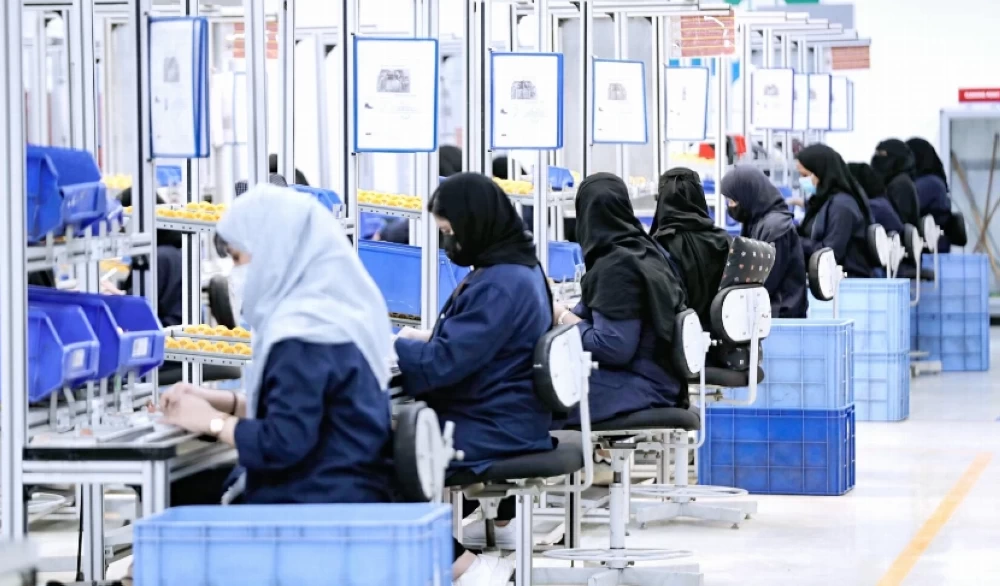
أكد خبير قانون العمل والموارد البشرية الدكتور خالد رشاد خياط أن فترات الراحة اليومية حق للعاملين والعاملات الخاضعين لنظام العمل السعودي، ويلتزم صاحب العمل بتمكينهم منها، مشيراً إلى أن النظام حدد فترات الراحة اليومية للعمال بضوابط دقيقة تكفل سلامتهم، وتمكنهم من أداء صلواتهم وتلبية حاجاتهم من الراحة والطعام.
وأوضح خياط لـ«عكاظ» أن المادة (101) من نظام العمل نصت على ألا يعمل العامل أكثر من خمس ساعات متتالية دون الحصول على فترة للراحة، على ألا تقل فترة الراحة في المرة الواحدة عن نصف ساعة.
وأضاف أن المادة (102) تقضي بعدم جواز إلزام صاحب العمل للعامل بالبقاء في مكان العمل خلال فترة الراحة، وبالتالي يحق للعامل مغادرة مكان العمل خلالها دون أخذ إذن من المدير المسؤول، كما لا يعد العامل خلال فترة الراحة تحت سلطة صاحب العمل.
وأشار إلى أنه بموجب المادة (101)، لا يجوز أن يبقى العامل في مكان العمل، بمجموع ساعات العمل وفترات الراحة، أكثر من الحد الأقصى المقرر نظاماً، بما لا يتجاوز 12 ساعة في اليوم الواحد، لافتاً إلى أن فترات الراحة اليومية لا تدخل ضمن ساعات العمل الفعلية، التي لا تزيد على ثماني ساعات عمل في اليوم.
وأكد خياط أنه في حال حدد صاحب العمل فترات الراحة الخاصة بالعامل خارج أوقات الصلاة، فلا يجوز له منع العامل من أداء الصلاة في وقتها، وتُحسب في هذه الحالة من ضمن ساعات العمل الفعلية.
ساعة رضاعة مدفوعة الأجر
في ما يتعلق بحقوق المرأة العاملة بعد الوضع، أوضح خياط أنه وفقاً للمادة (154)، يحق للمرأة العاملة عند عودتها إلى مزاولة عملها بعد إجازة الوضع الحصول، بقصد إرضاع مولودها، على فترة أو فترات للاستراحة مدفوعة الأجر، لا يزيد مجموعها على ساعة واحدة في اليوم، علاوة على فترات الراحة الممنوحة لجميع العمال.
وبيّن أن فترة أو فترات الرضاعة تُحسب من ساعات العمل الفعلية، ولا يترتب عليها أي تخفيض في الأجر، مشيراً إلى أن المادة (31) من اللائحة التنفيذية لنظام العمل حددت فترة الراحة من أجل الرضاعة بـ24 شهراً من تاريخ الوضع، سواء كانت الرضاعة طبيعية أو غير ذلك.
واقعة الولادة تكفي
وأكد خياط أن المرأة العاملة غير ملزمة بإثبات الرضاعة من خلال تقرير طبي، وإنما تكفي واقعة الولادة للاستفادة من هذا الحق.
ولفت إلى أن تحديد فترة الرضاعة يرتبط بمدى توفر حضانة داخل منشأة العمل؛ فإذا توفرت الحضانة داخل المنشأة، يحق للمرأة العاملة اختيار فترة الاستراحة، على ألا يزيد إجماليها على ساعة واحدة للرضاعة.
أما في حال عدم توفر حضانة داخل المنشأة، فيحق للمرأة العاملة اختيار فترة أو فترات الاستراحة، بحيث تكون الساعة في بداية الدوام أو نهايته، بما يتناسب مع مصلحة العمل.
شكوى وتعويض عن الأضرار
وحول الإجراءات المتاحة عند عدم التزام صاحب العمل بهذه الحقوق، أفاد خياط بأنه يحق للعامل تقديم شكوى ضد صاحب العمل المخالف أمام وزارة الموارد البشرية والتنمية الاجتماعية، ويعاقب صاحب العمل، عند ثبوت المخالفة، بغرامات مالية، ويحق للعامل كذلك رفع دعوى قضائية للمطالبة بالتعويض عن الأضرار التي لحقت به نتيجة عدم حصوله على فترات الراحة المقررة.
واختتم خياط حديثه بالتأكيد على أن الالتزام بفترات الراحة ينعكس إيجاباً على أداء العامل وجودة العمل، ويسهم في زيادة الإنتاجية والمحافظة على سلامة العامل النفسية والبدنية، فضلاً عن دوره في خلق بيئة عمل منتجة وصحية.
Labor and human resources expert Dr. Khaled Rashad Khayyat confirmed that daily rest periods are a right for workers under the Saudi labor system, and the employer is obligated to enable them to take these breaks. He pointed out that the system has specified daily rest periods for workers with precise regulations that ensure their safety and allow them to perform their prayers and meet their needs for rest and food.
Dr. Khayyat explained to “Okaz” that Article (101) of the Labor Law states that a worker should not work more than five consecutive hours without a rest period, and that the rest period should not be less than half an hour at a time.
He added that Article (102) stipulates that an employer cannot require a worker to remain at the workplace during the rest period, and therefore, the worker has the right to leave the workplace during this time without obtaining permission from the responsible manager. Additionally, the worker is not considered to be under the employer's authority during the rest period.
He pointed out that according to Article (101), the total hours of work and rest periods should not exceed the legally prescribed maximum limit, which is no more than 12 hours in one day. He noted that daily rest periods do not count as part of the actual working hours, which should not exceed eight hours of work per day.
Dr. Khayyat emphasized that if the employer sets the worker's rest periods outside of prayer times, the employer cannot prevent the worker from performing their prayers on time, and in this case, it is counted as part of the actual working hours.
Paid Nursing Hour
Regarding the rights of working women after childbirth, Dr. Khayyat clarified that according to Article (154), a working woman has the right, upon returning to her job after maternity leave, to receive paid rest periods for the purpose of nursing her newborn, not exceeding a total of one hour per day, in addition to the rest periods granted to all workers.
He explained that the nursing period or periods are counted as part of the actual working hours, and there is no reduction in pay as a result. He pointed out that Article (31) of the executive regulations of the Labor Law specifies the nursing period as 24 months from the date of childbirth, whether the nursing is natural or otherwise.
Childbirth Incident Suffices
Dr. Khayyat confirmed that a working woman is not required to prove nursing through a medical report; rather, the occurrence of childbirth is sufficient to benefit from this right.
He noted that the determination of the nursing period is related to the availability of childcare within the workplace; if childcare is available within the establishment, the working woman has the right to choose her rest period, provided that the total does not exceed one hour for nursing.
However, if there is no childcare available within the establishment, the working woman has the right to choose her rest period or periods, such that the hour is at the beginning or end of the workday, in a manner that suits the interests of the work.
Complaint and Compensation for Damages
Regarding the procedures available when the employer does not comply with these rights, Dr. Khayyat stated that the worker has the right to file a complaint against the violating employer before the Ministry of Human Resources and Social Development. The employer is penalized with financial fines upon proving the violation, and the worker also has the right to file a lawsuit to claim compensation for damages resulting from not receiving the prescribed rest periods.
Dr. Khayyat concluded his remarks by emphasizing that adherence to rest periods positively reflects on the worker's performance and the quality of work, contributes to increased productivity, and maintains the worker's mental and physical well-being, in addition to its role in creating a productive and healthy work environment.