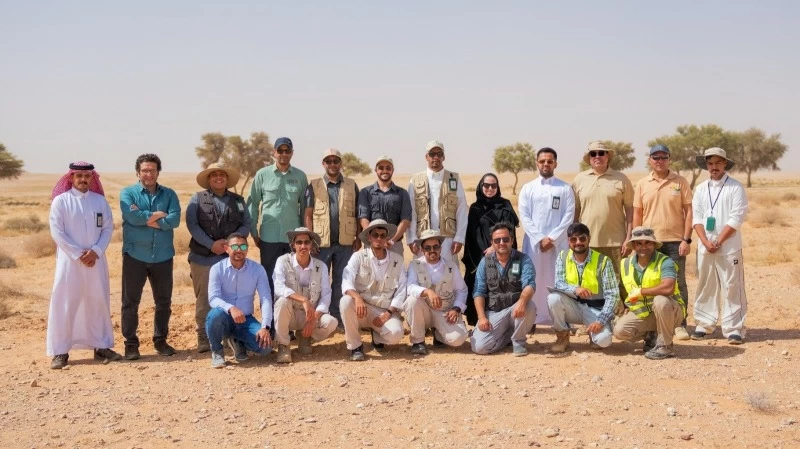
أطلقت هيئة تطوير محمية الإمام عبدالعزيز بن محمد الملكية، بالتعاون مع المركز الوطني لتنمية الحياة الفطرية، أكثر من 140 ضباً في عدد من المواقع الملائمة داخل نطاق محمية الملك خالد الملكية، ضمن البرامج المشتركة لتنمية الحياة الفطرية ودعم التنوع الأحيائي واستدامة النظم البيئية في المحمية. وجاءت عملية الإطلاق بعد تقييم المواقع المستهدفة وفق معايير ميدانية تراعي ملاءمة الموائل الطبيعية لحاجات النوع، بما يدعم تكيف الأفراد واستقرارها في بيئتها الطبيعية، على أن تتبعها أعمال للرصد والمتابعة لدراسة سلوكها وقياس مدى تكيفها مع مواقع الإطلاق.
وأوضح رئيس قسم الحياة الفطرية في الهيئة عبداللطيف العبدالوهاب أن إطلاق الضبان يأتي امتداداً لبرامج الهيئة المعنية بتنمية الأنواع الفطرية وموائلها الطبيعية، بالتعاون مع الجهات ذات العلاقة، مشيراً إلى أن اختيار مواقع الإطلاق استند إلى دراسات ميدانية تراعي الخصائص البيئية للمواقع وملاءمتها للنوع.
وبيّن أن برامج المتابعة بعد الإطلاق تسهم في توفير بيانات حول حركة الأفراد وسلوكها ومدى تكيفها، بما يدعم تقييم نتائج عمليات الإطلاق وتطوير البرامج المستقبلية المعنية بالحياة الفطرية في المحمية.
وأشار إلى أن الضب يعد أحد الأنواع المرتبطة بالبيئات الصحراوية في المملكة، ويؤدي دوراً ضمن السلسلة الغذائية والنظام البيئي، مؤكداً أن هذه العملية تعكس تكامل الجهود بين الهيئة والمركز الوطني لتنمية الحياة الفطرية في تنمية الأنواع الفطرية ودعم استدامة موائلها الطبيعية.
وتأتي عملية الإطلاق ضمن جهود هيئة تطوير محمية الإمام عبدالعزيز بن محمد الملكية الرامية إلى تنمية الحياة الفطرية واستعادة الموائل الطبيعية وتعزيز الغطاء النباتي والتنوع الأحيائي، بما يسهم في استدامة النظم البيئية ويدعم مستهدفات رؤية السعودية 2030 في المجال البيئي.
The Imam Abdulaziz bin Mohammed Royal Reserve Development Authority, in collaboration with the National Center for Wildlife Development, has released more than 140 spiny-tailed lizards in several suitable locations within the King Khalid Royal Reserve, as part of joint programs aimed at wildlife development, supporting biodiversity, and ensuring the sustainability of ecosystems in the reserve. The release process followed an evaluation of the targeted sites based on field criteria that consider the suitability of natural habitats for the needs of the species, supporting the adaptation and stability of individuals in their natural environment, with subsequent monitoring and follow-up activities to study their behavior and measure their adaptation to the release sites.
Abdul Latif Al-Abdulwahab, the head of the wildlife department at the authority, explained that the release of the lizards is an extension of the authority's programs concerned with the development of wildlife species and their natural habitats, in collaboration with relevant entities, noting that the selection of release sites was based on field studies that take into account the environmental characteristics of the sites and their suitability for the species.
He indicated that the follow-up programs after the release contribute to providing data on the movement and behavior of the individuals and their adaptation levels, which supports the evaluation of the results of the release operations and the development of future programs related to wildlife in the reserve.
He pointed out that the spiny-tailed lizard is one of the species associated with desert environments in the Kingdom and plays a role in the food chain and the ecosystem, emphasizing that this process reflects the integration of efforts between the authority and the National Center for Wildlife Development in developing wildlife species and supporting the sustainability of their natural habitats.
The release process is part of the efforts of the Imam Abdulaziz bin Mohammed Royal Reserve Development Authority aimed at enhancing wildlife, restoring natural habitats, and promoting vegetation cover and biodiversity, contributing to the sustainability of ecosystems and supporting the targets of Saudi Vision 2030 in the environmental field.