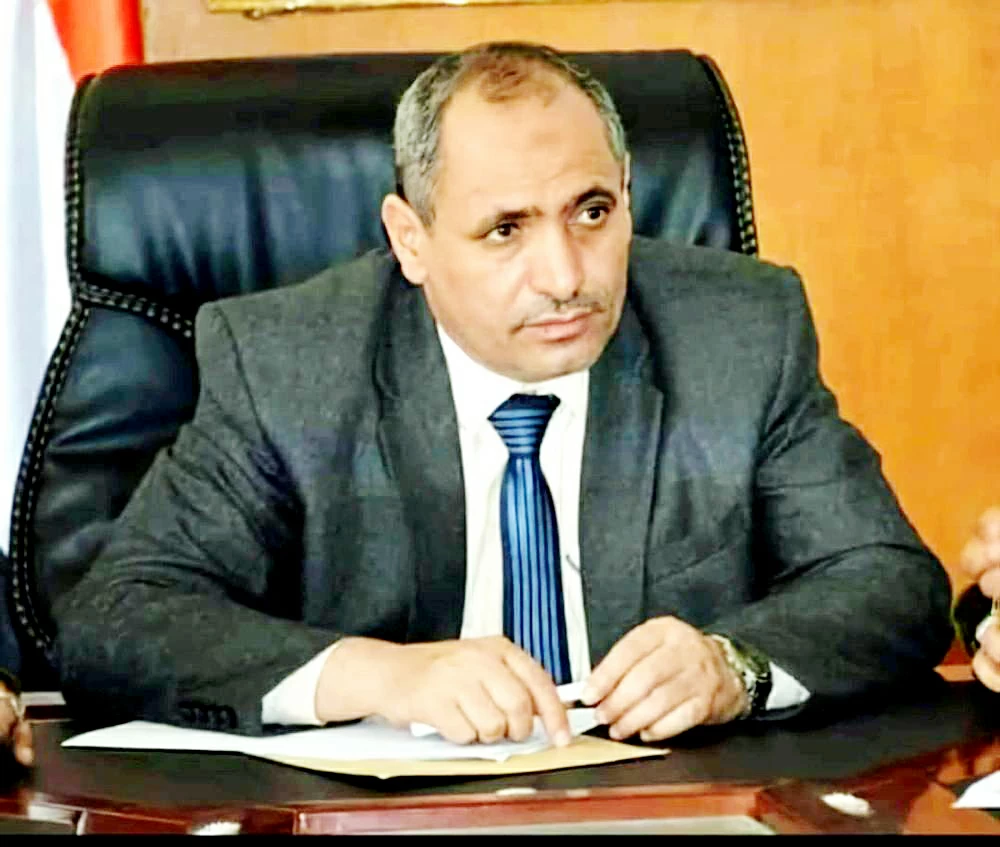
أكد وكيل محافظة تعز الدكتور عبدالقوي المخلافي، أن التطورات الميدانية في اليمن تؤكد، أن سنوات الصمود والتضحيات لم تذهب سدى، وأن القوات المسلحة والمقاومة انتقلت من موقع الدفاع إلى استعادة زمام المبادرة وفرض معادلات جديدة على الأرض.
المخلافي يقف على الأوضاع في مديرية مقبنة. (عكاظ)
وأوضح، في حوار لـ«عكاظ»، أن محافظة تعز تؤكد مجدداً أنها جزء أصيل من المعركة الوطنية، وأن إرادة أبنائها في استعادة الدولة وإنهاء الانقلاب لا تزال أقوى من كل محاولات الإخضاع وفرض الأمر الواقع، مشيراً إلى أن استعادة المناطق والمواقع التي سيطرت عليها مليشيا الحوثي ليست هدفاً مرحلياً، وإنما جزء من هدف وطني أوسع، يتمثل في استعادة الدولة وإنهاء الانقلاب، وأن ما تحقق في مقبنة والكدحة وموزع والساحل يثبت أن الوقائع التي فرضتها المليشيا بقوة السلاح ليست قدراً دائماً، وأن الأرض اليمنية ستظل قابلة للتحرير متى توفرت الإرادة والقرار وتكاملت الجهود.
ولفت إلى أن الموقع الجغرافي لتعز، وارتباطها بالساحل والمخا وباب المندب، يمنح هذا المحور أهمية وطنية وإستراتيجية تتجاوز حدود المحافظة، مشيراً إلى أن باب المندب أحد أهم الممرات البحرية في العالم، وأمنه واستقراره جزء من منظومة الأمن الإقليمي والدولي، وما يجري في تعز لا ينبغي النظر إليه باعتباره شأناً محلياً منفصلاً، بل باعتباره جزءاً من معركة أوسع لحماية الدولة اليمنية وأمنها ومصالحها الإستراتيجية، ومنع تحويل الجغرافيا اليمنية إلى منصة تهديد للملاحة والأمن الإقليمي، وفي ما يلي نص الحوار:
• كيف تقيمون موقف القوات المسلحة والمقاومة في تعز؟
•• القوات المسلحة والمقاومة في تعز قدمت طوال سنوات الحرب نموذجاً في الصمود والثبات والدفاع عن الدولة والجمهورية، وتحملت أعباء كبيرة في مواجهة المشروع الحوثي، وما نشهده اليوم من تطورات ميدانية يؤكد، أن سنوات الصمود والتضحيات لم تذهب سدى، وأن القوات المسلحة والمقاومة انتقلت من موقع الدفاع وامتصاص الهجمات إلى استعادة زمام المبادرة وفرض معادلات جديدة على الأرض. وتعز اليوم تؤكد مجدداً أنها جزء أصيل من المعركة الوطنية، وأن إرادة أبنائها في استعادة الدولة وإنهاء الانقلاب لا تزال أقوى من كل محاولات الإخضاع وفرض الأمر الواقع.
تحرير البلاد هدف وطني
• كيف تنظرون إلى استعادة المواقع والمناطق التي سيطرت عليها المليشيا الحوثية؟
•• استعادة المناطق والمواقع التي سيطرت عليها مليشيا الحوثي ليست هدفاً مرحلياً، وإنما جزء من هدف وطني أوسع يتمثل في استعادة الدولة وإنهاء الانقلاب، وما تحقق في مقبنة والكدحة وموزع والساحل يثبت أن الوقائع التي فرضتها المليشيا بقوة السلاح ليست قدراً دائماً، وأن الأرض اليمنية ستظل قابلة للتحرير، ونحن ننظر إلى التطورات الحالية باعتبارها محطة مهمة في مسار طويل، ونثق بقدرة القوات المسلحة والمقاومة وأبناء تعز على مواصلة هذا المسار حتى استكمال تحرير المحافظة، والمضي قدماً ضمن المعركة الوطنية لاستعادة مؤسسات الدولة والجمهورية.
• ما المطلوب لتعزيز التنسيق والاصطفاف الوطني؟
•• أعتقد أن الأولوية اليوم، هي تحويل القناعة المشتركة باستعادة الدولة إلى عمل وطني منظم ومتكامل، سياسياً وعسكرياً وأمنياً وإعلامياً. القرار الوطني واضح وهو إنهاء الانقلاب الحوثي واستعادة مؤسسات الدولة، والمطلوب هو توحيد الجهود والابتعاد عن التباينات التي تستنزف الطاقات، وتعزيز التنسيق بين مختلف القوى والمكونات الوطنية، والاصطفاف خلف القيادة السياسية والعسكرية الشرعية. وفي هذا السياق، يمثل رئيس مجلس القيادة الرئاسي والقائد الأعلى للقوات المسلحة الدكتور رشاد العليمي، عنواناً للقرار الوطني، والمسؤولية اليوم تقتضي دعم هذا المسار وتمكين مؤسسات الدولة من القيام بدورها، ولا يمكن أن نتحدث عن المعركة الوطنية دون الإشادة بمواقف الأشقاء، وفي مقدمتهم السعودية، التي وقفت إلى جانب اليمن وشعبه وحكومته الشرعية، وقدمت إسناداً سياسياً واقتصادياً وإنسانياً متواصلاً، ونحن ندرك أن أمن اليمن واستقراره يرتبط بصورة وثيقة بأمن المملكة والمنطقة، وأن استعادة الدولة اليمنية تمثل مصلحة مشتركة.
• ما أهمية فتح وتأمين الطرق الرابطة بين تعز والساحل والمخا؟
•• فتح وتأمين الطرق بين تعز والساحل والمخا يتجاوز كونه إجراء خدمياً أو عسكرياً؛ فهو قضية ترتبط مباشرة بحياة المواطنين والاقتصاد والأمن والاستقرار، هذه الطرق تمثل شرايين حيوية تربط المحافظة بمنافذها ومناطقها الساحلية، وفتحها سيخفف معاناة المواطنين، وييسر حركة الأشخاص والبضائع، ويدعم النشاط الاقتصادي والإنساني. كما أن الموقع الجغرافي لتعز، وارتباطها بالساحل والمخا وباب المندب، يمنح هذا المحور أهمية وطنية وإستراتيجية تتجاوز حدود المحافظة. فباب المندب أحد أهم الممرات البحرية في العالم، وأمنه واستقراره جزء من منظومة الأمن الإقليمي والدولي. ومن هنا، فإن ما يجري في تعز لا ينبغي النظر إليه باعتباره شأناً محلياً منفصلاً، بل باعتباره جزءاً من معركة أوسع لحماية الدولة اليمنية وأمنها ومصالحها الإستراتيجية، ومنع تحويل الجغرافيا اليمنية إلى منصة تهديد للملاحة والأمن الإقليمي.
• كيف تنظرون إلى استهداف المليشيات الحوثية للمدنيين؟
•• استهداف المدنيين يمثل أحد أخطر مظاهر الحرب، لأنه يضرب أمن المجتمع ويعمق المعاناة الإنسانية، ما يهمنا في المقام الأول هو حماية المدنيين وتجنيبهم آثار المواجهات، وضرورة احترام قواعد القانون الدولي الإنساني، إلى جانب توثيق الانتهاكات بصورة دقيقة ومسؤولة، وإيصالها إلى الجهات المعنية والرأي العام. ونؤكد أن حماية المدنيين مسؤولية ومبدأ ثابت، وأي انتهاكات بحقهم يجب ألا تمر دون مساءلة ومحاسبة.
• ماذا عن أوضاع النازحين جراء التصعيد الأخير؟
•• الوضع الإنساني للنازحين يمثل أولوية عاجلة، خصوصاً في ظل موجات النزوح التي ترافقت مع التصعيد الأخير، وهناك أسر اضطرت إلى مغادرة مناطقها وهي بحاجة إلى الغذاء والمياه والمأوى والرعاية الصحية وغيرها من الحاجات الأساسية. ونحن نعمل على متابعة أوضاع هذه الأسر والتنسيق مع الجهات الإنسانية، لكن حجم الاحتياج يتطلب استجابة أوسع وأسرع من المجتمع الدولي والمنظمات الإنسانية. وفي هذا الإطار، نقدر عالياً ما تقدمه السعودية، ومركز الملك سلمان للإغاثة والأعمال الإنسانية من دعم متواصل للشعب اليمني، بمن في ذلك النازحون والمتضررون من الحرب. كما ندعو المنظمات الإنسانية والمانحين والشركاء الدوليين إلى مضاعفة جهودهم والاستجابة العاجلة للحاجات المتزايدة.
• ما الذي تحتاجه القوات المسلحة والمقاومة لاستكمال تحرير تعز؟
•• استكمال تحرير تعز يحتاج قبل كل شيء إلى وضوح في القرار، واستمرار الدعم السياسي والعسكري واللوجستي، ورفع مستوى التنسيق والتكامل بين مختلف التشكيلات والقوى الوطنية، لكن المعركة في تعز لا يمكن عزلها عن سياقها الوطني الأوسع. فكلما اتسعت دائرة الضغط على مليشيا الحوثي في أكثر من جبهة، تراجعت قدرتها على تركيز قواتها وإمكاناتها في اتجاه واحد، لذلك، فإن المطلوب هو إدارة المعركة ضمن رؤية وطنية متكاملة، تستفيد من الإمكانات المتاحة وتوظفها بصورة منسقة، مع الحفاظ على الهدف الإستراتيجي المتمثل في استعادة الدولة وإنهاء الانقلاب، والأهم أن تكون الإنجازات الميدانية جزءاً من مسار مستمر، لا مكاسب مؤقتة تتبعها فترات من الجمود تعيد إنتاج المشكلة نفسها، ونحن نتحدث عن معركة وطنية شاملة، وتعز إحدى أهم ساحاتها، وليست المعركة فيها غاية منفصلة عن هدف استعادة الدولة.
صمود ومواجهة مليشيا الحوثي
• إلى أي مدى أنتم متفائلون بإمكانية تحقيق النصر في تعز؟
•• نحن متفائلون، ولكن تفاؤلنا لا يقوم على الأمنيات، وإنما على ما راكمته تعز من تجربة وصمود وقدرة على مواجهة مليشيا الحوثي في أصعب الظروف، تعز كانت من أوائل المحافظات التي وقفت في وجه المشروع الحوثي، ونجحت في الصمود عندما كانت المليشيا في ذروة تمددها وقوتها، وهذه التجربة تؤكد أن الإرادة الوطنية، متى اقترنت بالتنظيم والتنسيق، قادرة على تغيير المعادلات، وننظر إلى التطورات الأخيرة باعتبارها فرصة لتعزيز هذا المسار، واستعادة المزيد من المناطق، وتثبيت حضور الدولة، وصولاً إلى استكمال تحرير المحافظة ضمن المعركة الوطنية الأشمل، وتعز لم تكن يوماً خارج مشروع استعادة الدولة، وستظل في مقدمة الصفوف حتى يتحقق النصر بإذن الله.
• ما رسالتكم في ظل الانتصارات والتطورات الأخيرة؟
•• رسالتي الأولى، هي أن ما تحقق اليوم يجب أن يُقرأ في سياقه الصحيح، نحن لا نتحدث عن مكاسب ميدانية عابرة، وإنما عن ثمرة سنوات طويلة من الصمود والتضحيات، وعن انتقال تدريجي من مرحلة الدفاع إلى استعادة زمام المبادرة، وتعز -خصوصاً- لم تنتظر لحظة الانتصار حتى تبدأ دورها في المعركة الوطنية؛ فقد دفعت ثمناً كبيراً منذ الأيام الأولى للحرب، وحافظت على حضور الدولة والجمهورية في واحدة من أصعب الجبهات، أما اليوم، فإن مسؤوليتنا جميعاً هي البناء على هذه التطورات، وتحويل الإنجازات العسكرية إلى مسار مستدام لاستعادة الدولة، مع تعزيز وحدة الصف وتكامل الجهد السياسي والعسكري والأمني، والقرار الوطني الذي يجمعنا هو استعادة الدولة وإنهاء الانقلاب الحوثي، وهذا يتطلب اصطفافاً حقيقياً خلف القيادة الشرعية، كما أجدد التأكيد على تقديرنا العميق للأشقاء في السعودية، على مواقفهم الثابتة إلى جانب اليمن وشعبه، ودعمهم المستمر للشرعية ومؤسسات الدولة، وإسنادهم الإنساني والاقتصادي والسياسي. وهذه مواقف يقدرها الشعب اليمني وسيظل حافظاً لها.
ورسالتنا لأبطال القوات المسلحة والمقاومة وأبناء تعز واليمن عموماً هي أن التضحيات لا تضيع، وأن كل خطوة تُبذل في سبيل استعادة الدولة ستظل جزءاً من تاريخ هذه المعركة، وتعز التي صمدت عندما كان الحوثي في أوج قوته، قادرة اليوم على أن تكون إحدى أهم بوابات استعادة الدولة والجمهورية، والمهم أن نحافظ على وحدة الهدف، ونُحسن إدارة اللحظة، ونمضي بثبات حتى يتحقق النصر الوطني.
The Deputy Governor of Taiz, Dr. Abdulqawi Al-Makhlafi, confirmed that the field developments in Yemen affirm that the years of resilience and sacrifices have not been in vain, and that the armed forces and the resistance have moved from a defensive position to regaining the initiative and imposing new equations on the ground.
المخلافي يقف على الأوضاع في مديرية مقبنة. (عكاظ)
He explained, in an interview with "Okaz," that Taiz Governorate reaffirms that it is an integral part of the national battle, and that the will of its people to restore the state and end the coup remains stronger than all attempts at subjugation and imposing a fait accompli. He pointed out that regaining the areas and sites controlled by the Houthi militia is not a temporary goal, but rather part of a broader national objective, which is to restore the state and end the coup. What has been achieved in Maqbana, Al-Kadha, Mawza, and the coast proves that the realities imposed by the militia through the use of force are not a permanent fate, and that Yemeni land will remain liberable whenever there is will, decision, and integrated efforts.
He noted that the geographical location of Taiz, and its connection to the coast, Al-Mokha, and Bab al-Mandab, gives this axis national and strategic importance that transcends the boundaries of the governorate. He pointed out that Bab al-Mandab is one of the most important maritime passages in the world, and its security and stability are part of the regional and international security system. What is happening in Taiz should not be viewed as a separate local issue, but rather as part of a broader battle to protect the Yemeni state, its security, and its strategic interests, and to prevent the Yemeni geography from becoming a platform for threats to navigation and regional security. Below is the text of the interview:
• How do you assess the position of the armed forces and the resistance in Taiz?
•• The armed forces and the resistance in Taiz have provided a model of resilience, steadfastness, and defense of the state and the republic throughout the years of war. They have borne significant burdens in confronting the Houthi project, and what we are witnessing today in terms of field developments confirms that the years of resilience and sacrifices have not been in vain, and that the armed forces and the resistance have moved from a defensive position and absorbing attacks to regaining the initiative and imposing new equations on the ground. Taiz today reaffirms once again that it is an integral part of the national battle, and that the will of its people to restore the state and end the coup remains stronger than all attempts at subjugation and imposing a fait accompli.
Liberating the country is a national goal
• How do you view the restoration of the sites and areas controlled by the Houthi militia?
•• Regaining the areas and sites controlled by the Houthi militia is not a temporary goal, but rather part of a broader national objective that consists of restoring the state and ending the coup. What has been achieved in Maqbana, Al-Kadha, Mawza, and the coast proves that the realities imposed by the militia through the use of force are not a permanent fate, and that Yemeni land will remain liberable. We view the current developments as an important station in a long journey, and we trust in the ability of the armed forces, the resistance, and the people of Taiz to continue this path until the governorate is fully liberated, and to move forward within the national battle to restore the institutions of the state and the republic.
• What is needed to enhance national coordination and alignment?
•• I believe that the priority today is to transform the shared conviction of restoring the state into organized and integrated national action, politically, militarily, security-wise, and media-wise. The national decision is clear: it is to end the Houthi coup and restore the institutions of the state. What is required is to unify efforts, move away from the differences that drain energies, and enhance coordination among various national forces and components, aligning behind the legitimate political and military leadership. In this context, the President of the Presidential Leadership Council and the Supreme Commander of the Armed Forces, Dr. Rashad Al-Alimi, represents the embodiment of the national decision, and the responsibility today requires supporting this path and empowering the state institutions to fulfill their role. We cannot talk about the national battle without praising the positions of our brothers, foremost among them Saudi Arabia, which stood by Yemen, its people, and its legitimate government, providing continuous political, economic, and humanitarian support. We recognize that the security and stability of Yemen are closely linked to the security of the Kingdom and the region, and that restoring the Yemeni state represents a common interest.
• What is the importance of opening and securing the roads linking Taiz to the coast and Al-Mokha?
•• Opening and securing the roads between Taiz, the coast, and Al-Mokha goes beyond being a service or military procedure; it is an issue that is directly related to the lives of citizens, the economy, security, and stability. These roads represent vital arteries that connect the governorate to its outlets and coastal areas. Opening them will alleviate the suffering of citizens, facilitate the movement of people and goods, and support economic and humanitarian activity. Additionally, the geographical location of Taiz, and its connection to the coast, Al-Mokha, and Bab al-Mandab, gives this axis national and strategic importance that transcends the boundaries of the governorate. Bab al-Mandab is one of the most important maritime passages in the world, and its security and stability are part of the regional and international security system. Therefore, what is happening in Taiz should not be viewed as a separate local issue, but rather as part of a broader battle to protect the Yemeni state, its security, and its strategic interests, and to prevent the Yemeni geography from becoming a platform for threats to navigation and regional security.
• How do you view the targeting of civilians by the Houthi militias?
•• Targeting civilians represents one of the most dangerous manifestations of war, as it undermines community security and deepens humanitarian suffering. What concerns us most is the protection of civilians and shielding them from the effects of confrontations, and the necessity of respecting the rules of international humanitarian law, along with documenting violations accurately and responsibly, and conveying them to the relevant authorities and public opinion. We affirm that protecting civilians is a responsibility and a fixed principle, and any violations against them should not go unaccounted for.
• What about the conditions of the displaced due to the recent escalation?
•• The humanitarian situation of the displaced represents an urgent priority, especially in light of the waves of displacement that accompanied the recent escalation. There are families that have been forced to leave their areas and are in need of food, water, shelter, healthcare, and other basic needs. We are working to monitor the conditions of these families and coordinate with humanitarian agencies, but the scale of need requires a broader and quicker response from the international community and humanitarian organizations. In this context, we highly appreciate the continuous support provided by Saudi Arabia and the King Salman Humanitarian Aid and Relief Center to the Yemeni people, including the displaced and those affected by the war. We also call on humanitarian organizations, donors, and international partners to double their efforts and respond urgently to the increasing needs.
• What do the armed forces and the resistance need to complete the liberation of Taiz?
•• Completing the liberation of Taiz requires, first and foremost, clarity in decision-making, continued political, military, and logistical support, and raising the level of coordination and integration among various national formations and forces. However, the battle in Taiz cannot be isolated from its broader national context. The more the pressure on the Houthi militia expands on multiple fronts, the less capable it becomes of concentrating its forces and resources in one direction. Therefore, what is required is to manage the battle within a comprehensive national vision that utilizes available resources in a coordinated manner, while maintaining the strategic objective of restoring the state and ending the coup. Most importantly, the field achievements should be part of a continuous path, not temporary gains followed by periods of stagnation that reproduce the same problem. We are talking about a comprehensive national battle, and Taiz is one of its most important arenas, and the battle there is not a goal separate from the objective of restoring the state.
Resilience and confrontation against the Houthi militia
• How optimistic are you about the possibility of achieving victory in Taiz?
•• We are optimistic, but our optimism is not based on wishes, but rather on what Taiz has accumulated in terms of experience, resilience, and the ability to confront the Houthi militia under the most difficult circumstances. Taiz was one of the first governorates to stand against the Houthi project and succeeded in resisting when the militia was at the height of its expansion and strength. This experience confirms that national will, when combined with organization and coordination, is capable of changing equations. We view the recent developments as an opportunity to enhance this path, regain more areas, and solidify the presence of the state, leading to the complete liberation of the governorate within the broader national battle. Taiz has never been outside the project of restoring the state, and it will remain at the forefront until victory is achieved, God willing.
• What is your message in light of the recent victories and developments?
•• My first message is that what has been achieved today should be understood in its correct context. We are not talking about fleeting field gains, but rather the fruit of long years of resilience and sacrifices, and a gradual transition from a phase of defense to regaining the initiative. Taiz, in particular, did not wait for the moment of victory to begin its role in the national battle; it has paid a heavy price since the early days of the war and has maintained the presence of the state and the republic in one of the most difficult fronts. Today, our collective responsibility is to build on these developments and transform military achievements into a sustainable path for restoring the state, while enhancing unity of purpose and integrating political, military, and security efforts. The national decision that unites us is to restore the state and end the Houthi coup, and this requires a genuine alignment behind the legitimate leadership. I also reaffirm our deep appreciation for our brothers in Saudi Arabia for their steadfast positions alongside Yemen and its people, their continuous support for legitimacy and state institutions, and their humanitarian, economic, and political assistance. These positions are valued by the Yemeni people and will always be remembered.
Our message to the heroes of the armed forces, the resistance, and the people of Taiz and Yemen in general is that sacrifices do not go to waste, and that every step taken towards restoring the state will remain part of the history of this battle. Taiz, which stood firm when the Houthi was at the peak of its strength, is today capable of being one of the most important gateways to restoring the state and the republic. What is important is to maintain unity of purpose, manage the moment well, and move steadily until national victory is achieved.