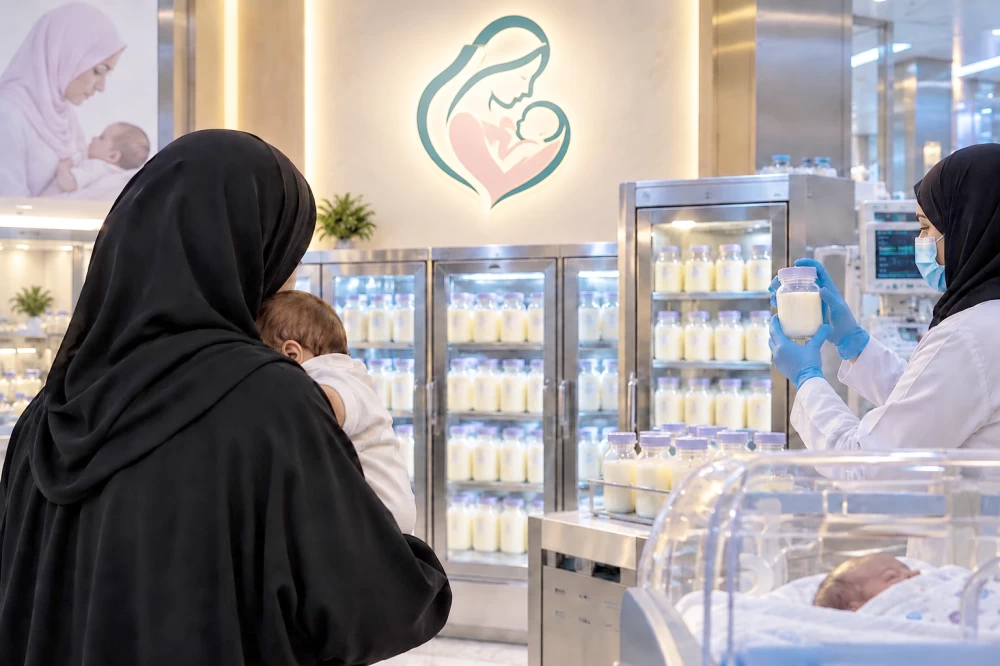
كشفت دراسة سعودية حديثة، أن 62.3% من الأمهات المشاركات لا يؤيدن إنشاء بنوك لحليب الأمهات، مقابل 37.7% مؤيدات، فيما برزت «قرابة الرضاعة»، باعتبارها العامل الأكثر تأثيراً في الموقف من هذه البنوك. ونشرت الدراسة جامعة طيبة بالمدينة المنورة في مجلة «فرونتيرز في الصحة العامة» المحكمة في 3 سبتمبر 2026، وشملت 835 أماً سعودية من مختلف مناطق المملكة، جُمعت بياناتهن بين أبريل ويوليو 2024، بنسبة استجابة بلغت 93.8%.
تأثير واضح
وأظهرت النتائج، أن 74.01% من المشاركات لن يعطين أطفالهن الخدج حليباً من بنك للحليب عند عدم كفاية حليبهن، مقابل 25.99% يقبلن بذلك، فيما رفضت 70.10% التبرع بفائض حليبهن للبنوك، مقابل 29.90% مستعدات للتبرع. كما فضلت 79.16% الحليب الصناعي على الحليب المتبرع به. ورغم ذلك، أظهرت المشاركات معرفة مرتفعة بفوائد حليب الأم؛ إذ رأت 94.13%، أنه أفضل غذائياً من الحليب الصناعي، واعتبرت 95.22%، أنه يعزز مناعة الطفل ويقلل العدوى.
وسجلت «قرابة الرضاعة» تأثيراً واضحاً في المواقف؛ إذ بلغت نسبة غير المؤيدات لبنوك الحليب 91.2% بين من اعتبرنها غير جائزة بسبب القرابة، مقابل تأييد بلغ 86.7% بين من اعتبرنها جائزة دون قيود.
التوثيق يغير الموقف
وأظهرت الدراسة، أن التوثيق يمكن أن يغير المواقف؛ إذ أبدت 330 أماً، بنسبة 39.52% من العينة، استعدادهن للتبرع أو قبول الحليب لأطفالهن الخدج عند تسجيل المتبرعة والطفل المتلقي عبر منصة حكومية، وبلغ التأييد بينهن 71.5%. كما ارتفع التأييد إلى 83.6% بين أمهات أكدن إمكانية تغير موقفهن بعد الحصول على معلومات إضافية.
وخلصت الدراسة، إلى أن الاعتبارات الدينية والأخلاقية المرتبطة بقرابة الرضاعة تفوق في تأثيرها المستوى التعليمي أو المعرفة بفوائد الرضاعة، وأوصت بالتعاون مع العلماء والجهات الشرعية والصحية لتطوير نموذج سعودي، وإنشاء سجل رقمي آمن للمتبرعات والأطفال المتلقين، مع فحص المتبرعات وضمان سلامة الحليب وتعزيز التوعية المجتمعية. ونبهت الدراسة إلى محدودية تمثيل العينة لجميع الأمهات السعوديات، إذ تركزت 62.52% من المشاركات في المنطقة الغربية، فيما بلغت نسبة الجامعيات 57.96% وحاملات الدراسات العليا 30.90%.
A recent Saudi study revealed that 62.3% of participating mothers do not support the establishment of breast milk banks, compared to 37.7% who do support it, with "kinship through breastfeeding" emerging as the most influential factor in their stance on these banks. The study was published by Taibah University in Medina in the peer-reviewed journal "Frontiers in Public Health" on September 3, 2026, and included 835 Saudi mothers from various regions of the Kingdom, with data collected between April and July 2024, achieving a response rate of 93.8%.
Clear Impact
The results showed that 74.01% of participants would not give their premature infants milk from a milk bank if their own milk was insufficient, while 25.99% would accept it. Additionally, 70.10% refused to donate their surplus milk to the banks, compared to 29.90% who were willing to donate. Moreover, 79.16% preferred formula milk over donated milk. Despite this, participants demonstrated a high awareness of the benefits of breast milk; 94.13% believed it is nutritionally better than formula milk, and 95.22% considered it enhances the child's immunity and reduces infections.
Kinship through Breastfeeding
Kinship through breastfeeding showed a clear impact on attitudes; the percentage of those opposed to milk banks was 91.2% among those who considered it impermissible due to kinship, compared to 86.7% support among those who deemed it permissible without restrictions.
Documentation Changes Attitudes
The study indicated that documentation could change attitudes; 330 mothers, representing 39.52% of the sample, expressed their willingness to donate or accept milk for their premature infants if the donor and the receiving child were registered through a government platform, with support among them reaching 71.5%. Support increased to 83.6% among mothers who confirmed their stance could change after receiving additional information.
The study concluded that religious and ethical considerations related to kinship through breastfeeding outweigh the influence of educational level or knowledge of breastfeeding benefits. It recommended collaborating with scholars and legal and health authorities to develop a Saudi model and establish a secure digital registry for donors and receiving children, along with screening donors and ensuring the safety of the milk while enhancing community awareness. The study also noted the limited representation of the sample for all Saudi mothers, as 62.52% of participants were concentrated in the western region, while the percentage of university graduates was 57.96% and those with postgraduate degrees was 30.90%.