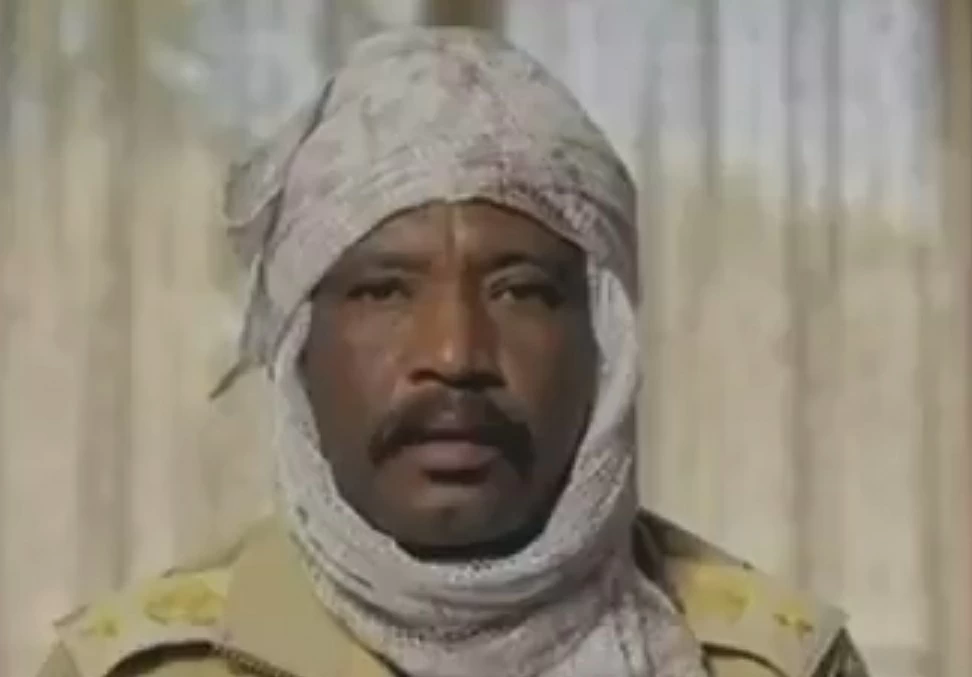
تتواصل الانشقاقات داخل صفوف قوات الدعم السريع في السودان، مع إعلان قائد قطاع نيالا جنوب انشقاقه وانضمامه إلى الجيش السوداني، اليوم السبت ، في تطور يأتي وسط سلسلة من الانسحابات التي شهدتها القوات خلال الأشهر الماضية، وشملت قيادات ميدانية بارزة ومجموعات من الضباط والمقاتلين.
وتكتسب هذه التطورات أهميةً في ظل استمرار الحرب بين الجيش السوداني وقوات الدعم السريع منذ أبريل 2023، وما خلفته من خسائر ميدانية وانقسامات داخلية وضغوط على تماسك القوات المتحاربة.
أبرز الانشقاقات السابقة
في أكتوبر 2026، أعلن محمد أزرق الفنجري قائد مجموعة المهام الخاصة انشقاقه في 8 أكتوبر، وقال إنه غادر برفقة نحو 300 ضابط وجندي و30 عربة قتالية، فيما لم يتسنَّ التحقق بصورةٍ مستقلةٍ من الأعداد المعلنة.
وانشق الطيب الوحيدو رفقة قوة بقيادته عن الدعم السريع والانضمام إلى الجيش السوداني في سبتمبر الماضي، وعزا قراره إلى ما وصفه بالمآسي التي شهدتها صفوف القوات.
وكان علي رزق الله «السافنا»، القائد الميداني البارز، أعلن انشقاقه وانضمامه إلى الجيش في مايو الماضي، مؤكداً عزمه المشاركة في العمليات ضد الدعم السريع في كردفان ودارفور. وكان قد قاد عمليات ميدانية في شمال دارفور وغرب كردفان.
وفي أبريل 2026، انشق اللواء النور أحمد آدم «النور القُبّة»، الذي وصفته تقارير بأنه أحد أبرز القادة الميدانيين في الدعم السريع، وانضم إلى الجيش، في خطوةٍ سلطت الضوء على الخلافات داخل القيادة الميدانية للقوات.
ومن قبله في يناير، غادر بشارة الهويرة القائد الميداني صفوف الدعم السريع، وفق موقع «سودان تربيون» الذي رصد سلسلة الانشقاقات داخل القوات.
وأعلن أبو عاقلة كيكل قائد قوات درع السودان انشقاقه في أكتوبر 2024، ما مثل نقطةَ تحولٍ بارزةً، إذ انتقل إلى صفوف الجيش، وشارك في العمليات العسكرية بولايات الجزيرة والخرطوم وكردفان.
وتشير هذه الوقائع إلى تكرار خروج قادة ميدانيين من الدعم السريع، بعضهم اصطحب مجموعاتٍ من المقاتلين والآليات، وهو ما يثير تساؤلاتٍ بشأن تماسك البنية القيادية للقوات وقدرتها على الحفاظ على ولاء تشكيلاتها في ظل استمرار الحرب.
وربطت تقارير بعض الانشقاقات بخلافاتٍ قبليةٍ ومظالمَ تتعلق بالمعاملة والمخصصات الطبية والرواتب، إلى جانب التنافس داخل مراكز النفوذ.
The splits within the Rapid Support Forces in Sudan continue, with the announcement today, Saturday, by the commander of the Nyala sector of his defection, in a development that comes amid a series of withdrawals that the forces have witnessed over the past months, including prominent field leaders and groups of officers and fighters.
These developments gain significance in light of the ongoing war between the Sudanese army and the Rapid Support Forces since April 2023, and the losses, internal divisions, and pressures on the cohesion of the warring forces that have resulted from it.
Notable Previous Defections
In October 2026, Mohamed Azraq Al-Fanjari, the commander of the special task group, announced his defection on October 8, stating that he left along with about 300 officers and soldiers and 30 combat vehicles, although independent verification of the announced numbers could not be obtained.
Al-Tayeb Al-Wahidi defected along with a force under his command from the Rapid Support Forces and joined the Sudanese army last September, attributing his decision to what he described as the tragedies witnessed within the ranks of the forces.
Ali Rizq Allah "Al-Safna," a prominent field commander, announced his defection and joining the army last May, confirming his intention to participate in operations against the Rapid Support Forces in Kordofan and Darfur. He had led field operations in North Darfur and West Kordofan.
In April 2026, Major General Al-Nour Ahmed Adam "Al-Nour Al-Qubba," who reports described as one of the most prominent field leaders in the Rapid Support Forces, defected and joined the army, in a move that highlighted the disagreements within the field leadership of the forces.
Earlier, in January, Bashara Al-Hweira, a field commander, left the ranks of the Rapid Support Forces, according to the Sudan Tribune website, which monitored a series of defections within the forces.
Abu Aqila Kikel, commander of the Sudan Shield Forces, announced his defection in October 2024, marking a significant turning point as he moved to the ranks of the army and participated in military operations in the states of Al-Jazeera, Khartoum, and Kordofan.
These incidents indicate a recurring pattern of field leaders defecting from the Rapid Support Forces, some of whom brought groups of fighters and equipment with them, raising questions about the cohesion of the command structure of the forces and their ability to maintain the loyalty of their formations amid the ongoing war.
Reports have linked some defections to tribal disputes and grievances related to treatment, medical allowances, and salaries, in addition to competition within centers of influence.